
Basement Waterproofing Services Near You
Interior drainage, sump systems, and sealing that keep basement water out for good
Stop the basement taking water — interior drainage, sump systems and sealing by crews who measure the result, not just sell the system.
Basement Waterproofing is preventive work, and our line reaches water damage restoration and mold companies rather than waterproofing contractors — so we do not take calls for it. If water is in the house right now, that is a restoration job and the line does cover it. For the waterproofing itself, ask any contractor you consider for a written scope, proof of liability insurance, and the state license number checked on the state's own site.
Get a QuoteNot sure who to call first? See the correct call order guide →
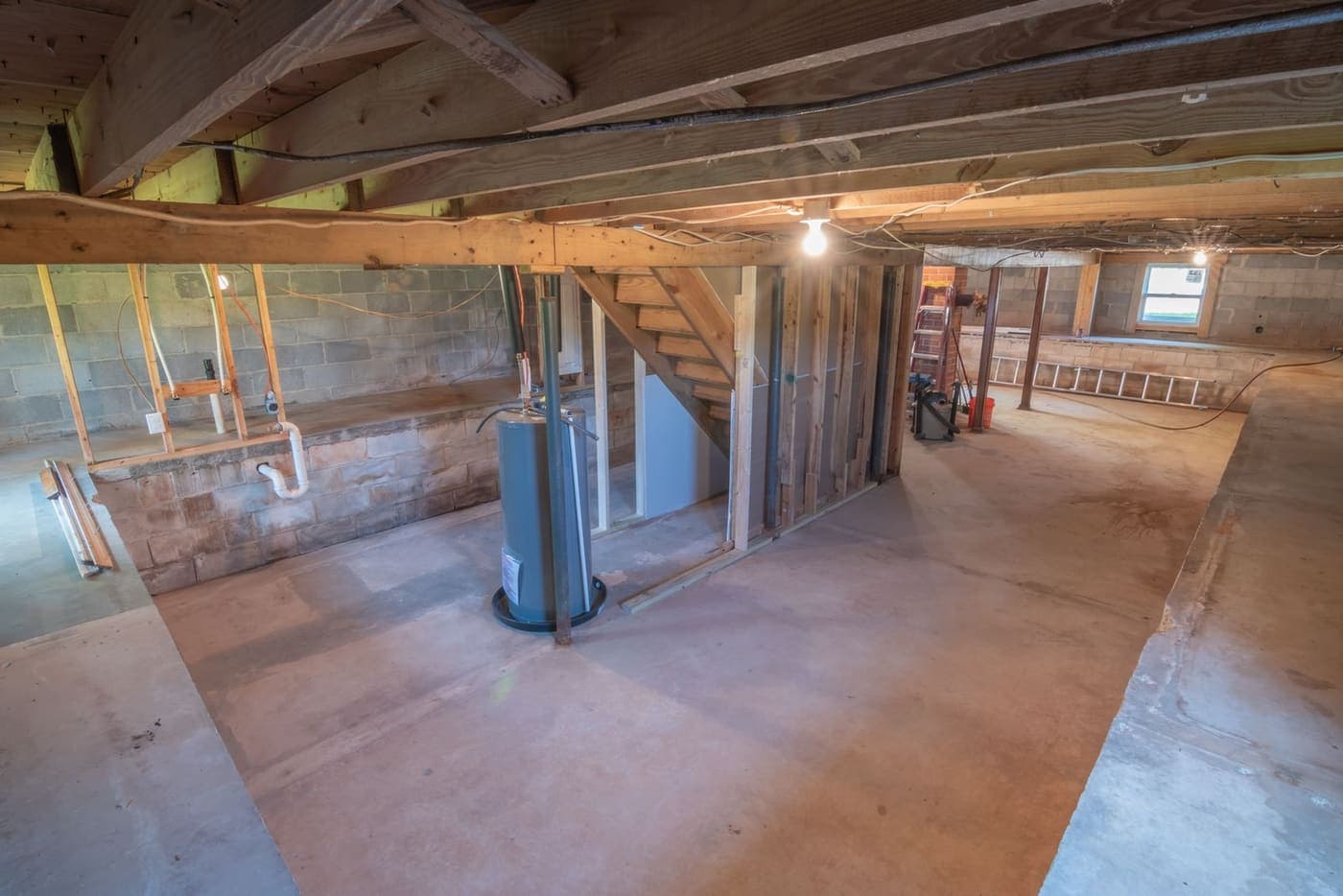
The service
What you get when you call for basement waterproofing
- Assessment of where and how water enters
- Interior drainage and sump installation where warranted
- Crack injection and wall sealing
- Dehumidification sized to the space
- Verification readings after work
A basement that stays dry — verified after the next storm, not promised before it.
Call now if
- Water comes in with every heavy rain
- Efflorescence or damp patches on foundation walls
- You've dried the same basement more than once
Answered 24/7 · costs explained before any work · no obligation
Is this your situation?
Signs you need basement waterproofing
- Water coming in with every heavy rain
- White powdery deposits on foundation walls
- Damp patches, or walls that feel cool and wet
- The same basement dried more than once
- Cracks in the foundation with staining around them
Recognize more than one? Call (888) 840-6512 and describe what you're seeing — the pro tells you what it is before anything is agreed.
How the work is done
Basement Waterproofing, step by step
Every crew in this network works to IICRC S500, the written industry standard — so the sequence is the same whoever arrives.
- 1
Assess
entry points and water table
- 2
Design
the system that fits the cause
- 3
Install
drainage, sump, sealing
- 4
Control
dehumidification
- 5
Verify
dry readings after the next rain
Why this line
Three ways to handle basement waterproofing — two cost more than they look
Calling companies yourself
- Dial down a list until someone answers
- Each one scopes and quotes differently
- License and insurance checks are on you
- Nights and weekends go to voicemail
Waiting to see
- Mold starts within 24–48 hours on wet material
- Hidden moisture keeps spreading
- Insurers question delayed mitigation
- A drying job becomes a rebuild
One call to this line
- Describe it once — routed to a pro covering your ZIP
- IICRC-certified, licensed and insured companies
- Costs explained before anything is agreed
- Answered 24/7, menu first, then a person
Pros in this network carry




Insurance and paperwork
Waterproofing is prevention, so it's rarely an insurance item; the water damage that prompted it may be. Ask on the call which parts are claimable.
The complete claims guide →Answered right now
Two minutes on the phone beats an hour of reading.
Your arrival window, your scope, your ballpark — before anything is agreed.
Call (888) 840-6512Understanding the problem
About basement waterproofing
Basement waterproofing is the permanent answer to a basement that keeps getting wet: interior drainage channels, sump pump systems, crack injection, and moisture sealing engineered to redirect water before it reaches your floor. If there's standing water in the basement right now, extraction and structural drying come first — then waterproofing makes sure you never do this twice. Crews assess the water path (hydrostatic pressure, grading, foundation cracks), then build the drainage and pumping system that matches it.
Quick answer
Basement waterproofing keeps water out permanently with interior perimeter drainage, a correctly sized sump system, crack sealing and humidity control. Typical cost is $2,500–$12,000 over about three days. If water is standing now, extraction and drying come first — waterproofing installed over saturated materials seals the moisture in behind the new work. Call (888) 840-6512 to reach a certified water damage restoration company in your area; the line is answered 24/7.
Common Causes of Basement Waterproofing
- Hydrostatic pressure pushing groundwater through walls and floor joints
- Soil graded toward the foundation instead of away from it
- Clogged gutters and short downspouts dumping roof water at the wall
- Foundation cracks and cove joints acting as water paths
- High water table saturating the soil after storms
- Failed or undersized sump pumps during heavy rain
Your first moves before the crew arrives
- 1Water path assessment. Identify how water enters: wall seepage, cove joint, floor cracks, window wells — plus exterior factors like grading and downspouts.
- 2Remove active water. Extract standing water and dry the structure before any construction — wet walls hide the entry points.
- 3Seal direct paths. Crack injection and cove sealing close the obvious highways water has been using.
- 4Install interior drainage. Perimeter channel along the footing collects incoming water and routes it to the sump basin.
- 5Install or upgrade the sump system. Correctly sized pump, check valve, discharge line away from the foundation — battery backup for storm outages.
- 6Control the humidity. Dehumidification keeps the dried basement under 55% RH so the space stays mold-free, not just flood-free.
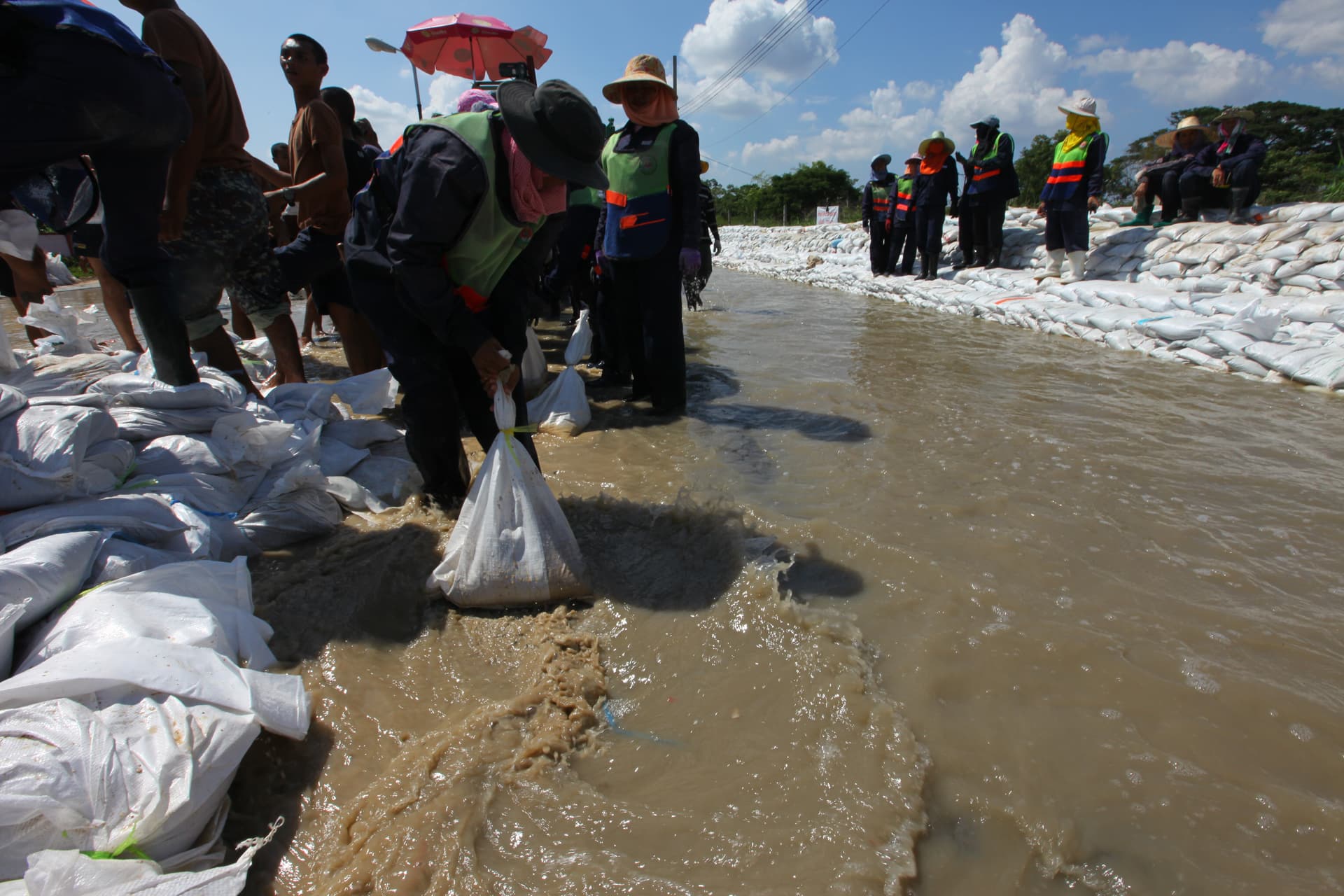
What Basement Waterproofing Looks Like
Basement Waterproofing by City
Basement Waterproofing Questions
How much does basement waterproofing cost?
Interior perimeter drainage with a sump system — the most common fix — typically runs $2,500–$12,000 depending on basement size and water severity.
Spot repairs like crack injection can be a few hundred dollars; full exterior excavation waterproofing runs far higher. The assessment matters more than the menu: the right fix targets the specific water path your foundation has.
What is the difference between interior and exterior waterproofing?
Interior systems collect water that reaches the wall and redirect it to a sump pump — less disruptive, installed in days, and effective for most hydrostatic seepage.
Exterior waterproofing excavates to the footing and seals the wall from outside — more thorough for severe cases, and significantly more expensive. Many homes get the best result from interior drainage plus exterior water management: grading, gutters, and downspout extensions.
Does homeowners insurance cover basement waterproofing?
Waterproofing itself is prevention, and policies don't pay for prevention. What insurance may cover is sudden water damage — a burst pipe, an appliance failure — and in some policies, water backup if you carry that endorsement.
Groundwater seepage is excluded almost everywhere, which is exactly why waterproofing pays for itself: it removes the recurring loss your policy won't keep absorbing.
Is basement waterproofing worth it?
If the basement has gotten wet more than once, yes — repeat water events cost money every time (cleanup, flooring, dehumidification, mold risk) and chip away at usable space and resale value.
A properly installed drainage-and-sump system converts an unpredictable recurring loss into a one-time project with a known price.
There is water in my basement right now — waterproofing or cleanup first?
Cleanup first, always: standing water needs extraction and structural drying within the first day to prevent mold, regardless of what waterproofing happens later.
The smart sequence is extraction and drying now, then a waterproofing assessment while the water pattern is fresh — where it entered, how high it rose, and which walls stayed wet the longest.
What does basement water extraction cost, and is it separate from waterproofing?
They are separate line items and usually separate visits. Extraction is the emergency work — removing standing water and drying the structure — and is priced by the volume of water, the affected area and the equipment days.
Waterproofing is the permanent fix that follows: drainage, sump systems and sealing, priced by linear foot of foundation. Insurance frequently pays toward the first as sudden damage and almost never toward the second, which it treats as maintenance. Get them quoted separately so you can see which is which.
HearthDry is an independent resource. We do not perform restoration work. We connect homeowners with licensed, IICRC-certified third-party contractors. Cost ranges are estimates only. Verify contractor licensing before hiring.