
Water Damage Restoration Services Near You
Full-service water extraction, drying, and structural restoration
Certified water damage crews, reached on a line answered 24/7 — one call finds the water, dries the structure, and documents every step for your claim.
Not sure who to call first? See the correct call order guide →
The service
What you get when you call for water damage restoration
- Moisture mapping with meters and thermal imaging — the real footprint, not the visible one
- Extraction of standing water from floors, carpet and pad
- Structural drying with air movers and commercial dehumidifiers, logged daily
- Removal of materials that can't be saved; antimicrobial treatment of what can
- Photo and moisture documentation to the IICRC S500 standard for your insurer
A home measured dry — not one that looks dry — with the paperwork to prove it.
Call now if
- Water reached drywall, subfloor or insulation
- Anything has been wet for more than a few hours
- A musty smell arrived after a leak
Answered 24/7 · costs explained before any work · no obligation
Is this your situation?
Signs you need water damage restoration
- Water on the floor, or flooring that squelches underfoot
- Stains spreading on a wall or ceiling
- Baseboards swelling or pulling away from the wall
- A musty smell that arrived after a leak
- Paint bubbling or wallpaper lifting
Recognize more than one? Call (888) 840-6512 and describe what you're seeing — the pro tells you what it is before anything is agreed.
How the work is done
Water Damage Restoration, step by step
Every crew in this network works to IICRC S500, the written industry standard — so the sequence is the same whoever arrives.
- 1
Map the water
meters and thermal imaging find how far it travelled
- 2
Extract
standing water pulled from floors, carpet and pad
- 3
Dry to standard
air movers and dehumidifiers, readings logged daily
- 4
Remove or treat
unsalvageable material out, the rest treated
- 5
Verify and document
dry-standard readings, photos, the claim package
Why this line
Three ways to handle water damage restoration — two cost more than they look
Calling companies yourself
- Dial down a list until someone answers
- Each one scopes and quotes differently
- License and insurance checks are on you
- Nights and weekends go to voicemail
Waiting to see
- Mold starts within 24–48 hours on wet material
- Hidden moisture keeps spreading
- Insurers question delayed mitigation
- A drying job becomes a rebuild
One call to this line
- Describe it once — routed to a pro covering your ZIP
- IICRC-certified, licensed and insured companies
- Costs explained before anything is agreed
- Answered 24/7, menu first, then a person
Pros in this network carry


Insurance and paperwork
Sudden water losses are usually covered. The crew's moisture map, daily drying logs and photos are the package adjusters are trained to trust; ask the pro on the call how they handle your insurer's paperwork.
The complete claims guide →Answered right now
Two minutes on the phone beats an hour of reading.
Your arrival window, your scope, your ballpark — before anything is agreed.
Call (888) 840-6512Understanding the problem
About water damage restoration
Professional water damage restoration covers emergency water extraction, industrial drying, dehumidification, antimicrobial treatment, and full structural restoration. IICRC-certified technicians assess moisture levels and create a drying plan within the first hour.
Quick answer
Water damage restoration is the professional process of extracting water, drying the structure and repairing what the water ruined, following the IICRC S500 standard. A typical residential job runs $1,500–$9,500 and takes about five days, with the drying phase confirmed by daily moisture readings rather than by how dry surfaces feel. Call (888) 840-6512 to reach a certified water damage restoration company in your area; the line is answered 24/7.
Common Causes of Water Damage Restoration
- Burst pipes
- Appliance failures
- Roof leaks
- Storm flooding
- Sewage backup
Your first moves before the crew arrives
- 1Shut off the water source. Turn off the supply valve at the source (pipe, appliance) or shut off your home's main water supply at the meter or utility room. Do not enter standing water if electrical outlets are submerged.
- 2Cut power to affected areas. Switch off circuit breakers for all rooms with standing water. Never handle electrical switches with wet hands or while standing in water. If your panel is in the flooded area, call the utility company.
- 3Document everything before touching anything. Take video of every affected room showing water levels, the water source, and all damaged materials and items. This documentation is your insurance claim — do not clean up before recording.
- 4Call a certified water damage restoration company. Call an IICRC-certified restoration company immediately — not a plumber. Restoration companies extract water AND document your claim simultaneously. Most certified companies offer 60-minute emergency response.
- 5Call your insurance company to open a claim. Call while the restoration team is on-site. Get a claim number. Ask about your deductible, coverage for additional living expenses, and whether you need prior approval before reconstruction begins.
- 6Monitor drying progress daily. Professional technicians will return each day to check moisture readings and adjust equipment. Do not remove drying equipment early — all structural materials must reach IICRC target moisture levels before equipment is removed.
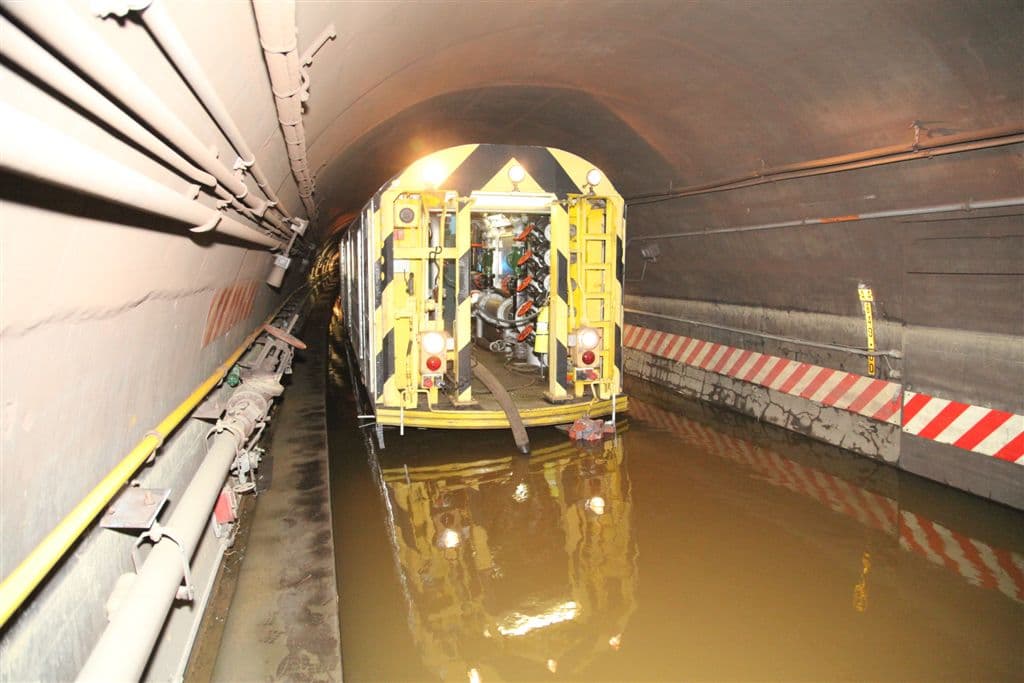
What Water Damage Restoration Looks Like
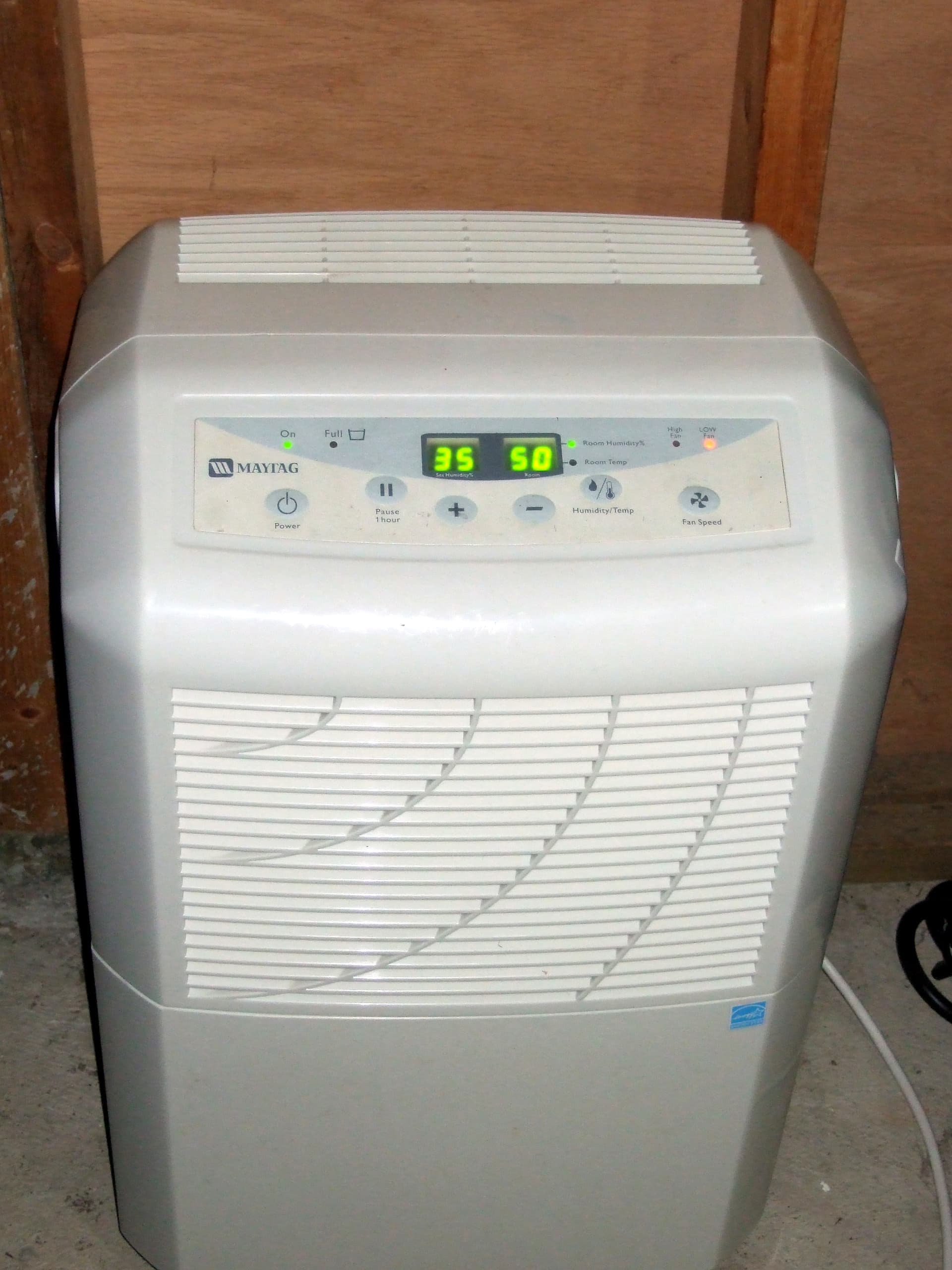
Water Damage Restoration by City
Water Damage Restoration Questions
- 1assess damage and moisture levels,
- 2extract standing water,
- 3set industrial dryers and dehumidifiers,
- 4monitor drying daily,
- 5treat for microbial growth, and
- 6restore or replace damaged materials.
How fast does mold grow after water damage?
Mold can begin colonizing within 24–48 hours in warm, humid conditions. This is why professional extraction and drying within the first hour is critical — every hour of standing water increases both structural damage and mold risk.
Will my homeowners insurance cover water damage?
Most standard homeowners policies cover sudden, accidental water damage (burst pipe, appliance failure) but exclude gradual leaks and flood damage. Flood damage typically requires a separate NFIP or private flood insurance policy.
What does the restoration process involve?
A certified restoration team will:
How long does water damage restoration take?
A typical residential water damage project takes 3–7 days for structural drying, plus 1–3 weeks for reconstruction depending on the scope of material replacement.
The drying phase cannot be rushed — IICRC S500 requires moisture readings to reach target levels before reconstruction begins. Attempting to close walls before structural drying is complete traps moisture and guarantees mold within weeks.
Do I need to leave my home during water damage restoration?
For Category 1 (clean water) events in a limited area, temporary displacement is usually not required. For Category 3 (sewage or flood water) events, or for events that affect HVAC systems, sleeping areas, or large portions of the living space, temporary displacement protects your family from airborne contaminants during remediation.
Most homeowners insurance policies include Additional Living Expenses (ALE) coverage that reimburses hotel costs — confirm your ALE limit before assuming you must stay.
Who do I call right now for water damage?
Call (888) 840-6512. The line is answered 24 hours a day, seven days a week, and connects you with an IICRC-certified water damage restoration company that serves your area. Describe what you can see — where the water is coming from, how long it has been there, and whether it smells — the more specific you are, the faster the right company is on the line.
If the source is a pipe or an appliance, shut the main water valve first. Have four things ready and the call goes quickly: the address, when the water started, what is wet now, and whether you have filed an insurance claim.
Still not sure which of these is your situation? (888) 840-6512 · toll-free · answered 24/7
HearthDry is an independent resource. We do not perform restoration work. We connect homeowners with licensed, IICRC-certified third-party contractors. Cost ranges are estimates only. Verify contractor licensing before hiring.