
Basement Flooding Services Near You
Basement water extraction, waterproofing assessment, and restoration
Water in the basement, out — certified crews with pumps, extraction and drying, reached on one line, answered 24/7, across your area.
Not sure who to call first? See the correct call order guide →
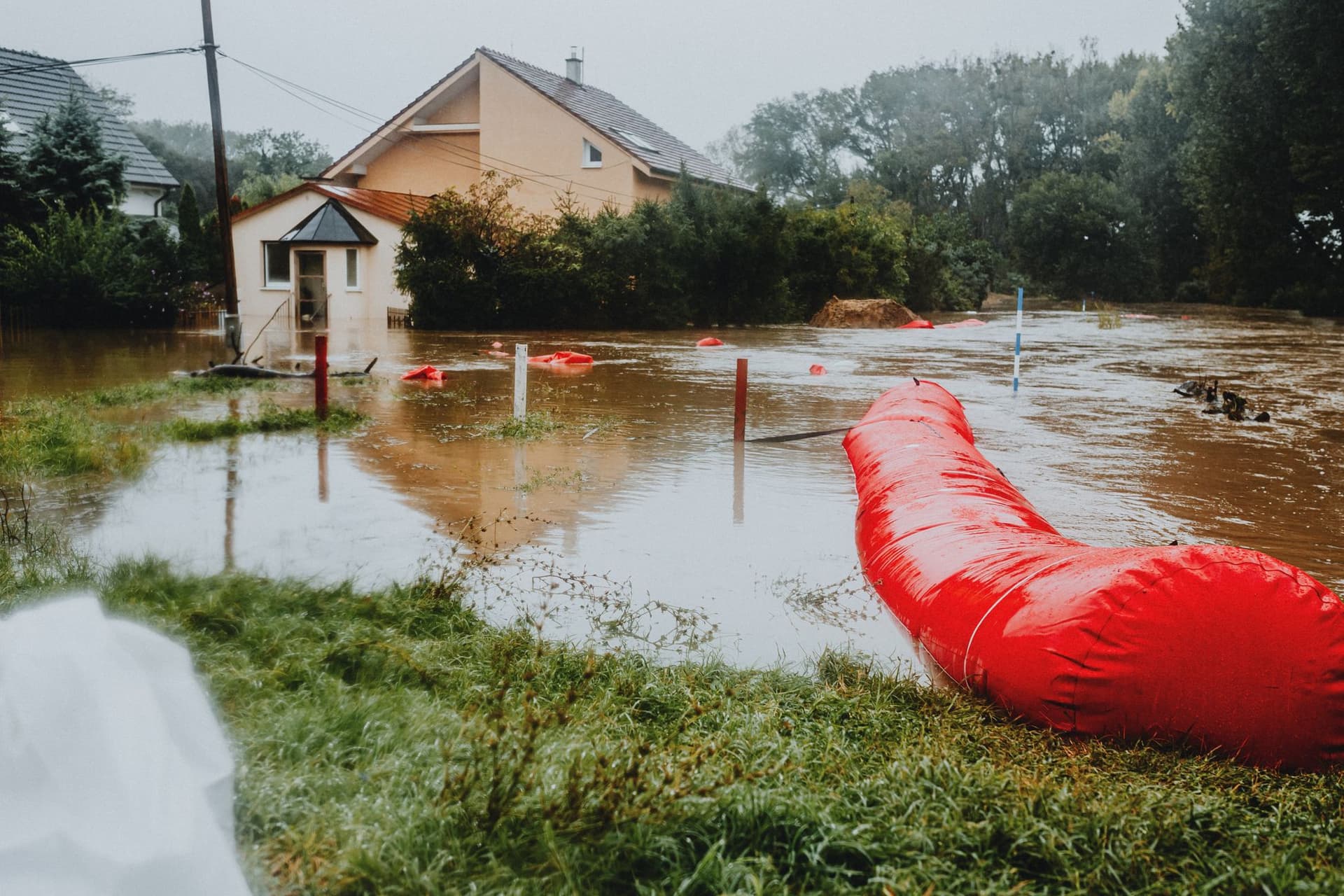
The service
What you get when you call for basement flooding
- Safe pump-out and extraction once power to the space is confirmed off
- Removal of soaked carpet, pad and drywall that won't dry in place
- Drying of the slab, walls and framing with logged readings
- Antimicrobial treatment against the mold basements grow fastest
- Assessment of where the water came in, so it's the last time
A dry basement and a clear answer on why it flooded.
Call now if
- There's standing water on the basement floor
- Water has soaked finished walls, carpet or stored belongings
- It's come back more than once
Answered 24/7 · costs explained before any work · no obligation
Is this your situation?
Signs you need basement flooding
- Standing water on the basement floor
- Water lines on walls or stored boxes
- Damp or dark patches on foundation walls
- A musty smell in the rooms above
- Water that returns after every heavy rain
Recognize more than one? Call (888) 840-6512 and describe what you're seeing — the pro tells you what it is before anything is agreed.
How the work is done
Basement Flooding, step by step
Every crew in this network works to IICRC S500, the written industry standard — so the sequence is the same whoever arrives.
- 1
Make it safe
power off, then pump-out and extraction
- 2
Clear
soaked contents and materials out
- 3
Dry
air movers and dehumidifiers on slab and walls, readings daily
- 4
Treat
antimicrobial application on everything that stays
- 5
Verify and advise
dry-standard readings and the entry-point findings
Why this line
Three ways to handle basement flooding — two cost more than they look
Calling companies yourself
- Dial down a list until someone answers
- Each one scopes and quotes differently
- License and insurance checks are on you
- Nights and weekends go to voicemail
Waiting to see
- Mold starts within 24–48 hours on wet material
- Hidden moisture keeps spreading
- Insurers question delayed mitigation
- A drying job becomes a rebuild
One call to this line
- Describe it once — routed to a pro covering your ZIP
- IICRC-certified, licensed and insured companies
- Costs explained before anything is agreed
- Answered 24/7, menu first, then a person
Pros in this network carry




Insurance and paperwork
Coverage depends on the source: a burst pipe or failed water heater is usually covered; surface water from outside is not (that's a separate flood policy) and drain backup needs a rider. The crew's source assessment matters here — ask on the call.
The complete claims guide →Answered right now
Two minutes on the phone beats an hour of reading.
Your arrival window, your scope, your ballpark — before anything is agreed.
Call (888) 840-6512Understanding the problem
About basement flooding
Basement flooding from groundwater intrusion, sump pump failure, or drain backup requires specialized submersible pumps and low-profile extraction equipment. Services include water removal, efflorescence and moisture assessment, structural drying, and waterproofing recommendations.
Quick answer
Basement flooding cleanup means extracting standing water, removing saturated materials, and drying the foundation walls and slab before mold establishes at 24–48 hours. Typical cost is $1,000–$7,000 over about four days. Electricity is the first hazard: if water could reach outlets, the panel or appliances, the power comes off before anyone enters. Call (888) 840-6512 to reach a certified water damage restoration company in your area; the line is answered 24/7.
Common Causes of Basement Flooding
- Sump pump failure
- Groundwater hydrostatic pressure
- Foundation cracks
- Floor drain backup
- Window well overflow
Your first moves before the crew arrives
- 1Check for electrical hazards before entering. Never enter a flooded basement if there is any chance electricity is still running. Locate your electrical panel and shut off all basement circuits. If the panel is in the flooded area, call your utility company to cut power from the street.
- 2Identify and stop the water source. Determine if water came from a sump pump failure, plumbing leak, storm flooding through windows, or foundation seepage. If from a pipe or appliance, shut off the main water supply. If from external flooding, the source may not be controllable until water recedes.
- 3Document with video before extraction begins. Video the basement showing water depth, the flood source, and all damaged materials. Include the water heater, HVAC equipment, and finished walls if applicable. This documentation is required for your insurance or FEMA claim.
- 4Begin water extraction immediately. Every hour of standing water causes additional structural damage and mold risk. Use a submersible pump or call a professional restoration company for truck-mounted extraction. Do not use a standard shop vac for more than a few inches of water.
- 5Deploy industrial drying equipment and monitor daily. After extraction, industrial air movers and LGR dehumidifiers must run continuously until all structural materials (framing, subfloor, drywall) reach IICRC target moisture levels — typically 3-7 days. Daily monitoring is required.
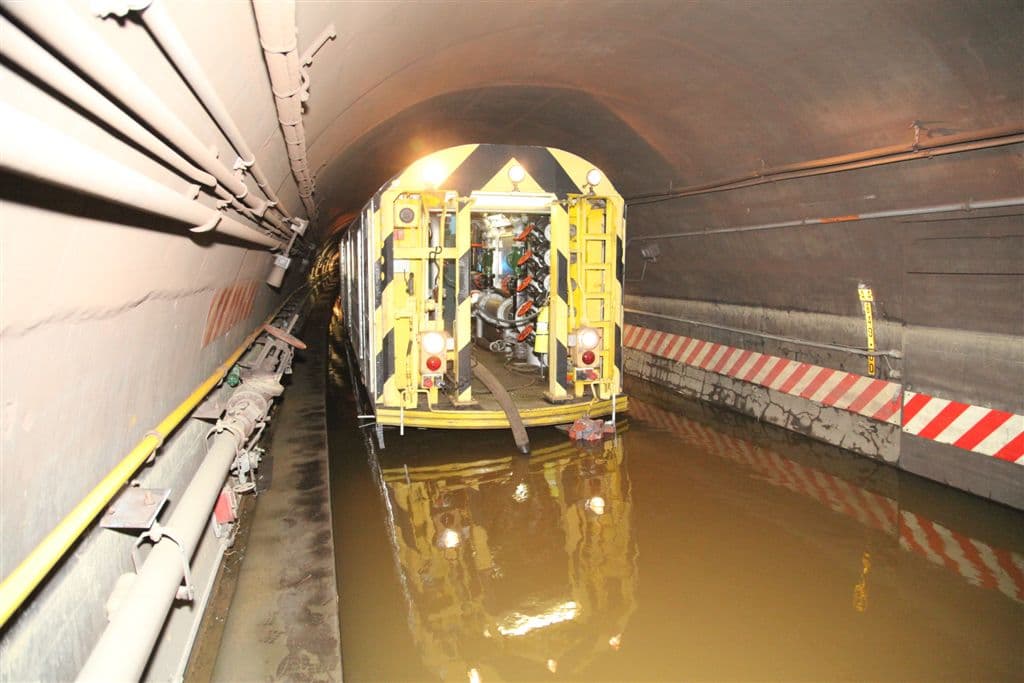
What Basement Flooding Looks Like
Basement Flooding Questions
Why does my basement flood even without heavy rain?
Basements can flood from hydrostatic pressure (groundwater pushing through foundation walls or floor), a failed sump pump, foundation cracks, or municipal drain system backflow. Each cause has different solutions — a restoration professional can assess the source and recommend permanent fixes.
Is basement water damage covered by homeowners insurance?
It dependsOn the cause. Sump pump failure is often covered by a sump pump rider (not included in standard policies).
Groundwater intrusion and flooding from outside are generally excluded unless you have flood insurance. Water from a burst pipe upstairs flowing into the basement may be covered. The cause matters.
How quickly does basement mold grow after flooding?
Basements are the ideal mold environment: cool, dark, and humid. After flooding, mold can begin colonizing within 24–48 hours. Unfinished basement surfaces (concrete block, OSB, fiberglass insulation) are particularly susceptible. Professional drying must begin immediately.
How do I prevent my basement from flooding again after this event?
Permanent prevention depends on the root cause. For sump pump failure: install a battery backup pump ($200–$500) that activates when the primary pump loses power; replace pumps every 7–10 years proactively; test quarterly by pouring water into the pit. For foundation seepage through cracks: seal active cracks with polyurethane injection from the interior (less invasive) or apply an exterior membrane during landscaping projects.
For groundwater hydrostatic pressure through walls: interior French drain systems ($5,000–$15,000) redirect water to the sump pit before it reaches the floor. For storm drain backup: install a backwater valve. For window well overflow: add window well covers and make sure wells drain properly. All prevention measures should be combined with correct grading (soil sloping away from foundation) and functional gutters directing roof water at least 4–6 feet from the structure.
Should I tear out finished basement materials myself to speed up the drying process?
Only if your insurance adjuster has already documented the scope and your restoration contractor has not yet arrived. Do not demolish before your adjuster (or the restoration company working on your behalf) photographs and scopes the damage — removing materials before documentation weakens your claim. Once scope is documented: removing wet carpet and padding (not the tack strips) and baseboards is acceptable and speeds drying.
Do not remove drywall without contractor guidance — cutting too high or not high enough affects your claim scope and reconstruction cost. Some drywall removal is required for wall cavity drying; some can be avoided with drill-and-inject drying. A restoration contractor's scope assessment determines the correct approach before demolition begins.
Why does my basement keep flooding when the rain is not unusual?
Repeat flooding in ordinary rain is a drainage answer, not a weather one. The usual causes are a sump pump that cannot keep up or has no battery backup, grading that sends roof and yard runoff toward the foundation, a blocked or collapsed footing drain, or a sewer lateral that surcharges and backs up through the floor drain.
Each has a different fix and a different price, which is why the first visit should identify the entry point rather than only dry what is already inside.
Who do I call right now for water damage?
Call (888) 840-6512. The line is answered 24 hours a day, seven days a week, and connects you with an IICRC-certified water damage restoration company that serves your area. Describe what you can see — where the water is coming from, how long it has been there, and whether it smells — the more specific you are, the faster the right company is on the line.
If the source is a pipe or an appliance, shut the main water valve first. Have four things ready and the call goes quickly: the address, when the water started, what is wet now, and whether you have filed an insurance claim.
Still not sure which of these is your situation? (888) 840-6512 · toll-free · answered 24/7
HearthDry is an independent resource. We do not perform restoration work. We connect homeowners with licensed, IICRC-certified third-party contractors. Cost ranges are estimates only. Verify contractor licensing before hiring.