
Water Extraction Services Near You
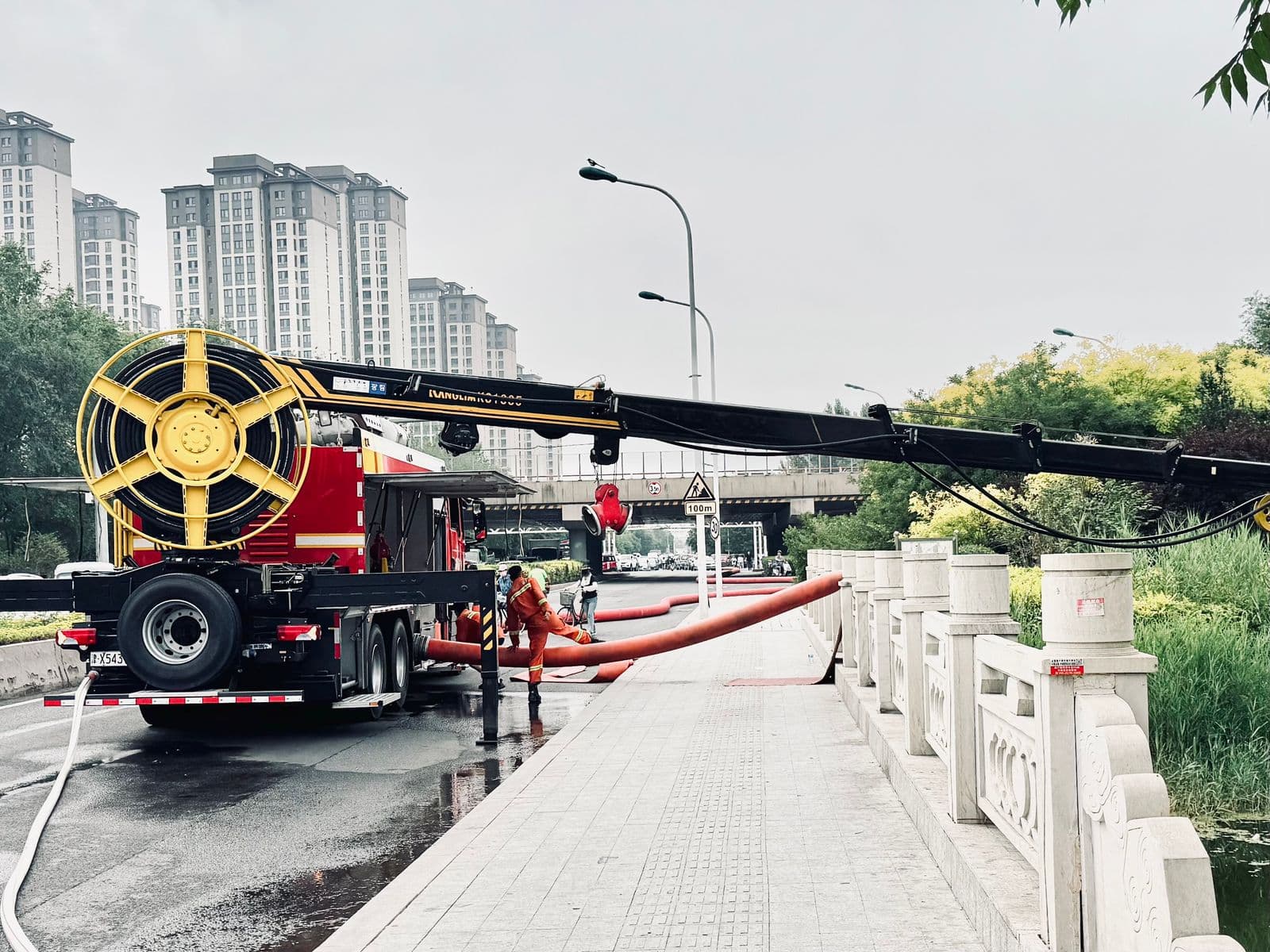
Emergency standing water removal with truck-mounted extraction equipment
Standing water out in hours, not days — certified extraction crews dispatched 24/7 with the equipment a shop vac can't match.
Response
ASAP
24/7 dispatch
Cost
Depends
on your job
Duration
Varies
by the damage
Your three numbers take one call — no obligation.
Not sure who to call first? See the correct call order guide →
The service
What you get when you call for water extraction
- Truck-mounted or portable extraction across every affected room
- Removal of water from carpet, pad and hard floors
- Immediate setup of drying equipment to stop the mold clock
- Assessment of what's saveable and what isn't
- Documentation from the first hour for your claim
The water gone before it becomes a bigger problem.
Call now if
- Standing water on any floor
- Carpet or pad that squelches underfoot
- Water that came in over a wide area
Answered 24/7 · costs explained before any work · no obligation
Is this your situation?
Signs you need water extraction
- Standing water on any floor
- Carpet or pad that squelches when you step on it
- Water spread across more than one room
- Water that has been sitting for hours
- Furniture or boxes sitting in water
Recognise more than one? Call (888) 840-6512 and describe what you're seeing — the pro tells you what it is before anything is agreed.
How the work is done
Water Extraction, step by step
Every crew in this network works to IICRC S500, the written industry standard — so the sequence is the same whoever arrives.
- 1
Assess and make safe
power, category of water, extent
- 2
Extract
high-volume removal from floors and carpet
- 3
Set drying
air movers and dehumidifiers in place same visit
- 4
Monitor
readings until materials hit dry standard
- 5
Document
photos and logs for the claim
Why this line
Three ways to handle water extraction — two cost more than they look
Calling companies yourself
- Dial down a list until someone answers
- Each one scopes and quotes differently
- Licence and insurance checks are on you
- Nights and weekends go to voicemail
Waiting to see
- Mold starts within 24–48 hours on wet material
- Hidden moisture keeps spreading
- Insurers question delayed mitigation
- A drying job becomes a rebuild
One call to this line
- Describe it once — routed to a pro covering your ZIP
- IICRC-certified, licensed and insured companies
- Costs explained before anything is agreed
- Answered 24/7 by a live person
Pros in this network carry



Insurance and paperwork
Fast extraction is also insurance strategy — policies require you to mitigate, and the crew's timestamped start protects the claim. Ask on the call about documentation.
The complete claims guide →Answered right now
Two minutes on the phone beats an hour of reading.
Your arrival window, your scope, your ballpark — before anything is agreed.
Call (888) 840-6512Understanding the problem
About water extraction
Professional water extraction removes standing water fast with submersible pumps, truck-mounted vacuum units, and weighted extraction tools for carpet and pad. Certified technicians map moisture with thermal imaging, extract to bare structure, and set drying equipment in the same visit — because every hour of standing water pushes damage deeper into subfloors and wall cavities.
Quick answer
Water extraction is the first and most time-critical step of restoration: pulling standing and absorbed water out with truck-mounted or portable units before drying begins. Typical cost is $500–$3,500 over one to two days. An hour of professional extraction removes more water than a full day of evaporation, which is why it precedes every drying plan. Call (888) 840-6512 to reach a certified water damage restoration company in your area; the line is answered 24/7.
Common Causes of Water Extraction
- Burst supply pipes
- Water heater tank failure
- Washing machine hose rupture
- Sump pump failure
- Sewage backup
Your first moves before the crew arrives
- 1Stop the water at its source. Close the fixture valve or the home's main shut-off. If the source is a water heater, close the cold-water inlet on top of the tank and turn off its power or gas.
- 2Kill power to wet rooms. Flip the breakers for affected rooms before stepping into any standing water. If the panel itself is near the water, stay out and wait for professionals.
- 3Record video of the water level. Walk every affected room and film the standing water, the source, and damaged belongings. Insurance adjusters rely on pre-cleanup documentation.
- 4Move what you can to dry ground. Lift electronics, documents, and furniture legs onto foil or blocks. Do not lift saturated rugs — they are heavier than they look and can tear.
- 5Do not use household fans on contaminated water. If the water involves sewage or has been standing more than 24 hours, fans aerosolize bacteria. Leave air movement to crews with HEPA-filtered equipment.
- 6Clear a path for the crew. Extraction hoses run from the truck to the wet rooms. Moving vehicles and clutter shaves real minutes off the job — and off how far the water travels.
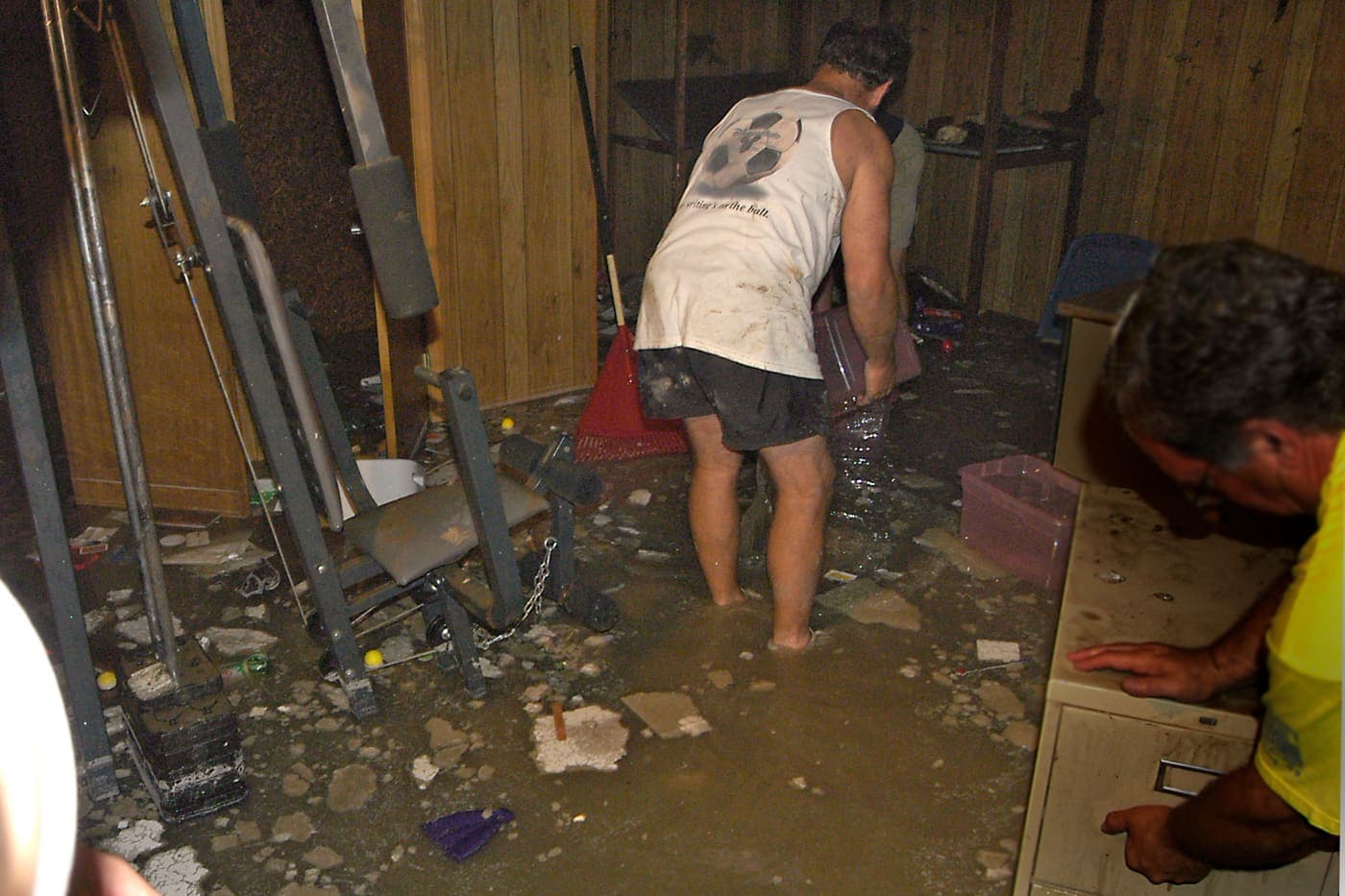
What Water Extraction Looks Like
Water Extraction Questions
How fast can standing water be extracted from a home?
A certified crew with a truck-mounted extraction unit removes water at 10–20 gallons per minute. A typical flooded room is extracted within 1–2 hours of arrival; whole-basement extractions usually finish the same day. Speed matters because drywall wicks water upward at roughly one inch per hour for the first 24 hours.
What is the difference between water extraction and water damage restoration?
Extraction is the first stage of restoration: physically removing standing water. Restoration continues afterward with structural drying, dehumidification, antimicrobial treatment, and repairs.
Extraction alone is not enough — materials still hold moisture after visible water is gone, which is why professional crews set drying equipment immediately after extracting.
Can I extract water myself with a shop vacuum?
A shop vacuum can handle a few gallons from a small clean-water spill on hard flooring. It cannot recover water from carpet pad, subfloor, or wall cavities, and it is unsafe for Category 3 water (sewage).
If more than a single room is affected, water has been standing over 12 hours, or the source involves sewage, professional extraction equipment is the practical option.
What does emergency water extraction cost?
Most residential extractions run $500–$3,500 depending on the volume of water, the category of contamination, and how many rooms are affected.
Category 3 (sewage-contaminated) extraction costs more because it requires protective equipment, disposal protocols, and antimicrobial application. Sudden-event extraction is commonly covered by homeowners insurance.
Does homeowners insurance cover water extraction?
If the water came from a sudden, accidental source — a burst pipe, failed appliance, or ruptured water heater — extraction and drying are typically covered under standard homeowners policies.
Gradual leaks and groundwater seepage are usually excluded. Document the source with photos before cleanup and call your insurer once the crew is on-site.
What is the difference between water extraction, water removal and water mitigation?
Extraction and removal are the same step — pulling standing water out with truck-mounted or portable units before anything else can start. Mitigation is the wider job that extraction begins: extraction, then structural drying with air movers and dehumidifiers, then moisture readings that prove the assembly is dry.
Restoration is what comes after, putting back what had to be removed. A quote that covers extraction alone is not a quote for a dry house.
What does a water extraction company actually do?
More than pump water out. A water extraction company pulls standing water with truck-mounted or portable units, uses weighted extraction tools to get water out of carpet and pad, maps with meters and thermal imaging how far the water travelled into walls and subfloor, and sets the air movers and dehumidifiers that dry the structure.
It records moisture readings each day, which is the documentation an insurer asks for. A wet-vac removes what you can see; extraction removes what is absorbed.
How soon should emergency water extraction start?
The same day. Drywall, insulation and subfloor keep wicking water for as long as it stands, and mold can begin within 24 to 48 hours in warm conditions.
How quickly a crew can arrive depends on the company serving your area and how busy it is, so ask on the call. In the meantime, stop the source, cut power to wet rooms at the breaker, and photograph everything before anything is moved.
Who do I call right now for water damage?
Call (888) 840-6512. The line is answered 24 hours a day, seven days a week, and connects you with an IICRC-certified water damage restoration company that serves your area.
Describe what you can see — where the water is coming from, how long it has been there, and whether it smells — and the dispatcher routes you to a crew that handles that kind of loss. If the source is a pipe or an appliance, shut the main water valve first; the call itself takes under two minutes.
HearthDry is an independent resource. We do not perform restoration work. We connect homeowners with licensed, IICRC-certified third-party contractors. Cost ranges are estimates only. Verify contractor licensing before hiring.