
Black Mold Removal Services Near You
Contained removal of black mold colonies with HEPA filtration and clearance testing
Dark mold handled under containment by certified crews — removed, the source fixed, and verified before the barriers come down.
Response
ASAP
24/7 dispatch
Cost
Depends
on your job
Duration
Varies
by the damage
Your three numbers take one call — no obligation.
Not sure who to call first? See the correct call order guide →
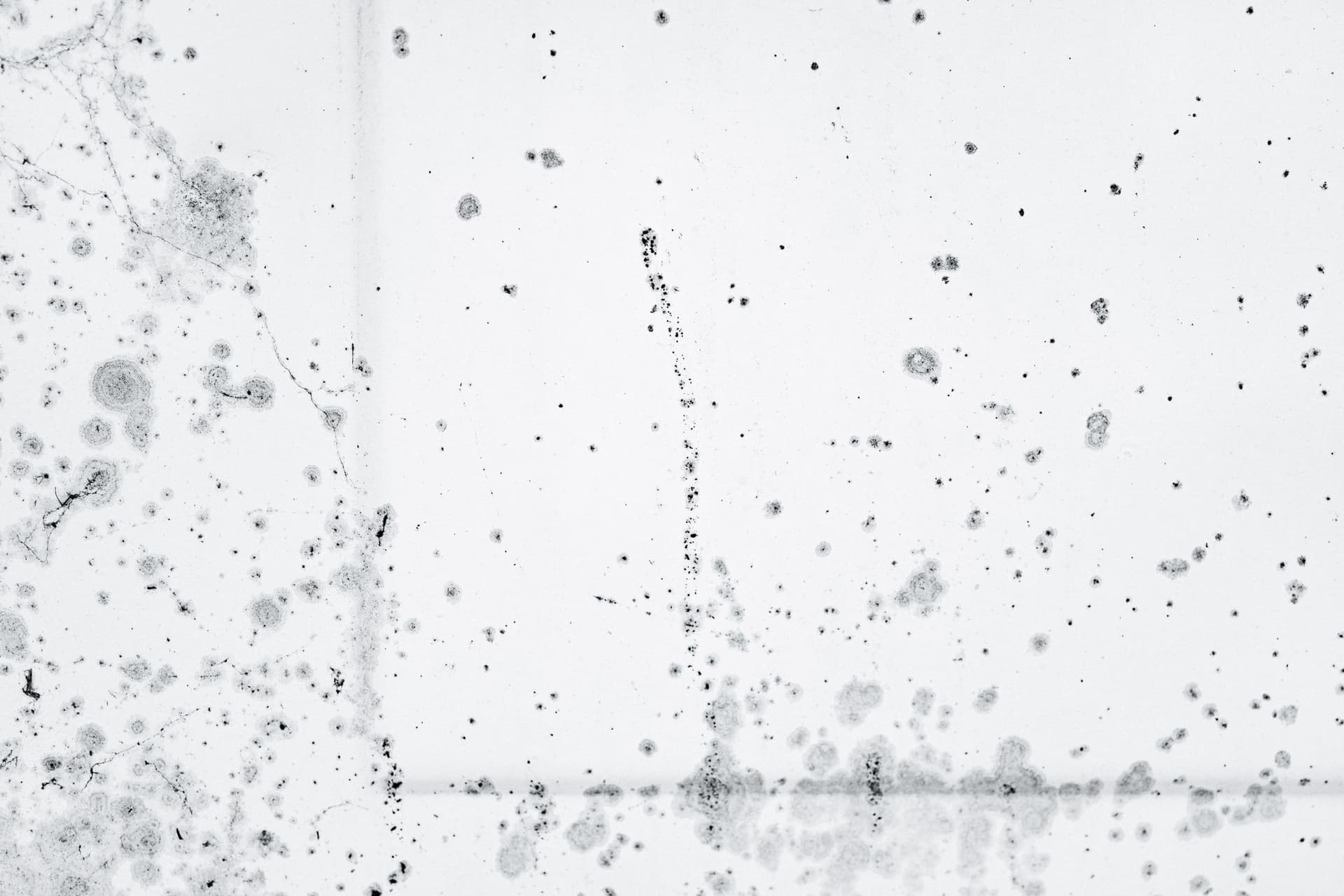
The service
What you get when you call for black mold removal
- Assessment of the growth and the moisture feeding it
- Full containment with negative air before any disturbance
- Removal of affected materials; HEPA cleaning of surfaces
- Correction of the water or humidity source
- Clearance verification
Removed properly, once — not scrubbed and back in a month.
Call now if
- Dark or slimy growth on drywall, wood or ceilings
- Growth after a leak or flood that wasn't fully dried
- Symptoms in the household that ease when away from home
Answered 24/7 · costs explained before any work · no obligation
Is this your situation?
Signs you need black mold removal
- Dark or slimy growth on drywall, wood or ceilings
- Growth after a leak or flood that was never fully dried
- A strong musty smell in one area
- Growth spreading despite cleaning
- Symptoms in the household that ease away from home
Recognise more than one? Call (888) 840-6512 and describe what you're seeing — the pro tells you what it is before anything is agreed.
How the work is done
Black Mold Removal, step by step
Every crew in this network works to IICRC S520, the written industry standard — so the sequence is the same whoever arrives.
- 1
Assess
extent, materials affected, moisture source
- 2
Contain
sealed work area under negative pressure
- 3
Remove
affected drywall, insulation and contents out; HEPA clean
- 4
Fix the source
the leak or humidity behind it
- 5
Verify
clearance before containment is removed
Why this line
Three ways to handle black mold removal — two cost more than they look
Calling companies yourself
- Dial down a list until someone answers
- Each one scopes and quotes differently
- Licence and insurance checks are on you
- Nights and weekends go to voicemail
Waiting to see
- Mold starts within 24–48 hours on wet material
- Hidden moisture keeps spreading
- Insurers question delayed mitigation
- A drying job becomes a rebuild
One call to this line
- Describe it once — routed to a pro covering your ZIP
- IICRC-certified, licensed and insured companies
- Costs explained before anything is agreed
- Answered 24/7 by a live person
Pros in this network carry


Insurance and paperwork
Covered only when it results from a covered sudden water loss, usually under a mold cap. Ask the pro on the call what your policy's mold limit is and what documentation supports it.
The complete claims guide →Answered right now
Two minutes on the phone beats an hour of reading.
Your arrival window, your scope, your ballpark — before anything is agreed.
Call (888) 840-6512Understanding the problem
About black mold removal
Black mold removal targets dark-pigmented molds such as Stachybotrys chartarum that colonize chronically damp drywall, wood, and insulation. Certified crews build negative-pressure containment, remove affected materials under HEPA filtration, treat the cavity, and correct the moisture source so the colony cannot return. Larger jobs finish with third-party clearance testing.
Quick answer
Black mold removal follows the same IICRC S520 protocol as any mold remediation — containment, HEPA air filtration, removal of contaminated porous materials, and correction of the moisture source. Typical cost is $1,000–$6,000 over about four days. Colour alone does not determine risk; the affected area, the material involved and the moisture behind it do. Call (888) 840-6512 to reach a certified water damage restoration company in your area; the line is answered 24/7.
Common Causes of Black Mold Removal
- Hidden plumbing leaks inside walls
- Past water damage that was never fully dried
- Sustained indoor humidity above 60%
- Roof and window flashing leaks
- HVAC condensation and duct sweating
Your first moves before the crew arrives
- 1Do not scrub, spray, or bleach it. Scrubbing releases spore clouds, and bleach on porous drywall kills surface growth while leaving roots to regrow. Leave the colony undisturbed until containment is set.
- 2Close off the room. Shut the door and block the gap underneath with a towel. Turn off HVAC to that zone if you can — ducts are the fastest way spores travel to other rooms.
- 3Photograph the growth and the stain pattern. Take wide and close shots. Stain shape tells professionals where the water is coming from, and photos support any insurance or landlord claim.
- 4Look for the water source. Check the ceiling above, the plumbing behind, and the humidity in the room. You do not need to fix it now — just note what you find for the inspection.
- 5Call a certified mold remediation company. Ask specifically about containment, negative air pressure, and HEPA filtration. A crew that plans to 'wipe it down' is not performing IICRC S520 remediation.
- 6Keep children and pets out until clearance. Spore counts inside containment run high during removal. Stay out of the work zone until the crew confirms the area has passed visual or lab clearance.
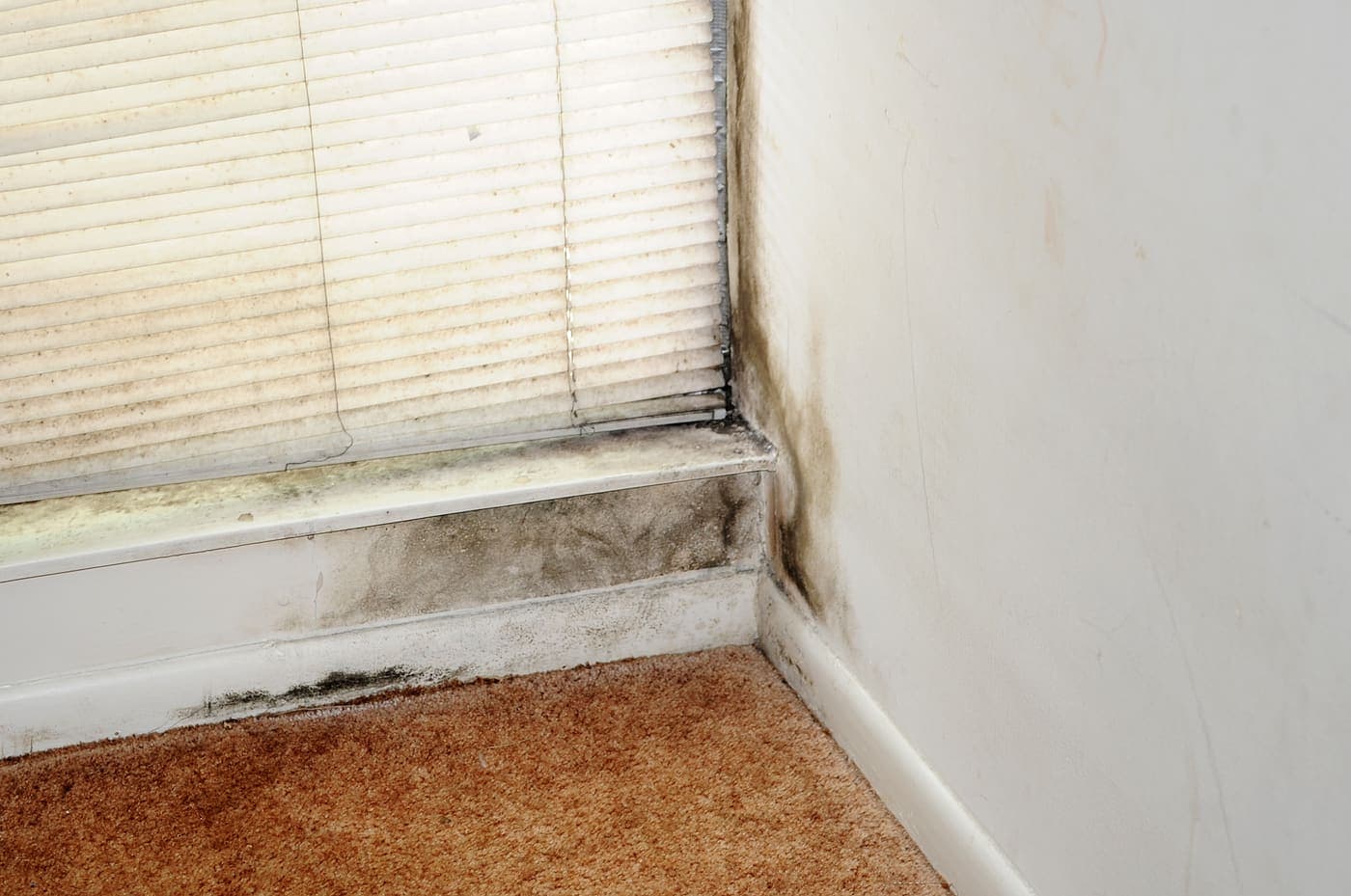
What Black Mold Removal Looks Like

Black Mold Removal Questions
Is black mold really more dangerous than other molds?
Any mold growing indoors should be removed, but dark-pigmented species like Stachybotrys are associated with heavier mycotoxin production and tend to indicate long-term water intrusion.
People with asthma, allergies, or weakened immune systems are most affected. The color matters less than the cause: a black mold colony means a moisture problem that has existed for weeks or months.
Should I test the mold before removing it?
If visible mold is growing, the EPA does not require species testing before removal — the protocol is the same.
Testing adds value when you need documentation for a real-estate transaction or a landlord dispute, or when post-remediation clearance verification is required. Many homeowners skip pre-testing and put that budget toward proper removal.
Can I remove black mold myself?
The EPA guideline is that homeowners can handle mold patches under about 10 square feet on non-porous surfaces.
Black mold on drywall, insulation, or wood framing exceeds DIY territory: disturbing a colony without containment spreads spores through the whole house. Professional removal uses negative air pressure and HEPA filtration to keep spores out of clean rooms.
What does black mold removal cost?
Typical residential projects run $1,000–$6,000 depending on the size of the colony, how much material must be removed, and whether HVAC systems are involved.
A small contained wall section sits at the low end; attic or crawl-space colonies with insulation replacement reach the high end. Correcting the moisture source is usually a separate line item worth budgeting.
Will black mold come back after removal?
Not if the moisture source is corrected. Mold cannot grow on dry material.
Reputable crews fix or refer the leak repair, verify materials are at dry-standard moisture levels before closing walls, and many offer clearance testing that documents spore counts back at normal levels. If mold returns, water is still getting in somewhere.
Who do I call right now for water damage?
Call (888) 840-6512. The line is answered 24 hours a day, seven days a week, and connects you with an IICRC-certified water damage restoration company that serves your area.
Describe what you can see — where the water is coming from, how long it has been there, and whether it smells — and the dispatcher routes you to a crew that handles that kind of loss. If the source is a pipe or an appliance, shut the main water valve first; the call itself takes under two minutes.
HearthDry is an independent resource. We do not perform restoration work. We connect homeowners with licensed, IICRC-certified third-party contractors. Cost ranges are estimates only. Verify contractor licensing before hiring.