
Written & reviewed by Marcus ReedIICRC WRT
Reviewed September 4, 2026· Next review Mar 2027
Quick answer
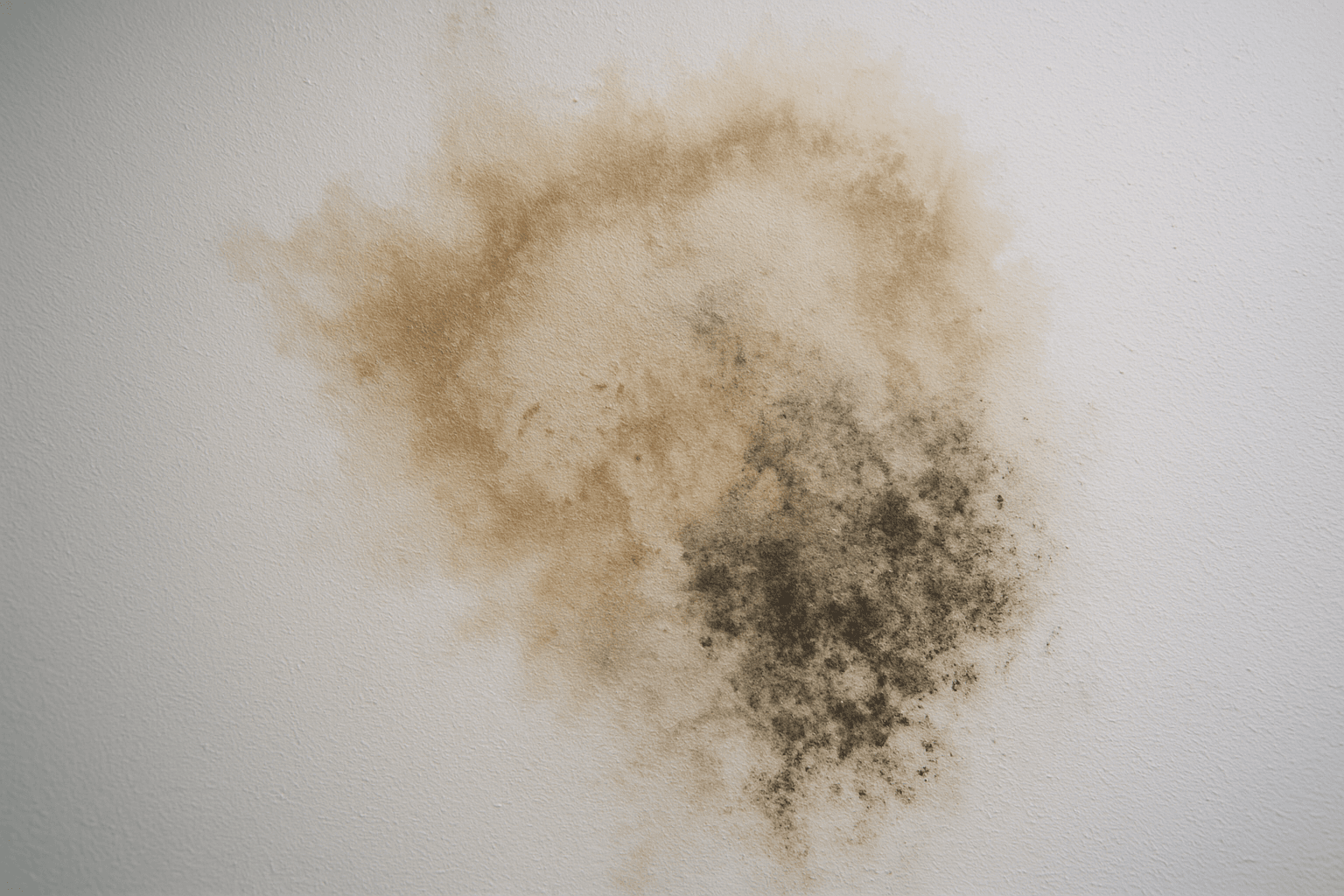
Two questions decide it: is the drywall PAINTED, and did it get WET? Light surface bloom on well-painted drywall (mold sitting on the paint film, usually from room humidity) can often be cleaned and repainted after the humidity is fixed. But mold on unpainted drywall, any growth after the panel was soaked, staining that bleeds through paint, or softness to the touch means the organism is IN the gypsum's paper facing — and colonized drywall gets cut out and replaced, because roots inside the material regrow through any cleaning. That's why water-damage pros flood-cut wet walls instead of praying over them with bleach.
Sound like your situation? Confirm it in one call instead of ten more minutes of reading — (888) 840-6512 · toll-free · no obligation
Drywall is mold's favorite food — paper facing plus moisture equals colony. When surface cleaning is legitimate, when cutting is the only honest fix, and how pros decide in thirty seconds.
The Short Answer
Two questions decide it: is the drywall PAINTED, and did it get WET? Light surface bloom on well-painted drywall (mold sitting on the paint film, usually from room humidity) can often be cleaned and repainted after the humidity is fixed. But mold on unpainted drywall, any growth after the panel was soaked, staining that bleeds through paint, or softness to the touch means the organism is IN the gypsum's paper facing — and colonized drywall gets cut out and replaced, because roots inside the material regrow through any cleaning. That's why water-damage pros flood-cut wet walls instead of praying over them with bleach.
What This Page Covers
Painted drywall vs bare gypsum, surface bloom vs root growth: the two questions that decide whether moldy drywall is cleanable, the flood-cut rule for wet walls, and what replacement actually involves.
Talk to a water damage pro now
Avg 45-min response · Free call · Your ZIP routes you to the nearest crew
(888) 840-6512- Describe the damage & give your ZIP
- You're routed to the on-call local crew
- They quote — you decide, no obligation
If the Mold Followed a Leak
Stop the water at the fixture valve or the main, cut power to wet rooms at the breaker if you can reach the panel safely, move what you can out of the water, and photograph everything before it is touched. Water that has reached carpet pad, drywall or a subfloor is a same-day restoration call rather than a cleanup: mold can establish on wet materials within 24–48 hours, and every hour of delay moves materials from "dry it" to "replace it."
Before You Sign Anything
Ask for a written scope and the pricing basis, who is fixing the water source and when, and what the moisture readings are — a company that does not take readings is not drying. Sudden, accidental water damage (a burst pipe, a failed supply line, an appliance leak) is usually covered by homeowners insurance; long-term leaks, neglected maintenance and rising outside water usually are not. Document first, then call the restoration company, then the insurer.
Reading to confirm what you already suspect?
Confirm it in two minutes instead — the pro on this line answers questions about YOUR situation all day: what it is, what it should cost, whether you even need service. If you want, they'll set the appointment on the same call.
Toll-free · no obligation · asking costs nothing
Frequently Asked Questions
- 1wipe test — surface bloom on paint smears off onto a damp cloth, embedded growth stays put or reveals staining beneath
- 2firmness — press gently: sound drywall is rigid, colonized wet drywall feels soft or papery
- 3history — if that wall ever got soaked (leak, overflow, flood) and wasn't professionally dried, assume in-material growth until readings prove otherwise.
How do I tell surface mold from mold IN the drywall?
Three tests:
Can black mold on drywall ever be removed without cutting?
Only when it's genuinely superficial: dark growth ON the paint film of a sound, dry, painted wall — typically condensation-fed bathroom or closet bloom. Clean with detergent or peroxide, fix the humidity, monitor.
The moment it's post-flood, on bare gypsum, or recurring, 'removal' means the S520 answer: cut out under containment, treat the framing, verify dry, close with new board.
What is a flood cut and why do pros always do it?
Cutting drywall to a set height (commonly 12–24 inches ABOVE the visible water line) after a wall gets soaked.
It looks brutal and it's the honest move: wicking carries water up inside the panel well past what you can see, the cavity behind needs airflow to dry, and insulation that got wet is done regardless. The cut trades one clean rebuild for years of hidden-colony roulette.
How much drywall has to come out for mold?
The rule is colonized-plus-margin: visibly affected board plus a buffer into clean material (commonly around 12 inches), with the cavity inspected as you go — growth on the BACK of drywall is routinely worse than the front. Small isolated patch = one section; wall that stood in water = flood cut along its length.
Is moldy drywall dangerous to remove myself?
Small dry sections with N95, gloves, plastic sheeting and bagged disposal — manageable for a confident DIYer.
Large areas, post-flood walls, or any suspicion of Stachybotrys ('black mold' after chronic wet) call for containment and negative air, because demolition without it broadcasts spores through the house — the classic way a one-room problem becomes a whole-home one.
What does professional drywall mold removal cost?
It scales with area, cavity involvement and the moisture source fix — contained single-wall jobs sit in the low four figures nationally, multi-room or structural cases higher.
The pro on the line scopes YOUR wall specifically and explains the cost before anything starts; independent inspection first is the cheap insurance against over-scoped quotes.
Sources
Methodology: How we source and verify data · Report an error
Disclaimer: HearthDry is an independent educational resource. This article is for informational purposes only and does not constitute professional, legal, or insurance advice. Consult licensed professionals before making decisions about your property or insurance claims.
Recommended Equipment
Tools Water Damage Pros Use
Remove moisture fast — needed for drying walls, floors & crawlspaces
Shop on Amazon →Professional-grade air circulation speeds drying time by 3–5x
Shop on Amazon →Detect hidden moisture behind walls & under floors before mold starts
Shop on Amazon →Smart alarms alert you the moment a leak starts — prevent next time
Shop on Amazon →As an Amazon Associate, HearthDry earns from qualifying purchases. Prices and availability may vary.
