
Sewage Backup Cleanup Services Near You
Sewer backup, septic backup and sewage extraction, decontamination, and restoration
Category 3 biohazard cleanup by certified crews — containment, extraction, EPA-registered disinfection, and safe disposal. Answered 24/7.
Not sure who to call first? See the correct call order guide →
The service
What you get when you call for sewage backup cleanup
- Containment of the affected area to stop cross-contamination
- Extraction and removal of everything porous the sewage touched
- Disinfection with EPA-registered products and HEPA air scrubbing
- Structural drying and odour treatment
- Documentation of the source and damage for your claim
A home that is safe to live in again — verified, not just cleaned.
Call now if
- Sewage or drain water is on any floor or in any room
- A basement floor drain has backed up
- Anyone in the home has touched or breathed near it
Answered 24/7 · costs explained before any work · no obligation
Is this your situation?
Signs you need sewage backup cleanup
- Waste water on any floor or in a tub or shower
- The basement floor drain backing up
- Gurgling from other drains when one is used
- A sewage smell indoors
- Backups that track heavy rain
Recognize more than one? Call (888) 840-6512 and describe what you're seeing — the pro tells you what it is before anything is agreed.
How the work is done
Sewage Backup Cleanup, step by step
Every crew in this network works to IICRC S500, the written industry standard — so the sequence is the same whoever arrives.
- 1
Contain
the area sealed, protective equipment in use
- 2
Extract
sewage out, contaminated porous materials bagged and removed
- 3
Disinfect
EPA-registered products on every surface
- 4
Dry and scrub
structural drying with HEPA air filtration
- 5
Verify and document
surfaces safe, photos and report for the claim
Why this line
Three ways to handle sewage backup cleanup — two cost more than they look
Calling companies yourself
- Dial down a list until someone answers
- Each one scopes and quotes differently
- License and insurance checks are on you
- Nights and weekends go to voicemail
Waiting to see
- Mold starts within 24–48 hours on wet material
- Hidden moisture keeps spreading
- Insurers question delayed mitigation
- A drying job becomes a rebuild
One call to this line
- Describe it once — routed to a pro covering your ZIP
- IICRC-certified, licensed and insured companies
- Costs explained before anything is agreed
- Answered 24/7, menu first, then a person
Pros in this network carry

Insurance and paperwork
Sewer and drain backup is excluded from most policies by default and covered only with a specific rider — check yours today. If you carry it, the crew's documentation supports the claim; ask on the call.
The complete claims guide →Answered right now
Two minutes on the phone beats an hour of reading.
Your arrival window, your scope, your ballpark — before anything is agreed.
Call (888) 840-6512Understanding the problem
About sewage backup cleanup
A sewer backup — the main line, a septic system or a storm-overwhelmed municipal sewer pushing waste back up through the lowest drains in the house — is a Category 3 biohazard emergency requiring immediate professional response. Services include sewage extraction with industrial equipment, full decontamination with EPA-registered disinfectants, HEPA air scrubbing, material removal, and documentation for insurance claims.
Quick answer
Sewer backup cleanup — whether the water came from the municipal main, a septic system or a blocked house line — handles Category 3 water, which carries pathogens and cannot simply be dried. Porous materials the sewage touched — carpet, pad, drywall, insulation — are removed rather than salvaged, and surfaces are disinfected under containment with HEPA filtration. Typical cost is $2,000–$10,000 over about five days. This is not safe DIY work beyond a very small contained spill. Call (888) 840-6512 to reach a certified water damage restoration company in your area; the line is answered 24/7.
Common Causes of Sewage Backup Cleanup
- Municipal sewer system backup
- Root infiltration
- Blocked main line
- Heavy storm overwhelm of sewer capacity
- Aging infrastructure failure
Your first moves before the crew arrives
- 1Evacuate everyone from the affected area immediately. Sewage contains E. coli, Salmonella, Hepatitis A, Norovirus, and other serious pathogens. Keep children, elderly individuals, and immunocompromised people out of the area entirely until professional cleanup is complete.
- 2Shut off the water supply to stop flow. Turn off the main water supply to prevent additional water from entering drain lines and worsening the backup. Do not run any drains, toilets, or appliances until the blockage is cleared.
- 3Do not use any drains or toilets in the home. Using any drain in the home pushes more sewage into already-backed-up lines. This can worsen the backup and spread contamination further. Wait for professional clearance.
- 4Document the contamination for insurance. Photograph the extent of sewage backup, water lines, and all affected materials. Note the time of discovery. Check your homeowners policy for a sewer backup rider — coverage depends on having this endorsement.
- 5Call a certified sewage cleanup company. Category 3 sewage remediation requires professional-grade PPE, EPA-registered disinfectants, proper disposal of all porous materials (drywall, carpet, insulation), and post-remediation testing. Do not attempt DIY cleanup.
What Sewage Backup Cleanup Looks Like
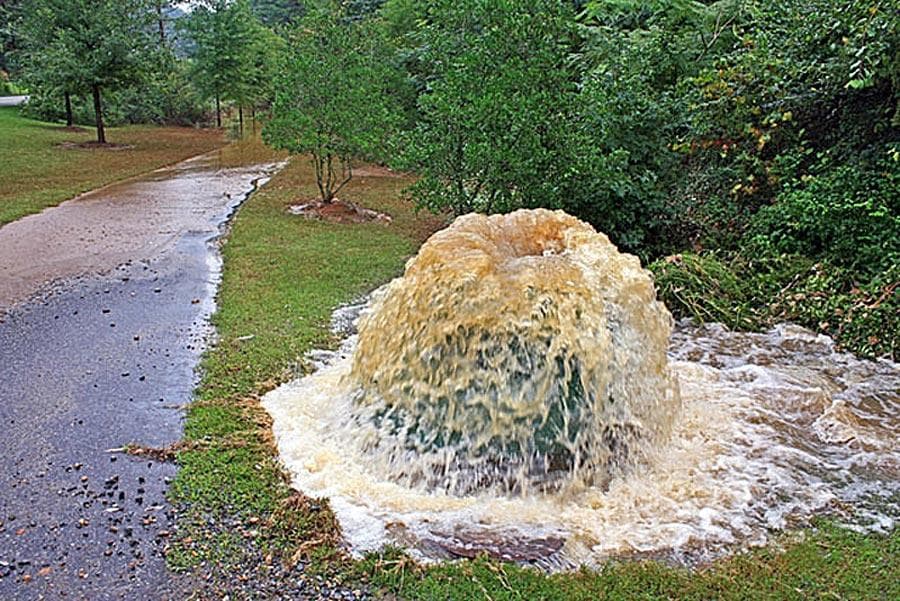
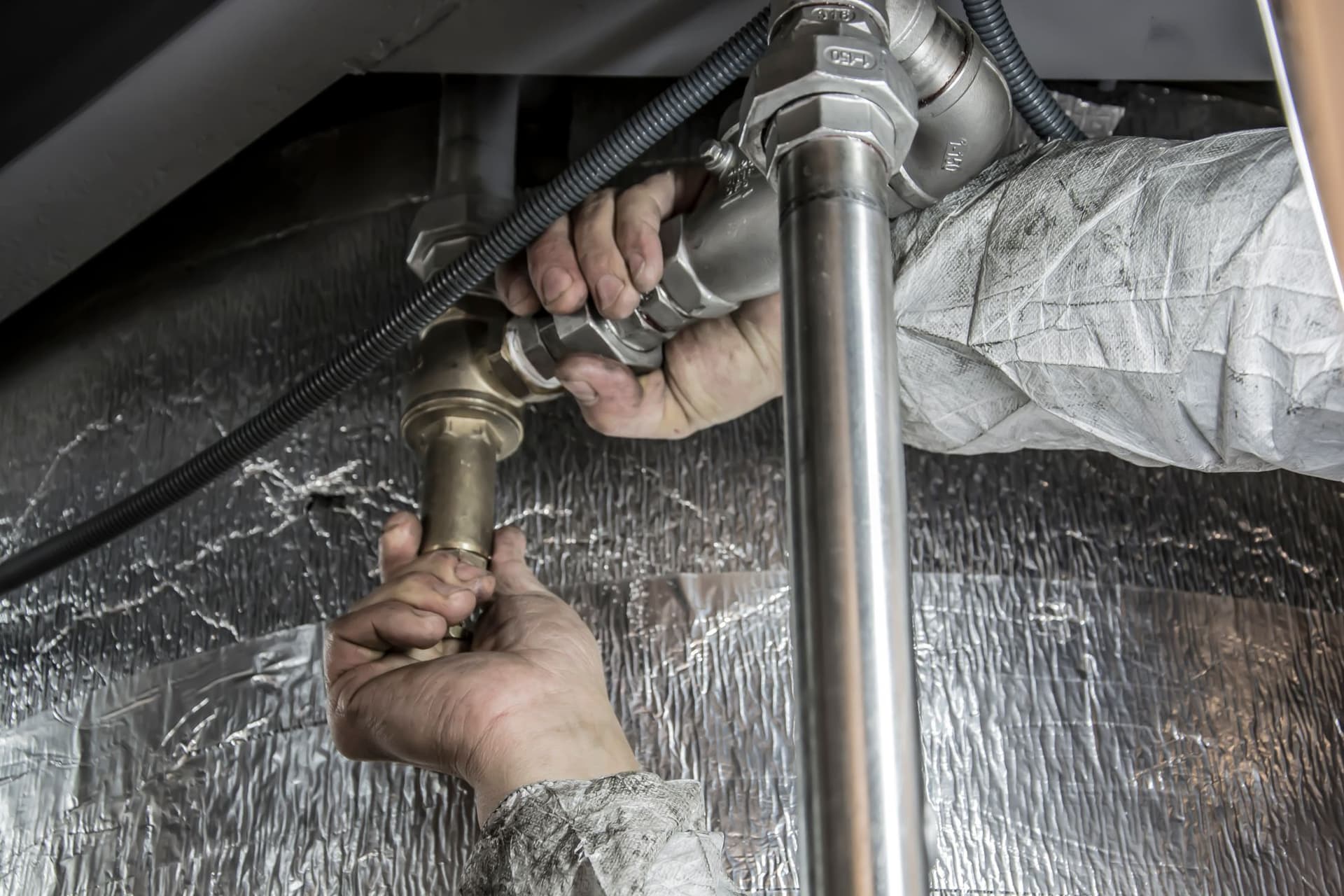
Sewage Backup Cleanup by City
Sewage Backup Cleanup Questions
Is sewage backup dangerous to my health?
Sewage backup is classified as Category 3 (black water) and contains E. coli, hepatitis A, Cryptosporidium, and other pathogens that can cause serious illness.
Evacuate the affected area, avoid contact, and call restoration professionals immediately. Do not use sinks, toilets, or drains in the home until the system is cleared.
Does homeowners insurance cover sewage backup?
Standard homeowners policies typically exclude sewage backup. However, many insurers offer a sewer backup rider (usually $5–15/year) that covers it. Check your policy declarations page specifically. If you have the rider, call your insurer before cleanup begins.
How long does sewage cleanup take?
Most residential sewage backup remediation takes 3–5 days: Day 1 extraction and decontamination; Days 2–4 drying and antimicrobial treatment; Day 5 post-remediation testing and clearance. Complex cases with structural damage take longer.
How do I prevent sewage backup from happening again?
The most effective prevention measure depends on the cause. For tree root infiltration (the most common cause in homes over 20 years old): schedule a sewer scope inspection (camera inspection of your main sewer lateral, $150–$300) every 3–5 years; cut trees within 20 feet of your main line or reline the pipe with CIPP (cured-in-place pipe lining).
For municipal sewer overloads during heavy rain: install an overhead sewer conversion or a backwater valve on your main drain line — a backwater valve prevents municipal sewer water from flowing backward into your home during overflow events. For chronic slow drains: annual hydrojetting clears grease and debris buildup that leads to clogs. Most municipalities offer sewer backup prevention grants or cost-sharing programs — check with your local public works department.
What items are always non-salvageable after sewage backup and must be discarded?
IICRC S500 requires immediate disposal of all porous materials that came into contact with Category 3 (sewage) water: carpet and carpet pad (no exceptions), drywall from the floor up to 2 feet above the water line (or to the ceiling for significant backups), fiberglass or cellulose insulation, all upholstered furniture, mattresses, box springs, pillows, clothing that cannot be commercially laundered, and particle board or MDF furniture and cabinets.
Semi-porous materials (wood furniture, hardwood flooring) require professional assessment. Non-porous materials (ceramic tile, concrete, metal fixtures) can be cleaned and disinfected. Do not attempt to save porous materials from sewage contact — the biohazard risk cannot be eliminated through consumer cleaning products.
What is emergency sewage extraction, and how fast does it have to happen?
Sewage extraction is the removal of Category 3 water — contaminated water carrying bacteria and, depending on the source, viruses and parasites. It is the first stage of the job and it is not a mop-and-disinfect: crews extract under containment in protective equipment, remove every porous material the water touched rather than drying it, treat the structure with EPA-registered antimicrobials, and dry to documented moisture readings.
The clock matters. Contamination spreads through porous materials by the hour, and what could have been removal in the first day becomes demolition by the third.
What do I do if the sewer is backing up into my house?
Stop using water anywhere in the house — every flush, shower and load of laundry upstream of the blockage comes back up through the lowest drain, usually a basement floor drain, a tub or a ground-floor toilet. Keep people and pets out of the room, cut the power to it at the breaker if the water is near outlets, and photograph it before anything is touched.
Then make two calls: a plumber or the city to clear the line, and a certified restoration company for the cleanup, because what came up is Category 3 water and the room has to be decontaminated, not mopped. If the backup happened during a storm and neighbors have it too, the municipal main is overwhelmed and the utility needs to hear about it the same day for the claim.
Is a septic backup cleaned up the same way as a sewer backup?
YesThe cleanup is identical, because the water is the same category. A septic backup means the tank is full, the drain field is saturated or the line to the tank is blocked, and waste comes back into the house through the lowest fixture exactly as a municipal sewer backup does.
The restoration work — extraction, removal of porous materials, disinfection under containment, air scrubbing, drying — does not change. What changes is who fixes the cause: a septic pumping and repair service rather than the city, and the insurance question, because septic systems are the homeowner's property and a backup from one is usually covered only under a water-backup endorsement.
Sewer backup or sewage backup — is there a difference?
No“Sewer backup” describes where the water came from — the sewer line — and “sewage backup” describes what the water is.
Restoration companies, insurers and the IICRC standard all treat them as one event: Category 3 contaminated water entering the home through the drains. Whichever words you use when you call, the response is the same and it is the urgent one.
Who do I call right now for water damage?
Call (888) 840-6512. The line is answered 24 hours a day, seven days a week, and connects you with an IICRC-certified water damage restoration company that serves your area. Describe what you can see — where the water is coming from, how long it has been there, and whether it smells — the more specific you are, the faster the right company is on the line.
If the source is a pipe or an appliance, shut the main water valve first. Have four things ready and the call goes quickly: the address, when the water started, what is wet now, and whether you have filed an insurance claim.
Still not sure which of these is your situation? (888) 840-6512 · toll-free · answered 24/7
HearthDry is an independent resource. We do not perform restoration work. We connect homeowners with licensed, IICRC-certified third-party contractors. Cost ranges are estimates only. Verify contractor licensing before hiring.