
Crawl Space Encapsulation Services Near You
Vapor barrier installation, dehumidification, and full crawl space waterproofing
Seal the crawl space and the moisture stops — vapor barrier, drainage and dehumidification by crews who measure the result.
Response
ASAP
24/7 dispatch
Cost
Depends
on your job
Duration
Varies
by the damage
Your three numbers take one call — no obligation.
Not sure who to call first? See the correct call order guide →
The service
What you get when you call for crawl space encapsulation
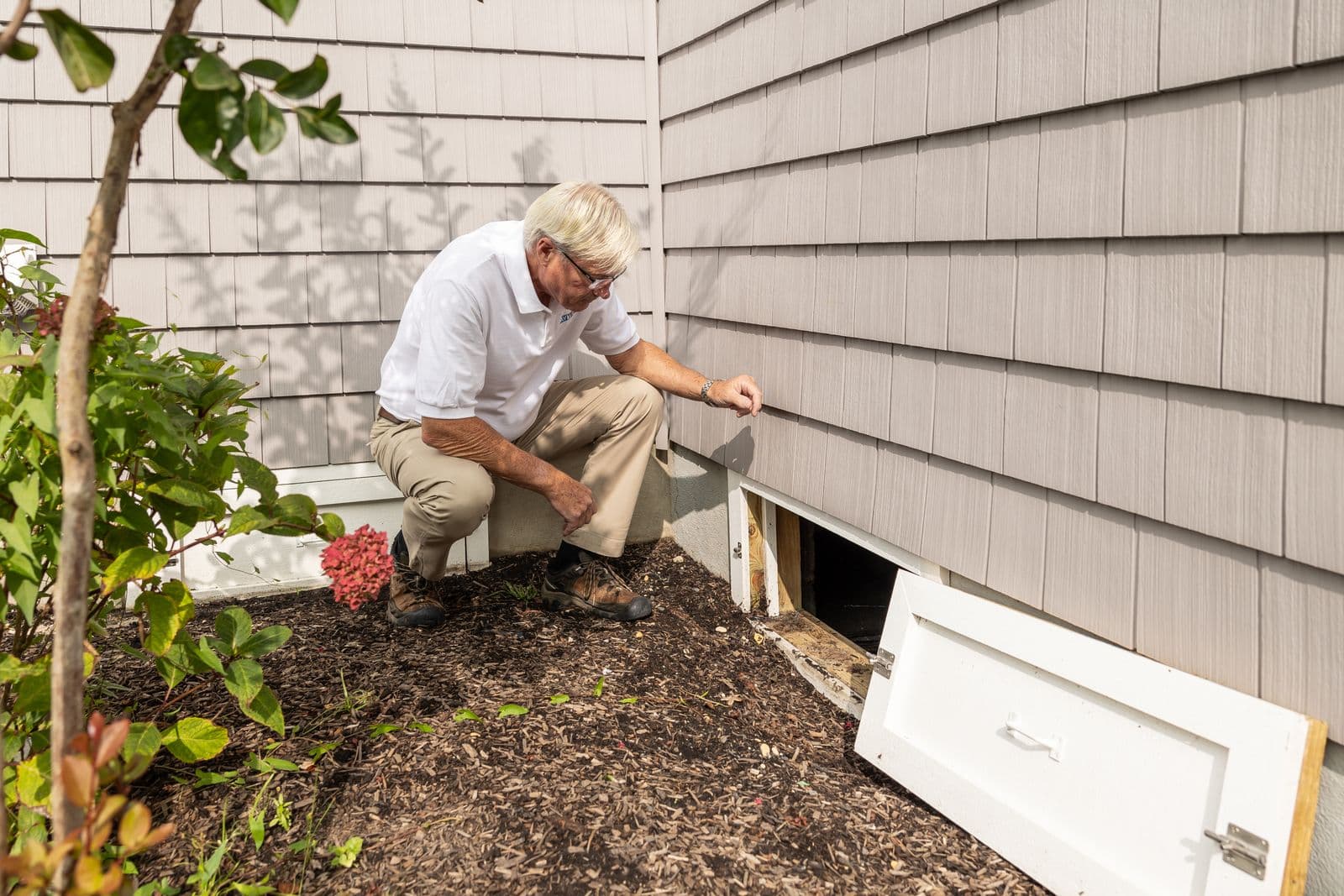
- Moisture and mold assessment of joists, insulation and soil
- Removal of standing water and damaged insulation
- Heavy-duty vapor barrier sealed across floor and walls
- Drainage and sump where water enters; a dehumidifier sized to the space
- Verification readings so the fix is measured, not assumed
A dry crawl space and a house that stops smelling like one.
Call now if
- Musty smell in the house with no obvious source
- Sagging floors, or moisture on joists
- Standing water or damp soil under the house
Answered 24/7 · costs explained before any work · no obligation
Is this your situation?
Signs you need crawl space encapsulation
- Musty air in the rooms above with no source you can find
- Damp soil or condensation under the house
- Insulation sagging or falling from the joists
- Floors that feel cold, soft or springy
- Humidity you cannot get below 60% indoors
Recognise more than one? Call (888) 840-6512 and describe what you're seeing — the pro tells you what it is before anything is agreed.
How the work is done
Crawl Space Encapsulation, step by step
Every crew in this network works to IICRC S500, the written industry standard — so the sequence is the same whoever arrives.
- 1
Assess
wood moisture, mold, water entry points
- 2
Clear
water out, damaged materials removed
- 3
Seal
vapor barrier fitted and sealed at seams and piers
- 4
Control
drainage, sump and dehumidification installed
- 5
Verify
humidity and wood-moisture readings confirm the result
Why this line
Three ways to handle crawl space encapsulation — two cost more than they look
Calling companies yourself
- Dial down a list until someone answers
- Each one scopes and quotes differently
- Licence and insurance checks are on you
- Nights and weekends go to voicemail
Waiting to see
- Mold starts within 24–48 hours on wet material
- Hidden moisture keeps spreading
- Insurers question delayed mitigation
- A drying job becomes a rebuild
One call to this line
- Describe it once — routed to a pro covering your ZIP
- IICRC-certified, licensed and insured companies
- Costs explained before anything is agreed
- Answered 24/7 by a live person
Pros in this network carry



Insurance and paperwork
Encapsulation is prevention, so it's usually not an insurance item — but the water damage that prompted it may be. Ask the pro on the call which parts of your situation are claimable.
The complete claims guide →Answered right now
Two minutes on the phone beats an hour of reading.
Your arrival window, your scope, your ballpark — before anything is agreed.
Call (888) 840-6512Understanding the problem
About crawl space encapsulation
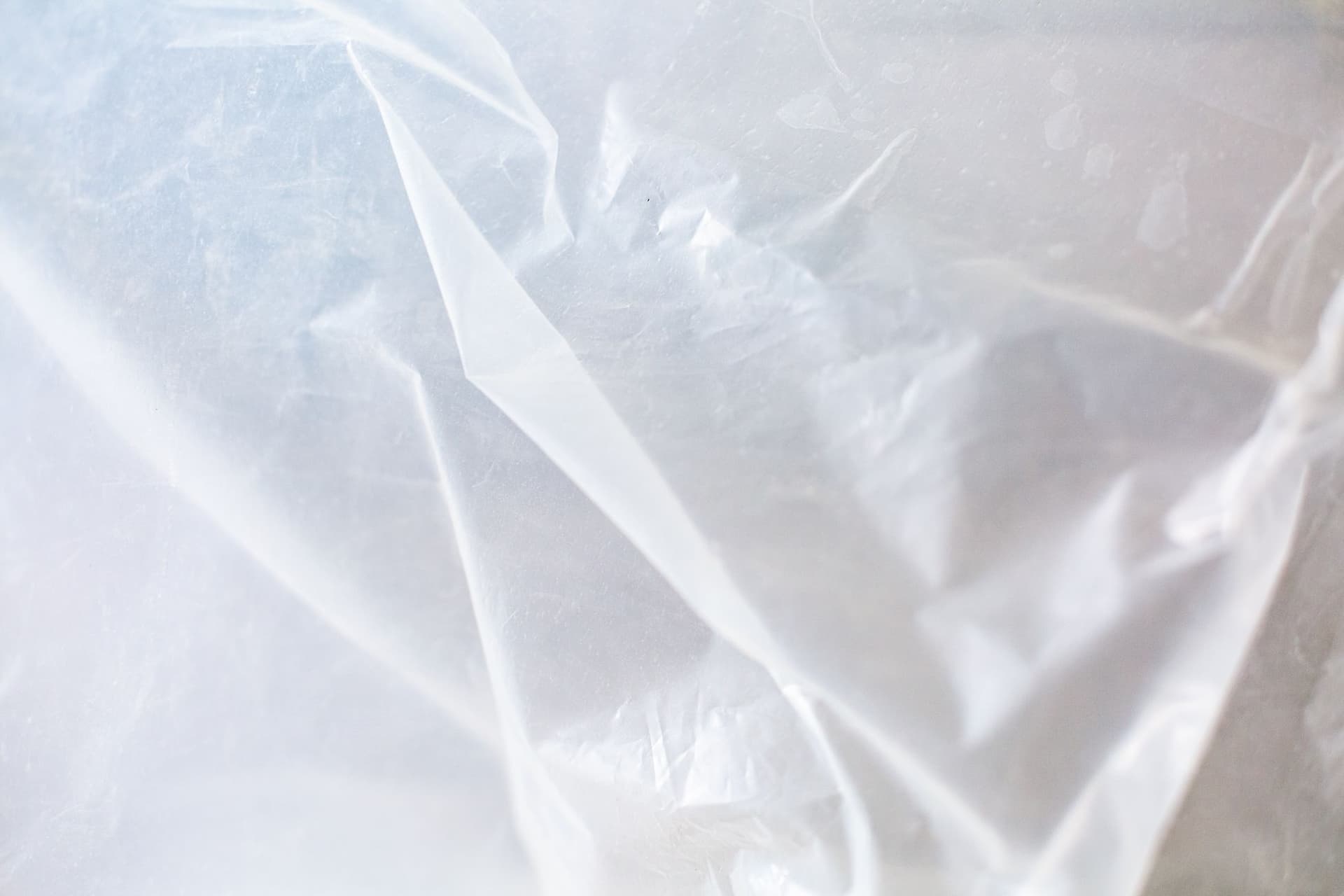
Crawl space encapsulation seals the crawl space from ground moisture using a heavy-duty polyethylene vapor barrier (6–20 mil), sealed foundation vents, conditioned dehumidification, and insulated walls. The result: a dry, clean crawl space that protects floor joists from rot, prevents mold from rising into living spaces, lowers energy bills, and maintains healthy indoor air quality. IICRC-certified moisture control technicians assess wood moisture content, humidity levels, and existing mold before recommending an encapsulation system.
Quick answer
Crawl space encapsulation seals the space from ground and outside moisture with a heavy vapor barrier on the floor and walls, taped seams, and usually a dedicated dehumidifier. Typical cost is $1,500–$15,000 depending on size and whether drainage is included. Standing water or existing mold must be resolved first — encapsulating over either seals the problem in. Call (888) 840-6512 to reach a certified water damage restoration company in your area; the line is answered 24/7.
Common Causes of Crawl Space Encapsulation
- Rising ground moisture through open crawl space vents
- Mold and wood rot on floor joists from chronic high humidity
- Musty odors throughout the home from crawl space air infiltration
- High heating and cooling bills from unconditioned crawl space
- Pest entry through vents and gaps in crawl space perimeter
- Existing water damage restoration requiring moisture control to prevent recurrence
Your first moves before the crew arrives
- 1Moisture and mold assessment. A certified technician measures wood moisture content in floor joists (target: below 19% IICRC S500 standard), ambient relative humidity, and inspects for existing mold. Any active mold on floor joists must be remediated before encapsulation — encapsulating over mold traps it and can worsen the problem. Existing standing water is extracted and the crawl space dried to acceptable moisture levels first.
- 2Debris removal and surface preparation. Existing vapor barrier (if any), debris, insulation hanging below the floor joists, and pest evidence is removed and disposed of. The ground is leveled as needed for proper barrier drainage to any installed sump or drainage points. Any foundation vent screens are inspected and closed or sealed depending on the encapsulation design (conditioned vs. sealed-vent approach).
- 3Vapor barrier installation. A heavy-duty polyethylene vapor barrier (minimum 6 mil, premium systems use 12–20 mil reinforced barriers) is installed across the entire ground surface and up the foundation walls 6–12 inches. Seams are overlapped 6–12 inches and sealed with butyl tape. The barrier is mechanically fastened to foundation walls. Penetrations for plumbing, HVAC, and structural posts are cut, fitted, and sealed.
- 4Dehumidifier installation and drainage. A commercial-grade crawl space dehumidifier rated for the space volume is installed with an auto-drain line connected to a sump pump or exterior drain. Consumer-grade dehumidifiers are inadequate for crawl spaces — they lack the CFM capacity and humidity sensing accuracy to maintain below-60% RH in a sealed crawl space. The dehumidifier is set to maintain 50–55% relative humidity year-round.
- 5Final inspection and moisture verification. A post-installation moisture reading at every joist bay and ground monitoring point confirms the system is functioning. Technicians document baseline moisture levels and set a 30-day follow-up inspection. Most professional encapsulation companies provide a transferable warranty on the system, which adds value at resale.
What Crawl Space Encapsulation Looks Like
Crawl Space Encapsulation by City
Crawl Space Encapsulation Questions
How much does crawl space encapsulation cost?
Crawl space encapsulation typically costs $1,500–$15,000 depending on crawl space size, existing moisture damage, and system components. A basic 1,000 sq ft crawl space with a 6-mil vapor barrier and sealed vents averages $1,500–$4,000.
Full encapsulation with a 20-mil barrier, spray foam insulation on walls, a commercial-grade dehumidifier, and drainage matting averages $6,000–$15,000 for a standard home. In areas with severe mold or wood rot, pre-remediation adds to the total before encapsulation can begin.
Does homeowners insurance cover crawl space encapsulation?
Crawl space encapsulation itself is considered a preventive upgrade and is generally not covered by homeowners insurance. However, if the need for encapsulation was caused by a sudden, covered water damage event (burst pipe, appliance failure), your insurance may cover moisture remediation as part of the claim — and encapsulation may be required as a preventive measure to restore the home to pre-loss condition.
Ask your adjuster specifically whether encapsulation is included in your restoration scope. Most policies exclude gradual moisture damage or pre-existing mold.
How long does crawl space encapsulation last?
A professionally installed crawl space encapsulation system lasts 20–25 years with the vapor barrier and 10–15 years with the dehumidifier before servicing. Annual inspection is recommended to check for barrier punctures, drainage clogs, and dehumidifier filter condition.
The most common failure point is the barrier seam and wall connection — professional installation using butyl tape and mechanical fasteners at seams lasts significantly longer than consumer-grade stapled installations.
What is the difference between a vented and a sealed crawl space, and which is better?
A vented crawl space has foundation vents that allow outside air to circulate — historically recommended to reduce humidity, but building science research over the past two decades has shown this approach fails in most climates. In humid regions (Southeast, Gulf Coast, Pacific Northwest), outdoor air entering the crawl space is MORE humid than the cool crawl space air, causing condensation on cold surfaces and accelerating mold and wood rot.
A sealed (encapsulated) crawl space closes all foundation vents and conditions the space with a dehumidifier and vapor barrier, maintaining controlled humidity regardless of outdoor conditions. Most building codes now allow sealed crawl spaces, and Building Science Corporation research (BSC-01) recommends sealed crawl spaces in all climate zones except arid regions (Phoenix, Las Vegas, Albuquerque). If you are in an arid climate, a vented crawl space may be acceptable; everywhere else, encapsulation is the superior long-term approach.
What mil thickness vapor barrier should I use for crawl space encapsulation?
Minimum effective thickness for crawl space vapor barriers is 6 mil — but 12 mil reinforced or 20 mil reinforced barriers offer significantly better durability against punctures from foot traffic, equipment, and pest activity. The difference in total installed cost between 6 mil and 20 mil barrier on a 1,200 sq ft crawl space is typically $800–$1,500 — a reasonable investment given that a barrier puncture that goes undetected for a season can allow enough moisture infiltration to cause mold on floor joists ($3,000–$8,000 remediation).
Professional encapsulators typically use 12–20 mil reinforced polyethylene barriers sealed with butyl tape at seams and mechanically fastened at foundation walls. Consumer-grade 6 mil barrier from a hardware store is appropriate only for temporary applications or accessory buildings — not for a home's primary moisture control system.
Is crawlspace encapsulation the same thing as crawl space encapsulation?
YesOne word or two, it is the same work: a heavy sealed liner over the soil and up the walls, vents closed, and a dehumidifier holding the space at a controlled humidity.
The distinction worth making is not the spelling but the scope. Encapsulation seals a space that is already dry. If the crawl space is wet now, the water has to come out and the source has to be found first, or the liner traps the moisture instead of excluding it.
Do I need crawl space insulation or encapsulation?
They answer different problems and are often confused. Insulation slows heat moving through the floor above; encapsulation stops moisture moving up from the soil.
Insulation put into a damp crawl space absorbs the moisture, sags off the joists and grows mold on its facing — which is why crews so often pull out wet batt insulation before doing anything else. If the space is damp, encapsulate first; insulate afterwards, if at all.
Who do I call right now for water damage?
Call (888) 840-6512. The line is answered 24 hours a day, seven days a week, and connects you with an IICRC-certified water damage restoration company that serves your area.
Describe what you can see — where the water is coming from, how long it has been there, and whether it smells — and the dispatcher routes you to a crew that handles that kind of loss. If the source is a pipe or an appliance, shut the main water valve first; the call itself takes under two minutes.
HearthDry is an independent resource. We do not perform restoration work. We connect homeowners with licensed, IICRC-certified third-party contractors. Cost ranges are estimates only. Verify contractor licensing before hiring.