
Quick answer
Crawl space encapsulation reliably fixes ground moisture, musty odour rising into the house, and humidity-driven joist mold, and it meaningfully reduces pest entry and heat loss through the floor. It only partly helps with radon — it can redirect soil gas and needs a vent pipe and fan to actually mitigate. It does not fix standing water, active plumbing leaks, or structural damage that has already occurred; those must be corrected first. Call (888) 840-6512 to reach a certified water damage restoration company in your area; the line is answered 24/7.
Written & reviewed by Marcus ReedIICRC WRT
Reviewed August 17, 2026· Next review Feb 2027
The Four Things It Is Sold On
Walk through a crawl space quote and you will hear four benefits: moisture control, radon reduction, pest exclusion, and lower heating bills. Three of those are fair. One is oversold. And there is a short list of problems a sealed liner will never touch, which no contractor is going to lead with.
| Claim | Reality |
|---|---|
| Stops ground moisture | True — this is the core job and it works |
| Ends musty odour upstairs | True — crawl space air rises through the house |
| Stops joist mold | True, with humidity control — liner alone is not enough in humid climates |
| Keeps pests out | Partly — removes the habitat, not every entry point |
| Reduces radon | Partly — needs a vent pipe and fan to actually mitigate |
| Lowers energy bills | Modestly — real, but rarely the payback figure quoted |
What It Genuinely Fixes
Ground moisture. Bare soil under a house evaporates gallons of water upward every day. That vapor condenses on cool joists and subfloor, and it is the single largest moisture source in most homes with crawl spaces. A sealed liner stops it at the source — this is the part that unambiguously works.
Musty air in the living space. Air moves upward through a house by the stack effect, which means a damp crawl space is not a contained problem. Sealing the space and controlling its humidity removes the odour at its origin rather than masking it upstairs.
Humidity-driven joist mold. Hold the space under 55% relative humidity and the growth cycle stops. Note the condition: the liner handles the soil, but in humid climates a dedicated crawl space dehumidifier is what holds the number. Encapsulation quotes that omit dehumidification in a humid region are quoting half the system.
Where It Only Partly Helps
Radon. A sealed liner blocks the easiest path for soil gas, and sealed crawl spaces do test lower. But the liner also traps gas beneath it, which is why a proper radon system runs a vent pipe under the liner to a fan that exhausts above the roofline. Encapsulation is not radon mitigation; it is a good foundation for it. Test first — a short-term kit costs very little — and if levels are elevated, have the mitigation designed in rather than bolted on later.
Pests. Sealing the liner, closing the vents and sealing the rim joist removes the warm damp habitat mice and insects were using, and that alone changes a lot. What it does not do is close gaps around utility penetrations, foundation cracks, or a failing access door. And encapsulating over an active infestation seals it in. Exclusion work comes first, then the liner.
Energy. Insulating the crawl space walls with closed-cell foam and sealing the envelope does reduce heat loss through the floor, and floors feel warmer. The savings are real but usually smaller than the payback timelines in a sales quote. Treat comfort and moisture control as the reason; treat the energy saving as a bonus.
Talk to a water damage pro now
Answered 24/7 · Toll-free · answered 24/7 · no obligation
(888) 840-6512- Describe the damage & give your ZIP
- You're routed to the on-call local crew
- They quote — you decide, no obligation
The Three Things It Cannot Fix
Standing water. A liner over water traps it and makes the problem worse, not better. Drainage — a trench, a sump basin, a correctly sized pump and a discharge line routed well away from the foundation — comes first. Any contractor willing to encapsulate over pooled water is telling you something about how they work.
Active plumbing leaks. Sealing the space hides a dripping supply line and delays its discovery by months. Every visible line should be checked and repaired before the liner goes down.
Existing structural damage. Rotted joists, sagging floors, failing piers and a compromised rim joist are repairs, not moisture problems. Sealing a space does not restore wood that has already gone soft, and covering it makes future inspection harder.
Vapor Barrier or Full Encapsulation?
These are different products at different prices, and quotes often blur them.
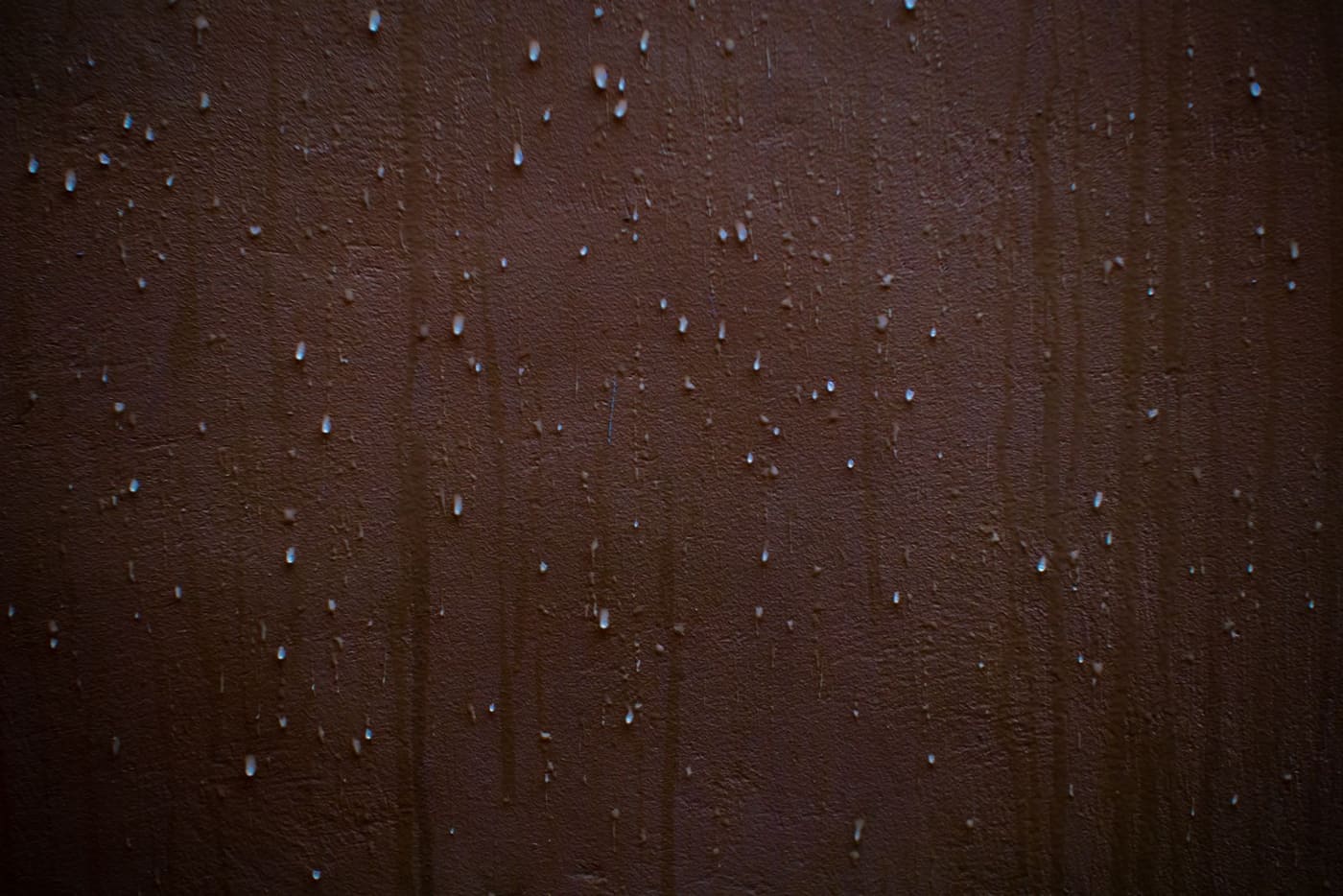
A vapor barrier is plastic over the soil only, usually 6–12 mil, running from a few hundred dollars to about $4,000. It reduces soil moisture and is a reasonable choice for a dry crawl space that just needs the ground covered.
Encapsulation seals the floor *and* the walls with heavier reinforced liner, tapes every seam, wraps the piers, closes the vents, and adds humidity control — $5,000–$15,000. It controls the air in the space, not just the ground.
If the space is dry and you want to stop soil evaporation, the barrier is enough. If humidity, odour or joist mold are the complaint, the barrier alone will disappoint you.
Reading a Quote Honestly
Four line items explain most of the price difference between two encapsulation quotes:
- 1Liner thickness in mils. 6-mil meets many codes but tears; 12-mil survives access; 20-mil reinforced is encapsulation grade.
- 2Walls sealed or floor only. Floor-only is a vapor barrier wearing an encapsulation price tag.
- 3Vents closed and rim joist sealed. Without this the space is still exchanging air with the outdoors.
- 4Dehumidifier included. In a humid climate this is the component that makes the rest work.
Ask for those four in writing and two quotes that looked $6,000 apart usually turn out to be describing two different projects.
Reading to confirm what you already suspect?
Confirm it in two minutes instead — the pro on this line answers questions about YOUR situation all day: what it is, what it should cost, whether you even need service. If you want, they'll set the appointment on the same call.
Toll-free · no obligation · asking costs nothing
Frequently Asked Questions
Does crawl space encapsulation reduce radon?
PartlyA sealed liner blocks the easiest path for soil gas, and studies of sealed crawl spaces show meaningful reductions — but encapsulation alone is not radon mitigation.
Because the liner traps gas beneath it, a proper system adds a vent pipe under the liner and a fan that exhausts above the roofline. If radon is a real concern, test first, then have the mitigation designed into the encapsulation rather than hoping the liner is enough.
Will encapsulation keep mice and pests out of my crawl space?
It helps significantly but is not pest control. Sealing the liner, closing the vents and sealing the rim joist removes the warm damp habitat and most of the easy entry points.
It does not close gaps around utility penetrations, foundation cracks or a failing access door — those need separate exclusion work. Encapsulating over an active infestation seals the problem in, so exclusion comes first.
Is crawl space spray foam insulation worth it?
Closed-cell spray foam on the crawl space walls, paired with a sealed liner, is the more effective approach in most climates because it insulates the space itself rather than the floor above. Expect roughly $2–$5 per square foot.
Fiberglass batts stapled between floor joists are cheaper but fall down, absorb moisture and lose most of their value in a damp crawl space — which is why they are frequently removed during encapsulation.
What is the difference between a vapor barrier and encapsulation?
A vapor barrier is plastic sheeting over the soil only, typically 6–12 mil, costing a few hundred to about $4,000.
Encapsulation seals the floor and the walls with heavier reinforced liner, tapes every seam, closes the vents and adds humidity control — $5,000–$15,000. A vapor barrier reduces soil moisture; encapsulation controls the whole space's air.
What can crawl space encapsulation not fix?
Three things. Standing water — a liner over water traps it and makes it worse, so drainage comes first. Active plumbing leaks — the liner hides them and delays discovery.
And existing structural damage such as rotted joists, sagging floors or failing piers, which must be repaired before anything is sealed. Reputable contractors correct all three before quoting encapsulation.
Who do I call right now for water damage?
Call (888) 840-6512. The line is answered 24 hours a day, seven days a week, and connects you with an IICRC-certified water damage restoration company that serves your area. Describe what you can see — where the water is coming from, how long it has been there, and whether it smells — the more specific you are, the faster the right company is on the line.
If the source is a pipe or an appliance, shut the main water valve first. Have four things ready and the call goes quickly: the address, when the water started, what is wet now, and whether you have filed an insurance claim.
Need it handled now?
Crawl Space Encapsulation — 24/7 Certified Crews
Want it scoped properly — liner grade, walls, vents and humidity control all stated? That is an encapsulation crew's day job.
Sources
- EPA — Radon(retrieved 2026-08-17)
- EPA — Moisture Control(retrieved 2026-08-17)
- Energy.gov — Insulation(retrieved 2026-08-17)
Methodology: How we source and verify data · Report an error
Disclaimer: HearthDry is an independent educational resource. This article is for informational purposes only and does not constitute professional, legal, or insurance advice. Consult licensed professionals before making decisions about your property or insurance claims.
Professional Equipment
The Two Purchases That Decide the Outcome
Liner grade underfoot and humidity control in the air are what separate a crawl space that stays dry from one that looks sealed and still grows mold on the joists.
Affiliate link — HearthDry earns a commission from Sylvane via CJ at no extra cost to you
Free 2-day shipping
Amazon Prime members pay no shipping on restoration equipment
Dehumidifiers, air movers, and moisture meters qualify for free Prime delivery — bulk items that otherwise cost $15–$40 to ship.
Affiliate link — HearthDry earns a bounty if you sign up; costs you nothing extra.
Equipment
What each machine actually does
Removes the moisture the structure is still giving off — the machine that decides how long drying takes
See the picks →Moves air across wet surfaces so the dehumidifier has something to take out of the air
See the picks →Finds water behind walls and under floors, and tells you when a material is actually dry
See the picks →Alerts you the moment a leak starts — the cheapest thing on this list and the only preventive one
See the picks →Those pages carry affiliate links. As an Amazon Associate, HearthDry earns from qualifying purchases; it costs you nothing extra.
Our Amazon storefront →Advertisement
