
Quick answer
Crawl space mold remediation removes mold from the floor joists, subfloor, beams and sill plates above a crawl space and fixes the moisture that grew it. A proper job removes wet or contaminated insulation and debris, cleans the wood by HEPA-vacuuming and scrubbing (or media blasting on heavy growth), dries the space, lays a sealed vapor barrier over the soil, and controls humidity — usually with a crawl space dehumidifier and sealed vents, or full encapsulation. Expect roughly $2,000–$6,000 for remediation with new insulation and a basic vapor barrier, $5,000–$15,000 with encapsulation and a dehumidifier. Because a large share of a home's air rises from the crawl space (the stack effect), mold there affects the living space even though no one goes down there — and remediation without humidity control is temporary. Call (888) 840-6512 to reach a certified water damage restoration company in your area; the line is answered 24/7.
Press 1 for water damage or 2 for mold, then your 5-digit ZIP. The line goes quiet for about half a minute while it connects — that is normal, stay on.
Written & reviewed by Marcus ReedIICRC WRT
Reviewed August 30, 2026· Next review Feb 2027
The Room Nobody Enters That Everybody Breathes
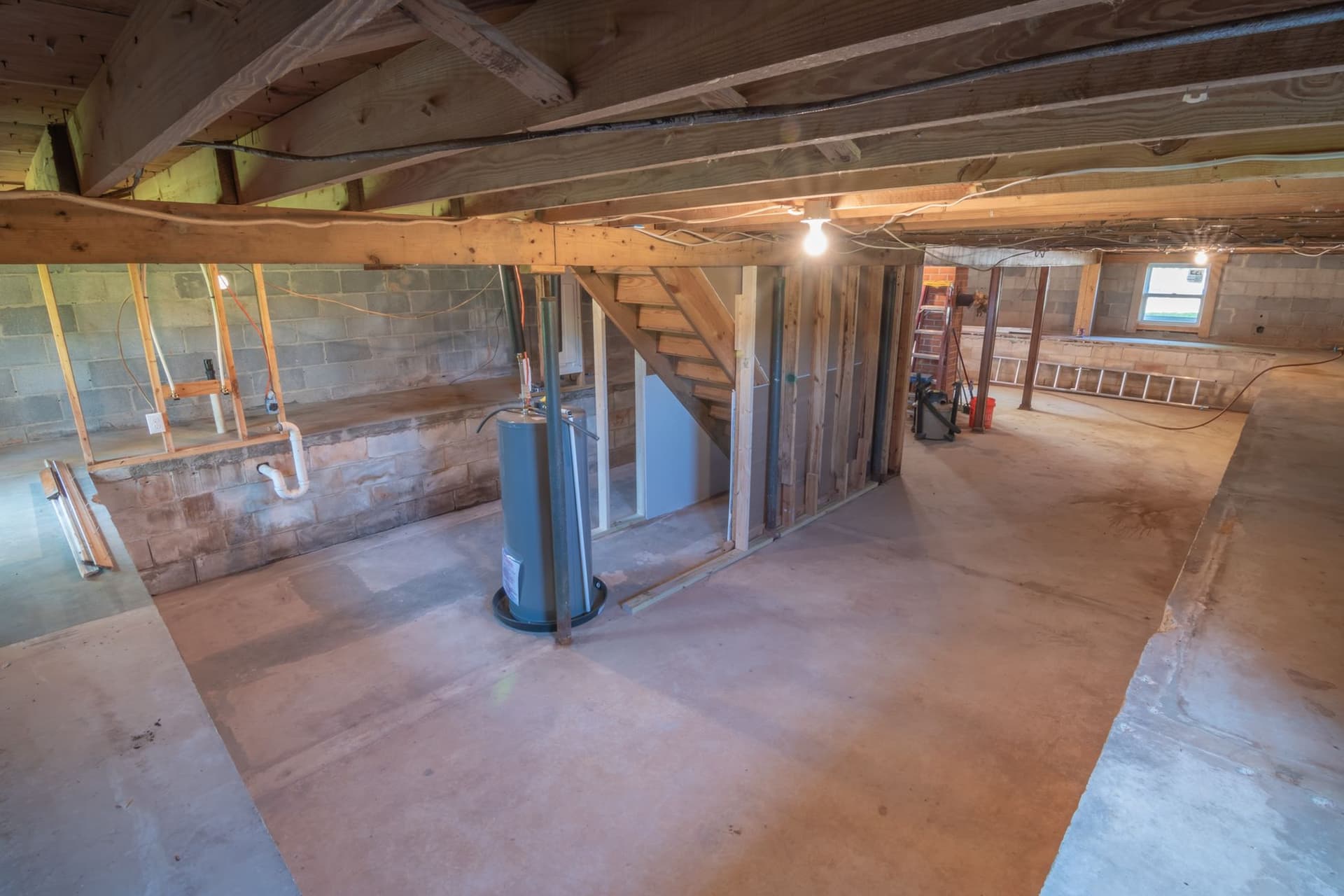
A vented crawl space in a humid climate is a mold factory by design: bare or poorly covered soil releasing moisture, foundation vents admitting warm humid air that condenses on cool joists and ducts, insulation hanging from the floor and soaking it up, and no light or airflow to dry anything. Add a plumbing leak, a dryer vent that ends under the house, or grading that sends rain under it, and the wood above stays wet for months.
The reason it matters upstairs is the stack effect: warm air rising through the house draws replacement air from below, through gaps around plumbing, wiring, ducts and the subfloor. A meaningful share of the air on the first floor came from the crawl space. Mold down there is mold in the supply.
"Crawl space cleaning services" covers everything from a debris haul-out to this full remediation, so the first job is reading the quote.
What a Real Remediation Includes
- 1Assessment. Extent of growth on joists, subfloor, beams and sill plates; condition of the insulation; the moisture source (ground, vents, a leak, drainage, a dryer or bath vent); moisture readings in the wood; whether there is standing water, pest damage or rot. Standing water is its own emergency and comes first.
- 2Containment. The crawl space is isolated from the house — the access sealed, HVAC in the space shut down, a HEPA scrubber exhausting outdoors. Floor penetrations are temporarily sealed from above where practical.
- 3Removal. Wet or moldy insulation comes out (it cannot be cleaned and it is holding water against the subfloor), along with debris, old torn vapor barrier, and any contaminated soil surface in sewage or pest cases. Rotted wood is cut out and sistered or replaced — a carpentry line item.
- 4Cleaning the wood. HEPA-vacuuming and scrubbing with detergent for moderate growth; wire brushing or sanding on heavier areas; dry-ice or soda blasting where the whole underside of the floor is affected. Chemical "treatment" sprayed over uncleaned wood is not remediation.
- 5HEPA vacuuming of the framing again after cleaning, plus the tops of ducts and pipes.
- 6Drying. Air movers and a dehumidifier until the joists and subfloor read normal moisture content (under about 16%); on a wet crawl space this can take a week or more.
- 7Encapsulant. Cleaned wood is usually coated with a mold-resistant sealer.
- 8The moisture fix. At minimum a sealed vapor barrier over the soil (6-mil is the floor; 10–20 mil for a space that will be entered), lapped and taped, and any leak, vent or grading problem corrected. The durable version is encapsulation: the liner runs up the foundation walls, vents are sealed, walls are insulated, and a dedicated dehumidifier holds humidity around 50%.
- 9Verification. Moisture readings and a visual; independent sampling where a sale or health concern is involved.
- 10Insulation back. Usually on the foundation walls in an encapsulated space (rigid foam or closed-cell spray), not between the joists where it will get wet again.
Talk to a water damage pro now
Answered 24/7 · Toll-free · answered 24/7 · no obligation
(888) 840-6512- Describe the damage & give your ZIP
- You're routed to the on-call local crew
- They quote — you decide, no obligation
What It Costs
| Job | Typical range |
|---|---|
| Debris and old insulation removal | $500 – $2,000 |
| Mold remediation of joists and subfloor (clean, dry, seal) | $1,500 – $5,000 |
| Media blasting for heavy growth | $2,000 – $6,000 |
| Basic sealed vapor barrier (6–10 mil) | $500 – $2,000 |
| Full encapsulation (liner up the walls, sealed vents, wall insulation) | $3,000 – $10,000+ |
| Crawl space dehumidifier, installed | $1,200 – $2,500 |
| Sump pump or drainage where water collects | $1,000 – $4,000 |
| Structural repair (sistering joists, replacing sill) | $500 – $5,000+ |
A complete remediation with a basic vapor barrier typically lands at $2,000–$6,000; with encapsulation and a dehumidifier, $5,000–$15,000. The encapsulation cost guide breaks that part down by size, and the mold remediation cost breakdown does the same for the remediation half, where access rather than area is what moves the labor. Insurance covers little of it unless a sudden plumbing failure caused the mold; ground moisture and humidity are excluded as maintenance.
Remediation Without Encapsulation: When It Is Enough
Encapsulation is the right answer often enough that some contractors quote it for every crawl space, and it is worth being clear about when it is not needed. A crawl space that was dry until one plumbing leak, in a dry climate, with a good vapor barrier and open vents that have never caused a problem, can be remediated and returned to how it was, with the leak fixed and a hygrometer left down there to confirm humidity stays under about 60%. A vented crawl space in the Southeast, the Gulf Coast, the Mid-Atlantic or the Pacific Northwest that has grown mold once will grow it again unless the humidity is controlled. Crawl space moisture and mold prevention covers the middle ground — sealing vents, adding a dehumidifier, fixing drainage — for spaces that do not warrant the full liner.
Reading the Quote
Three questions separate a cleaning company from a remediation contractor:
- "What is the moisture source, and what in this quote fixes it?" If the answer is only "we'll spray it," the mold is back within a year.
- "Which wood is cleaned by what method, and what moisture reading will you dry to?" Vague answers mean a spray-and-leave.
- "What is the vapor barrier spec — mil thickness, up the walls or flat, seams sealed how?" A loose 6-mil sheet laid on the dirt is the minimum, not the fix.
Then the standard checks for any professional remediation: IICRC or ACAC credentials, a state license where required, pollution liability insurance, a written scope, and verification at the end.
Reading to confirm what you already suspect?
Confirm it in two minutes instead — the pro on this line answers questions about YOUR situation all day: what it is, what it should cost, whether you even need service. If you want, they'll set the appointment on the same call.
Toll-free · no obligation · asking costs nothing
Frequently Asked Questions
How much does crawl space mold remediation cost?
Roughly $2,000–$6,000 for removal of contaminated insulation and debris, cleaning of the joists and subfloor, drying and a basic vapor barrier; $5,000–$15,000 when the job includes encapsulation (sealed liner, sealed vents, a dedicated dehumidifier) or when heavy growth needs media blasting.
Standing water, a failed drain or structural rot are separate line items. Pricing follows square footage and clearance.
What does a crawl space cleaning service include?
It varies enormously, which is why the quote matters more than the name.
Debris and old insulation removal, mold remediation of the wood, drying, vapor barrier, pest cleanup and encapsulation are all sold under 'crawl space cleaning.' A remediation quote should name the materials coming out, the cleaning method for the wood, the moisture readings it will dry to, the vapor barrier spec (mil thickness, sealed seams), and how humidity will be controlled afterward.
Is crawl space mold dangerous?
It is mold in the house's air supply. Warm air rising through the home pulls air up from the crawl space through gaps in the floor, plumbing penetrations and ductwork, so spores and the musty smell reach the living space.
The health picture is the standard one — irritation and allergy symptoms for many, real risk for people with asthma, mold allergies or weakened immune systems — and the structural picture is that damp joists eventually rot.
Should I encapsulate my crawl space after mold remediation?
If the moisture source is ground moisture and humid outside air — which it is in most vented crawl spaces in humid climates — yes, or the mold returns. Encapsulation (a sealed heavy vapor barrier up the walls, sealed vents, insulated walls, a dehumidifier) is the durable fix.
If the source was a single plumbing leak in a crawl space that is otherwise dry, a repair plus a basic vapor barrier and a check on humidity may be enough.
Can I clean crawl space mold myself?
Small, accessible growth on a joist with a fixed cause: gloves, an N95 or better, eye protection, detergent and a brush, then dry it.
Whole-space growth, insulation involvement, standing water, sewage or pest contamination, or a space with less than 18 inches of clearance is a professional job; the conditions — no ventilation, no room to move, contaminated soil — are the reason.
Who do I call right now for water damage?
Call (888) 840-6512. The line is answered 24 hours a day, seven days a week, and connects you with an IICRC-certified water damage restoration company that serves your area. A recorded menu picks up first: choose water damage or mold, key in your 5-digit ZIP code, and hold through the short silence while the call is passed to the company.
Describe what you can see — where the water is coming from, how long it has been there, and whether it smells — the more specific you are, the faster the right company is on the line. If the source is a pipe or an appliance, shut the main water valve first. Have four things ready and the call goes quickly: the address, when the water started, what is wet now, and whether you have filed an insurance claim.
Still not sure which of these is your situation? (888) 840-6512 · toll-free · answered 24/7
Sources
- EPA — A Brief Guide to Mold, Moisture and Your Home
- EPA — Mold Cleanup in Your Home
- FEMA — Dealing with Mold and Mildew in Your Flood Damaged Home
- IICRC — Standards (ANSI/IICRC S520 Mold Remediation, S500 Water Damage Restoration)
- CDC — Basic Facts About Mold and Dampness
Methodology: How we source and verify data · Report an error
Disclaimer: HearthDry is an independent educational resource. This article is for informational purposes only and does not constitute professional, legal, or insurance advice. Consult licensed professionals before making decisions about your property or insurance claims.
Free 2-day shipping
Amazon Prime members pay no shipping on restoration equipment
Dehumidifiers, air movers, and moisture meters qualify for free Prime delivery — bulk items that otherwise cost $15–$40 to ship.
Affiliate link — HearthDry earns a bounty if you sign up; costs you nothing extra.
Equipment
What each machine actually does
Removes the moisture the structure is still giving off — the machine that decides how long drying takes
See the picks →Moves air across wet surfaces so the dehumidifier has something to take out of the air
See the picks →Finds water behind walls and under floors, and tells you when a material is actually dry
See the picks →Alerts you the moment a leak starts — the cheapest thing on this list and the only preventive one
See the picks →Those pages carry affiliate links. As an Amazon Associate, HearthDry earns from qualifying purchases; it costs you nothing extra.
Our Amazon storefront →Advertisement
