

Quick answer
Standing water in a crawl space comes from four sources told apart by timing and smell: surface drainage (with rain), groundwater (seasonal), a supply leak (constant and clear — run the meter test), or a sewer line (foul — stop, that's professional territory). Kill power to the space, pump with a $100–$200 utility pump, dry to under 16% moisture content over several days, then fix the source in cost order: downspouts and grading ($200–$2,000) before sump pumps ($1,500–$3,000) before encapsulation ($5,000–$15,000). Call (888) 840-6512 to reach a certified water damage restoration company in your area; the line is answered 24/7.
Written & reviewed by Marcus ReedIICRC WRT
Reviewed August 20, 2026· Next review Feb 2027
The Water Nobody Sees
A crawl space floods quietly — no wet carpet, no alarm, just a puddle under the house doing compound damage: mold blooming on the subfloor's underside, joists wicking toward rot, humidity rising through the floor into the living space, and every pest in the county receiving an invitation. Most homeowners find it months late, by smell or by a technician's flashlight. If you've just found yours, here is the sequence.
First: Power, Then Smell
Two safety gates before anyone crawls under:
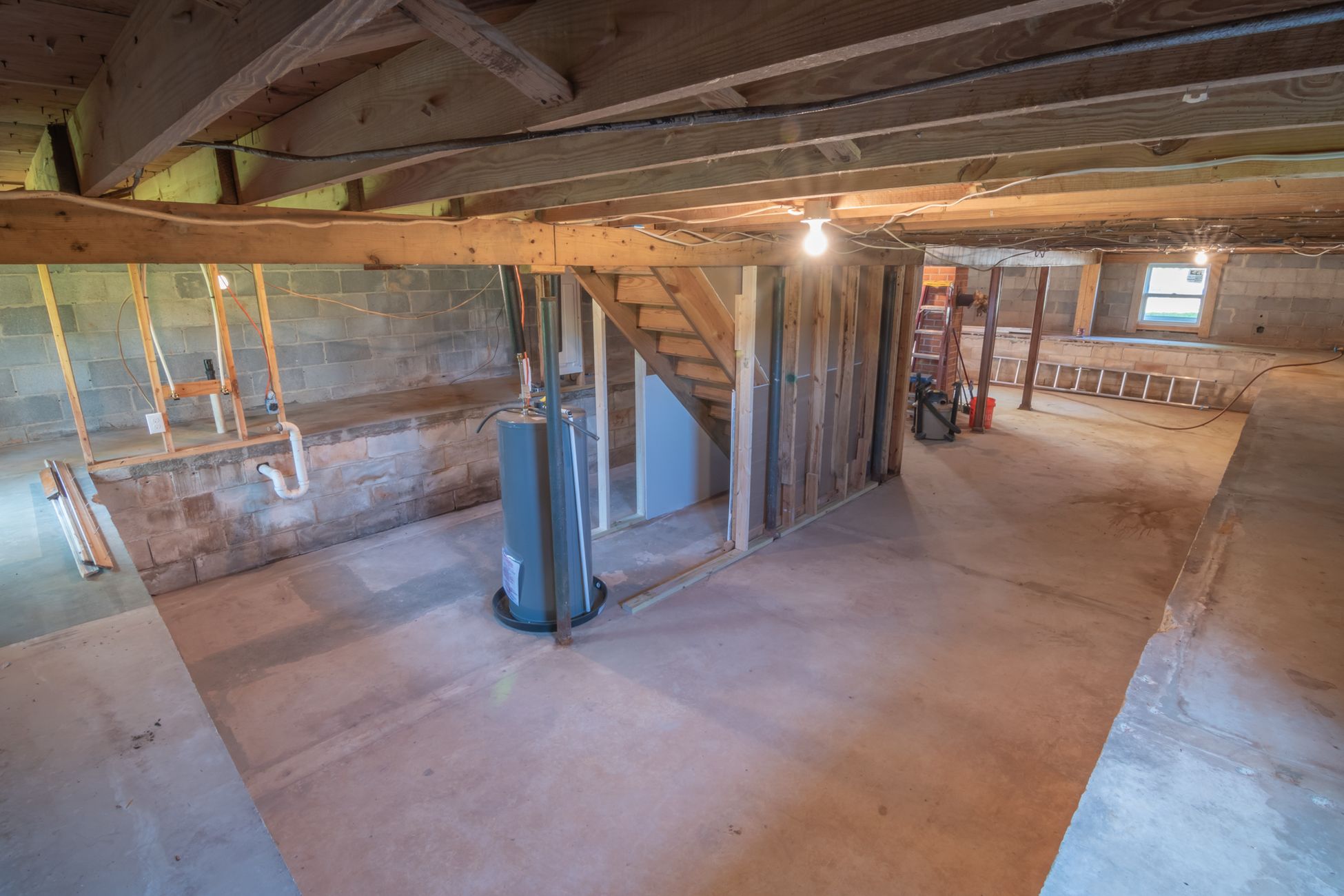
- 1Kill the circuits serving the space. Crawl spaces carry wiring, junction boxes, sometimes HVAC and the water heater. Standing water plus any of those is the injury scenario — breakers first.
- 2Smell the water. Foul or sewage-like means a drain or sewer line is the source, the water is Category 3, and DIY contact ends here — that's professional cleanup territory, and the honest cost is $2,000–$10,000 done to standard.
Identify the Source: Timing Tells
| Water is... | Source | The fix lives in... |
|---|---|---|
| There after rain, gone in dry spells | surface drainage | gutters, downspouts, grading |
| Seasonal, rises in wet months | groundwater | sump pump, drainage |
| Constant, clear, weather-blind | supply leak | the water meter test |
| Foul-smelling | sewer/drain line | professional, now |
The meter test settles the supply question in twenty minutes: every fixture off, watch the meter — movement means a pressurized line is leaking under there, and that repair outranks everything else in urgency because it never stops on its own.
Talk to a water damage pro now
Answered 24/7 · Toll-free · answered 24/7 · no obligation
(888) 840-6512Mold can establish within 24–48 hours of water exposure — drying started today stays a drying job.
- Describe the damage & give your ZIP
- You're routed to the on-call local crew
- They quote — you decide, no obligation
Pump, Then Dry — In That Order, Both Mandatory
The pump-out is the easy half. A $100–$200 submersible utility pump with a garden hose discharging well away from the foundation clears most crawl spaces in an afternoon; a wet/dry vac finishes the puddles.
The drying is the half that protects your house. Soil and framing hold multiples of the visible water, and a crawl space's still, dark air is mold's preferred climate — the colony grows on the underside of your subfloor, directly beneath your bedrooms. Air movers plus a dehumidifier at the access opening, 3–7 days, verified with a moisture meter: subfloor and joists under 16% moisture content is the finish line. (The rent-vs-buy math on that equipment leans buy if your crawl space has a history.)
The Fix Ladder: Spend in Cost Order
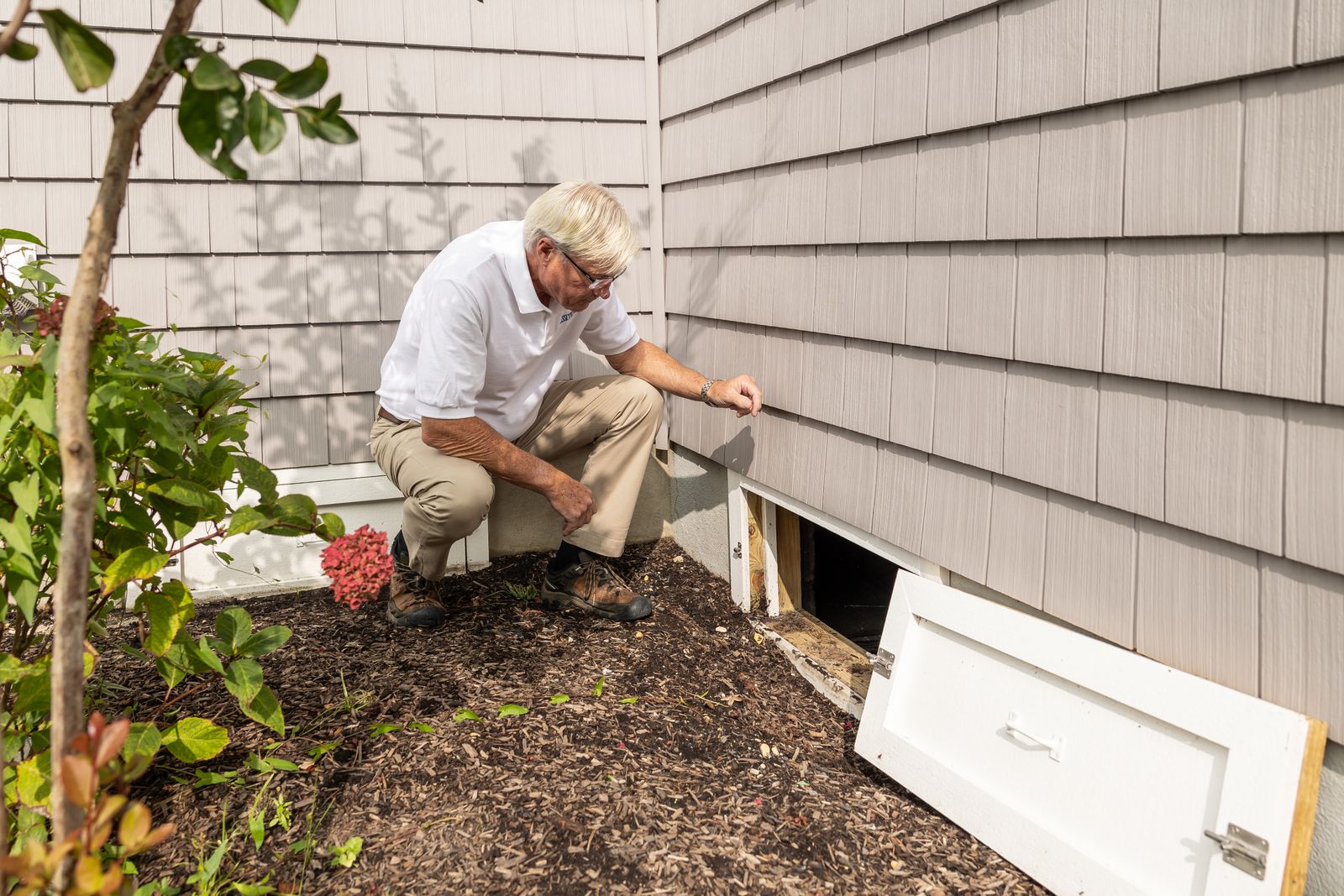
Rung 1 — Roof water management ($200–$2,000). The most common cause of crawl space water is embarrassingly simple: downspouts dumping roof water at the foundation, and grading that slopes it under the house. Extensions, splash blocks, cleaned gutters, corrected slope. Check this before pricing anything with "system" in the name — the same rule that governs wet basements.
Rung 2 — Sump pump ($1,500–$3,000). Recurring groundwater needs an exit: a pit at the low point, a pump, and a discharge line — plus a battery backup, since groundwater events and power outages arrive on the same storm.
Rung 3 — Drainage + encapsulation ($5,000–$15,000). Chronic cases earn the full treatment: perimeter drainage to the sump, sealed liner, closed vents, dedicated dehumidifier. Encapsulation done for the right reason is excellent; done as a first resort it's an expensive way to seal a downspout problem under plastic. Any encapsulation quote that didn't investigate your drainage first is selling the product, not the fix.
The Insurance Note
Sudden plumbing failures under the house: commonly covered, including damage and often access. Groundwater and surface water: excluded from standard policies (flood-policy territory). Sewage: covered only with a water-backup rider. Whatever the source — photograph before pumping, and keep the documentation habit that decides borderline claims.
Bottom Line
Power off, smell check, source by timing, pump the visible, dry to 16%, then fix upward from downspouts. Standing water under a house is patient — it does its damage over months — so the response that matters isn't panic, it's finishing the drying and actually closing the source instead of scheduling a repeat.
Reading to confirm what you already suspect?
Confirm it in two minutes instead — the pro on this line answers questions about YOUR situation all day: what it is, what it should cost, whether you even need service. If you want, they'll set the appointment on the same call.
Toll-free · no obligation · asking costs nothing
Frequently Asked Questions
Is standing water in a crawl space an emergency?
It's urgent, not instant — with two exceptions that make it immediate: water rising toward electrical wiring, junction boxes or HVAC equipment, and water that smells like sewage (a Category 3 hazard requiring professional cleanup).
Otherwise you have days, not months: standing water under a house feeds mold on the subfloor above it, rots framing, attracts pests, and pushes humidity into the living space through the floor.
Where is crawl space water coming from?
Four sources, told apart by timing and smell: surface drainage (appears with rain — downspouts and grading are dumping roof water against the foundation), groundwater (seasonal, rises in wet months even without a specific storm), a plumbing supply leak (constant, clear water — run the water meter test), or a sewer/drain line (foul smell — stop and treat as sewage).
How do I get standing water out of a crawl space?
Kill power to any circuits serving the crawl space first. Pump or wet-vac the standing water (a $100–$200 submersible utility pump handles most), then dry the space with air movers and a dehumidifier for several days — the soil and framing hold far more water than the visible puddle.
Check the subfloor and joists with a moisture meter; under 16% is the target before you stop.
How much does it cost to fix a wet crawl space?
By tier: downspout extensions and grading correction $200–$2,000 (solves surface-drainage cases); a crawl space sump pump with pit $1,500–$3,000; interior drainage plus sump $3,000–$8,000; full encapsulation (liner, sealed vents, dehumidifier) $5,000–$15,000.
Spend in that order — encapsulating a crawl space that just needs downspout extensions seals the symptom over the cause.
Does insurance cover crawl space water?
Sudden plumbing failures under the house are commonly covered (the damage, sometimes the access costs). Groundwater, seepage and surface flooding are excluded from standard policies — that's flood-policy territory.
Sewage backups fall under water-backup riders if you carry one. Photograph everything before pumping, whatever the source.
Who do I call right now for water damage?
Call (888) 840-6512. The line is answered 24 hours a day, seven days a week, and connects you with an IICRC-certified water damage restoration company that serves your area. Describe what you can see — where the water is coming from, how long it has been there, and whether it smells — the more specific you are, the faster the right company is on the line.
If the source is a pipe or an appliance, shut the main water valve first. Have four things ready and the call goes quickly: the address, when the water started, what is wet now, and whether you have filed an insurance claim.
Still not sure which of these is your situation? (888) 840-6512 · toll-free · answered 24/7
Sources
- EPA — Moisture Control in Crawl Spaces
- InterNACHI — Crawl Space Inspection
- IICRC S500 Standard for Professional Water Damage Restoration
Methodology: How we source and verify data · Report an error
Disclaimer: HearthDry is an independent educational resource. This article is for informational purposes only and does not constitute professional, legal, or insurance advice. Consult licensed professionals before making decisions about your property or insurance claims.
Watch
Source: Crawl Space Ninja — YouTube
Free 2-day shipping
Amazon Prime members pay no shipping on restoration equipment
Dehumidifiers, air movers, and moisture meters qualify for free Prime delivery — bulk items that otherwise cost $15–$40 to ship.
Affiliate link — HearthDry earns a bounty if you sign up; costs you nothing extra.
Equipment
What each machine actually does
Removes the moisture the structure is still giving off — the machine that decides how long drying takes
See the picks →Moves air across wet surfaces so the dehumidifier has something to take out of the air
See the picks →Finds water behind walls and under floors, and tells you when a material is actually dry
See the picks →Alerts you the moment a leak starts — the cheapest thing on this list and the only preventive one
See the picks →Those pages carry affiliate links. As an Amazon Associate, HearthDry earns from qualifying purchases; it costs you nothing extra.
Our Amazon storefront →Advertisement
