
Quick answer
Mold can start growing on wet building materials within 24–48 hours of water damage: spores germinate at about 24 hours and visible colonies usually appear at 48–72 hours. Porous materials such as drywall paper, carpet pad and insulation go first, and warm, humid rooms speed it up. EPA's guidance is to dry wet materials within 24 to 48 hours, which is why the water damage call comes before the mold call. Call (888) 840-6512 to reach a certified water damage restoration company in your area; the line is answered 24/7.
Written & reviewed by Marcus ReedIICRC WRT
Reviewed June 10, 2026· Next review Dec 2026
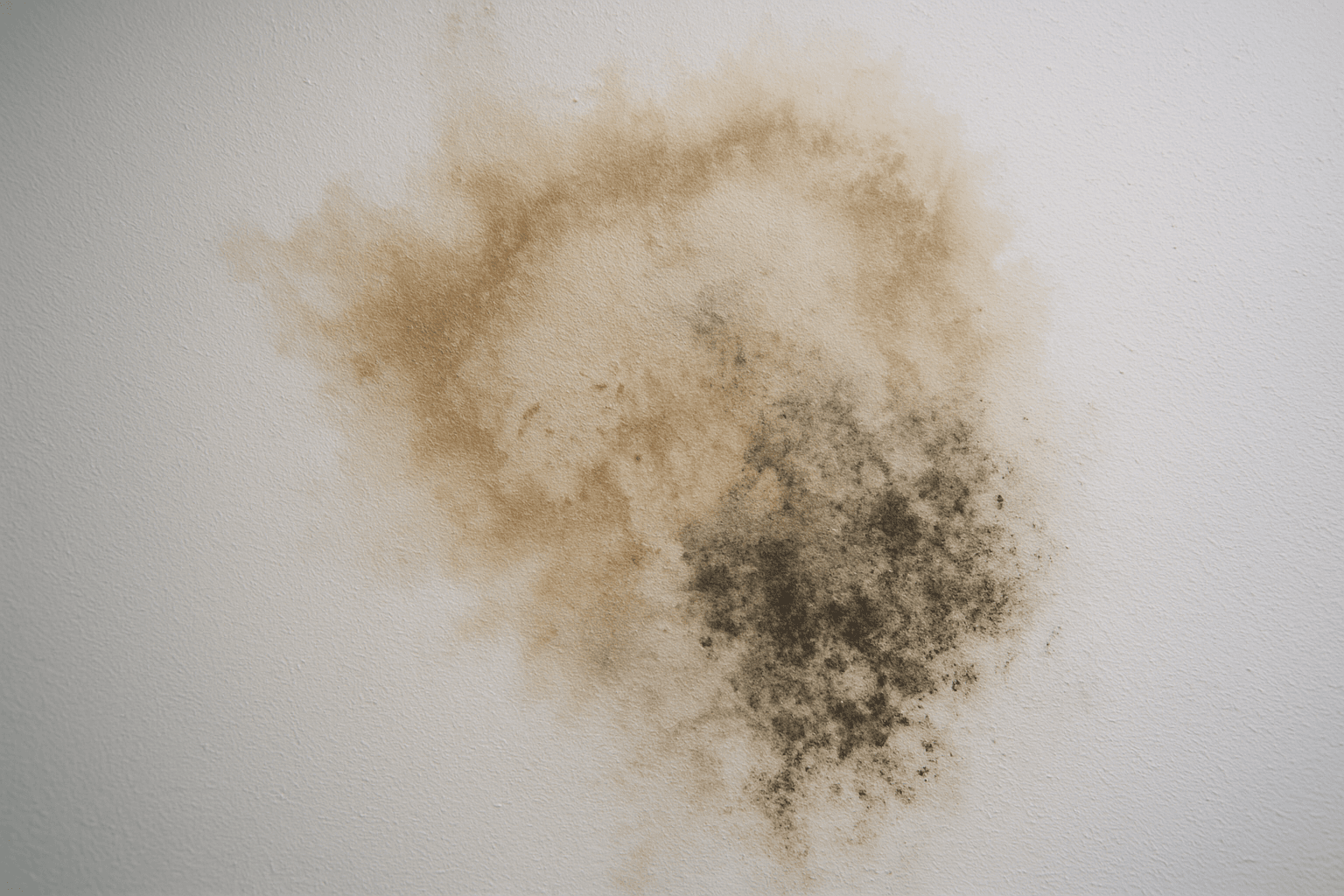
Mold can start growing on wet building materials within 24–48 hours of water damage. Spores already present in every house begin to germinate on wet drywall paper, carpet pad or wood at about 24 hours, and colonies you can see usually appear at 48 to 72 hours. That is why EPA's guidance is to dry wet materials within 24 to 48 hours: materials dried inside that window usually do not grow mold, and materials still wet after it often do.
The Mold Timeline After a Water Leak
The clock starts when the material gets wet, not when you notice the leak. A supply line that failed overnight or a slow drip behind a wall has already used part of it.
| Time wet | What is happening | What it means for you |
|---|---|---|
| First hours | Water spreads and wicks up drywall, into pad and along framing | Stopping the water and removing standing water now keeps the wet area small |
| About 24 hours | Spores germinate on wet organic material; nothing is visible | Drying started now usually prevents mold |
| 48–72 hours | Visible colonies, often on the back of drywall or the underside of pad first | Porous material with growth is usually removed rather than dried |
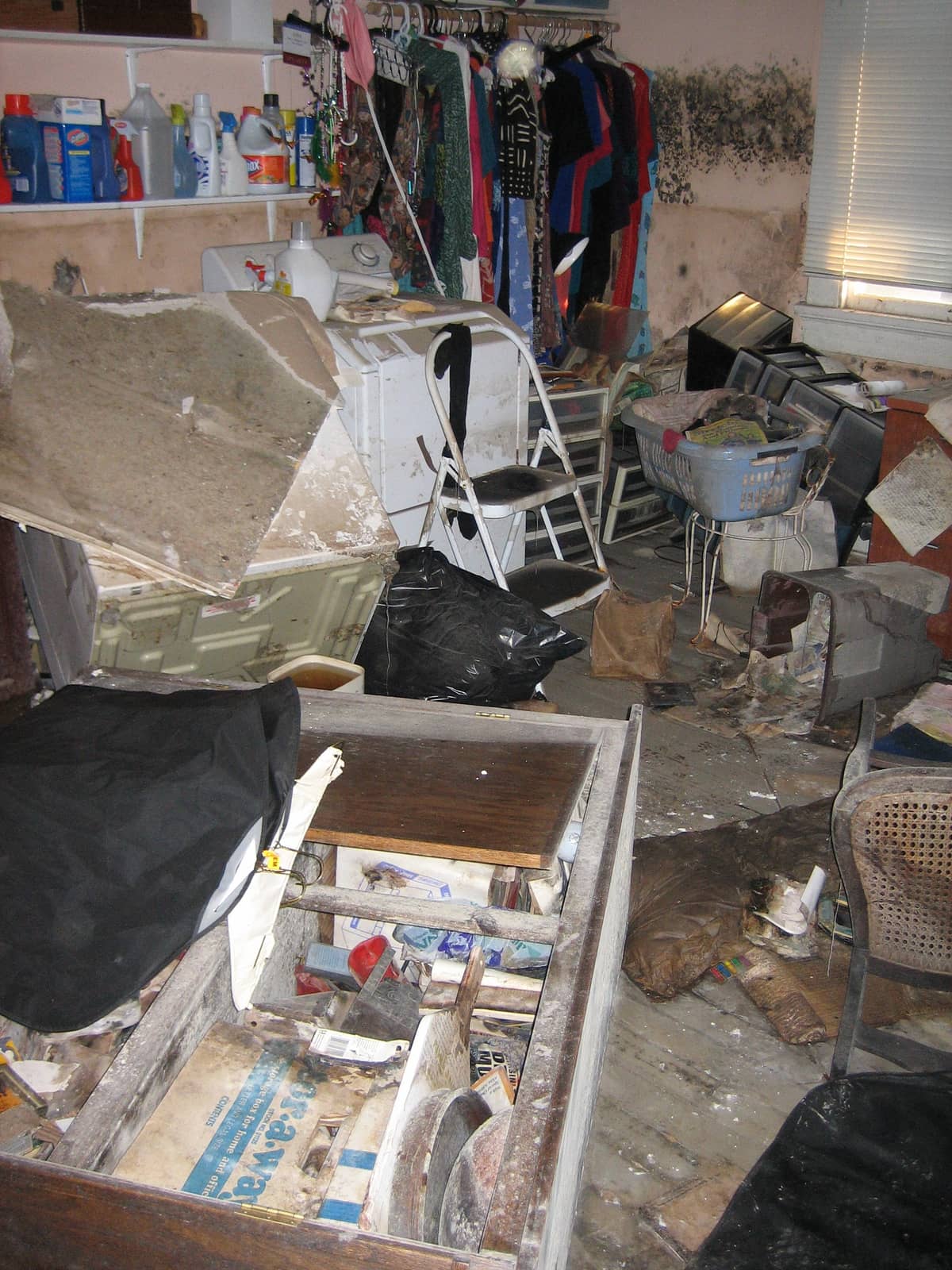
| Days to weeks | Growth spreads into cavities, insulation and framing | The job becomes mold remediation as well as drying |
These are the milestones the IICRC's water and mold standards (S500 and S520) work from. They describe typical indoor conditions; the next section is what moves them. The mold clock tool counts it from the time your water started.
What Makes Mold Grow Faster or Slower
Three things decide how fast the clock runs in your house.
The material. Mold feeds on cellulose and on the dust and residue on surfaces. Paper-faced drywall, carpet pad, cardboard, fabric, and the paper facing on insulation are the fastest. Wood framing and subfloor take longer to wet through and longer to dry, so they hold moisture for days. Concrete, tile and metal do not feed mold themselves; growth on them is on the dust, paint or organic film sitting on top.
Temperature and humidity. Warm, humid rooms speed it up, and a summer loss with the air conditioning off is about the fastest case a house produces. A cold, unheated space slows growth without stopping it; the clock picks up when the heat comes back on. EPA recommends keeping indoor humidity below 60 percent, and a room above that keeps materials from drying.
The category of water. The IICRC S500 standard sorts water into three categories. Category 1 is clean water from a supply line. Category 2, gray water, comes from a washing machine or dishwasher and carries more organic material. Category 3, black water, is sewage or water that has sat long enough to grow bacteria; porous material it touches is removed, not dried. Clean water does not stay clean: the standard treats Category 1 left sitting as becoming Category 2 and then 3 with time and warmth. The water category guide explains how a crew decides.
How Likely Is Mold After Water Damage?
It depends almost entirely on how long porous materials stay wet, not on how much water there was. A small leak that soaks a wall cavity for a week is more likely to grow mold than a large spill on tile that is mopped and dried the same day. If wet drywall, pad and insulation are dried, or removed, within 24 to 48 hours, mold usually does not establish. If they are still wet after a few days, especially behind a wall or under flooring where air does not reach, growth is likely. There is no reliable percentage for this, and a page that gives you one is guessing.
Talk to a water damage pro now
Answered 24/7 · Toll-free · answered 24/7 · no obligation
(888) 840-6512- Describe the damage & give your ZIP
- You're routed to the on-call local crew
- They quote — you decide, no obligation
How Fast Does Black Mold Grow After Water Damage?
More slowly than the common molds. Stachybotrys, the mold people call black mold, needs cellulose that stays wet for a long time, so it is usually the sign of a leak that went unnoticed or a job left undried, not of a spill caught the same day. Faster molds colonize first. Color is not a reliable guide to species, and EPA and CDC advise treating any indoor mold the same way. Black mold symptoms covers the health side.
How to Prevent Mold After a Water Leak
Drying fast is the thing that prevents mold. Bleach, sprays and fans do not substitute for getting materials back to dry, which is why the water call comes before the mold call.
- 1Stop the water and note the time. Close the fixture valve or the main. Write down when the water started, as near as you know; the clock, and your insurance claim, both run from that moment.
- 2Remove standing water and wet contents. Shop-vac or towel up what you can, pull rugs, cushions and boxes out of the wet area, and photograph everything first. If a burst pipe soaked a ceiling or wall, cut the breaker to that area before you touch anything.
- 3Get professional drying started within 24 to 48 hours. A fan cannot reach inside a wall or under pad. A water damage restoration company extracts the water, removes what cannot be dried, and runs air movers and dehumidifiers with daily moisture readings until everything is back to dry. How long professional drying takes explains why it takes days of equipment, not hours.
- 4Check for mold once it reads dry. Before walls are closed or flooring goes back, check the materials and the cavity behind them; the next section covers how.
The cost gap is the argument for speed. Most residential water incidents cost $2,000–$6,000 to set right; a single room of mold remediation on top of that runs $2,000–$5,000. The structural drying cost page shows what the drying itself costs.
How to Check for Mold After Water Damage
- Smell. A musty, earthy smell is often the first sign, before anything is visible. The water damage musty smell guide explains what it means about where the water went.
- Moisture meter. A pin or pinless meter tells you whether a material is still wet. Compare the reading with the same material in a dry part of the house; that dry baseline is what the IICRC calls the drying goal. The moisture meter for mold guide covers how to read one.
- Where to look. Base of walls and baseboards, the back face of drywall where it was cut, under carpet pad, inside sink cabinets, behind the refrigerator and washer, ceiling cavities under bathrooms, and wall insulation. Restoration crews use thermal cameras to find wet areas that look dry. Detecting mold in walls goes further.
- What you see. Spots, fuzz or staining that spreads. Wet drywall: save or replace covers when a panel can stay.
Do not cut open a wall with visible growth without containment; it spreads spores through the house. If you find growth over about 10 square feet, the EPA line for homeowner cleanup, it is a professional job; who to call for mold sorts inspector from remediator.
What Happens When You Call
If something in the house is still wet, the drying is the job, and (888) 840-6512 is answered 24/7 with no charge for the referral. Here is what you will hear, so you do not hang up in the menu:
- A short automated menu. Press 1 for water damage, or 2 for mold if growth is already the problem.
- Enter the 5-digit ZIP of the property.
- The line goes quiet for about half a minute while it connects. That is normal. Stay on.
- When a company answers, describe what is wet: which rooms, which materials, and whether water is still coming in.
Mold companies take calls in fewer ZIPs than water companies. If a mold company is taking calls in your ZIP, the line connects you; if not, it says so.
Have ready the address with ZIP, when the water started, what is wet now, and whether you have opened an insurance claim. The company gives you an arrival window for your address on the call, and the scope and price are between you and them. This line is for water from inside the house or rain coming in; rising floodwater from outside is flood-insurance territory and not what it is for.
Reading to confirm what you already suspect?
Confirm it in two minutes instead — the pro on this line answers questions about YOUR situation all day: what it is, what it should cost, whether you even need service. If you want, they'll set the appointment on the same call.
Toll-free · no obligation · asking costs nothing
Frequently Asked Questions
How long does mold take to grow after a water leak?
On wet drywall, carpet pad or wood, spores begin germinating at about 24 hours and colonies you can see usually appear at 48 to 72 hours, the milestones the IICRC standards work from.
The clock starts when the material got wet, not when you noticed the leak, so a slow drip behind a wall may already be past it. Warm, humid rooms run faster; cold, unheated spaces run slower.
How fast does black mold grow after water damage?
Slower than common household molds. Stachybotrys, the mold usually called black mold, needs cellulose such as drywall paper or wood that stays wet for a long time, so it tends to follow a leak that went unnoticed or a job left undried.
Faster molds colonize first. Color is not a reliable guide to species, and EPA and CDC advise treating any indoor mold growth the same way.
How likely is mold after water damage?
It dependsOn how long porous materials stay wet, not on how much water there was.
If wet drywall, carpet pad and insulation are dried or removed within 24 to 48 hours, as EPA advises, mold usually does not establish. If they stay wet for several days, especially inside a wall or under flooring where air cannot reach, growth is likely. No reliable percentage exists for this.
How do I check for mold after water damage?
Use your nose first: a musty, earthy smell often comes before anything is visible. Then use a moisture meter and compare readings with the same material in a dry room.
Look at the base of walls, the back of cut drywall, under carpet pad, inside sink cabinets, behind appliances and in ceiling cavities under bathrooms. Do not open a wall with visible growth without containment.
What slows down or speeds up mold growth?
The material, the temperature and humidity, and the water. Paper-faced drywall, carpet pad and cardboard grow mold fastest; concrete and tile only grow it on the dust on top.
Warm, humid rooms speed it up, and EPA recommends indoor humidity below 60 percent. Gray water and sewage carry more organic load than clean supply water, and clean water left sitting degrades over time.
How do I prevent mold after a water leak?
Dry fast. Stop the water, remove standing water and wet contents, and get professional drying started within 24 to 48 hours, because fans cannot reach inside walls or under pad.
A restoration company extracts the water, removes what cannot be dried, and runs dehumidifiers and air movers with daily moisture readings. Bleach and sprays do not substitute for getting materials back to dry.
Is it too late if materials stayed wet past 48 hours?
Not automatically. Materials that stayed wet past the window are inspected rather than written off. Firm drywall that dries and shows nothing on its back face can often stay; wet carpet pad and wet insulation usually go; framing is cleaned and dried.
Where growth has started, the job adds mold remediation to the drying, and the earlier that is recognized, the smaller the job stays.
Who do I call right now for water damage?
Call (888) 840-6512. The line is answered 24 hours a day, seven days a week, and connects you with an IICRC-certified water damage restoration company that serves your area. Describe what you can see — where the water is coming from, how long it has been there, and whether it smells — the more specific you are, the faster the right company is on the line.
If the source is a pipe or an appliance, shut the main water valve first. Have four things ready and the call goes quickly: the address, when the water started, what is wet now, and whether you have filed an insurance claim.
Still not sure which of these is your situation? (888) 840-6512 · toll-free · answered 24/7
Sources
- CDC — Mold After a Disaster(retrieved 2026-07-02)
- EPA — Mold Remediation Guidance(retrieved 2026-07-02)
- IICRC S520 — Mold Remediation(retrieved 2026-07-02)
Methodology: How we source and verify data · Report an error
Disclaimer: HearthDry is an independent educational resource. This article is for informational purposes only and does not constitute professional, legal, or insurance advice. Consult licensed professionals before making decisions about your property or insurance claims.
Watch
Source: US Environmental Protection Agency — public domain
Watch: Mold After a Flood — EPA Cleanup Guidance — 4 min
Free 2-day shipping
Amazon Prime members pay no shipping on restoration equipment
Dehumidifiers, air movers, and moisture meters qualify for free Prime delivery — bulk items that otherwise cost $15–$40 to ship.
Affiliate link — HearthDry earns a bounty if you sign up; costs you nothing extra.
Equipment
What each machine actually does
Removes the moisture the structure is still giving off — the machine that decides how long drying takes
See the picks →Moves air across wet surfaces so the dehumidifier has something to take out of the air
See the picks →Finds water behind walls and under floors, and tells you when a material is actually dry
See the picks →Alerts you the moment a leak starts — the cheapest thing on this list and the only preventive one
See the picks →Those pages carry affiliate links. As an Amazon Associate, HearthDry earns from qualifying purchases; it costs you nothing extra.
Our Amazon storefront →Advertisement
