

Quick answer
Water damage restoration removes water that is already inside and dries the structure — an emergency service. Basement waterproofing prevents future intrusion with drainage, sump systems and sealing — a planned project. A wet basement usually needs both, in that order: dry it first, because waterproofing over saturated materials seals the moisture in behind the new work. Call (888) 840-6512 to reach a certified water damage restoration company in your area; the line is answered 24/7.
Press 1 for water damage or 2 for mold, then your 5-digit ZIP. The line goes quiet for about half a minute while it connects — that is normal, stay on. If it does not connect, call once more: companies taking calls change minute to minute.

Written & reviewed by Marcus ReedIICRC WRT
Reviewed July 28, 2026· Next review Jan 2027
Two Different Trades, Two Different Problems
Homeowners call both "the basement water guy", then get confused when quotes vary by a factor of ten. They are not competing services. They solve opposite halves of the problem:
- Water damage restoration deals with the water that is already inside — extract it, dry the structure, remove what cannot be saved. Reactive, urgent, usually insured.
- Basement waterproofing stops water getting in next time — drainage, sealing, sump systems, grading. Planned, preventative, and almost never insured.
Most flooded basements need both, in that order.
| Restoration | Waterproofing | |
|---|---|---|
| Problem solved | Water already inside | Water getting in again |
| Timing | Emergency, within hours | Planned, weeks out |
| Duration | 3–7 days | 1–5 days |
| Typical cost | $1,500–$10,000+ | $2,000–$15,000+ |
| Insurance | Usually covered if sudden | Almost never — treated as maintenance |
| Certification | IICRC | Foundation and waterproofing trade |
Which One You Need
You need restoration if a pipe burst, an appliance failed, the sump pump quit during a storm, or water came in once and there is standing water or wet material now. The clock is the 24–48 hour mold window, and this is the emergency call.
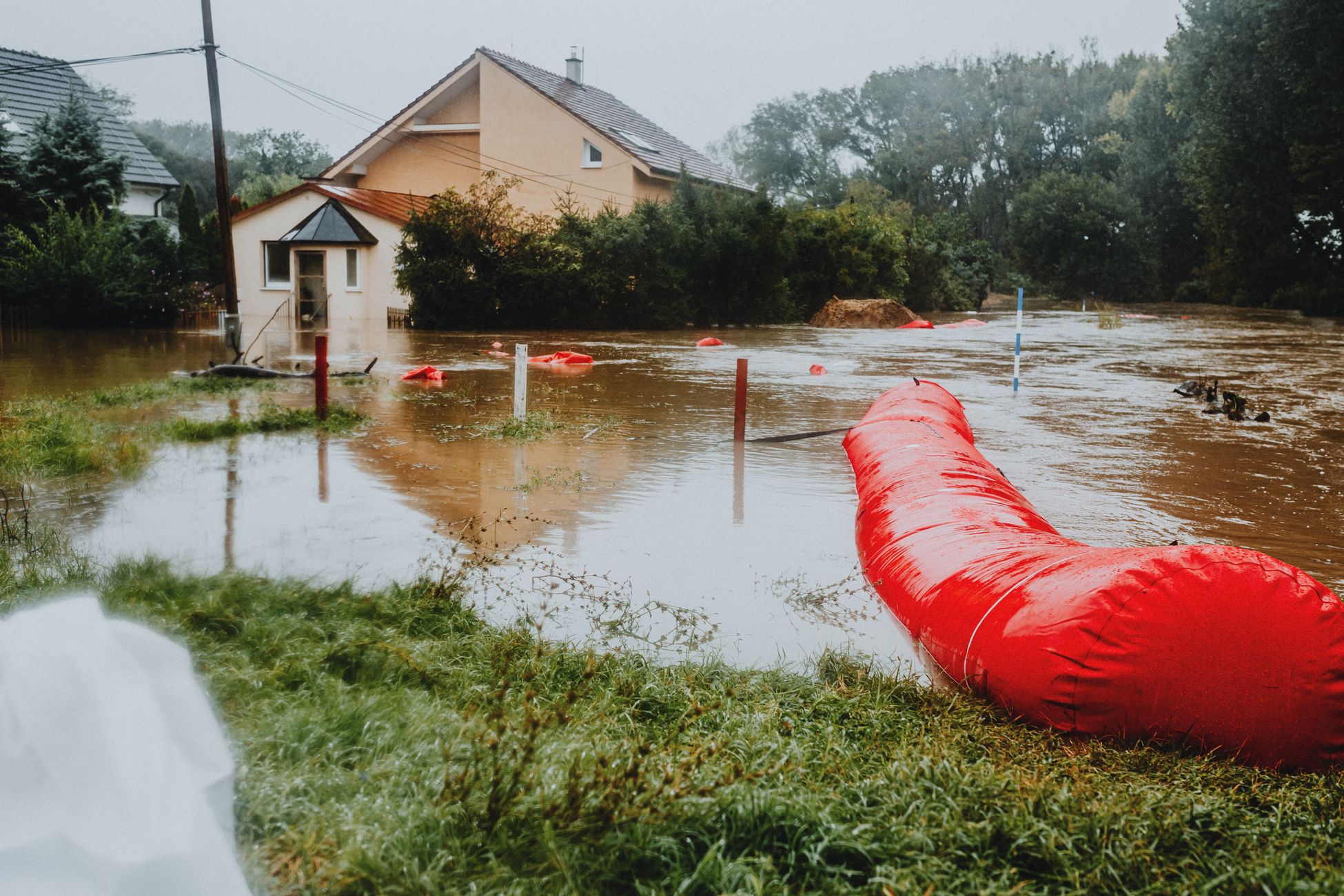
You need waterproofing if the basement gets damp or wet every time it rains hard, there is efflorescence on the walls, one corner stays damp year-round, or you have seen water coming up through the floor or seepage whenever it rains. That is groundwater and hydrostatic pressure — a chronic condition, not an incident.
You need both if a chronic seepage problem finally produced a real flood. Dry it out first, then fix the cause before rebuilding — because finishing a basement over an unsolved water path just means doing it twice.
The Insurance Line, Stated Plainly
This is where the money hurts. Homeowners policies cover sudden and accidental losses and exclude gradual damage, maintenance and groundwater.
So a burst pipe in the basement is covered. Groundwater seeping through the foundation wall is not, and neither is the waterproofing that would prevent it — even if the eventual damage is severe. Surface flooding needs a separate flood policy; the water damage vs flood damage guide explains the split.
One consequence worth knowing: repeated seepage claims can be denied on the grounds that you knew about the condition and did not act. Documented waterproofing work protects future claims as well as the basement.
Talk to a water damage pro now
Answered 24/7 · Toll-free · no obligation
(888) 840-6512- Press 1 for water damage or 2 for mold, then your ZIP
- Stay on through the short quiet while it connects
- A local certified company explains the job and price
Getting the Order Right
- 1Stop and extract the active water
- 2Dry to a verified standard, with readings — not until it looks dry
- 3Diagnose the cause — plumbing failure, or groundwater and drainage
- 4Waterproof if the cause is groundwater, before any rebuilding
- 5Rebuild last
Step 5 last is the expensive lesson. New drywall, flooring and trim installed over an unfixed water path is money you will spend twice.
Choosing Each Contractor
For restoration, verify IICRC certification, 24/7 response, and that they produce daily moisture logs — the vetting guide has the full list.
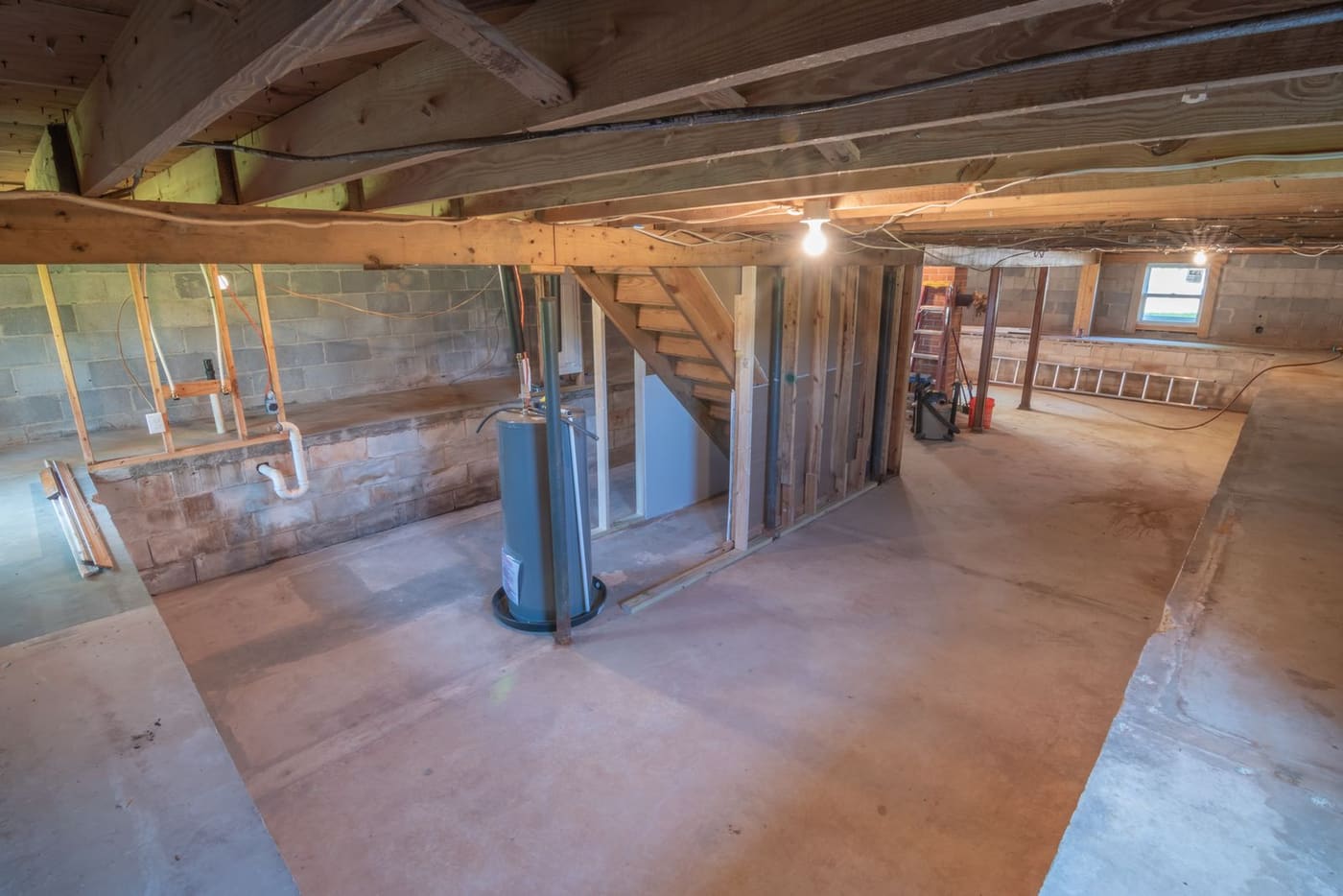
For waterproofing, the pitfalls are different. Ask what is actually causing the water before anyone quotes a solution. Interior drain tile, exterior excavation, sealants, grading correction and a sump system are wildly different jobs at wildly different prices, and the least expensive quote is usually the one that skipped the diagnosis. Ask for a written diagnosis, a transferable warranty, and confirmation of what happens if water returns. Cheap fixes here have a pattern: sealant painted onto a wall under hydrostatic pressure fails, every time.
Before spending on either, check the cheap things. Gutters, downspout extensions and grading away from the foundation solve a meaningful share of "waterproofing" problems for under $200 — our gutters and drainage guide covers it.
Bottom Line
Restoration dries what got wet; waterproofing stops it happening again. Insurance usually pays for the first and never for the second. If your basement floods every spring, no amount of restoration will fix it — and if a pipe burst last night, no amount of waterproofing will dry the room.
Reading to confirm what you already suspect?
Confirm it in two minutes instead — the pro on this line answers questions about YOUR situation all day: what it is, what it should cost, whether you even need service. If you want, they'll set the appointment on the same call.
Toll-free · no obligation · asking costs nothing
Frequently Asked Questions
What is the difference between waterproofing and water damage restoration?
Water damage restoration (remediation) addresses damage that has already occurred: extracting standing water, drying structural materials, removing damaged drywall and flooring, preventing mold, and returning the home to pre-loss condition.
Basement waterproofing is a preventive measure: interior drainage systems (French drains), sump pumps, exterior waterproofing membrane, or crack injection to prevent future water entry. You need restoration for current damage; you need waterproofing to prevent it from happening again.
Does homeowners insurance cover basement waterproofing?
NoStandard HO-3 policies do not cover basement waterproofing because it is considered preventive maintenance, not a sudden and accidental loss.
However, insurance does cover water damage restoration when the water event was sudden and accidental (burst pipe, appliance failure, storm water entry through a sudden opening). If your insurer recommends waterproofing to prevent future claims, they are asking you to pay for it yourself.
How much does basement waterproofing cost vs. water damage restoration?
Basement waterproofing costs $3,000-$15,000 depending on method (interior vs. exterior), linear footage, and severity. Exterior waterproofing (excavating foundation walls) runs $10,000-$30,000.
Water damage restoration costs $1,500-$10,000 for moderate basement flooding; major events with structural damage and mold can reach $20,000-$50,000. A sump pump installation ($800-$2,500) is often the most cost-effective waterproofing upgrade for homes without one.
Do I need both waterproofing and restoration after a basement flood?
Often yes, in sequence. Restoration comes first — you cannot waterproof a wet basement. Professional drying takes 3-7 days; structural repairs take additional weeks.
After the restoration is certified complete, waterproofing addresses the root cause to prevent recurrence. Many restoration companies also offer waterproofing but use different crews and pricing — get separate quotes to compare.
What causes more basement flooding: external water or internal plumbing?
It varies by geography and housing age, but nationally: about 40% of basement flooding is from internal plumbing failures (burst pipes, appliance leaks, supply line failures) covered by standard HO-3; about 35% is from groundwater and drainage failures (sump pump failure, hydrostatic pressure) often covered if sudden; and about 25% is from external flooding (storm surge, river flooding, heavy rain overwhelming drainage) requiring separate flood insurance.
All three types require professional drying regardless of source.
Who do I call right now for water damage?
Call (888) 840-6512. The line is answered 24 hours a day, seven days a week, and connects you with an IICRC-certified water damage restoration company that serves your area. A recorded menu picks up first: choose water damage or mold, key in your 5-digit ZIP code, and hold through the short silence while the call is passed to the company.
Describe what you can see — where the water is coming from, how long it has been there, and whether it smells — the more specific you are, the faster the right company is on the line. If the source is a pipe or an appliance, shut the main water valve first. Have four things ready and the call goes quickly: the address, when the water started, what is wet now, and whether you have filed an insurance claim.
Need it handled now?
Basement Waterproofing — 24/7 Certified Crews
Recurring water needs the engineering fix — drainage, sump, and sealing built for your foundation.
Sources
Methodology: How we source and verify data · Report an error
Disclaimer: HearthDry is an independent educational resource. This article is for informational purposes only and does not constitute professional, legal, or insurance advice. Consult licensed professionals before making decisions about your property or insurance claims.
Free 2-day shipping
Amazon Prime members pay no shipping on restoration equipment
Dehumidifiers, air movers, and moisture meters qualify for free Prime delivery — bulk items that otherwise cost $15–$40 to ship.
Affiliate link — HearthDry earns a bounty if you sign up; costs you nothing extra.
Equipment
What each machine actually does
Removes the moisture the structure is still giving off — the machine that decides how long drying takes
See the picks →Moves air across wet surfaces so the dehumidifier has something to take out of the air
See the picks →Finds water behind walls and under floors, and tells you when a material is actually dry
See the picks →Alerts you the moment a leak starts; a small cost, and the one preventive item here
See the picks →Those pages carry affiliate links. As an Amazon Associate, HearthDry earns from qualifying purchases; it costs you nothing extra.
Our Amazon storefront →Advertisement
