
Quick answer
Water rising through a basement floor after heavy rain is hydrostatic pressure: saturated soil pushes groundwater up through slab cracks, pores and the cove joint. Sealers and paint can't hold against it. What works: exterior water management first — downspout extensions and grading ($500–$2,000) fix many cases — then interior drain tile with a sump pump ($3,000–$10,000) for true high-water-table homes. Run the water-meter test first to rule out a supply leak wearing groundwater's costume. Call (888) 840-6512 to reach a certified water damage restoration company in your area; the line is answered 24/7.
Written & reviewed by Marcus ReedIICRC WRT
Reviewed August 19, 2026· Next review Feb 2027
Water From Below: What's Actually Happening
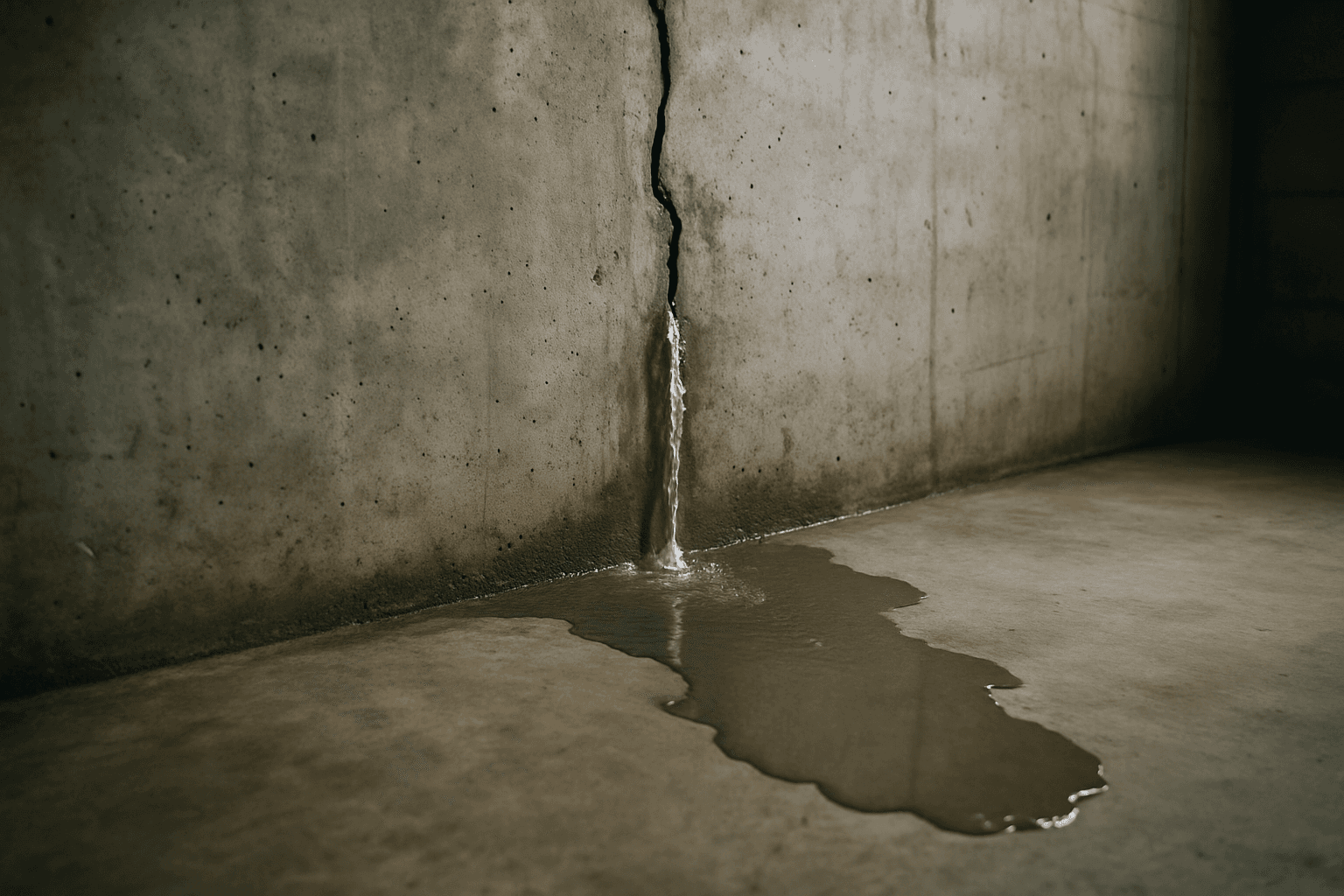
Water seeping up through a basement floor during a storm isn't a hole you can plug — it's physics. Saturated soil raises the water table, and thousands of pounds of hydrostatic pressure push groundwater through the slab's weakest points: hairline cracks, the cove joint where floor meets wall, even the pores of the concrete itself. It stops when the water table drops. It returns with the next storm. And every paint-and-sealer product that claims otherwise is selling against physics.
First: Make Sure It's Actually Groundwater
Two other problems wear groundwater's costume, and both get expensive if misdiagnosed:
| Water is... | It's probably | Do this |
|---|---|---|
| Rain-correlated, stops in dry weather | groundwater / hydrostatic | this guide |
| Constant, meter moves with everything off | supply line leak | the meter test |
| Foul-smelling, near floor drain, after heavy use | sewer backup | a different emergency |
The 20-minute meter test costs nothing and prevents the worst outcome in this category: paying for drain tile while a supply line keeps leaking under the slab.
The Active Event: Response Order
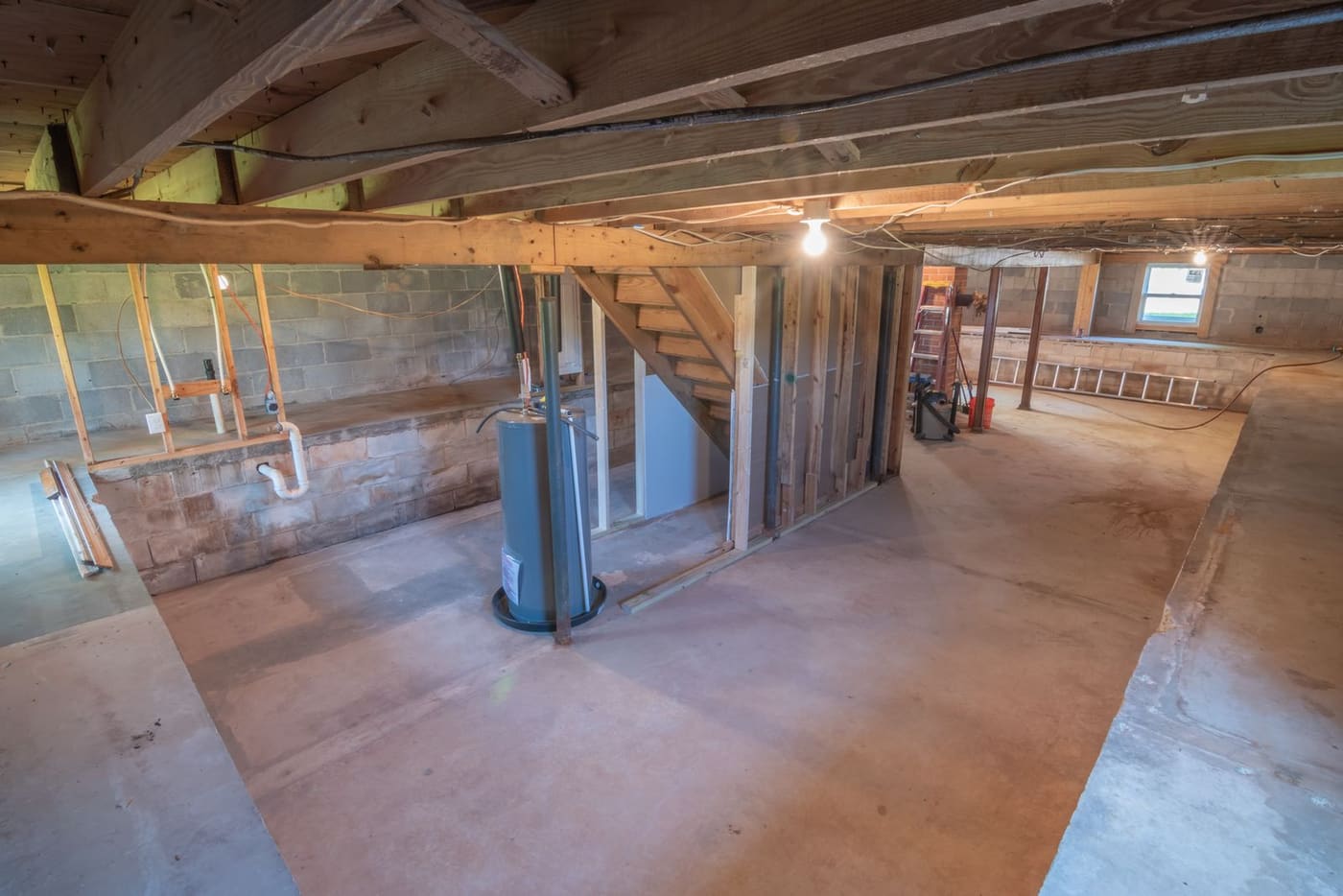
Power first — standing water near outlets, cords, or appliance bases is the injury risk in this scenario; breakers before boots. Then move water out (wet-vac, pump), belongings up, and air through: air movers plus a dehumidifier, because concrete keeps releasing absorbed moisture for days after it looks dry (the drying guide covers placement, and renting vs buying that equipment has real math). Finished basements that took more than an inch, or any basement wet for over a day, are in call-a-pro territory — soaked drywall and carpet pad don't negotiate.
While the floor is still wet, map it. Photograph every entry point — which cracks, how far along the cove joint, whether the floor drain backed up. That map is the exact diagnostic a waterproofing contractor needs, and it evaporates with the puddles.
Talk to a water damage pro now
Answered 24/7 · Toll-free · answered 24/7 · no obligation
(888) 840-6512Mold can establish within 24–48 hours of water exposure — drying started today stays a drying job.
- Describe the damage & give your ZIP
- You're routed to the on-call local crew
- They quote — you decide, no obligation
What Actually Works (and What Doesn't)
Doesn't: sealers, waterproof paint, crack injection alone. Hydrostatic pressure doesn't argue with coatings — it relocates to the next pore. Crack injection has its place for isolated wall cracks; as a floor-seepage cure it's a repeat customer program.
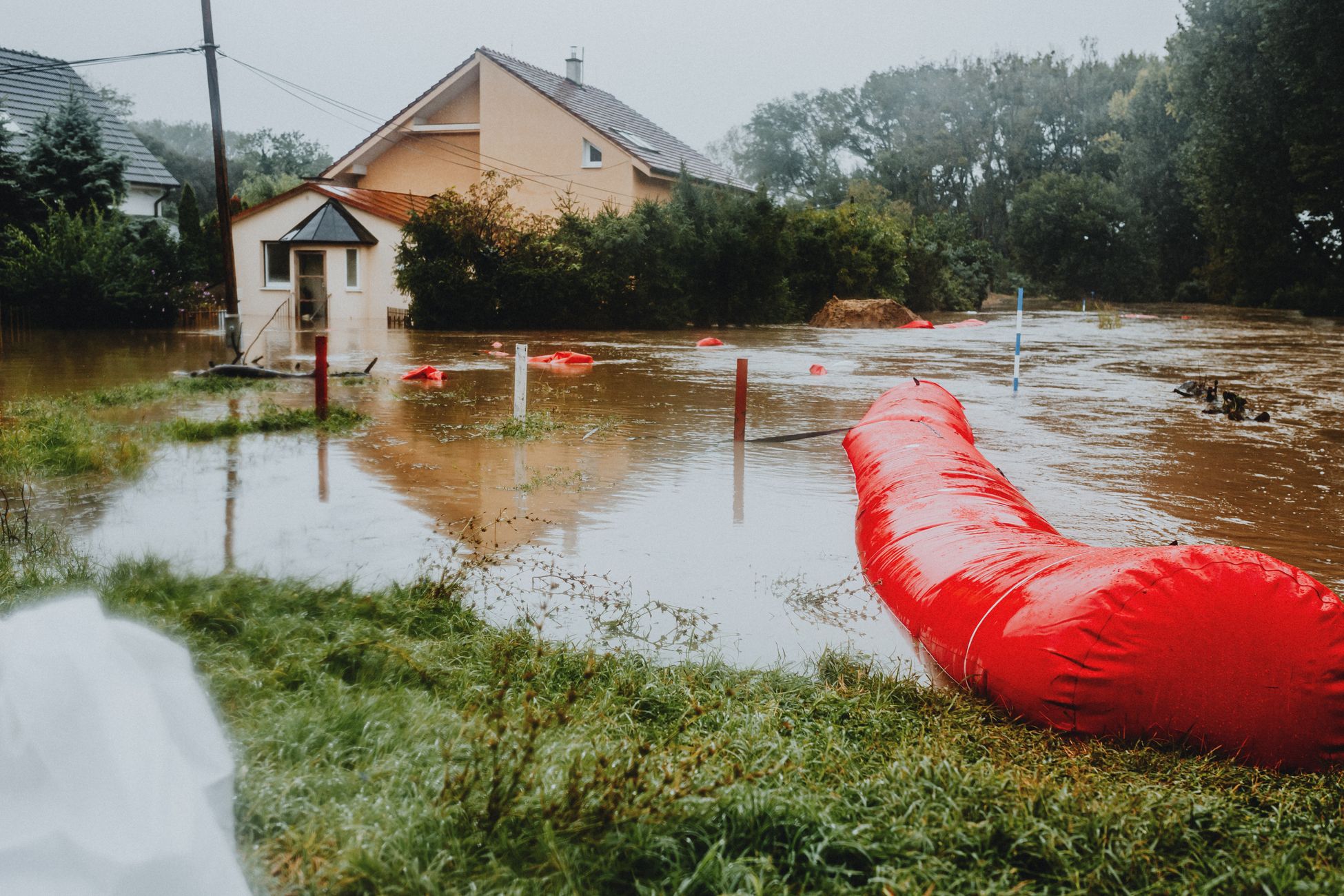
Works, tier 1 — keep the water away ($500–$2,000): roof water is the largest controllable input to the soil around your foundation. Downspouts extended 6+ feet, gutters actually clean, grading sloped away from the house. Unglamorous, and it resolves a genuinely surprising share of rain-only seepage — always spend here first.
Works, tier 2 — manage the pressure ($3,000–$10,000): interior perimeter drain (drain tile) under the slab edge, feeding a sump basin and pump. It doesn't fight the pressure; it gives the water a lower-effort path than your floor and pumps it out. Per-foot pricing runs $50–$100; get two quotes, and treat any bid without a written per-foot breakdown as a negotiation opener. Add the battery backup ($400–$1,200) without debate — sumps fail precisely when storms take the power out, which is precisely when you need them.
Works, tier 3 — exterior excavation ($10,000–$30,000): dig-and-membrane waterproofing, for wall failure and chronic cases where interior management isn't enough. Most floor-seepage homes never need it.
Full recovery-and-prevention sequencing after a flood event is covered in the basement waterproofing after a flood guide.
The Insurance Reality
Standard homeowners policies exclude groundwater seepage — this scenario is what flood insurance and water-backup riders exist for, and why the prevention spend above is really an insurance decision. Document events anyway: if a sump failure or sewer backup contributed, riders you may already carry can apply, and a documented history strengthens any future claim dispute.
Bottom Line
Confirm it's groundwater with the meter test, respond with power-safety and real drying, map the entry points while they're visible, then spend in order: gutters and grading first, drain tile and sump second, excavation only when the house insists. Concrete that weeps in storms is manageable — with a system, not a coat of paint.

Reading to confirm what you already suspect?
Confirm it in two minutes instead — the pro on this line answers questions about YOUR situation all day: what it is, what it should cost, whether you even need service. If you want, they'll set the appointment on the same call.
Toll-free · no obligation · asking costs nothing
Frequently Asked Questions
Why is water coming up through my basement floor?
After heavy rain, the soil around your foundation saturates and the water table rises; groundwater then pushes up through the slab under hydrostatic pressure — entering through hairline cracks, the cove joint (where floor meets wall), and the concrete's own pores.
It stops when the water table drops, and returns with the next storm unless the pressure is managed.
How do I know it's groundwater and not a plumbing leak?
Timing and the meter: groundwater arrives during or after heavy rain and stops when things dry out; a supply or sewer problem doesn't care about weather.
Run the 20-minute water meter test (everything off, watch the meter) — a still meter plus rain-correlated water means groundwater. Water that's constant, warm, or smells like sewage is plumbing, and a different call.
What actually stops water coming up through the slab?
Managing the water, not blocking it: exterior grading and downspout extensions ($500–$2,000) fix a surprising share of cases by keeping roof water away from the foundation; an interior perimeter drain (drain tile) feeding a sump pump ($3,000–$10,000) is the reliable fix for true high-water-table homes.
Slab sealers and paint fail because pressure finds the next pore — you can't paint against hydrostatic pressure.
How much does basement waterproofing cost?
Gutter/downspout/grading corrections: $500–$2,000. Interior drain tile with sump pump: $3,000–$10,000 for a typical basement (per-foot pricing, $50–$100/ft).
Exterior excavation waterproofing: $10,000–$30,000, reserved for wall-failure cases. A battery backup for the sump ($400–$1,200 installed) is the least expensive insurance in the whole category — pumps fail exactly when storms kill power.
Is water coming through the basement floor covered by insurance?
Usually notBy standard homeowners insurance — groundwater seepage and flooding are excluded, and this specific scenario is what flood policies and water-backup riders exist for.
Document it anyway: if a sump failure or sewer backup contributed, riders you may already carry can apply. The damage to finished basements is exactly why the fix is worth pricing.
Who do I call right now for water damage?
Call (888) 840-6512. The line is answered 24 hours a day, seven days a week, and connects you with an IICRC-certified water damage restoration company that serves your area. Describe what you can see — where the water is coming from, how long it has been there, and whether it smells — the more specific you are, the faster the right company is on the line.
If the source is a pipe or an appliance, shut the main water valve first. Have four things ready and the call goes quickly: the address, when the water started, what is wet now, and whether you have filed an insurance claim.
Still not sure which of these is your situation? (888) 840-6512 · toll-free · answered 24/7
Sources
- InterNACHI — Basement Water Intrusion
- IICRC S500 Standard for Professional Water Damage Restoration
- EPA — Mold and Moisture in Basements
Methodology: How we source and verify data · Report an error
Disclaimer: HearthDry is an independent educational resource. This article is for informational purposes only and does not constitute professional, legal, or insurance advice. Consult licensed professionals before making decisions about your property or insurance claims.
Watch
Source: U.S. Waterproofing — YouTube
Free 2-day shipping
Amazon Prime members pay no shipping on restoration equipment
Dehumidifiers, air movers, and moisture meters qualify for free Prime delivery — bulk items that otherwise cost $15–$40 to ship.
Affiliate link — HearthDry earns a bounty if you sign up; costs you nothing extra.
Equipment
What each machine actually does
Removes the moisture the structure is still giving off — the machine that decides how long drying takes
See the picks →Moves air across wet surfaces so the dehumidifier has something to take out of the air
See the picks →Finds water behind walls and under floors, and tells you when a material is actually dry
See the picks →Alerts you the moment a leak starts — the cheapest thing on this list and the only preventive one
See the picks →Those pages carry affiliate links. As an Amazon Associate, HearthDry earns from qualifying purchases; it costs you nothing extra.
Our Amazon storefront →Advertisement
