Best Concrete Crack Sealer in 2026 — Injection Kits for Basement Walls, Fillers for Floors, and the Cracks That Need an Engineer Instead

Best Concrete Crack Sealer in 2026

Injection Kits for Basement Walls, Fillers for Floors, and the Cracks That Need an Engineer Instead

5 picks compared · prices, ratings and stock checked October 12, 2026

Our Top Pick

For a leaking crack in a poured concrete basement wall, the RadonSeal Complete DIY Foundation Crack Repair Kit, 10 Ft: urethane injection through a standard caulking gun, with no drilling. For a crack in a garage floor, patio or driveway, the DAP Concrete Crack Filler, which states a single-pass limit of 1/2 in wide by 1/2 in deep.

4.6 on Amazon · 1,182 ratings

Quick answer

If water seeps through a thin crack in a poured concrete basement wall, inject it from inside with the RadonSeal Complete DIY Foundation Crack Repair Kit, 10 Ft, rated 4.6 stars across 1,182 Amazon ratings; per its listing, the two-component urethane goes in with a standard caulking gun and no drilling. For a floor or driveway crack up to 1/2 in wide, a pour-in product such as DAP Concrete Crack Filler is the simpler fix. A horizontal crack, a bowing wall or a stair-step crack in block is a structural question, so have a structural engineer look before you seal anything.

Our Picks at a Glance

Every pick below is currently stocked — ratings and stock read from Amazon on 12 October 2026.

Best for a Wall Crack That Is Leaking Now
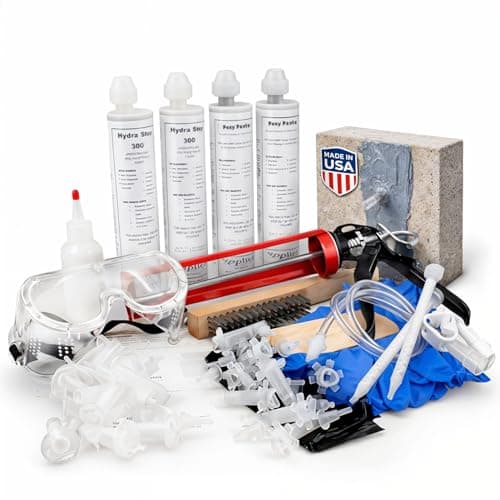
Applied Technologies Hydra Stop 300 Fast Set Crack Injection Kit, 10 ft (Expanding Polyurethane Foam)
4.3 from 706 Amazon ratings · checked 12 OctAmazon's Choice

Best for: A crack in a poured concrete basement wall that is wet or actively leaking when you do the repair

Type:
Expanding polyurethane foam injection through surface ports
Crack length:
10 ft, per the title; Applied Technologies also lists a 20 ft kit

Listing verified 13 Oct 2026

How this page was made: we compare the current Amazon listings, the makers' published specs and what verified buyers report, then rank by fit for the job. Ratings, review counts and stock are read from Amazon and dated. We earn a commission on purchases through our links; it does not change the order. Reviewed by Marcus Reed, IICRC-certified Water Restoration Technician.

Full Reviews

Each pick in detail: what the listing states, what buyers report, and where it falls short.

#1
Best for Basement Wall Cracks

Check price

on Amazon ↗

Listing verified 13 Oct 2026

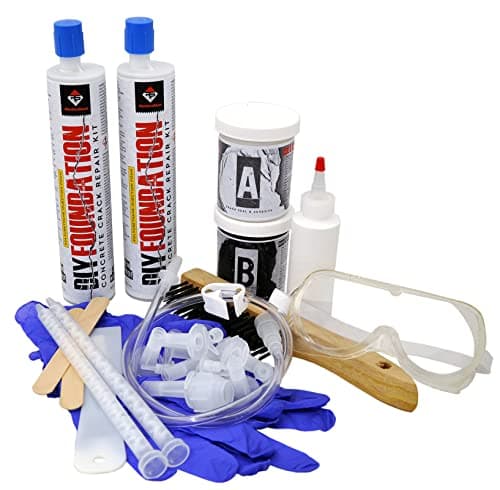
RadonSeal Complete DIY Foundation Crack Repair Kit, 10 Ft (Two-Component Urethane Injection)See it on Amazon ↗

Quick Verdict

RadonSeal Complete DIY Foundation Crack Repair Kit, 10 Ft: urethane injection with no drilling, for a weeping crack in a poured concrete basement wall.

Key Specs

Type

Low-viscosity, two-component urethane injection

Crack length

10 ft kit, per the title; a 20 ft kit is listed separately

Applied with

A standard caulking gun; no drilling

Works from

Inside the basement; no digging outside

Crack size (stated)

Hairline cracks named; maximum width not stated on the listing

Cure time

Not stated on the listing

Pros

  • Seals a leaking wall crack from inside, so there is no excavation along the outside of the foundation
  • Goes in with an ordinary caulking gun, with no pump, drill or injection ports to set
  • A low-viscosity urethane is made to run into hairline cracks that a thick paste would only bridge
  • The listing says the cured seal also blocks radon and soil gas at that crack; EPA notes radon can enter homes from the ground

Cons

  • Neither the largest crack width it handles nor its cure time appears on the listing
  • The listing does not say whether it can go into a crack that is running water at the time
  • A full-height crack in an 8 ft wall uses most of the 10 ft kit, so two cracks call for the 20 ft version

Suited to

A thin crack in a poured concrete basement wall that seeps after heavy rain

Our take

This suits the most common leak in a poured concrete basement: a thin vertical crack that weeps after a storm. Injection matters because the urethane goes into the depth of the crack rather than across its face, so water has to get past the full thickness of the wall instead of one surface bead. Per the listing, it is a two-component, low-viscosity urethane pushed in with an ordinary caulking gun, with no drilling. Two things the listing leaves out are worth checking on the kit instructions before you start: the widest crack it handles and how long it takes to cure. Injection is also a poured-wall method; on a concrete block wall, the hollow cores swallow the material.

Check today's price on Amazon →

Affiliate link — commission at no extra cost to you

Compare elsewhere

These open a search for this model. We quote prices only where we can verify them — Amazon, Sylvane and eBay.

#2
Best for Small Wall and Mortar Cracks

Check price

on Amazon ↗

Listing verified 13 Oct 2026

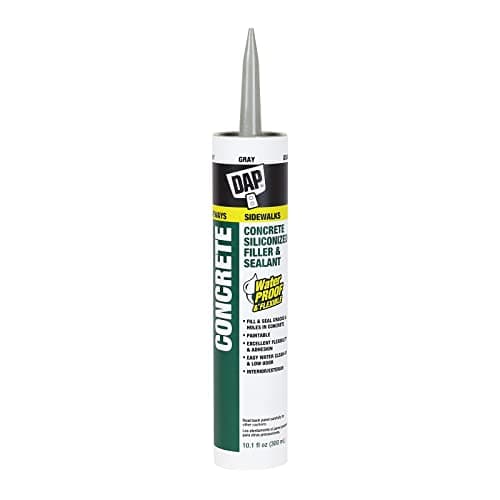
DAP Concrete and Mortar Filler and Sealant, 10.1 oz (Gray, Water Cleanup)See it on Amazon ↗

Best for Small Wall and Mortar Cracks

DAP Concrete and Mortar Filler and Sealant, 10.1 oz (Gray, Water Cleanup)

4.5(5,060 reviews)

Quick Verdict

DAP Concrete and Mortar Filler and Sealant: a paintable, water-cleanup sealant for narrow, dry cracks in walls, steps and mortar.

Key Specs

Type

Ready-to-use flexible filler and sealant; no mixing

Size

10.1 oz

Surfaces (stated)

Interior and exterior concrete and masonry

Return to service (stated)

24 hours

Cleanup

Water; low odor, per the listing

Resists when cured (stated)

Gasoline, salt, grease and oil

Pros

  • Handles concrete and mortar joints, inside or out, from one tube
  • Low odor and water cleanup make it easy to use in a closed basement
  • Takes latex or oil-based paint, so a patched wall can be painted to match
  • States a 24-hour return to service

Cons

  • No width limit on the listing, so it is a guess for anything beyond a narrow crack
  • It seals the face of a crack; water pushing through the wall from the soil side can get behind it

Suited to

Narrow, dry cracks in a basement wall, a step or a mortar joint, where a painted finish matters

Our take

Think of this as the caulk of the concrete aisle. It suits narrow, dry cracks in a basement wall, gaps in mortar joints, and the fine lines in a concrete step or stoop, and because it is low odor and cleans up with water, it is easy to work with indoors. What it does is seal the face of the crack. That is enough for a crack that lets in damp air or an occasional trickle at the surface, but a crack carrying water from saturated soil can push past a surface seal, which is where the injection kits earn their place. With no maximum width on the listing, keep it to narrow cracks and press it in firmly so it fills rather than bridges.

Check today's price on Amazon →

Affiliate link — commission at no extra cost to you

#3
Best for Cracks and Joints That Move

Check price

on Amazon ↗

Listing verified 13 Oct 2026

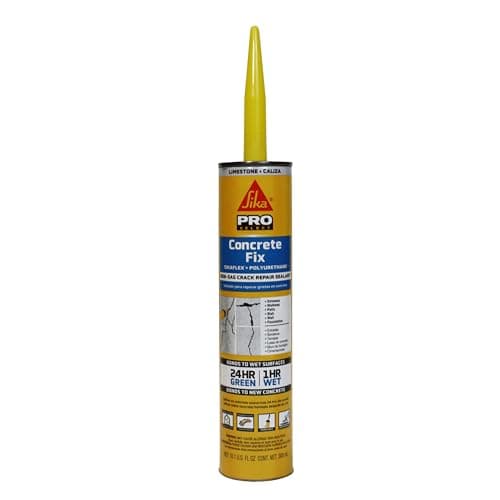
Sika Sikaflex Concrete Fix Crack and Joint Sealant, 10.1 fl oz (Limestone, Urethane)See it on Amazon ↗

Quick Verdict

Sika Sikaflex Concrete Fix: a urethane sealant rated for ±35% movement, for outdoor cracks and joints that open and close.

Key Specs

Type

Urethane-based crack and joint sealant

Movement (stated)

±35% joint movement range

Size

10.1 fl oz cartridge; fits most applicator guns

Surfaces named

Concrete, brick and stucco; also window and door joints

Storage (stated)

Dry place, 40 to 95°F

Color

Limestone

Pros

  • A stated ±35% movement range suits cracks and control joints that open in winter and close in summer
  • Bonds to concrete, brick and stucco, so one cartridge covers a slab joint and a cracked brick step
  • Urethane base, which the listing ties to reducing radon entry

Cons

  • Neither a cure time nor a maximum crack width appears on the listing
  • The listing says it meets federal and industry standards without naming which ones
  • Needs a caulk gun, and a gun-applied bead is slow going on a long floor crack

Suited to

Outdoor slab cracks and joints that move with the seasons, especially where they send water toward the foundation

Our take

Movement is the reason to buy this one. A ±35% rating means the cured bead can stretch and compress by about a third of the joint's width without tearing, which is what a crack in an outdoor slab does as it heats and cools through the year. A rigid filler in the same crack tends to split again along the old line. Use it where a driveway meets the garage slab, along a sidewalk joint that has opened, or at the base of exterior steps where rainwater runs toward the foundation wall. Because the listing names no cure time and does not say which standards it meets, read the cartridge label for both before rain is forecast.

Check today's price on Amazon →

Affiliate link — commission at no extra cost to you

#4
Best for Floor and Driveway Cracks

Check price

on Amazon ↗

Listing verified 13 Oct 2026

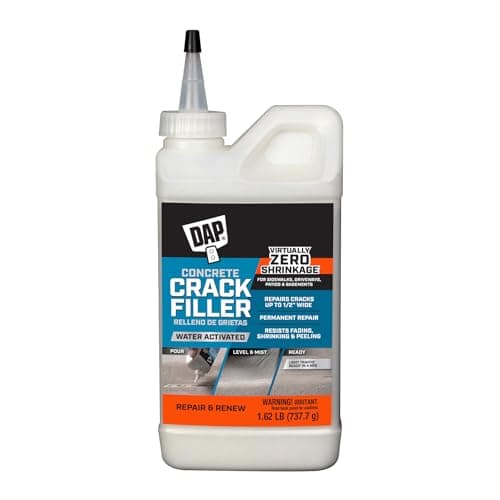
DAP Concrete Crack Filler, 1.62 lb (Gray, Water-Activated Powder)See it on Amazon ↗

Best for Floor and Driveway Cracks

DAP Concrete Crack Filler, 1.62 lb (Gray, Water-Activated Powder)

4.4(1,769 reviews)

Quick Verdict

DAP Concrete Crack Filler: a pour-and-mist powder for flat cracks up to 1/2 in by 1/2 in, with stated 4-hour and 48-hour return times.

Key Specs

Type

Water-activated dry powder; no shaking or mixing

Use (stated)

Horizontal cracks in concrete, stone and masonry

Crack size (stated)

Up to 1/2 in wide by 1/2 in deep in a single pass

Foot traffic (stated)

Light foot traffic in 4 hours

Full service (stated)

Vehicles included, within 48 hours

Method (stated)

Prep the surface, fill the crack, mist with water

Pros

  • The only pick on this page that states a crack-size limit: 1/2 in wide by 1/2 in deep per pass
  • Pour and mist, with no bucket, trowel or mixing
  • A driveway can take a car again within 48 hours, per the listing

Cons

  • For flat surfaces only; a wall crack needs a gun-applied or injection product
  • Its listing makes no flexibility claim, so a crack that opens and closes with the seasons suits the Sikaflex better
  • Anything wider or deeper than 1/2 in falls outside its single-pass claim

Suited to

Cracks up to 1/2 in wide in a garage floor, basement slab, patio or driveway

Our take

On a garage floor, basement slab, patio or driveway, the stated numbers on this listing make the job easy to plan. Up to 1/2 in wide and 1/2 in deep goes in one pass, people can walk on it in 4 hours, and cars can go back on it in 48. The method suits a flat crack: clear out loose material, pour the powder in, and mist it to set it. It is the wrong product for a wall, and on a basement floor it can treat only a symptom. A slab crack that pushes up water after rain is showing groundwater under pressure, and filling it moves the water to the next weak spot rather than stopping it.

Check today's price on Amazon →

Affiliate link — commission at no extra cost to you

#5
Best for a Wall Crack That Is Leaking Now

Check price

on Amazon ↗

Listing verified 13 Oct 2026

Applied Technologies Hydra Stop 300 Fast Set Crack Injection Kit, 10 ft (Expanding Polyurethane Foam)See it on Amazon ↗

Quick Verdict

Applied Technologies Hydra Stop 300 Fast Set Crack Injection Kit: a full port-injection kit with expanding foam for a crack leaking right now.

Key Specs

Type

Expanding polyurethane foam injection through surface ports

Crack length

10 ft, per the title; Applied Technologies also lists a 20 ft kit

In the box (stated)

2 units of Hydra Stop 300 polyurethane foam, 2 Poxy Paste crack sealants, 15 surface ports, 10 corner ports, caulk gun, injection hose, wire brush, gloves, safety glasses, drop cloth and 10 wooden sticks

How it works (stated)

The foam expands to fill the crack

Moisture (stated)

Applied Technologies' 20 ft kit listing says Hydra Stop 300 reacts with moisture and expands

Cure time

Not stated; Fast Set appears in the name without a time

Pros

  • Everything for port injection comes in the box, including the caulk gun and surface paste
  • Foam that reacts with moisture, per Applied Technologies, suits a crack that is wet or running when you need to fix it
  • Port injection pushes foam through the depth of the wall rather than across its face

Cons

  • More steps than the RadonSeal kit: ports and surface paste go on before any foam goes in
  • The listing's talk of structural integrity overstates what foam does; it seals water, it does not bond a moving wall
  • Neither a cure time nor a width limit appears on the listing

Suited to

A crack in a poured concrete basement wall that is wet or actively leaking when you do the repair

Our take

Pick this kit when the crack is wet or running at the time you want to fix it. Port injection usually works by sealing the face of the crack with paste, then pushing foam in through one port until it shows at the next, so the foam fills the crack through the wall's depth. Applied Technologies' 20 ft listing says the foam reacts with moisture and expands, which is why a damp crack suits it. Ignore the listing's wording about structural integrity. Flexible foam is a water seal; a crack in a wall that is still moving needs an engineer and a structural repair, and foam in that crack only hides the movement for a while.

Check today's price on Amazon →

Affiliate link — commission at no extra cost to you

Buyer's Guide

What to know before you buy.

Match the Product to the Crack

Start with where the crack is and which way it runs. A thin vertical crack in a poured concrete basement wall that seeps after rain is an injection job: the RadonSeal kit in most cases, or the Hydra Stop kit if water is running through the crack when you work. A narrow, dry crack in a wall, a step or a mortar joint takes a gun-applied product such as the DAP Concrete and Mortar Filler and Sealant. A crack in a flat surface such as a garage floor, patio or driveway takes a pour-in filler, and DAP Concrete Crack Filler states a limit of 1/2 in wide by 1/2 in deep per pass. A crack or joint that opens in winter and closes in summer needs a flexible sealant rated for movement, such as Sikaflex Concrete Fix at ±35%. Only one of these listings states a width limit, so read the label of the others before you buy.

Injection, Surface Sealant or Epoxy: How They Differ

A surface sealant closes the face of a crack. An injection fills the crack through the thickness of the wall, so water has to get past the whole depth rather than one bead. Both injection kits here use urethane or polyurethane, which stays flexible after it cures, so a wall that shifts slightly with the seasons does not tear the seal. Epoxy is the other injection material. It cures hard and bonds the two sides of a crack together, which is why it is used for structural repairs, but if the wall is still moving, a rigid repair tends to crack again beside the old line. That makes epoxy a material for an engineer's repair plan rather than a first guess. In a stable wall with a leaking crack, flexible polyurethane is the usual homeowner choice.

What a Sealer Cannot Stop: Water Pushing From the Soil

A sealed crack stops water coming through that crack. It does not lower the pressure of wet soil and groundwater against the wall, so if the ground outside stays saturated, the water looks for the next path: another crack, the joint where the wall meets the floor, or the slab itself. That is why basements that leak after every storm are usually fixed outside first. EPA's moisture advice is to clean and repair roof gutters and to make sure the ground slopes away from the foundation. The arithmetic shows why: every inch of rain on 1,000 sq ft of roof is about 620 gallons, and a downspout that empties at the wall drops that water right beside it. Extend downspouts, regrade low spots, and if water rises through the floor, plan for a drain and sump pump rather than more sealant.

Cracks That Need a Structural Engineer, Not a Sealer

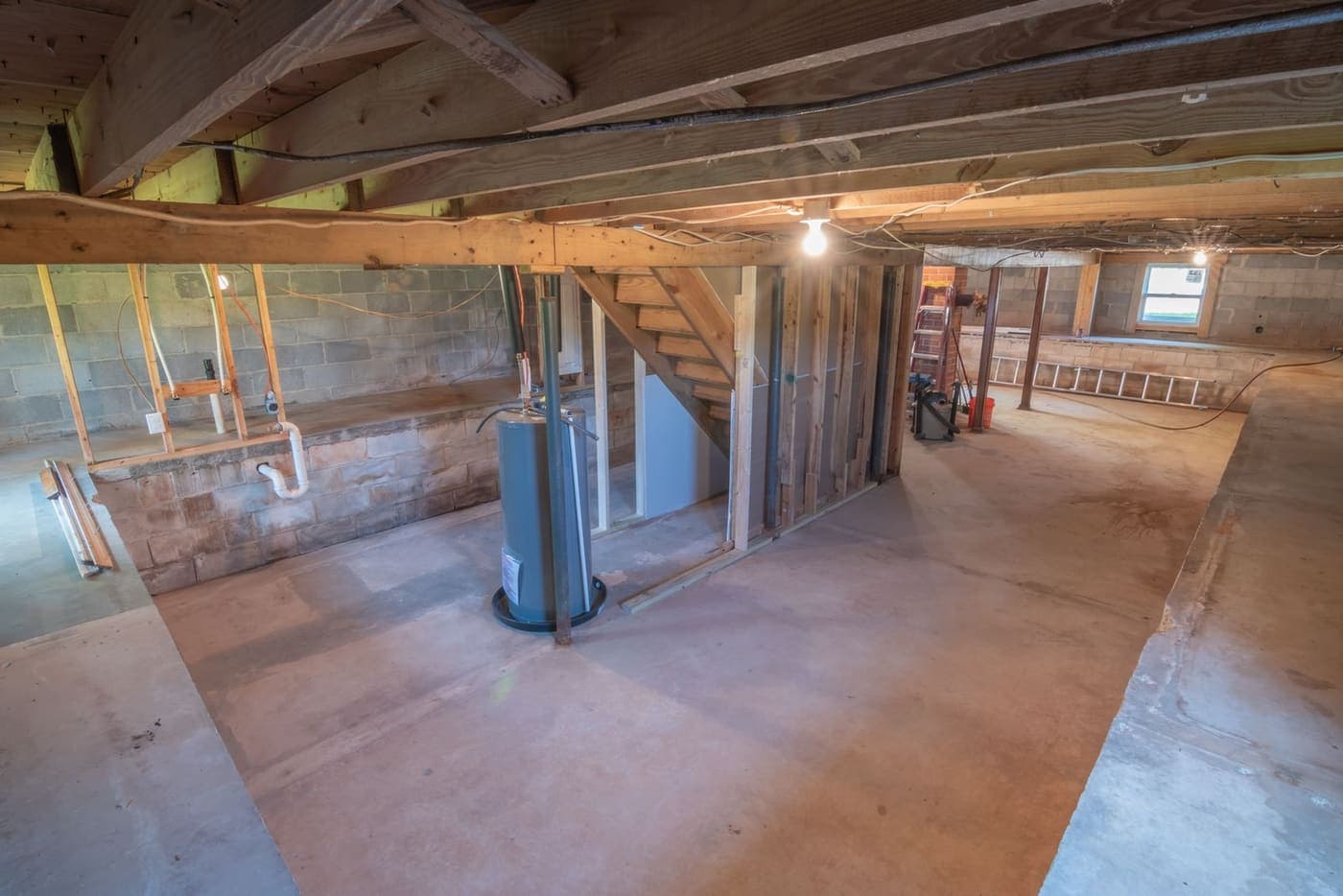
Some cracks are a sign that the wall is moving, and no product on this page is the right first step for them. Call a structural engineer before you seal if you see a horizontal crack in a basement wall, a wall that bows or leans inward, a stair-step crack running through the mortar joints of a block wall, a crack where one side sits farther out than the other, or a crack that is wider at one end or keeps getting wider. Cracks wider than a product's stated limit belong in the same group. Signs upstairs count too, such as doors and windows that start to stick or new gaps at trim. Sealing these hides the evidence an engineer needs to see. To watch a crack you are unsure about, mark both ends in pencil with the date and measure its width each month.

Who Should Not Buy a Crack Sealer

A crack sealer is the wrong purchase in several common situations. If the basement wall is concrete block or fieldstone, injection kits are a poor fit, because block has hollow cores that swallow the material and fieldstone rarely leaks through one clean crack. If water enters where the wall meets the floor, that seam is a joint between two separate pours, and the fix is drainage rather than a bead along the edge. If the floor is wet across a wide area, or water rises through it after rain, you need a drain and a sump pump. After a flood with standing water, dry the space before any repair; EPA advises drying water-damaged areas within 24 to 48 hours to prevent mold. And if you rent, report the crack to the landlord, since a foundation repair is the owner's decision.

Prep, Cure Time and Checking Your Work

Most failed crack repairs fail at the prep. Clear loose concrete, dust and old filler out of the crack with a wire brush and a vacuum, and follow each label on whether the crack should be dry or damp. Cure times appear on only two of these listings: the DAP Concrete and Mortar Filler and Sealant returns to service in 24 hours, and the DAP Concrete Crack Filler takes light foot traffic in 4 hours and vehicles in 48. The RadonSeal, Sikaflex and Hydra Stop listings give no cure time, so read the cartridge or kit instructions before you paint, cover the area or expect rain. Sika's listing asks for storage between 40°F and 95°F. Then wait for the next heavy rain and look at the crack. A dry line means the seal held; a damp one usually means water is finding another way in.

Frequently Asked Questions

Does sealing a foundation crack stop water from coming in?

It stops water coming through that crack, but not the pressure of wet soil pushing on the foundation. If the ground outside stays saturated, the leak tends to move to the next weak point, such as another crack or the joint where the wall meets the floor.

Seal the crack, then deal with the source: gutters, downspout extensions and grading that send water away from the house, plus a sump pump if water comes up through the floor.

Can you fix a basement wall crack from the inside?

YesAn injection kit can seal a leaking crack in a poured concrete wall from the inside without digging.

The RadonSeal Complete DIY Foundation Crack Repair Kit goes in with a standard caulking gun and needs no drilling, per its listing, while the Hydra Stop 300 kit uses surface ports and paste. Interior injection is a poor fit for concrete block or fieldstone walls, and it does not fix a crack caused by a wall that is moving.

When should I worry about a crack in my foundation?

Worry when a crack is horizontal, stair-stepped through block, wider at one end, offset so one side sticks out, wider than a sealer's stated limit, or still growing.

Those patterns point to soil pressure or settlement moving the wall, and a structural engineer should see them before anyone seals them. Thin vertical cracks in poured concrete usually come from shrinkage as the concrete cured, and they mainly matter when they let water in.

What is the best sealer for concrete cracks?

The best sealer depends on where the crack is. A leaking crack in a poured concrete basement wall calls for the RadonSeal Complete DIY Foundation Crack Repair Kit, 10 Ft, which injects urethane into the crack.

Floor, patio and driveway cracks up to 1/2 in wide suit DAP Concrete Crack Filler, which pours in and sets with water. A joint that moves with the seasons needs a flexible urethane sealant such as Sikaflex Concrete Fix, rated for ±35% movement.

Is epoxy or polyurethane better for foundation crack repair?

Polyurethane is better for sealing a leaking crack in a stable wall, and epoxy belongs to structural repairs an engineer specifies. Polyurethane stays flexible and, as a foam, expands to fill the crack, which copes with the small seasonal movement of a basement wall.

Epoxy cures hard and bonds the crack shut, but a rigid repair in a wall that is still moving tends to crack again right beside it.

How long does concrete crack filler take to dry?

It ranges from a few hours to two days depending on the product, so go by the label. DAP Concrete Crack Filler states light foot traffic in 4 hours and full service, cars included, within 48 hours.

DAP Concrete and Mortar Filler and Sealant states a 24-hour return to service. The RadonSeal, Sikaflex and Hydra Stop listings give no cure time, and cold weather slows most of these products.

Who do I call right now for water damage?

Call (888) 840-6512. The line is answered 24 hours a day, seven days a week, and connects you with an IICRC-certified water damage restoration company that serves your area. A recorded menu picks up first: choose water damage or mold, key in your 5-digit ZIP code, and hold through the short silence while the call is passed to the company.

Describe what you can see — where the water is coming from, how long it has been there, and whether it smells — the more specific you are, the faster the right company is on the line. If the source is a pipe or an appliance, shut the main water valve first. Have four things ready and the call goes quickly: the address, when the water started, what is wet now, and whether you have filed an insurance claim.

Still not sure which of these is your situation? (888) 840-6512 · toll-free · answered 24/7

Sources

  1. EPA — A Brief Guide to Mold, Moisture, and Your Home
  2. EPA — Radon Risks and Solutions

Methodology: How we source and verify data · Report an error

How we chose these picks

  • Every pick is a current listing. Stock, star ratings and rating counts are read from Amazon by script and carry the date they were read.
  • Nothing under 4.0 stars makes the list, and the top pick needs a large rating count, so one good week of reviews cannot put it there.
  • Specs are quoted from the listing or the maker, with the test condition behind the number where there is one, and sized against the job rather than the room on the box.
  • We do not run lab or field tests. Where a spec matters, we say what it is measured under and what it cannot tell you.

Free 2-day shipping

Amazon Prime members pay no shipping on restoration equipment

Dehumidifiers, air movers, and moisture meters qualify for free Prime delivery — bulk items that otherwise cost $15–$40 to ship.

Try Prime free →

Affiliate link — HearthDry earns a bounty if you sign up; costs you nothing extra.

Also Worth Comparing

Best Dehumidifier for Basement Use in 2026 — Drain Hose, Built-In Pump and Honest Pint Ratings

Most basement dehumidifier disappointment comes from two numbers nobody reads properly: the pint rating, measured at warm test conditions a 60°F basement never reaches, and the drainage method. Five units are compared here on those two points first, from a garden-hose drain to a built-in pump with a stated 15 ft lift.

Read the comparison

Best Sump Pumps for Basements in 2026 — Sized by Lift, Not Horsepower

The right sump pump prevents basement flooding before it starts — and handles it fast when it happens. These are the 3 best sump pumps for basement flooding in 2026, tested and ranked by an IICRC-certified water damage restoration technician.

Read the comparison

Best Downspout Extensions in 2026 — Flexible Pipes Measured Against the 4 to 10 ft Rule, for a Drier Basement

Roof water that lands at the foundation is one of the most common reasons a basement gets wet, and an extension is the low-cost way to carry it out to ground that drains away. These picks are measured against how far each one reaches by its own listing, and against the grading, ice and mowing problems that decide whether an extension keeps working.

Read the comparison

Best Basement Waterproofing Paint in 2026 — Masonry Waterproofers Compared, and the Leaks No Paint Can Stop

Basement waterproofing paint can slow damp seepage through bare concrete and block, but it will not hold back a leaking crack, groundwater pressing up from a high water table, or rain the yard funnels toward the foundation. These picks are compared on what each listing states about water pressure, coverage, cure time and limits, alongside the prep that decides whether any coating stays on.

Read the comparison

Best Hydraulic Cement in 2026 — Fast-Setting Plugs for Active Basement Leaks, the Undercut That Makes Them Hold, and the Cracks They Cannot Fix

Hydraulic cement is the one patching product that sets while water is coming through it, which makes it the right first move on a weeping crack or a leaking pipe penetration in a basement wall. These picks are compared from their listings on set time, pressure claims and tub size, with the undercut that makes a plug hold, the leaks it cannot stop, and the point where a basement needs drainage rather than another tub.

Read the comparison