

Quick answer
A basement that leaks only during rain is taking water at one of five entry points: overflowing window wells, wall cracks, the cove joint (wall-floor seam), pipe penetrations, or over the foundation top in flat-graded yards. Inspect during the storm to find yours, then fix in cost order — gutters, downspout extensions and grading ($0–$2,000) solve more rain leaks than anything, crack injection runs $300–$800, and interior drain tile ($3,000–$10,000) is the escalation, not the start. Call (888) 840-6512 to reach a certified water damage restoration company in your area; the line is answered 24/7.
Written & reviewed by Marcus ReedIICRC WRT
Reviewed August 19, 2026· Next review Feb 2027
Rain Outside, Water Inside: Reading the Pattern
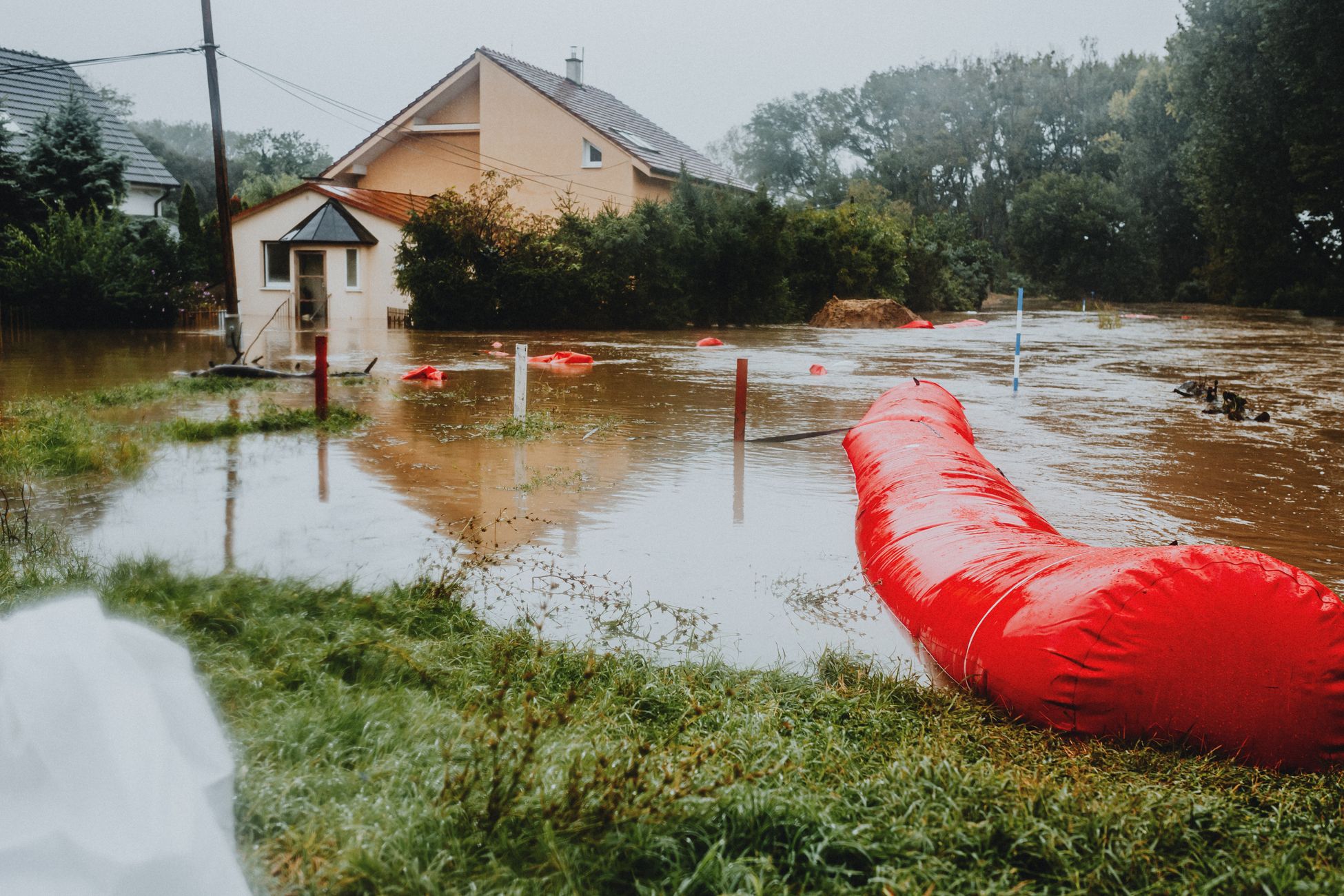
A basement that leaks *only when it rains* has already told you half the diagnosis: this is water management, not plumbing. Rain saturates the soil against your foundation, and that water probes every weakness under pressure. Your job is to find which weakness — and the rain itself is the best diagnostic tool you own.
Water rising through the floor rather than the walls is its own pattern — hydrostatic pressure under the slab — and gets a different fix ladder. This guide covers the wall-and-above entries.
The Five Entry Points
| Entry | Inside sign | Typical fix |
|---|---|---|
| Window wells | drips at frame's bottom corners | covers + well drain clearing, $50 – $500 |
| Wall cracks | wet streak starting mid-wall | injection, $300 – $800/crack |
| Cove joint | wet seam where wall meets floor | drainage, not sealant |
| Pipe penetrations | wet ring around pipe entry | hydraulic cement, $20 DIY |
| Over the top | streak from the rim joist down | grading + siding check |
The Storm-Time Inspection
Go down during the rain with a flashlight — twenty minutes of an active storm beats hours of dry-day guessing. Trace every wet streak up to its highest point: water runs down, so the top of the streak is the entry. Outside afterward: are window wells holding standing water? Where do downspouts actually dump? Does the ground slope toward the house anywhere? Photograph all of it — that map is exactly what a contractor charges to reproduce, and yours is more accurate because it was taken live.
Talk to a water damage pro now
Answered 24/7 · Toll-free · answered 24/7 · no obligation
(888) 840-6512Mold can establish within 24–48 hours of water exposure — drying started today stays a drying job.
- Describe the damage & give your ZIP
- You're routed to the on-call local crew
- They quote — you decide, no obligation
The Fix Ladder: Spend in This Order
Rung 1 — Roof water management ($0–$2,000). The roof concentrates thousands of gallons per storm into a handful of downspout exits, and if those exits sit at the foundation, you built the leak. Clean gutters, extensions carrying water 6+ feet out, splash blocks, grading sloped away. Unglamorous — and it resolves more rain-leak cases than every product with "waterproof" in its name combined.
Rung 2 — Window wells ($50–$500). Clear the well's gravel drain, fit covers, and stop the wells being buckets bolted to your foundation.
Rung 3 — Crack injection ($300–$800 per crack). Epoxy or polyurethane injection works well on isolated, non-structural cracks in poured walls. Two honest limits: block walls leak through their cores (injection is the wrong tool — they need drainage), and horizontal cracks or bowing are structural conversations, not caulk decisions.
Rung 4 — Cove joint reality. Sealant on the cove joint fails on schedule, because pressure doesn't negotiate with caulk. Persistent cove seepage after rungs 1–3 is the signal for real drainage: interior drain tile and a sump ($3,000–$10,000) — the same system, honestly priced, as in the floor-seepage guide.
While It's Wet: Protect the Basement Itself
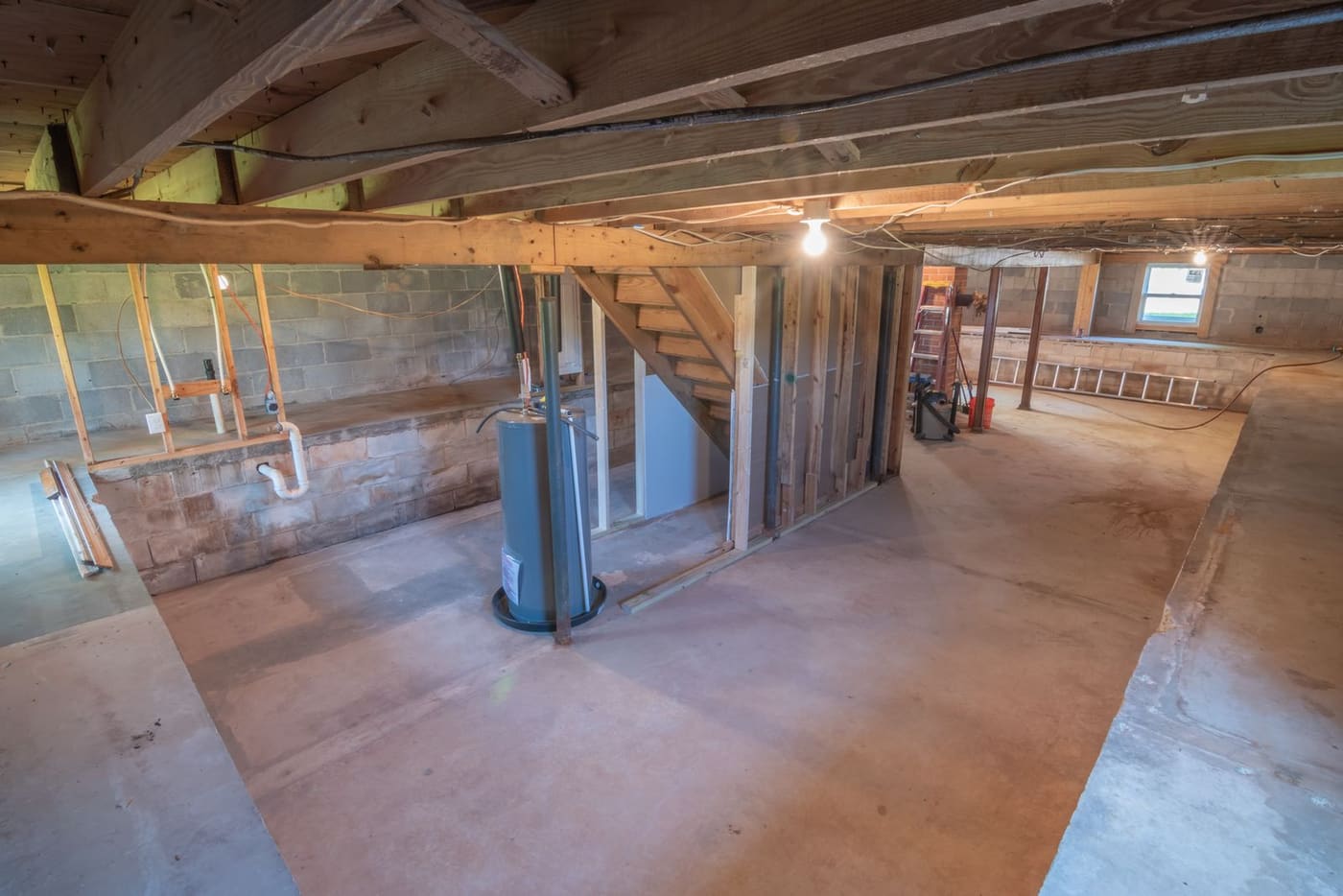
Whatever the entry, the water that got in follows the same rules as any basement water: belongings up, air moving, dehumidifier running, and carpet or drywall that soaked for more than a day treated as the restoration decision it is. A rain leak that recurs monthly does compounding damage — the musty smell is the interest payment — and the recovery-and-prevention sequence is worth running once properly instead of every storm.
The Insurance Note, Briefly
Standard homeowners policies exclude groundwater and seepage — rain-driven basement leaks are largely on you, which is why the fix ladder above is really an investment decision. Exception worth knowing: water that enters because a sump *failed* or a drain *backed up* can fall under riders you may already carry.

Bottom Line
Inspect during the storm, trace streaks to their tops, and spend up the ladder: roof water first, wells second, cracks third, drainage systems only for what survives. Most rain-leaking basements are cured below $2,000 — the $10,000 system is for the house that genuinely needs it, not the house that never extended its downspouts.
Reading to confirm what you already suspect?
Confirm it in two minutes instead — the pro on this line answers questions about YOUR situation all day: what it is, what it should cost, whether you even need service. If you want, they'll set the appointment on the same call.
Toll-free · no obligation · asking costs nothing
Frequently Asked Questions
Why does my basement leak only when it rains?
Rain saturates the soil against your foundation and puts water under pressure against every weakness: window wells that fill and overflow, hairline wall cracks, the cove joint where wall meets floor, gaps around pipe penetrations, and in flat-graded yards, over the foundation top behind the siding.
Dry-weather leaks are plumbing; rain-only leaks are water management.
How do I find where rain is getting into the basement?
Inspect during the rain, flashlight in hand — the entry point announces itself while active.
Check in order: window wells (standing water outside, drips at the frame inside), visible wall cracks (trace the wet streak upward to its highest point), the cove joint, and around every pipe entry. Photograph what you find; it's the diagnosis a contractor would charge to reproduce.
What's the least expensive fix for a basement that leaks in rain?
The exterior water-management trio, $0–$2,000: clean gutters, downspout extensions carrying roof water 6+ feet from the foundation, and grading corrected to slope away.
Roof water concentrated at the foundation is the single biggest driver of rain leaks, and a shocking share of 'waterproofing' problems are actually downspout problems.
How much does it cost to fix a leaking basement wall crack?
Epoxy or polyurethane injection of an isolated, non-structural crack runs $300–$800 per crack and works well on poured concrete walls.
Multiple cracks, horizontal cracks, or bowing walls are structural conversations, not injection jobs. Block walls leak through their cores and usually need drainage solutions rather than injection.
Do I need interior drain tile for a rain-only leak?
Not always — that's the escalation, not the starting point. If leaks persist after gutters, downspouts, grading, window-well covers, and crack injection, then interior drain tile with a sump ($3,000–$10,000) manages what the exterior fixes couldn't.
Water rising through the floor rather than walls points that direction sooner.
Who do I call right now for water damage?
Call (888) 840-6512. The line is answered 24 hours a day, seven days a week, and connects you with an IICRC-certified water damage restoration company that serves your area. Describe what you can see — where the water is coming from, how long it has been there, and whether it smells — the more specific you are, the faster the right company is on the line.
If the source is a pipe or an appliance, shut the main water valve first. Have four things ready and the call goes quickly: the address, when the water started, what is wet now, and whether you have filed an insurance claim.
Still not sure which of these is your situation? (888) 840-6512 · toll-free · answered 24/7
Sources
Methodology: How we source and verify data · Report an error
Disclaimer: HearthDry is an independent educational resource. This article is for informational purposes only and does not constitute professional, legal, or insurance advice. Consult licensed professionals before making decisions about your property or insurance claims.
Watch
Source: American Dry Basement Systems — YouTube
Free 2-day shipping
Amazon Prime members pay no shipping on restoration equipment
Dehumidifiers, air movers, and moisture meters qualify for free Prime delivery — bulk items that otherwise cost $15–$40 to ship.
Affiliate link — HearthDry earns a bounty if you sign up; costs you nothing extra.
Equipment
What each machine actually does
Removes the moisture the structure is still giving off — the machine that decides how long drying takes
See the picks →Moves air across wet surfaces so the dehumidifier has something to take out of the air
See the picks →Finds water behind walls and under floors, and tells you when a material is actually dry
See the picks →Alerts you the moment a leak starts — the cheapest thing on this list and the only preventive one
See the picks →Those pages carry affiliate links. As an Amazon Associate, HearthDry earns from qualifying purchases; it costs you nothing extra.
Our Amazon storefront →Advertisement
