
Written by Marcus Reed
Reviewed by Elena VargasLicensed Public Adjuster (TX, FL, LA)
Reviewed July 25, 2026· Next review Jan 2027
Quick answer
A water damage claim checklist starts before cleanup: stop the source, photograph and video everything, and call the insurer to open the claim the same day. Then mitigate and keep receipts, request the full line-item estimate, log every adjuster conversation with names and dates, and track recoverable depreciation so you can claim it after repairs are invoiced. Call (888) 840-6512 to reach a certified water damage restoration company in your area; the line is answered 24/7.
Sound like your situation? Confirm it in one call instead of ten more minutes of reading — (888) 840-6512 · toll-free · no obligation
Before You Touch Anything: The First 15 Minutes
The decisions you make in the first 15 minutes after discovering water damage determine how much of your claim is paid — and how much your insurer disputes later. Do these three things before anything else:
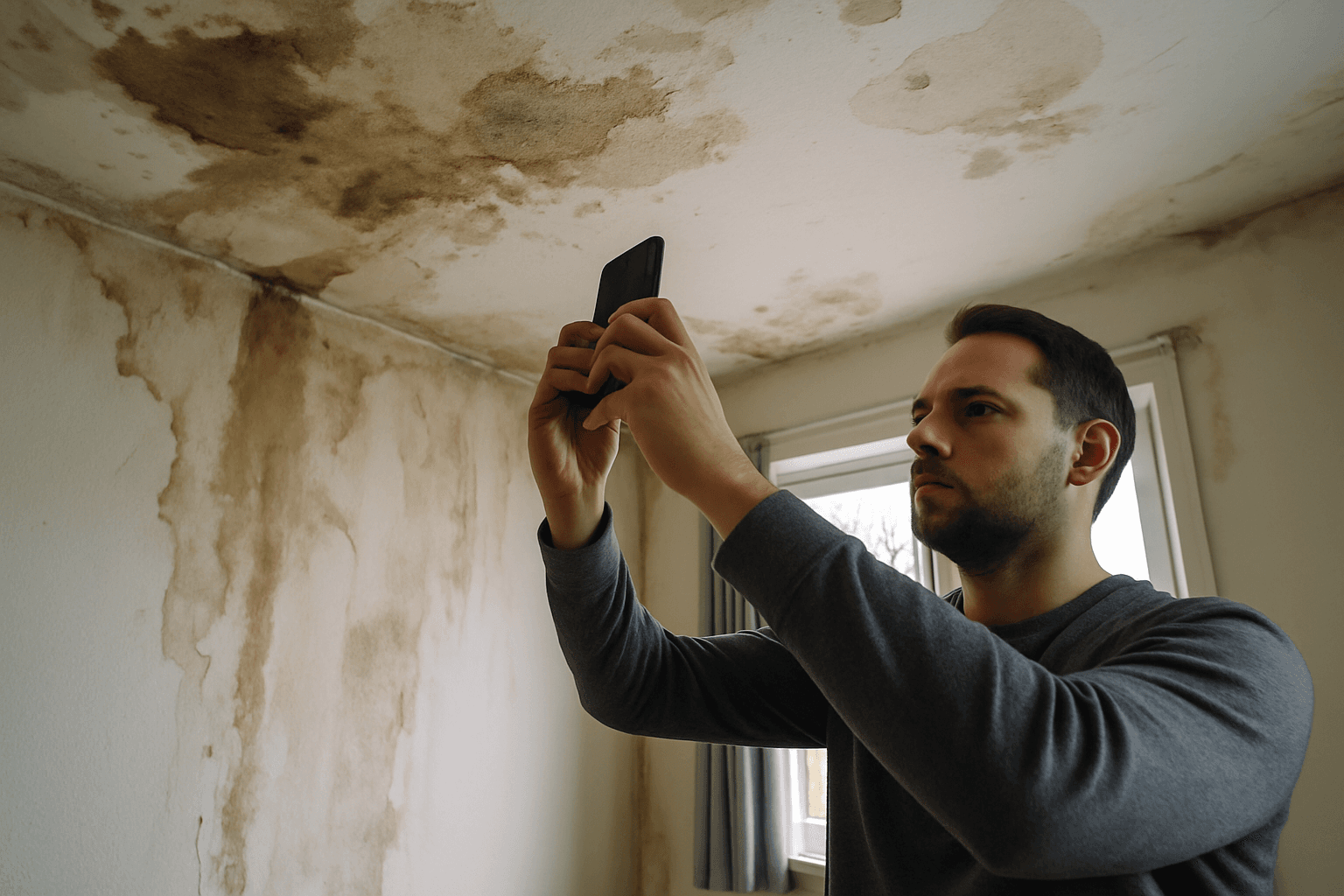
- 1Photograph everything. Every room, floor to ceiling. Get close-ups of water lines on walls, wet carpet, damaged furniture, and the water source if visible. Date-stamp is automatic on most phones — do not edit timestamps.
- 2Do NOT throw anything away. Even ruined items — soaked carpet, waterlogged drywall, destroyed electronics — are evidence. Dispose of nothing until the adjuster has seen or photographed it.
- 3Call a restoration company, not your insurer first. Your policy requires you to mitigate further damage. Extraction delays cause mold (24–48 hour window). Start the mitigation clock running before you open a claim.
Water Damage Insurance Claim Checklist — 27 Steps
Phase 1: Immediate (Hours 0–4)
| # | Action | Why It Matters |
|---|---|---|
| 1 | Photograph all damage before any cleanup | Your baseline evidence — cannot be recreated |
| 2 | Video walkthrough of entire affected area | Captures scope better than photos alone |
| 3 | Identify and photograph the water source | Insurer must confirm the cause is a covered peril |
| 4 | Turn off water supply if still flowing | Prevents additional damage; shows mitigation effort |
| 5 | Call IICRC-certified restoration company | Starts mitigation clock; produces required documentation |
| 6 | Get restoration company's written authorization | Your agreement for them to proceed and bill your insurer |
| 7 | Move valuables and electronics out of water path | Reduces contents claim; shows reasonable care |
| 8 | Open a claim with your insurer by phone | Get claim number, adjuster name, and adjuster's direct contact |
Phase 2: Day 1–3 (Documentation Sprint)
| # | Action | Why It Matters |
|---|---|---|
| 9 | List all damaged personal property | Make, model, year purchased, estimated original cost |
| 10 | Find receipts, bank statements, or serial numbers | Supports replacement cost value for each item |
| 11 | Photograph all damaged contents before removal | Required for contents claim — adjuster may not come before cleanup |
| 12 | Request restoration company's scope of work | Line-item breakdown of services being performed |
| 13 | Confirm restoration company uses Xactimate | Xactimate pricing is what adjusters cross-reference |
| 14 | Ask for daily moisture reading logs | IICRC S500 required documentation; also limits billing disputes |
| 15 | Confirm equipment count placed in your home | Verify against IICRC ratio: ~1 air mover per 50–100 sq ft |
| 16 | Check policy for ACV vs RCV coverage | Actual Cash Value depreciates items; Replacement Cost Value pays full replacement |
Phase 3: Adjuster Visit (Days 3–10)
| # | Action | Why It Matters |
|---|---|---|
| 17 | Be present when adjuster visits | You can point out damage they miss; rooms missed = items not paid |
| 18 | Do not sign anything before reading it | An adjuster's scope of loss can be disputed — signing waives some rights |
| 19 | Get adjuster's full scope in writing before they leave | Email confirmation is acceptable |
| 20 | Note everything adjuster photographs | What they document is what they pay |
| 21 | Point out hidden damage (inside walls, under floors) | Adjusters cannot see what they are not shown |
| 22 | Ask specifically about code upgrade coverage | Many policies cover bringing repairs up to current code (e.g., GFCI outlets) |
Phase 4: Settlement and Payment (Weeks 2–8)
| # | Action | Why It Matters |
|---|---|---|
| 23 | Review the adjuster's estimate line by line | Errors and omissions are common — especially in labor and equipment |
| 24 | Compare adjuster estimate to restoration company scope | Gaps between the two = supplemental claim opportunity |
| 25 | File supplements for missed items promptly | Most policies have time limits on supplemental claims |
| 26 | Verify your mortgage lender is listed on the check | Insurance checks on structural damage go to you AND your lender — both must endorse |
| 27 | Consider a public adjuster for claims over $15,000 | Their 10–15% fee often recovers 20–40% more in settlement |
What Your Insurer Looks For
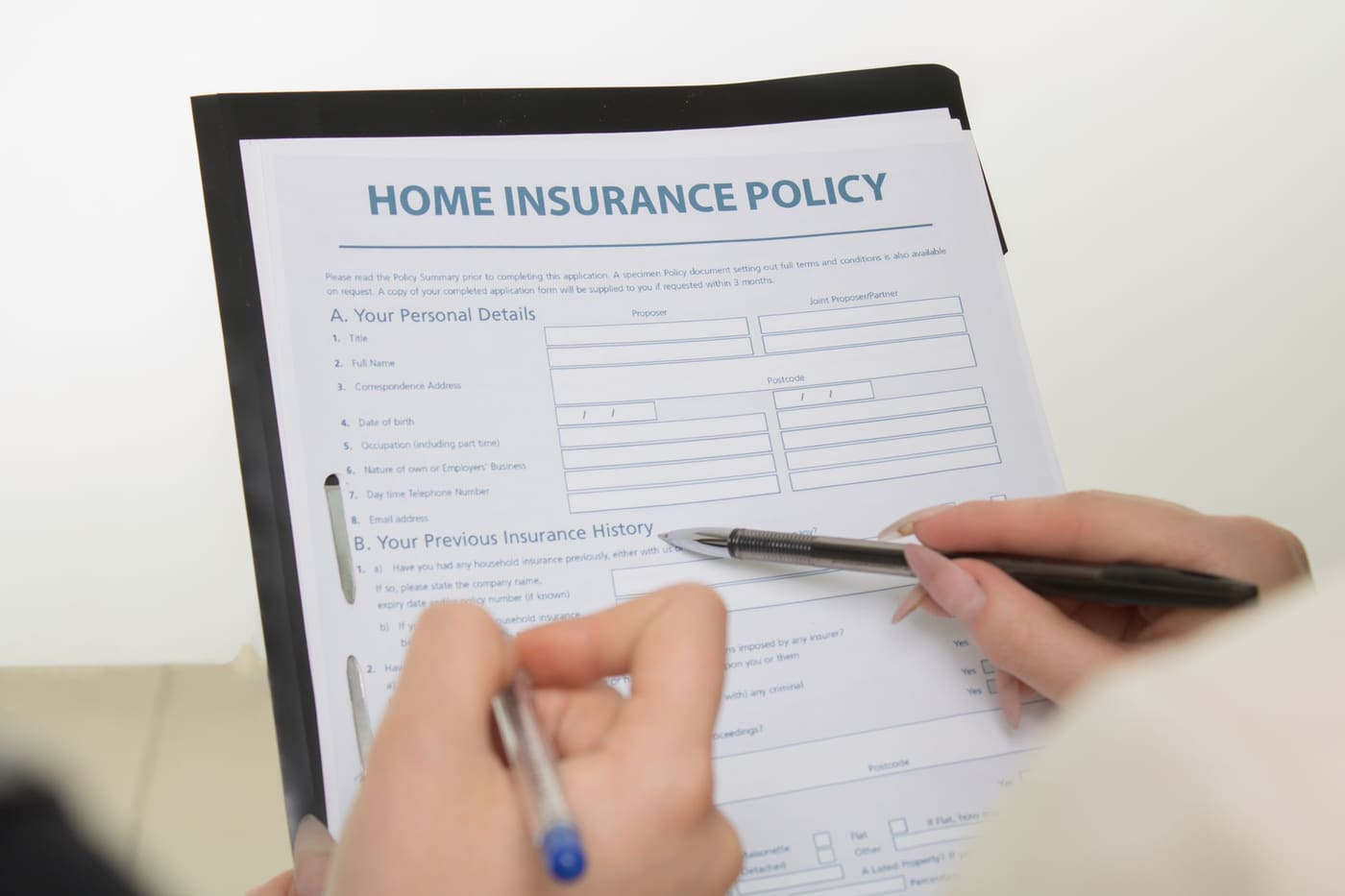
Insurance adjusters are trained to identify three things that can reduce or deny your claim:
1. Pre-existing damage. If drywall shows evidence of prior water staining, or if a pipe fitting shows corrosion over years, the adjuster may attribute the damage to a gradual leak rather than a sudden loss. Counter this with your maintenance records — HVAC service records, prior plumber invoices — showing the system was in good condition.
2. Delayed mitigation. Standard HO-3 policies require policyholders to take reasonable steps to prevent further damage. If you waited more than 48–72 hours to call a restoration company, expect questions. If you delayed due to extenuating circumstances, document them.
3. Coverage exclusions. The most common: rising water (needs separate flood policy), gradual seepage, and sewage backup (needs endorsement). If your water source is ambiguous — could be a pipe or could be groundwater — photograph the exterior and interior simultaneously to establish the internal source.
Need a contractor your insurer accepts?
Claims live or die on documentation. Crews that estimate in Xactimate and log moisture readings give adjusters what they need.
(888) 840-6512- Describe the loss and where the claim stands
- You're routed to a crew that documents for insurers
- They scope it in writing — you decide, no obligation
Flood Damage Insurance Claim: Key Differences
If your damage is from a flood (rising water from outside the home — storm surge, river overflow, heavy rainfall surface flooding), your homeowners policy does NOT cover it. You need a separate National Flood Insurance Program (NFIP) policy or private flood insurance.
NFIP flood claims work differently:
- Report to your NFIP carrier, not your homeowner insurer
- A separate NFIP adjuster (Write Your Own program) visits — not your homeowners adjuster
- NFIP pays for structural damage and contents separately (two sub-limits)
- NFIP has a 60-day proof of loss deadline — file within 60 days of the loss
- Maximum structure coverage: $250,000 (residential building); contents: $100,000
The documentation checklist is the same, but the claim process runs through a completely different insurer and adjuster system.
Red Flags That Will Reduce Your Payout
- Throwing away damaged items before the adjuster sees them
- Signing the adjuster's initial scope without review
- Letting the restoration company dispose of demo material before insurer approval
- Failing to submit a contents inventory (insurers do not ask twice)
- Not requesting the final drying report when the job is complete

Bottom Line
Water damage claims are won in the documentation phase. The restoration company's scope, the moisture logs, the adjuster's written notes, and your contents inventory are the four documents that determine your settlement. Any gap in that paper chain — and the insurer fills it in their favor.
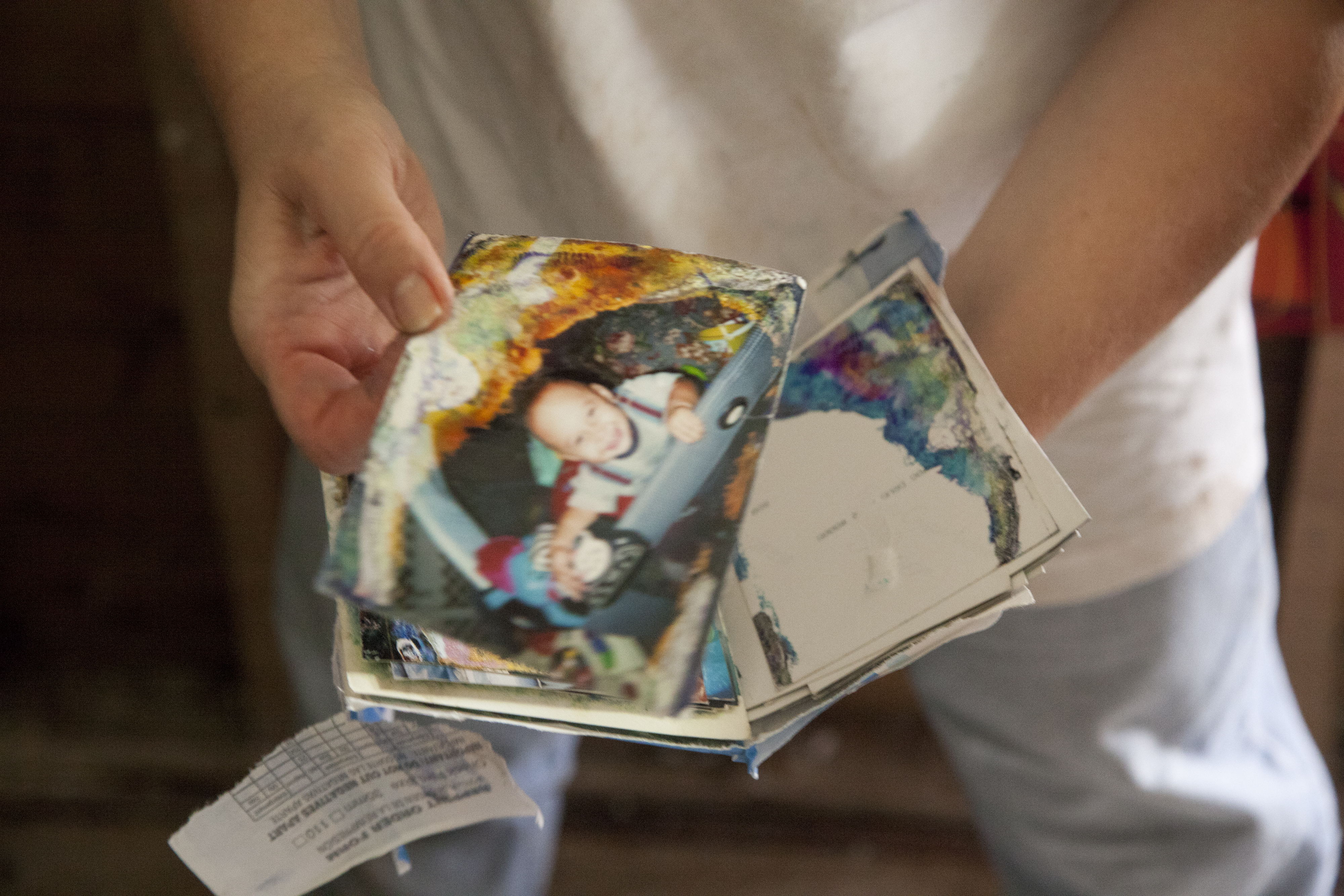
Start documenting immediately, keep every document in one place (physical folder + cloud backup), and do not sign anything until you have reviewed it line by line.
For the documentation side specifically, the claim documentation checklist lists every photograph, receipt and reading an adjuster will ask for, in the order you will be asked for them.
Reading to confirm what you already suspect?
Confirm it in two minutes instead — the pro on this line answers questions about YOUR situation all day: what it is, what it should cost, whether you even need service. If you want, they'll set the appointment on the same call.
Toll-free · no obligation · asking costs nothing
Frequently Asked Questions
- 1date-stamped photos and video of all damage before any cleanup
- 2a complete inventory of damaged personal property with make, model, approximate age, and original cost
- 3the restoration company's scope of work and signed authorization
- 4daily moisture readings and drying logs from the restoration company (IICRC S500 required)
- 5receipts for any emergency repairs or temporary housing
- 6your policy number and the adjuster's contact information in writing. Keep every document in a dedicated folder — physical and cloud backup.
- 1flooding from rising water outside the home — that requires NFIP or private flood insurance
- 2gradual leaks or slow seepage (slow drips from a toilet or under-sink plumbing)
- 3sewage backup unless you added a sewer backup endorsement
- 4damage caused by lack of maintenance (a roof with documented pre-existing deterioration)
- 5mold that developed because you delayed calling a restoration company. Sudden and accidental water damage from burst pipes, appliance failures, and roof leaks during storms is almost always covered.
What is the first thing I should do when making a water damage insurance claim?
Call an IICRC-certified water damage restoration company before you call your insurer. Restoration companies begin emergency water extraction immediately, which is your legal obligation under most HO-3 policies — you must take reasonable steps to mitigate further damage.
Start documenting with photos and video the moment it is safe to enter the space. Then call your insurer to open a claim, ideally once extraction has begun. Do not wait for adjuster approval to start extraction — delays can give the insurer grounds to reduce your payout.
What documentation do I need for a water damage insurance claim?
For a water damage insurance claim you need:
How long does a water damage insurance claim take?
A straightforward water damage claim (single room, Category 1 clean water, no mold) typically takes 2–6 weeks from first notice to final payment. Larger losses involving structural damage, mold, or contents replacement can take 2–4 months.
The biggest delay factors are: late documentation submission, missing contractor invoices, disputed scope of work, and supplemental claims filed after initial settlement. Hiring a public adjuster for losses over $15,000 can accelerate the process and typically increases the final settlement by 15–30%.
What does homeowners insurance not cover for water damage?
Standard HO-3 policies do NOT cover:
Should I hire a public adjuster for a water damage claim?
For claims over $10,000 — and especially over $15,000 — a public adjuster typically adds more value than they cost. Public adjusters work for you, not your insurer. They document scope, negotiate with the carrier's adjuster, and catch line items that company adjusters routinely miss (like contents replacement, code upgrades, and temporary housing).
Their fee is typically 10–15% of the settlement. On a $30,000 loss, even a 10% increase ($3,000) more than covers their fee. For smaller claims, their fee may not be justified — a well-documented claim submitted through a preferred-vendor restoration company achieves similar results.
Who do I call right now for water damage?
Call (888) 840-6512. The line is answered 24 hours a day, seven days a week, and connects you with an IICRC-certified water damage restoration company that serves your area.
Describe what you can see — where the water is coming from, how long it has been there, and whether it smells — the more specific you are, the faster the right company is on the line. If the source is a pipe or an appliance, shut the main water valve first; the call itself takes under two minutes.
Still not sure which of these is your situation? (888) 840-6512 · toll-free · answered 24/7
Sources
- NAIC — How to File a Homeowners Insurance Claim
- IICRC S500 Standard for Professional Water Damage Restoration
- FEMA — Flood Insurance Resources
Methodology: How we source and verify data · Report an error
Disclaimer: HearthDry is an independent educational resource. This article is for informational purposes only and does not constitute professional, legal, or insurance advice. Consult licensed professionals before making decisions about your property or insurance claims.
Professional Equipment
Professional Equipment Produces the Documentation Adjusters Require
IICRC S500 requires daily moisture logs throughout structural drying — this is your primary insurance documentation. Commercial dehumidifiers and air movers from Sylvane produce the drying rates that generate credible, adjuster-accepted logs.
Affiliate link — HearthDry earns a commission from Sylvane via CJ at no extra cost to you
Watch
Source: National Flood Insurance Program — US government, public domain
Equipment
What each machine actually does
Removes the moisture the structure is still giving off — the machine that decides how long drying takes
See the picks →Moves air across wet surfaces so the dehumidifier has something to take out of the air
See the picks →Finds water behind walls and under floors, and tells you when a material is actually dry
See the picks →Alerts you the moment a leak starts — the cheapest thing on this list and the only preventive one
See the picks →Those pages carry affiliate links. As an Amazon Associate, HearthDry earns from qualifying purchases; it costs you nothing extra.
Advertisement
