
Quick answer
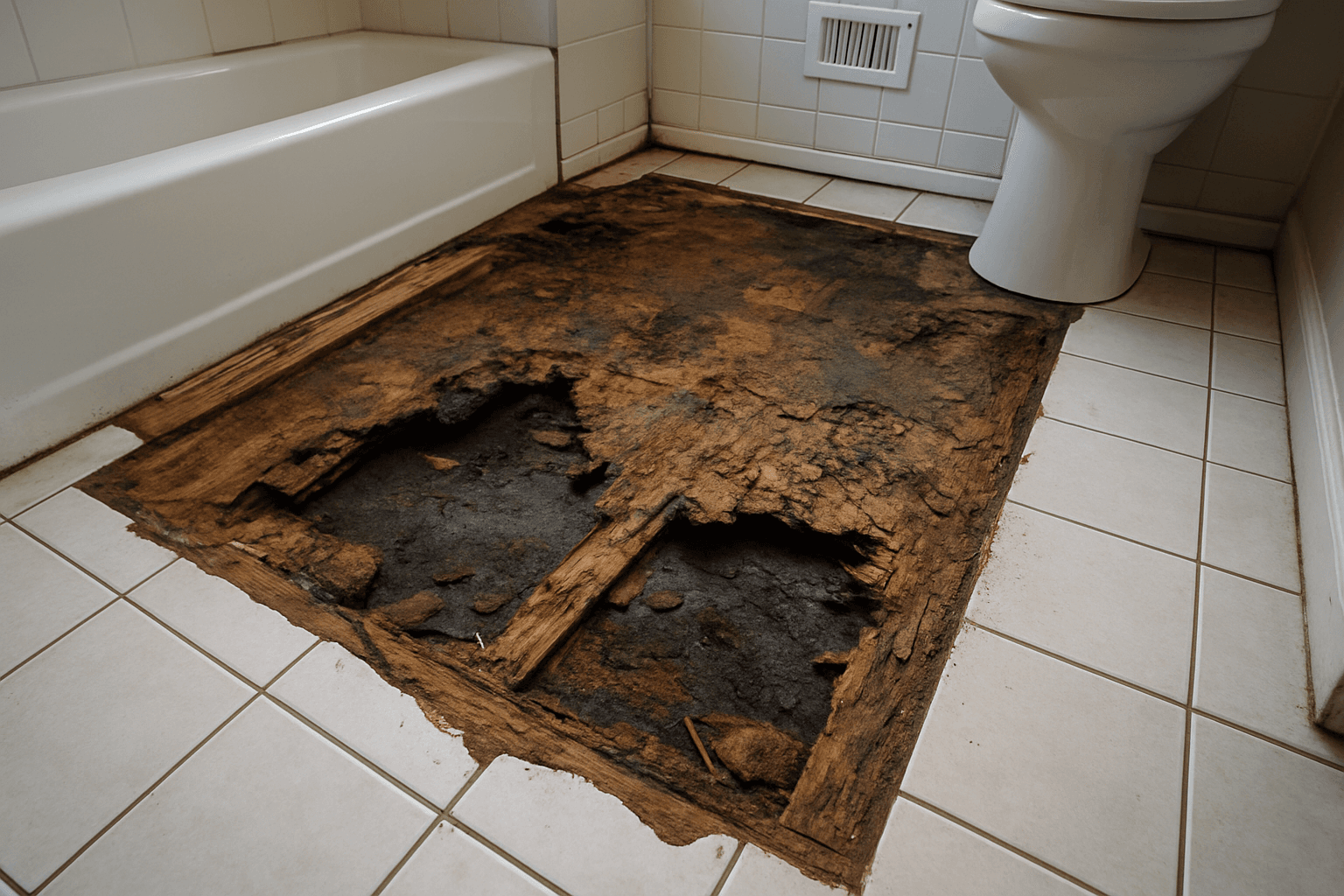
A leak in the wall behind a shower usually comes from one of three places: the valve and supply pipes behind the handle, the drain connection under the pan or tub, or failed grout and waterproofing that let spray into the wall. Signs include a stain or soft drywall on the other side, a ceiling stain below, loose tile, a musty smell and a higher water bill. Stop using the shower, have a plumber fix the source, and have the wet cavity dried and checked for mold. Call (888) 840-6512 to reach a certified water damage restoration company in your area; the line is answered 24/7.
Written & reviewed by Marcus ReedIICRC WRT
Reviewed September 27, 2026· Next review Mar 2027
Stop using that shower until you know which part of it is leaking. Water behind a shower wall almost always comes from the pressurized pipes feeding the valve, from the drain underneath, or through the tiled surface itself, and each one is found with a different test. The plumber stops the leak; drying the wall cavity and checking it for mold is a second job that nobody should skip.
How to Tell Water Is Getting Into the Wall
A shower wall hides its own damage well, because the tile side stays hard and shiny while the framing behind it soaks. The evidence usually turns up somewhere else first.
| What you notice | Where to look | What it suggests |
|---|---|---|
| Stain, bubbling paint or soft drywall | The room or closet on the other side of the shower wall | Water in the cavity, often from the valve or supply pipes |
| Brown ring or sag in the ceiling | The room below the bathroom | Drain, pan or tub connection, or water running down the studs |
| Tiles that flex, sound hollow or have popped loose | Lower rows of the shower wall | Water behind the tile softening the backer board |
| Grout that is dark, crumbly or soft when you press it with a key | Corners and the bottom row | Failed grout or caulk letting spray in |
| Musty smell that returns an hour after you clean | Bathroom, the closet behind it | Something staying wet long enough to grow mold |
| Water bill higher with no change in use | The meter | A pressurized leak that runs all the time |
Press the drywall on the far side of the shower with your thumb at knee height and at the height of the handle. Sound drywall is firm. Wet drywall gives, feels cool, and often leaves a faint dent. A pin moisture meter, if you have one, reads bone-dry drywall in the low teens or below; readings well above that on the wall behind a shower, and normal readings a few feet away, point to the cavity. The hidden water damage signs guide covers the less obvious tells.
The Three Ways a Shower Leaks Into a Wall
The valve and supply pipes. These are under pressure all the time, so a leak here runs whether or not anyone showers. A loose fitting, a corroded solder joint or a cracked valve body behind the handle feeds a slow, steady drip into the cavity. This is the one that moves the water meter.
The drain. The drain assembly, the pan or tub connection and the trap only carry water while the shower runs. A cracked pan, a failed drain gasket or a loose tub overflow wets the floor structure and the ceiling below, usually worse after long showers. The tub and shower leak subfloor guide goes through that side in detail.
The surface. Grout is not waterproof. Behind it there should be a membrane or a sealed backer board. When grout cracks, caulk at the corners or around the valve trim pulls away, or the original waterproofing was never done properly, shower spray soaks through a little at a time. This leak is slow, shows up as soft grout and loose tile, and it is the one people blame on the pipes.
Run Each Part of the Shower Separately
You can narrow it down in an afternoon without opening anything. Do the steps in order and let the area dry between them where you can.
- 1Stop using the shower and check the water meter. Turn off every fixture in the house, including the ice maker and irrigation, and watch the meter's small leak indicator for 15 minutes. If it turns, something pressurized is leaking. Shut the valves to the bathroom, if it has them, and watch again. If the meter stops, the leak is on that bathroom's supply side.
- 2Run each part of the shower separately. Plug the drain and fill the tub or pan with a few inches of water, then mark the level with tape and wait. A falling level with no drip at the faucet means the drain or pan. Next, pour a bucket of water straight down the open drain without wetting the walls. Last, spray only the tile walls with a handheld head or a cup, keeping water off the drain. Whichever step makes the stain grow, or the meter reading rise on the far wall, is your source.
- 3Open the access panel or the wall behind the valve. Many showers have a small panel behind the valve, in a closet or the next room. Take it off and look with a flashlight: wet wood, green corrosion on copper, a drip line down a stud. If there is no panel, the wall behind the valve is the place a plumber cuts one, because drywall on that side is cheap to patch and tile is not.
- 4Have the plumber fix the source and the cavity dried. Once the source is repaired, the cavity is still wet. Framing, insulation and the back of the drywall need to be measured and dried, or opened and replaced if they have been wet for a long time.
Talk to a water damage pro now
Answered 24/7 · Toll-free · answered 24/7 · no obligation
(888) 840-6512- Describe the damage & give your ZIP
- You're routed to the on-call local crew
- They quote — you decide, no obligation
Who Fixes What
This is where most shower leaks go wrong. The leak gets fixed, the panel goes back on, and the wall is closed while the studs are still wet.
| Problem | Who handles it |
|---|---|
| Leaking valve, supply pipe or drain | Licensed plumber |
| Failed grout, caulk, membrane or pan | Tile or shower contractor, sometimes the plumber for the pan |
| Wet framing, insulation, subfloor, ceiling below | Water damage restoration company |
| Visible mold in the cavity or behind tile | Restoration or mold remediation company |
Wet material inside a closed wall can start growing mold within 24–48 hours, and a slow shower leak has usually been going on far longer than that. A restoration company measures how far the water went with a meter and a thermal camera, opens only what has to be opened, dries the rest in place and writes down the readings. The guide to who to call for water damage in walls covers the order of calls when the source is still active.
If you have found wet framing, a stain on the ceiling below or a musty cavity behind the panel, that is the point to bring in someone with a meter. (888) 840-6512 is answered 24/7 and connects you with a certified restoration company that serves your area; the company gives you an arrival window for your address on the call.
If You See Mold
Dark spots on grout lines are common and are a surface cleaning job, covered in black mold in the shower. Growth on the back of drywall, on studs, or a smell that fills the closet behind the shower is different: it means the cavity has been wet for a while. Do not open a large moldy area yourself with the fan running; that spreads spores through the house. The guide to detecting mold in walls explains how the extent is found before anything is cut.
A Word on Insurance
A sudden pipe or valve failure behind the wall is often covered; a slow leak through failed grout that went on for months usually is not, because policies exclude gradual seepage. Photograph what you find before repairs start and see whether homeowners insurance covers water damage for how that line is drawn.
What to Tell the Plumber
Tell them which of your tests made the leak show up, whether the meter moved with everything off, and where the stain is. That turns a search into a repair, and it keeps a sound tile wall from being opened on a guess.
Reading to confirm what you already suspect?
Confirm it in two minutes instead — the pro on this line answers questions about YOUR situation all day: what it is, what it should cost, whether you even need service. If you want, they'll set the appointment on the same call.
Toll-free · no obligation · asking costs nothing
Frequently Asked Questions
How do I tell if a pipe is leaking in the wall behind my shower?
Turn off every fixture in the house and watch the water meter's leak indicator for 15 minutes. If it moves, something under pressure is leaking.
A stain or soft drywall on the other side of the shower wall, at the height of the valve, that grows whether or not anyone showers points to the supply pipes or the valve rather than the drain or grout.
What should I do about a leak in the wall?
Stop using the fixture that feeds it, shut its valve or the main if the meter shows a pressurized leak, and photograph the damage. Then have a plumber find and repair the source, and have the wet cavity measured and dried before the wall is closed, because wet framing and insulation can grow mold within 24–48 hours.
Who do I call for a leak in the wall behind a shower?
A licensed plumber for a leaking valve, supply pipe or drain; a tile or shower contractor for failed grout, caulk, membrane or pan; and a water damage restoration company to dry the wet framing, insulation, subfloor or ceiling below. The plumber stops the water, but does not dry the wall.
Can a shower leak through grout into the wall?
YesGrout is not waterproof; the membrane or sealed backer board behind it is what keeps water out.
When grout cracks, corner caulk pulls away or the waterproofing was never done properly, spray soaks in slowly. Soft, dark or crumbly grout and tiles that flex or sound hollow are the usual signs.
Should I open the wall to find a shower leak?
Check for an access panel behind the valve first, often in a closet or the next room. If there is none, open the drywall on the side opposite the shower rather than the tile, because it is far cheaper to patch. If you see mold on the back of the drywall, stop and have it handled with containment.
Who do I call right now for water damage?
Call (888) 840-6512. The line is answered 24 hours a day, seven days a week, and connects you with an IICRC-certified water damage restoration company that serves your area. Describe what you can see — where the water is coming from, how long it has been there, and whether it smells — the more specific you are, the faster the right company is on the line.
If the source is a pipe or an appliance, shut the main water valve first. Have four things ready and the call goes quickly: the address, when the water started, what is wet now, and whether you have filed an insurance claim.
Still not sure which of these is your situation? (888) 840-6512 · toll-free · answered 24/7
Sources
- EPA — A Brief Guide to Mold, Moisture and Your Home
- EPA WaterSense — Fix a Leak Week
- IICRC S500 Standard for Professional Water Damage Restoration
Methodology: How we source and verify data · Report an error
Disclaimer: HearthDry is an independent educational resource. This article is for informational purposes only and does not constitute professional, legal, or insurance advice. Consult licensed professionals before making decisions about your property or insurance claims.
Free 2-day shipping
Amazon Prime members pay no shipping on restoration equipment
Dehumidifiers, air movers, and moisture meters qualify for free Prime delivery — bulk items that otherwise cost $15–$40 to ship.
Affiliate link — HearthDry earns a bounty if you sign up; costs you nothing extra.
Equipment
What each machine actually does
Removes the moisture the structure is still giving off — the machine that decides how long drying takes
See the picks →Moves air across wet surfaces so the dehumidifier has something to take out of the air
See the picks →Finds water behind walls and under floors, and tells you when a material is actually dry
See the picks →Alerts you the moment a leak starts — the cheapest thing on this list and the only preventive one
See the picks →Those pages carry affiliate links. As an Amazon Associate, HearthDry earns from qualifying purchases; it costs you nothing extra.
Our Amazon storefront →Advertisement
