Quick answer
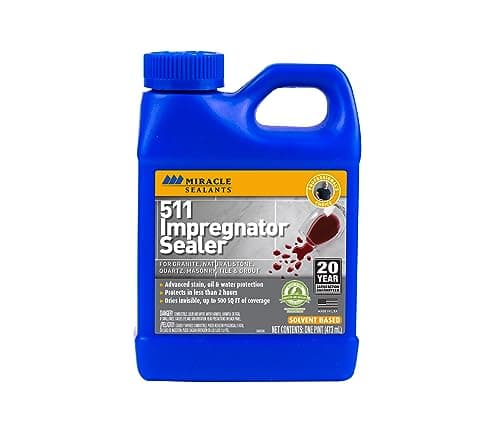
If you are sealing cement grout in a shower, buy a penetrating sealer and put it only on clean, dry grout with no mold in it; for most showers that is the Miracle Sealants 511 Impregnator Penetrating Stone & Tile Sealer, rated 4.5 stars across 7,692 Amazon ratings. Its listing states up to 500 sq ft of coverage per pint, far more than the grout in a tub surround. Test before you buy: water drops that bead on the grout mean it is still sealed, and drops that darken it mean it is time. No sealer will fix cracked grout or a leaking shower pan.
Buyer's Guide
What to know before you buy.
Penetrating or Membrane: Which Sealer Belongs in a Shower
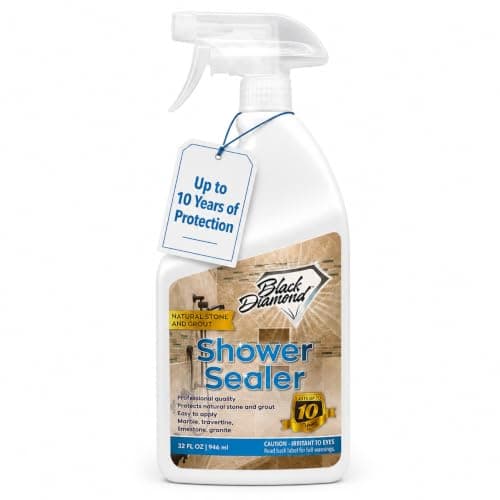
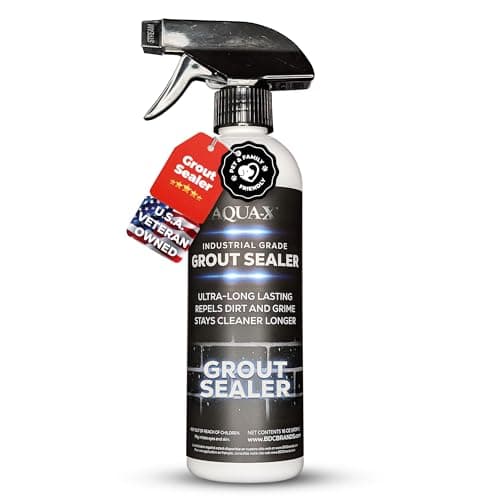
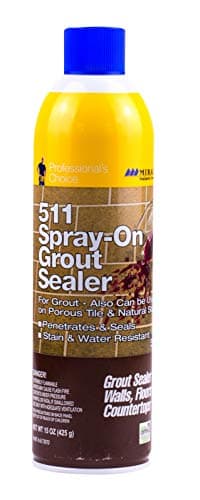
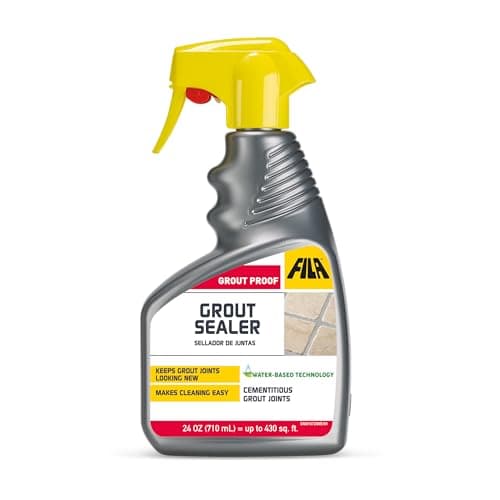
A penetrating sealer, also called an impregnator, soaks into cement grout and lines its pores. Water then beads on the joint instead of soaking in, and nothing sits on the surface to peel. A membrane or topical sealer dries as a thin film over the joint instead. Film sealers can add sheen or color, but in a shower, steam and scrubbing wear a film unevenly, and water that gets behind it dries out slowly. For a shower or tub surround, choose penetrating, which is what the 511 Impregnator and Black Diamond's shower sealer state. The AQUA-X, FILA and Miracle aerosol listings do not say which type they are, so follow their labels closely. Two surfaces need no grout sealer at all: epoxy grout, which does not absorb water, and the faces of glazed tile, where sealer only leaves a haze.
Is Your Grout Already Sealed? The Water Drop Test
Put a few drops of water on a clean, dry grout line and watch for a few minutes. If the drops bead up and sit on top, the grout is still sealed. If the grout darkens and the water soaks in, the sealer has worn off or was never applied. Test several spots, and always include the floor near the drain and the lowest rows of wall tile, because those wear first. This test beats any calendar. AQUA-X states up to 5 years before resealing and Black Diamond states up to 10 years for its shower sealer, yet both are upper limits, and a floor scrubbed every week can wear through far sooner. The 511, aerosol and FILA listings give no interval at all. Retest the floor every few months and the walls once a year, then reseal only the areas that soak.
Clean, Dry and Mold-Free Before You Seal
A sealer locks in whatever is in the grout on the day it goes on. EPA guidance for homeowners is not to paint or caulk moldy surfaces, and a grout sealer is the same kind of coat: put it over growth and the mold is sealed in with its moisture. EPA's method for hard surfaces is to scrub mold off with detergent and water and dry completely. For grout, scrub the joints, rinse, then leave the shower unused with the fan running so the grout dries all the way through; damp grout also keeps a sealer from soaking in. If dark stains are still there after a real cleaning, the growth may be deep in the grout, and raking that grout out and regrouting is the honest fix. Mold that has spread past about 10 sq ft, the size EPA sets for most do-it-yourself jobs, is beyond a sealer project.
How Much Sealer a Shower Takes
Grout is measured in length, not area, and tile size decides how much of it you have. For square or rectangular tile, divide 12 by each tile dimension in inches and add the two results. That gives roughly the feet of grout joint in each square foot: 12 by 12 in tile has 2 ft, 3 by 6 in subway tile has 6 ft, and 2 by 2 in mosaic has 12 ft. A standard 60 by 30 in alcove tub tiled 6 ft up its three walls has about 60 sq ft of wall. That works out to about 120 ft of joint in 12 in tile and about 360 ft in subway tile. Against those totals, AQUA-X states up to 75 linear ft per 16 oz per coat, while 511 states up to 500 sq ft of surface per pint. Buy for two coats if the label calls for them.
Who Should Not Just Seal the Grout
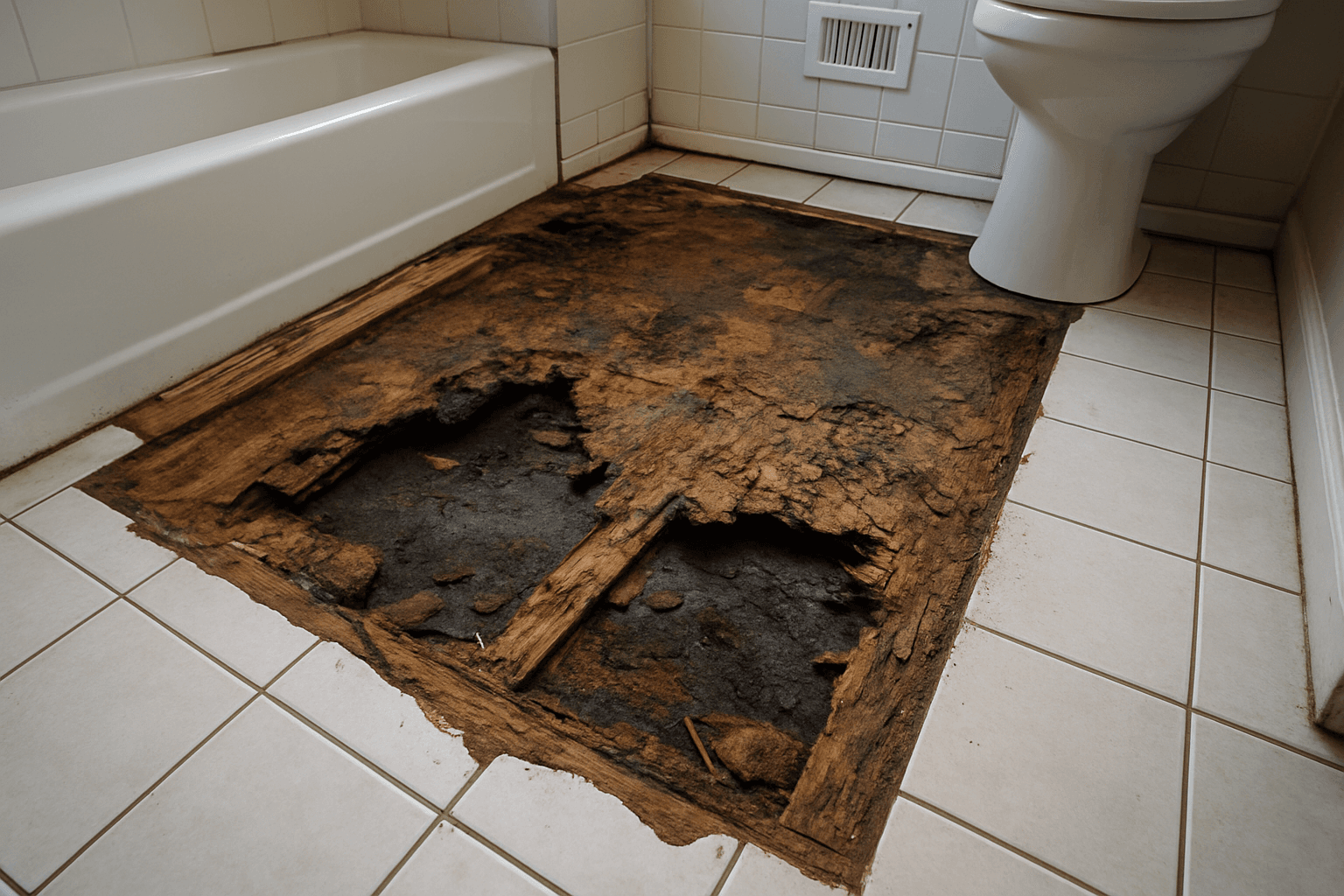
Sealer slows water down at the surface. It is not the waterproofing in a shower; that job belongs to the membrane or pan behind the tile. So sealer is the wrong fix when the problem is underneath. Cracked or crumbling grout needs regrouting first, because sealer cannot bridge a crack. Tiles that sound hollow when tapped, a floor that flexes, grout that stays dark long after a shower, loose tiles near the drain, or a stain on the ceiling below the bathroom all point to water getting past the tile, often from a leaking shower pan or valve. The inside corners and the tub line should be caulked rather than grouted, since those joints move. Renters should report recurring leaks or mold to the landlord before treating anything. In each of these cases you need a plumber or tile contractor to find the leak, not a better sealer.
Keeping Sealed Grout Clean Between Coats
Sealer buys time, and a shower that dries out between uses keeps it. EPA advises running the bathroom fan or opening a window when showering, and keeping indoor humidity below 60 percent, ideally between 30 and 50 percent. In practice that means the fan on through the shower and for a while after, a squeegee down the walls and across the floor, and the door or curtain left open so the corners dry. Clean the grout with a mild cleaner; strong acid cleaners can eat into cement grout and strip sealer with it. Run the water drop test on the floor every few months and reseal the patches that soak. If mold comes back within days on freshly sealed grout, look for moisture you cannot see, such as a slow leak behind the wall or a fan that does not vent outdoors.
Free 2-day shipping
Amazon Prime members pay no shipping on restoration equipment
Dehumidifiers, air movers, and moisture meters qualify for free Prime delivery — bulk items that otherwise cost $15–$40 to ship.
Affiliate link — HearthDry earns a bounty if you sign up; costs you nothing extra.