Quick answer
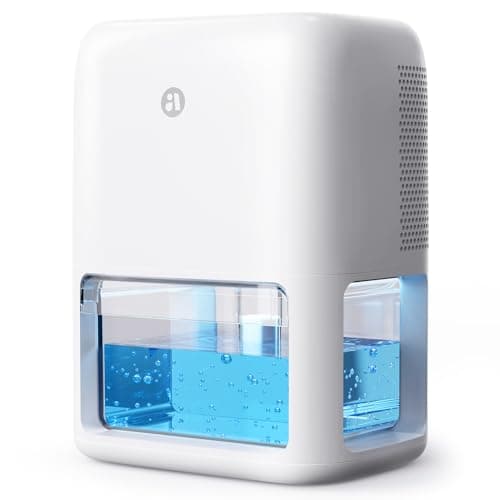
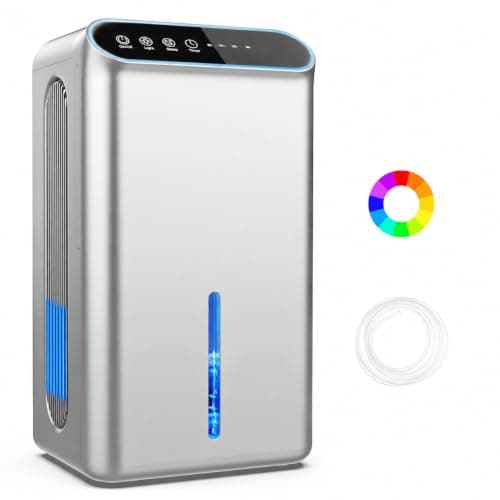
A dehumidifier helps a bathroom that has no exhaust fan or only a weak one, but it is the second fix: a fan ducted outdoors removes shower steam far faster than any plug-in unit. Where a fan is not an option, the boglvr 98 oz is the pick, rated 4.5 stars across 2,019 Amazon ratings, because its included hose can drain into the tub so there is no tank to empty. Bathroom-sized units are thermoelectric and remove ounces a day, so run it once the mirror clears, with the door shut, and aim for the EPA's 30–50% humidity.
Buyer's Guide
What to know before you buy.
An Exhaust Fan Vented Outdoors Comes First
The EPA's mold guidance is to vent bathrooms to the outside, and residential building codes generally call for either an opening window or an exhaust fan ducted outdoors. A fan removes moisture while it is still steam, during the shower, which no plug-in dehumidifier can match. If you have a fan, check it before buying anything: hold a single sheet of toilet tissue to the grille with the fan running, and if the sheet does not stay up, the fan is too weak, clogged with lint or badly ducted. Look in the attic too, because a fan that empties into the attic instead of outdoors moves the moisture rather than removing it, a common cause of attic mold. A dehumidifier is the right buy when a fan is missing, cannot be installed, as in many rentals, or needs help.
Ounces, Not Pints: What a Bathroom-Sized Unit Can Do
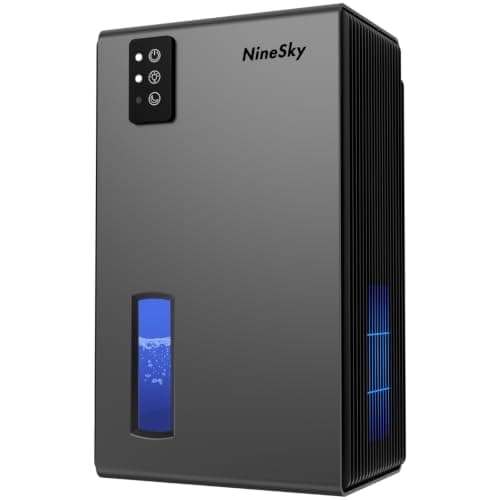
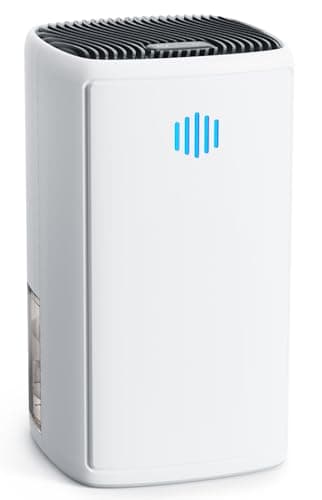
Every plug-in unit on this page is thermoelectric: a cold electronic plate and a small fan, with no compressor. The stated outputs run from 11 oz a day for TABYIK through about 24 oz for BREEZOME to 34 oz for NineSky, all at 86°F and 80% relative humidity, and a pint is 16 oz. That scale decides how to use one. It cannot clear a fogged room in the minutes after a shower. What it can do is keep working for hours afterward on the moisture left in the air, the towels, the grout and the ceiling paint, so those surfaces dry sooner rather than staying damp until the next shower. That is what matters for mold, because the EPA notes that damp surfaces can start growing it within 24 to 48 hours.
When to Run It and Whether to Shut the Door
Right after a shower, open the door, and the window if there is one. In those first minutes, letting the steam spread into the larger air of the house does more than any small unit can. Once the mirror clears, close the door and start the dehumidifier so it works on the bathroom alone rather than the hallway. Many people simply leave it running on a timer; BREEZOME's goes to 48 hours and boglvr's to 24. Hang towels spread out rather than bunched, squeegee the shower walls, and wipe the ceiling over the shower if water beads there. Every ounce you remove by hand is an ounce the unit does not have to pull from the air.
Placement and Electrical Safety
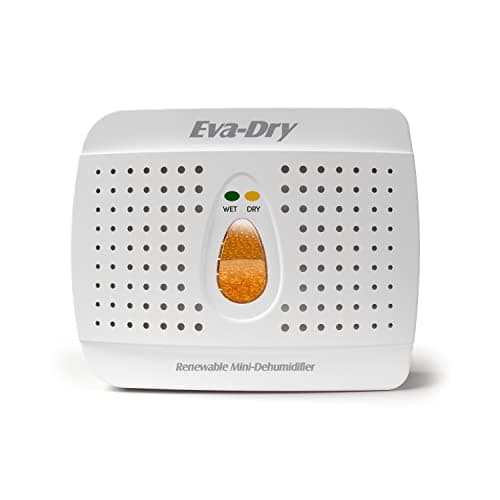
Current electrical codes require bathroom outlets to be GFCI-protected, and that is the only kind of outlet a dehumidifier should use there; older homes may not have one, and if pressing the outlet's test button does not cut the power, have it fixed before plugging anything in. Keep the unit off the tub ledge and out of the line of shower spray, on a counter, a shelf or a floor corner that splashes do not reach. Leave clearance around the intake and outlet, since each plug-in unit here draws air through a small grille. Never run an extension cord across a bathroom floor. If no outlet is within reach of a dry spot, the cordless Eva-Dry for a cabinet, or a properly installed fan, is the safer answer.
Drain Hose or Tank
A tank unit stops when it fills, and a bathroom dehumidifier that stopped on Tuesday is no help on Thursday. Every plug-in unit here shuts off when full rather than overflowing, which protects the floor but not the ceiling. The boglvr is the only pick with a drain hose: set it higher than the tub or shower drain and gravity carries the water away continuously. Without a hose, match the tank to how often you will check it. At NineSky's stated rate its 95 oz tank lasts close to three days, and at TABYIK's rate its 38 oz tank lasts about as long, because the smaller unit collects less. Empty and rinse the tank each time, since standing condensate in a warm room can grow slime.
Mold That Is Already There
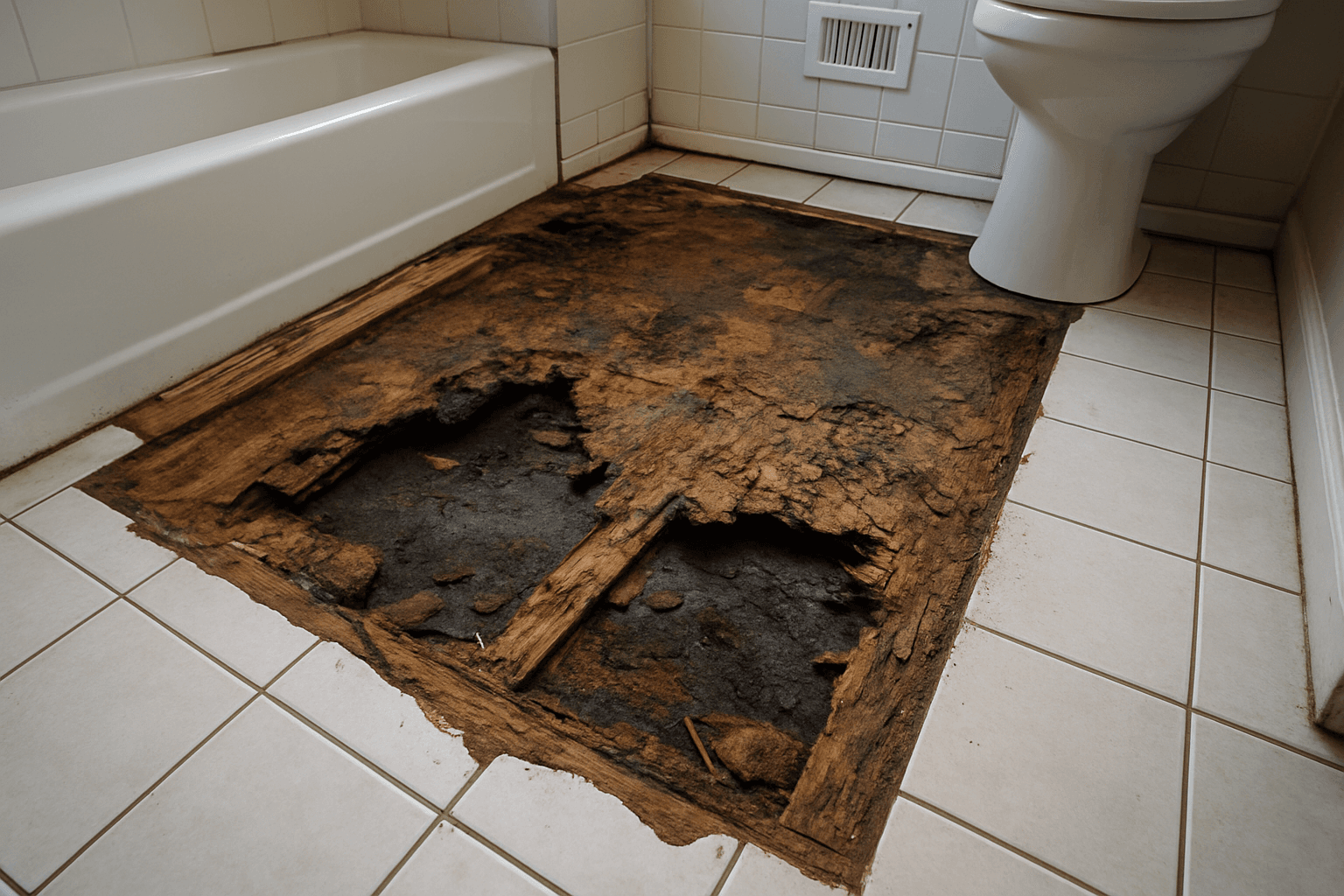
A dehumidifier does nothing to mold already growing on the ceiling, grout or caulk; it only helps surfaces dry out sooner so new growth has less chance. Clean what is there first. The EPA's guidance is that a homeowner can usually handle a moldy area smaller than about 10 square feet. Larger areas, or mold that comes back through fresh paint, point to moisture behind the surface, such as a leaking shower pan or a fan duct dripping condensation back through the ceiling. Caulk that has turned black inside is usually better cut out and replaced than cleaned. Once the room is clean, the dehumidifier's job is to bring it back toward the EPA's 30–50% range after each shower, and below 60% at worst, so moisture does not sit on the surfaces for days.
Free 2-day shipping
Amazon Prime members pay no shipping on restoration equipment
Dehumidifiers, air movers, and moisture meters qualify for free Prime delivery — bulk items that otherwise cost $15–$40 to ship.
Affiliate link — HearthDry earns a bounty if you sign up; costs you nothing extra.