
Sewage Backup Cleanup in Dover, DE
Biohazard sewage extraction, decontamination, and restoration. IICRC-certified pros serving Dover with 45-minute average emergency response.
Response
45 min
Cost range
$2,000+
Duration
5d
About Sewage Backup Cleanup in Dover
Sewage backup is a Category 3 biohazard emergency requiring immediate professional response. Services include sewage extraction with industrial equipment, full decontamination with EPA-registered disinfectants, HEPA air scrubbing, material removal, and documentation for insurance claims.
Dover context: Dover, Delaware's coastal Mid-Atlantic location creates flood risk from Atlantic hurricane season (June–November) and nor'easters that produce coastal flooding in Sussex and Kent Counties. Delaware River flooding affects New Castle County properties in FEMA Zone AE. Delaware's older housing stock includes many pre-1960 homes with outdated plumbing subject to supply line failures. Delaware Insurance Commissioner regulations require insurers to act promptly on claims. The state's flat topography means storm drainage relies on maintained ditching and drainage systems — properties with neglected perimeter drainage face elevated basement flooding risk during any 2+ inch rainfall event.
Get Dover Sewage Backup Cleanup Help
Certified specialist calls within 15 minutes.
Quick answer
Sewage backup cleanup handles Category 3 water, which carries pathogens and cannot simply be dried. Porous materials the sewage touched — carpet, pad, drywall, insulation — are removed rather than salvaged, and surfaces are disinfected under containment with HEPA filtration. Typical cost is $2,000–$10,000 over about five days. This is not safe DIY work beyond a very small contained spill. In Dover, DE, local crews average a 45-minute response and area rates run $1,500–$8,500.
Not sure who to phone first? Sewage backup: who to call first.
What Sewage Backup Cleanup Involves
What causes it
- Municipal sewer system backup
- Root infiltration
- Blocked main line
- Heavy storm overwhelm of sewer capacity
- Aging infrastructure failure
How the work is done
- 1Evacuate everyone from the affected area immediately. Sewage contains E. coli, Salmonella, Hepatitis A, Norovirus, and other serious pathogens. Keep children, elderly individuals, and immunocompromised people out of the area entirely until professional cleanup is complete.
- 2Shut off the water supply to stop flow. Turn off the main water supply to prevent additional water from entering drain lines and worsening the backup. Do not run any drains, toilets, or appliances until the blockage is cleared.
- 3Do not use any drains or toilets in the home. Using any drain in the home pushes more sewage into already-backed-up lines. This can worsen the backup and spread contamination further. Wait for professional clearance.
- 4Document the contamination for insurance. Photograph the extent of sewage backup, water lines, and all affected materials. Note the time of discovery. Check your homeowners policy for a sewer backup rider — coverage depends on having this endorsement.
- 5Call a certified sewage cleanup company. Category 3 sewage remediation requires professional-grade PPE, EPA-registered disinfectants, proper disposal of all porous materials (drywall, carpet, insulation), and post-remediation testing. Do not attempt DIY cleanup.
Work follows IICRC S500. Typical duration 5 days; national cost range $2,000–$10,000.
Equipment and reading for sewage backup cleanup
Whether you hire a crew in Dover or handle part of it yourself, these are the tools the job actually needs and the background worth reading first.
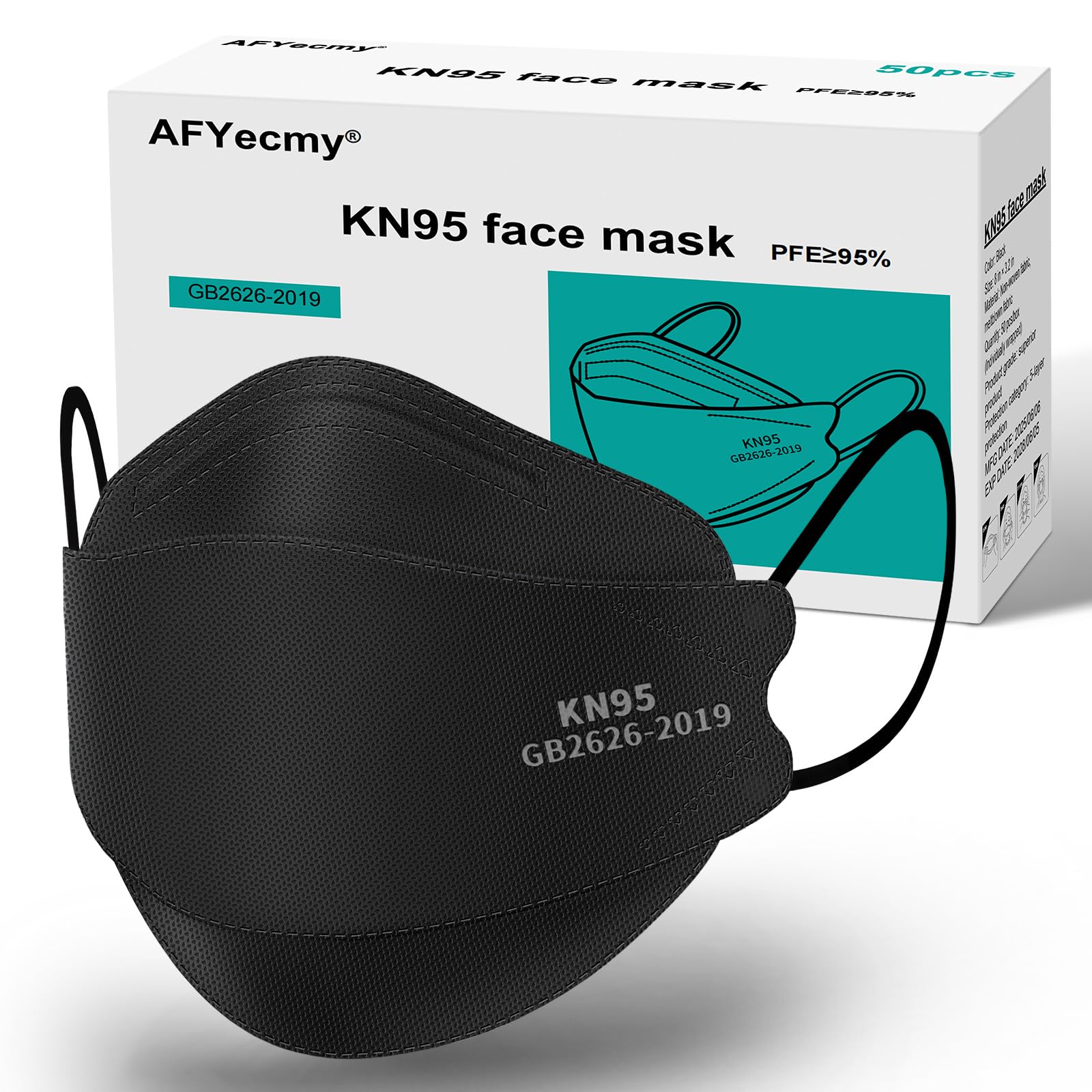
Best PPE for Sewage Cleanup (2026)
Top pick: 3M 8511 N95 Particulate Respirator (10-Pack)
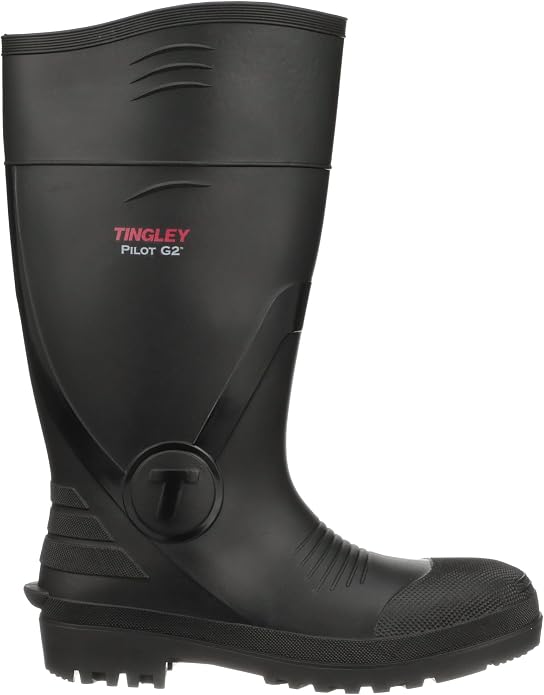
Best Sewage, Wastewater & Stormwater Boots (2026) — Category 3 Rated
Top pick: Tingley Plain Toe Rubber Rain Boot
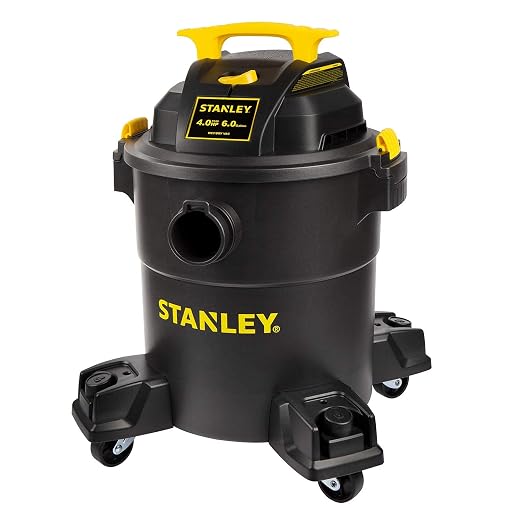
Best Wet/Dry Vacuums for Water Damage (2026)
Top pick: Stanley SL18116P Wet/Dry Vacuum (6 Gallon, 4 HP)
Why Dover Homes Face Sewage Backup Cleanup Risks
Local geography, climate, and housing stock all affect how water damage occurs in Dover. These are the most common causes our certified teams respond to in this area.
- 1The St. Jones River flows west-to-east through central Dover and drains into the Delaware Bay wetlands; it overtops its low-gradient banks during prolonged rain events or when Delaware Bay storm surge prevents outfall, flooding properties in the Edgehill neighborhood and the downtown core.
- 2Silver Lake, a 110-acre impoundment on the St. Jones in central Dover, can contribute to downstream flooding when its control structure is overwhelmed during major storms, sending elevated flows into the lower St. Jones corridor.
- 3Dover's position on Delaware's flat Coastal Plain, with much of the city sitting fewer than 20 feet above sea level, means storm surge from Delaware Bay during nor'easters and Atlantic hurricanes can reach well inland, particularly along Route 9 and the lower St. Jones watershed.
- 4Puncheon Run, a small tributary draining southeastern Dover, has a history of overbank flooding during summer convective storms; several subdivisions built in the 1980s and 1990s adjacent to the run experience periodic sheet flooding across streets and into garages.
- 5Dover's clay-and-silt Coastal Plain soils have very low infiltration rates; after only one inch of rainfall, surface ponding begins on flat residential lots, and extended wet periods in spring cause widespread wet-basement complaints across pre-1960s housing stock.
Local Risk Notes
The Edgehill neighborhood west of Silver Lake and the blocks immediately north of the St. Jones River in central Dover are the most flood-prone residential areas in the city, with multiple properties identified in FEMA's Zone AE 100-year floodplain. The State Street Historic District near Legislative Hall also has documented stormwater flooding from undersized storm inlets that predate the city's 1990s infrastructure improvements.
DE Insurance Tip
Dover participates in FEMA's Community Rating System (CRS), which entitles policyholders to a discount on NFIP premiums—confirm with your insurer that you are receiving the Dover CRS discount when purchasing or renewing a flood policy, as it can reduce annual premiums by 5–15 percent.
Sewage Backup Cleanup in Dover — FAQs
How fast can you get sewage backup cleanup help in Dover?
What does sewage backup cleanup cost in Dover?
Is sewage backup dangerous to my health?
Does homeowners insurance cover sewage backup?
How long does sewage cleanup take?
How do I prevent sewage backup from happening again?
What items are always non-salvageable after sewage backup and must be discarded?
No-Obligation Estimate
Get a No-Obligation Sewage Backup Cleanup Estimate in Dover
Serving Dover, DE
Enter your info and a certified local pro will contact you within 1 hour.
24/7 Emergency Response
We connect you with pros available around the clock — nights, weekends, and holidays.
IICRC-Certified Pros
We only refer to restoration professionals certified under IICRC standards (S500, S520).
Licensed & Insured
All referred contractors carry full state licensing and liability insurance.
No-Obligation Consultation
Call anytime — triage help and contractor dispatch at no cost to you.

Sponsored
Stop Paying Out-of-Pocket for Home Repairs
Choice Home Warranty covers AC, heating, plumbing, appliances & more — so the next breakdown doesn't drain your savings.
- $50 Off your plan
- First month FREE
- No home inspection required
- 24/7 claims service
HearthDry is an independent resource and does not perform restoration work. All referred contractors are independently licensed and IICRC-certified.