
Sewage Backup Cleanup in Bend, OR
Biohazard sewage extraction, decontamination, and restoration. IICRC-certified pros serving Bend with 45-minute average emergency response.
Response
45 min
Cost range
$2,000+
Duration
5d
About Sewage Backup Cleanup in Bend
Sewage backup is a Category 3 biohazard emergency requiring immediate professional response. Services include sewage extraction with industrial equipment, full decontamination with EPA-registered disinfectants, HEPA air scrubbing, material removal, and documentation for insurance claims.
Bend context: Bend, Oregon's Pacific Northwest climate delivers the most persistent annual precipitation of any U.S. West Coast state — Portland averages 36 inches annually, concentrated in an October–April wet season that produces 150+ consecutive days with measurable rainfall. This sustained moisture creates chronic roof leak risk in aging materials, persistent crawl space moisture, and mold growth in any area of inadequate ventilation. Oregon's rivers (Willamette, Rogue, Columbia) create major Zone AE flood designations. Eastern Oregon's high desert experiences pipe freeze events and summer flash flooding. Oregon Insurance Division handles claim disputes — contact OID for insurer non-compliance.
Get Bend Sewage Backup Cleanup Help
Certified specialist calls within 15 minutes.
Quick answer
Sewage backup cleanup handles Category 3 water, which carries pathogens and cannot simply be dried. Porous materials the sewage touched — carpet, pad, drywall, insulation — are removed rather than salvaged, and surfaces are disinfected under containment with HEPA filtration. Typical cost is $2,000–$10,000 over about five days. This is not safe DIY work beyond a very small contained spill. In Bend, OR, local crews average a 45-minute response and area rates run $1,500–$8,500.
Not sure who to phone first? Sewage backup: who to call first.
What Sewage Backup Cleanup Involves
What causes it
- Municipal sewer system backup
- Root infiltration
- Blocked main line
- Heavy storm overwhelm of sewer capacity
- Aging infrastructure failure
How the work is done
- 1Evacuate everyone from the affected area immediately. Sewage contains E. coli, Salmonella, Hepatitis A, Norovirus, and other serious pathogens. Keep children, elderly individuals, and immunocompromised people out of the area entirely until professional cleanup is complete.
- 2Shut off the water supply to stop flow. Turn off the main water supply to prevent additional water from entering drain lines and worsening the backup. Do not run any drains, toilets, or appliances until the blockage is cleared.
- 3Do not use any drains or toilets in the home. Using any drain in the home pushes more sewage into already-backed-up lines. This can worsen the backup and spread contamination further. Wait for professional clearance.
- 4Document the contamination for insurance. Photograph the extent of sewage backup, water lines, and all affected materials. Note the time of discovery. Check your homeowners policy for a sewer backup rider — coverage depends on having this endorsement.
- 5Call a certified sewage cleanup company. Category 3 sewage remediation requires professional-grade PPE, EPA-registered disinfectants, proper disposal of all porous materials (drywall, carpet, insulation), and post-remediation testing. Do not attempt DIY cleanup.
Work follows IICRC S500. Typical duration 5 days; national cost range $2,000–$10,000.
Equipment and reading for sewage backup cleanup
Whether you hire a crew in Bend or handle part of it yourself, these are the tools the job actually needs and the background worth reading first.
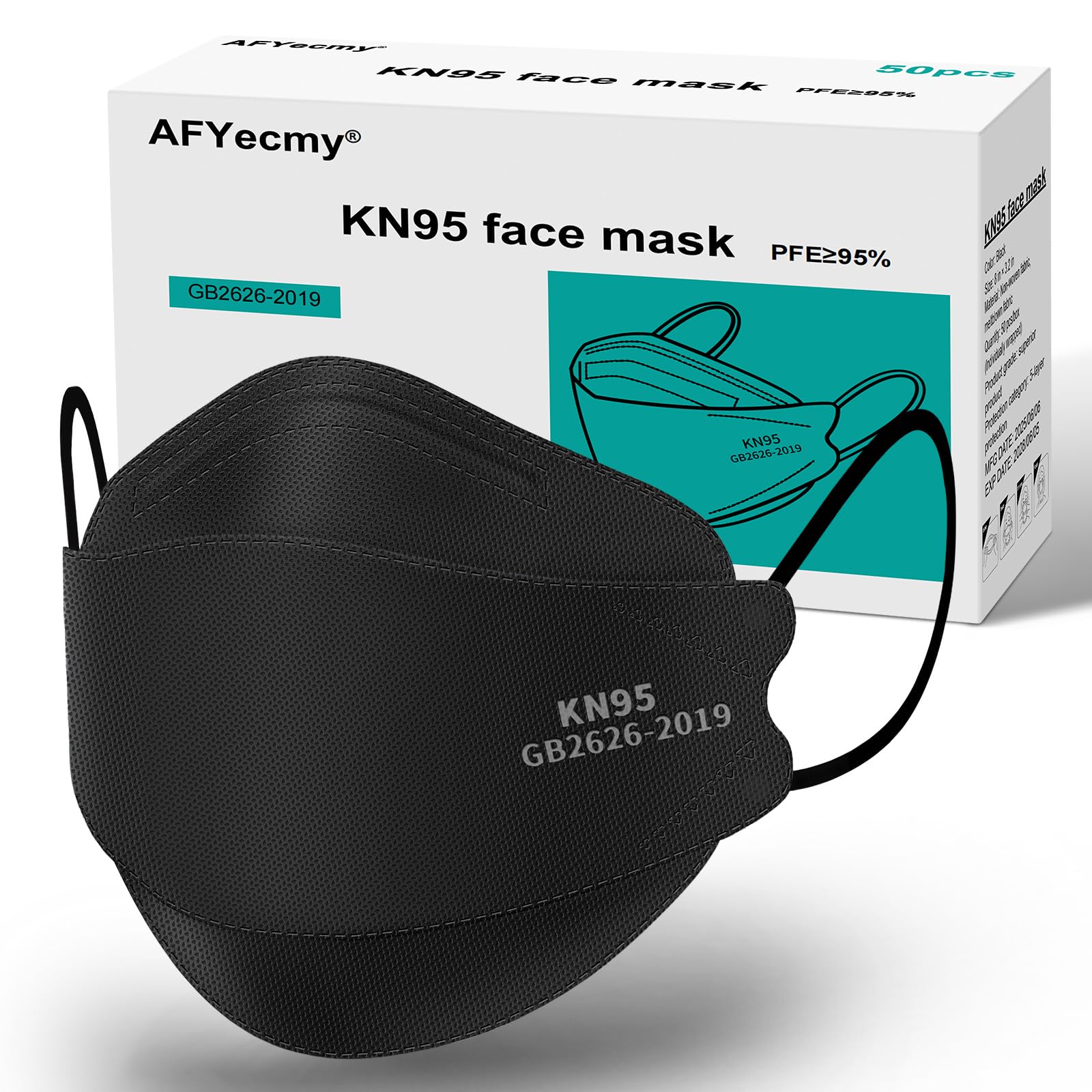
Best PPE for Sewage Cleanup (2026)
Top pick: 3M 8511 N95 Particulate Respirator (10-Pack)

Best Sewage, Wastewater & Stormwater Boots (2026) — Category 3 Rated
Top pick: Tingley Plain Toe Rubber Rain Boot
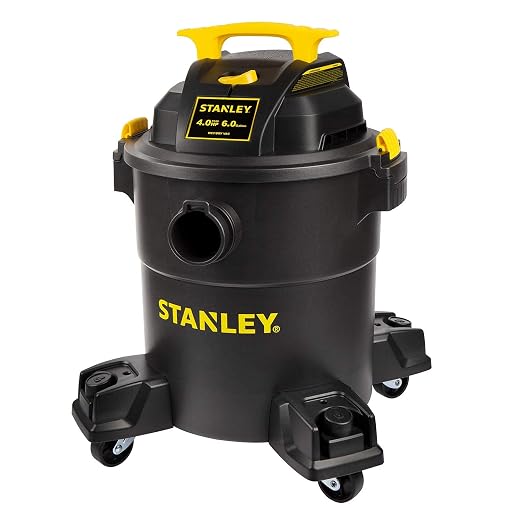
Best Wet/Dry Vacuums for Water Damage (2026)
Top pick: Stanley SL18116P Wet/Dry Vacuum (6 Gallon, 4 HP)
Why Bend Homes Face Sewage Backup Cleanup Risks
Local geography, climate, and housing stock all affect how water damage occurs in Bend. These are the most common causes our certified teams respond to in this area.
- 1Deschutes River spring snowmelt flooding — River West and Old Bend neighborhoods along the river's east bank sit within the documented 100-year floodplain during high-Cascade snowpack years
- 2Rapid urban growth in Juniper Ridge and NorthWest Crossing increasing impervious cover and altering historic stormwater flow patterns, creating localized ponding in downslope older neighborhoods
- 3Volcanic pumice soil saturation during rapid snowmelt creating subsurface lateral flow into slab edges and crawl spaces across mid-century Bend housing
- 4Awbrey Butte wildfire-burned slopes generating hydrophobic soil conditions that concentrate debris-laden stormwater runoff into downslope ranch-style subdivisions after rain events
- 5Old Bend's 1940s-1960s homes built without modern vapor barriers leaving crawl spaces vulnerable to Deschutes River groundwater table rise during spring snowmelt months
Local Risk Notes
River West and Old Bend's mid-century homes along the Deschutes sit within mapped FEMA Zone AE parcels and flood during high snowmelt years. Awbrey Butte's hillside homes face post-wildfire hydrophobic runoff channeling debris toward downslope neighborhoods. Juniper Ridge's newer subdivisions on flat volcanic terrain experience ponding from inadequate connections to Bend's expanding storm sewer system.
OR Insurance Tip
Deschutes County FEMA flood maps along the Bend river corridor have not been updated since the mid-2000s despite rapid growth. Oregon buyers should request a current elevation certificate to verify their actual flood zone classification before closing on any Deschutes River-adjacent property.
Sewage Backup Cleanup in Bend — FAQs
How fast can you get sewage backup cleanup help in Bend?
What does sewage backup cleanup cost in Bend?
Is sewage backup dangerous to my health?
Does homeowners insurance cover sewage backup?
How long does sewage cleanup take?
How do I prevent sewage backup from happening again?
What items are always non-salvageable after sewage backup and must be discarded?
No-Obligation Estimate
Get a No-Obligation Sewage Backup Cleanup Estimate in Bend
Serving Bend, OR
Enter your info and a certified local pro will contact you within 1 hour.
24/7 Emergency Response
We connect you with pros available around the clock — nights, weekends, and holidays.
IICRC-Certified Pros
We only refer to restoration professionals certified under IICRC standards (S500, S520).
Licensed & Insured
All referred contractors carry full state licensing and liability insurance.
No-Obligation Consultation
Call anytime — triage help and contractor dispatch at no cost to you.

Sponsored
Stop Paying Out-of-Pocket for Home Repairs
Choice Home Warranty covers AC, heating, plumbing, appliances & more — so the next breakdown doesn't drain your savings.
- $50 Off your plan
- First month FREE
- No home inspection required
- 24/7 claims service
HearthDry is an independent resource and does not perform restoration work. All referred contractors are independently licensed and IICRC-certified.