
Sewage Backup Cleanup in Sugar Land, TX
Biohazard sewage extraction, decontamination, and restoration. IICRC-certified pros serving Sugar Land with 42-minute average emergency response.
Response
42 min
Cost range
$2,000+
Duration
5d
About Sewage Backup Cleanup in Sugar Land
Sewage backup is a Category 3 biohazard emergency requiring immediate professional response. Services include sewage extraction with industrial equipment, full decontamination with EPA-registered disinfectants, HEPA air scrubbing, material removal, and documentation for insurance claims.
Sugar Land context: Sugar Land area water damage risk includes Texas's variable climate threats. Dallas-Fort Worth's Blackland Prairie clay soils create the highest slab leak frequency in the country — clay expansion and contraction stress post-tension slab foundations, causing supply line failures. Houston and coastal Texas face hurricane flooding (Harvey deposited 60 inches in Harris County in 2017), bayou system flooding, and combined sewer overflow. Texas homeowners should document any water damage event carefully — insurers in Texas have specific prompt-pay obligations and the state has one of the strongest homeowner enforcement mechanisms through the Texas Insurance Code.
Get Sugar Land Sewage Backup Cleanup Help
Certified specialist calls within 15 minutes.
Quick answer
Sewage backup cleanup handles Category 3 water, which carries pathogens and cannot simply be dried. Porous materials the sewage touched — carpet, pad, drywall, insulation — are removed rather than salvaged, and surfaces are disinfected under containment with HEPA filtration. Typical cost is $2,000–$10,000 over about five days. This is not safe DIY work beyond a very small contained spill. In Sugar Land, TX, local crews average a 42-minute response and area rates run $1,725–$9,775.
Not sure who to phone first? Sewage backup: who to call first.
What Sewage Backup Cleanup Involves
What causes it
- Municipal sewer system backup
- Root infiltration
- Blocked main line
- Heavy storm overwhelm of sewer capacity
- Aging infrastructure failure
How the work is done
- 1Evacuate everyone from the affected area immediately. Sewage contains E. coli, Salmonella, Hepatitis A, Norovirus, and other serious pathogens. Keep children, elderly individuals, and immunocompromised people out of the area entirely until professional cleanup is complete.
- 2Shut off the water supply to stop flow. Turn off the main water supply to prevent additional water from entering drain lines and worsening the backup. Do not run any drains, toilets, or appliances until the blockage is cleared.
- 3Do not use any drains or toilets in the home. Using any drain in the home pushes more sewage into already-backed-up lines. This can worsen the backup and spread contamination further. Wait for professional clearance.
- 4Document the contamination for insurance. Photograph the extent of sewage backup, water lines, and all affected materials. Note the time of discovery. Check your homeowners policy for a sewer backup rider — coverage depends on having this endorsement.
- 5Call a certified sewage cleanup company. Category 3 sewage remediation requires professional-grade PPE, EPA-registered disinfectants, proper disposal of all porous materials (drywall, carpet, insulation), and post-remediation testing. Do not attempt DIY cleanup.
Work follows IICRC S500. Typical duration 5 days; national cost range $2,000–$10,000.
Equipment and reading for sewage backup cleanup
Whether you hire a crew in Sugar Land or handle part of it yourself, these are the tools the job actually needs and the background worth reading first.
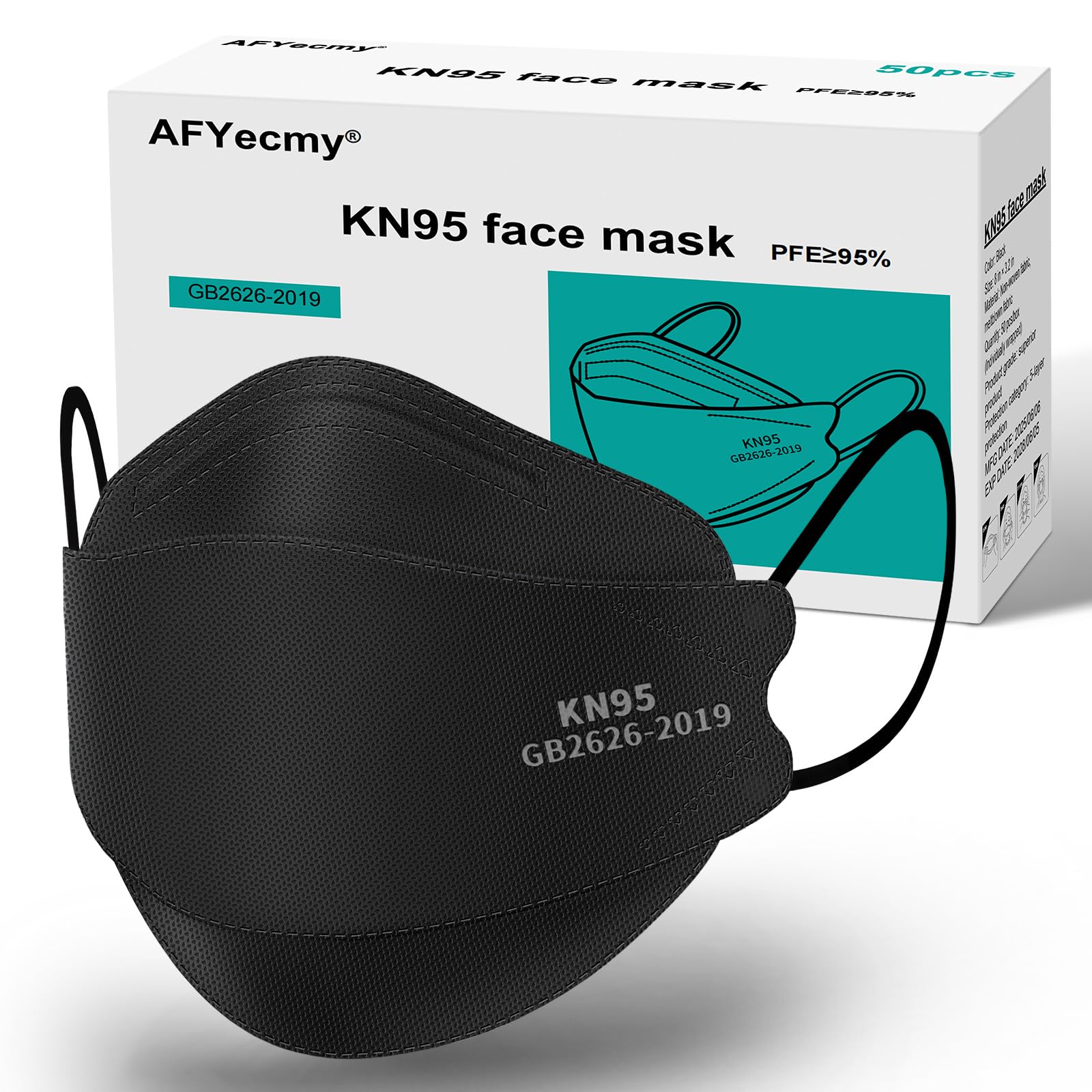
Best PPE for Sewage Cleanup (2026)
Top pick: 3M 8511 N95 Particulate Respirator (10-Pack)

Best Sewage, Wastewater & Stormwater Boots (2026) — Category 3 Rated
Top pick: Tingley Plain Toe Rubber Rain Boot
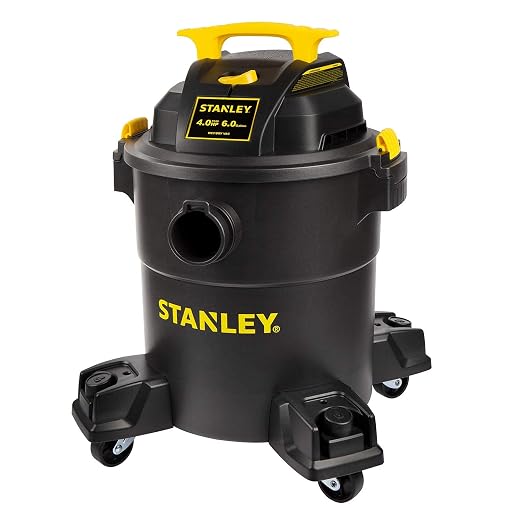
Best Wet/Dry Vacuums for Water Damage (2026)
Top pick: Stanley SL18116P Wet/Dry Vacuum (6 Gallon, 4 HP)
Why Sugar Land Homes Face Sewage Backup Cleanup Risks
Local geography, climate, and housing stock all affect how water damage occurs in Sugar Land. These are the most common causes our certified teams respond to in this area.
- 1Oyster Creek overflow — the creek rose to record levels during Hurricane Harvey's August 2017 rainfall event, inundating First Colony and Greatwood subdivisions for days
- 2Brazos River floodplain encroachment into Telfair and older Sugar Land Ranch developments that sit within the expanded 500-year floodplain FEMA redrew after Harvey
- 3Retention basin overflow across master-planned community detention ponds overwhelmed when outflow channels could not drain fast enough during Harvey's 60-inch rainfall
- 4Pre-Harvey FEMA flood map reliance — Avalon and New Territory homes built to mid-1990s maps are now in newly designated Zone AE parcels after post-2017 remapping
- 5Sanitary sewer surcharge along the US-90A corridor where Brazoria and Fort Bend County utility lines were overwhelmed, backing raw sewage into first-floor drains
Local Risk Notes
First Colony's older sections directly border Oyster Creek's 100-year floodplain and saw extensive Harvey flooding in 2017. Telfair developments west of Highway 6 were remapped to Zone AE after Harvey. Greatwood's 1980s-1990s housing near Brazos River oxbows recorded multiple feet of standing water during the 2017 event.
TX Insurance Tip
After Harvey, FEMA reclassified thousands of Sugar Land parcels from Zone X to Zone AE. Fort Bend County lenders now mandate NFIP flood insurance for affected properties, and post-2017 premiums under Risk Rating 2.0 are significantly higher than pre-Harvey rates.
Sewage Backup Cleanup in Sugar Land — FAQs
How fast can you get sewage backup cleanup help in Sugar Land?
What does sewage backup cleanup cost in Sugar Land?
Is sewage backup dangerous to my health?
Does homeowners insurance cover sewage backup?
How long does sewage cleanup take?
How do I prevent sewage backup from happening again?
What items are always non-salvageable after sewage backup and must be discarded?
No-Obligation Estimate
Get a No-Obligation Sewage Backup Cleanup Estimate in Sugar Land
Serving Sugar Land, TX
Enter your info and a certified local pro will contact you within 1 hour.
24/7 Emergency Response
We connect you with pros available around the clock — nights, weekends, and holidays.
IICRC-Certified Pros
We only refer to restoration professionals certified under IICRC standards (S500, S520).
Licensed & Insured
All referred contractors carry full state licensing and liability insurance.
No-Obligation Consultation
Call anytime — triage help and contractor dispatch at no cost to you.

Sponsored
Stop Paying Out-of-Pocket for Home Repairs
Choice Home Warranty covers AC, heating, plumbing, appliances & more — so the next breakdown doesn't drain your savings.
- $50 Off your plan
- First month FREE
- No home inspection required
- 24/7 claims service
Hiring for sewage backup cleanup in Sugar Land? Verify the license first.
Browse our directory of state-licensed mold companies in Sugar Land — license numbers, contact info, and expiration dates from official records.
HearthDry is an independent resource and does not perform restoration work. All referred contractors are independently licensed and IICRC-certified.