
Basement Flooding in Broken Arrow, OK
Basement water extraction, waterproofing assessment, and restoration. IICRC-certified pros serving Broken Arrow with 45-minute average emergency response.
Response
45 min
Cost range
$1,000+
Duration
4d
About Basement Flooding in Broken Arrow
Basement flooding from groundwater intrusion, sump pump failure, or drain backup requires specialized submersible pumps and low-profile extraction equipment. Services include water removal, efflorescence and moisture assessment, structural drying, and waterproofing recommendations.
Broken Arrow context: Broken Arrow, Oklahoma's severe weather state has one of the highest rates of tornado-related water damage in the country — wind-driven rain through storm-damaged roofs is a major claim source from March through June. Oklahoma's clay soils expand significantly when wet and have caused widespread foundation movement in metro Oklahoma City and Tulsa. The Arkansas and Red Rivers create significant FEMA Zone AE flood designations in eastern and southern Oklahoma. Oklahoma Insurance Department requires claim acknowledgment within 10 days. Oklahoma City's rapid urban growth has increased impervious surface cover and stormwater flooding frequency in newer subdivisions.
Get Broken Arrow Basement Flooding Help
Certified specialist calls within 15 minutes.
Quick answer
Basement flooding cleanup means extracting standing water, removing saturated materials, and drying the foundation walls and slab before mold establishes at 24–48 hours. Typical cost is $1,000–$7,000 over about four days. Electricity is the first hazard: if water could reach outlets, the panel or appliances, the power comes off before anyone enters. In Broken Arrow, OK, local crews average a 45-minute response and area rates run $1,500–$8,500.
Not sure who to phone first? Who to call when your basement floods.
What Basement Flooding Involves
What causes it
- Sump pump failure
- Groundwater hydrostatic pressure
- Foundation cracks
- Floor drain backup
- Window well overflow
How the work is done
- 1Check for electrical hazards before entering. Never enter a flooded basement if there is any chance electricity is still running. Locate your electrical panel and shut off all basement circuits. If the panel is in the flooded area, call your utility company to cut power from the street.
- 2Identify and stop the water source. Determine if water came from a sump pump failure, plumbing leak, storm flooding through windows, or foundation seepage. If from a pipe or appliance, shut off the main water supply. If from external flooding, the source may not be controllable until water recedes.
- 3Document with video before extraction begins. Video the basement showing water depth, the flood source, and all damaged materials. Include the water heater, HVAC equipment, and finished walls if applicable. This documentation is required for your insurance or FEMA claim.
- 4Begin water extraction immediately. Every hour of standing water causes additional structural damage and mold risk. Use a submersible pump or call a professional restoration company for truck-mounted extraction. Do not use a standard shop vac for more than a few inches of water.
- 5Deploy industrial drying equipment and monitor daily. After extraction, industrial air movers and LGR dehumidifiers must run continuously until all structural materials (framing, subfloor, drywall) reach IICRC target moisture levels — typically 3-7 days. Daily monitoring is required.
Work follows IICRC S500. Typical duration 4 days; national cost range $1,000–$7,000.
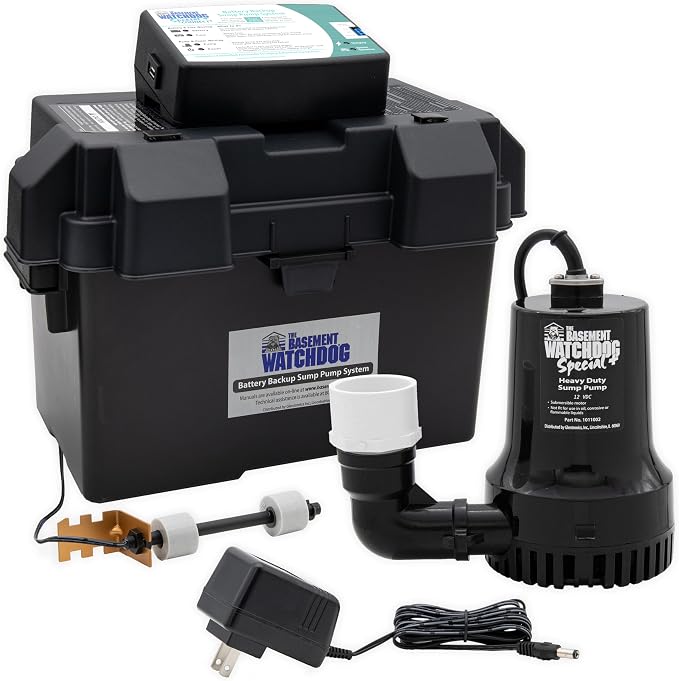
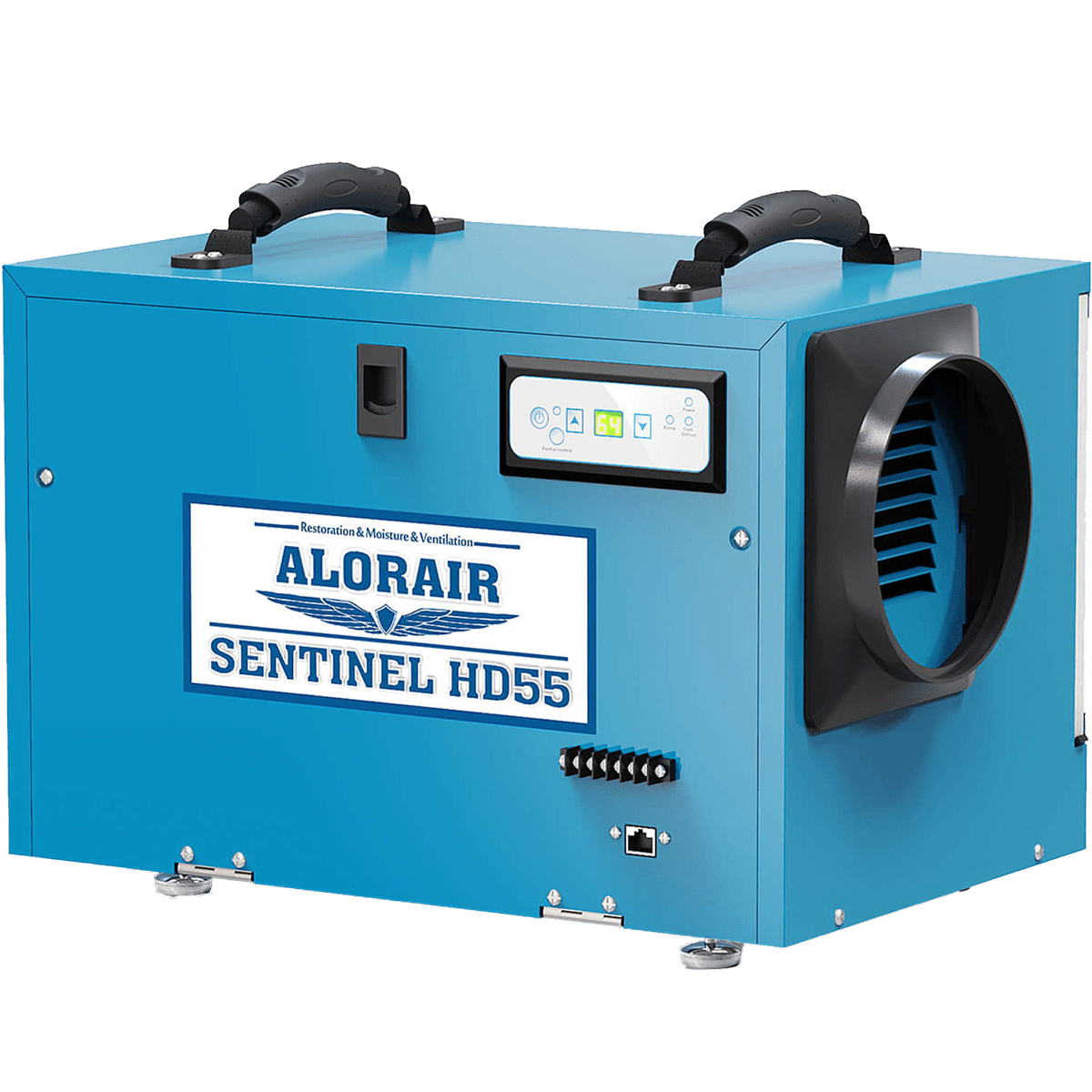
Equipment and reading for basement flooding
Whether you hire a crew in Broken Arrow or handle part of it yourself, these are the tools the job actually needs and the background worth reading first.

Why Broken Arrow Homes Face Basement Flooding Risks
Local geography, climate, and housing stock all affect how water damage occurs in Broken Arrow. These are the most common causes our certified teams respond to in this area.
- 1Bird Creek overflow into low-lying subdivisions on Broken Arrow's north side during stalled frontal systems that park over the Tulsa metro and deliver multi-day rainfall
- 2Haikey Creek backwater flooding where it meets impervious suburban surfaces in Forest Ridge and Aspen Valley, backing water into garages and ground-floor living spaces
- 3Tornado-damaged roof assemblies creating persistent attic leaks — EF1 and EF2 tracks across Tulsa County regularly lift flashing and ridge caps without fully removing shingles
- 4Expansive Claremore clay soils with high shrink-swell potential causing slab upheaval and perimeter foundation gaps after wet Oklahoma winters
- 5Overloaded stormwater systems in older Silver Creek and Indian Springs plats built before Broken Arrow adopted post-2000 detention pond requirements
Local Risk Notes
Indian Springs and Aspen Valley neighborhoods north of Kenosha Street sit in Bird Creek's overflow corridor and have flooded during multiple Tulsa-area storm events. Forest Ridge's older sections near Haikey Creek see routine yard ponding migrating into slab foundations. Silver Creek's 1980s housing lacks modern stormwater detention, making street flooding common during heavy rain.
OK Insurance Tip
Oklahoma carriers frequently exclude tornado-related water intrusion under standard wind clauses — if a tornado lifts your roof and rain enters, many OK HO policies classify it as a wind exclusion. Verify your policy's ensuing loss language covers subsequent water damage explicitly.
Basement Flooding in Broken Arrow — FAQs
How fast can you get basement flooding help in Broken Arrow?
What does basement flooding cost in Broken Arrow?
Why does my basement flood even without heavy rain?
Is basement water damage covered by homeowners insurance?
How quickly does basement mold grow after flooding?
How do I prevent my basement from flooding again after this event?
Should I tear out finished basement materials myself to speed up the drying process?
No-Obligation Estimate
Get a No-Obligation Basement Flooding Estimate in Broken Arrow
Serving Broken Arrow, OK
Enter your info and a certified local pro will contact you within 1 hour.
24/7 Emergency Response
We connect you with pros available around the clock — nights, weekends, and holidays.
IICRC-Certified Pros
We only refer to restoration professionals certified under IICRC standards (S500, S520).
Licensed & Insured
All referred contractors carry full state licensing and liability insurance.
No-Obligation Consultation
Call anytime — triage help and contractor dispatch at no cost to you.

Sponsored
Stop Paying Out-of-Pocket for Home Repairs
Choice Home Warranty covers AC, heating, plumbing, appliances & more — so the next breakdown doesn't drain your savings.
- $50 Off your plan
- First month FREE
- No home inspection required
- 24/7 claims service
HearthDry is an independent resource and does not perform restoration work. All referred contractors are independently licensed and IICRC-certified.