
Basement Flooding in Huntington, WV
Basement water extraction, waterproofing assessment, and restoration. IICRC-certified pros serving Huntington with 45-minute average emergency response.
Response
45 min
Cost range
$1,000+
Duration
4d
About Basement Flooding in Huntington
Basement flooding from groundwater intrusion, sump pump failure, or drain backup requires specialized submersible pumps and low-profile extraction equipment. Services include water removal, efflorescence and moisture assessment, structural drying, and waterproofing recommendations.
Huntington context: Huntington, West Virginia faces chronic flooding from its position in the Appalachian Mountains — the state's steep terrain and narrow valleys create some of the fastest-rising flash floods in the eastern U.S. The 2016 southern West Virginia flood event was a 1,000-year flood that killed 23 people and destroyed thousands of homes. The Kanawha, Elk, Gauley, and Guyandotte Rivers flood in most years during spring snowmelt and after heavy Appalachian thunderstorms. WV's older coal-country housing stock often lacks modern foundations, making it highly vulnerable to flooding. WV Insurance Commissioner regulations require prompt claim response. NFIP flood insurance is strongly recommended for all WV river valley properties.
Get Huntington Basement Flooding Help
Certified specialist calls within 15 minutes.
Quick answer
Basement flooding cleanup means extracting standing water, removing saturated materials, and drying the foundation walls and slab before mold establishes at 24–48 hours. Typical cost is $1,000–$7,000 over about four days. Electricity is the first hazard: if water could reach outlets, the panel or appliances, the power comes off before anyone enters. In Huntington, WV, local crews average a 45-minute response and area rates run $1,500–$8,500.
Not sure who to phone first? Who to call when your basement floods.
What Basement Flooding Involves
What causes it
- Sump pump failure
- Groundwater hydrostatic pressure
- Foundation cracks
- Floor drain backup
- Window well overflow
How the work is done
- 1Check for electrical hazards before entering. Never enter a flooded basement if there is any chance electricity is still running. Locate your electrical panel and shut off all basement circuits. If the panel is in the flooded area, call your utility company to cut power from the street.
- 2Identify and stop the water source. Determine if water came from a sump pump failure, plumbing leak, storm flooding through windows, or foundation seepage. If from a pipe or appliance, shut off the main water supply. If from external flooding, the source may not be controllable until water recedes.
- 3Document with video before extraction begins. Video the basement showing water depth, the flood source, and all damaged materials. Include the water heater, HVAC equipment, and finished walls if applicable. This documentation is required for your insurance or FEMA claim.
- 4Begin water extraction immediately. Every hour of standing water causes additional structural damage and mold risk. Use a submersible pump or call a professional restoration company for truck-mounted extraction. Do not use a standard shop vac for more than a few inches of water.
- 5Deploy industrial drying equipment and monitor daily. After extraction, industrial air movers and LGR dehumidifiers must run continuously until all structural materials (framing, subfloor, drywall) reach IICRC target moisture levels — typically 3-7 days. Daily monitoring is required.
Work follows IICRC S500. Typical duration 4 days; national cost range $1,000–$7,000.
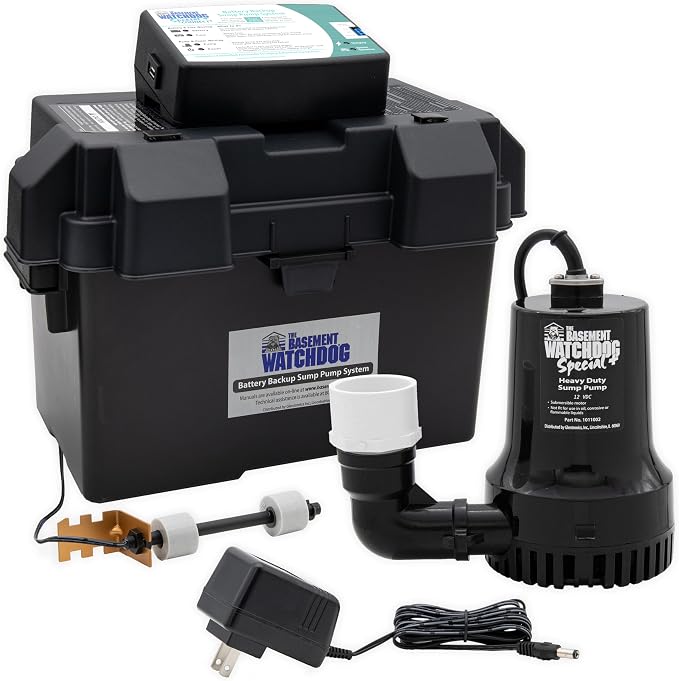
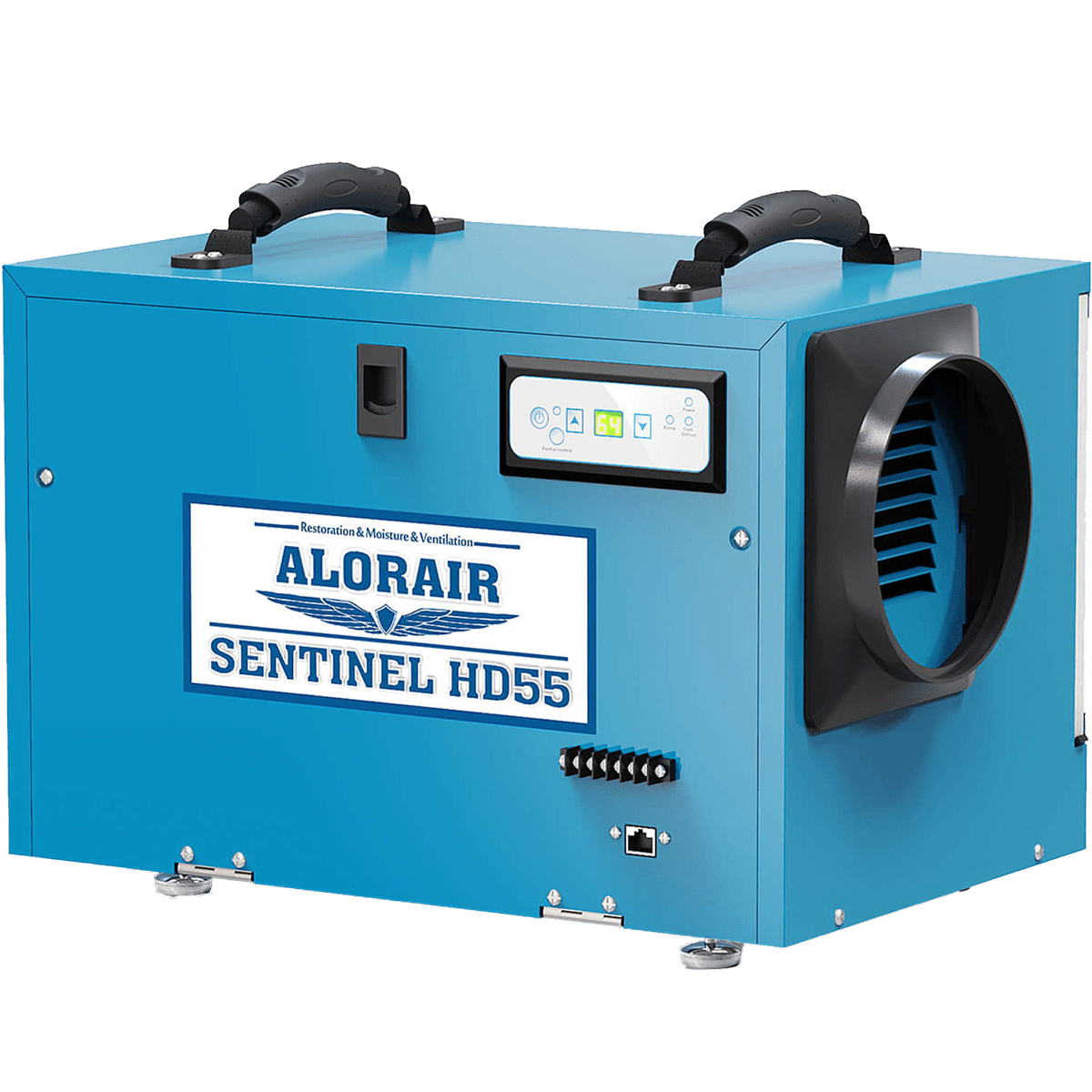
Equipment and reading for basement flooding
Whether you hire a crew in Huntington or handle part of it yourself, these are the tools the job actually needs and the background worth reading first.

Why Huntington Homes Face Basement Flooding Risks
Local geography, climate, and housing stock all affect how water damage occurs in Huntington. These are the most common causes our certified teams respond to in this area.
- 1The Ohio River defines Huntington's northern boundary and is its primary flood threat; although the U.S. Army Corps of Engineers floodwall protects much of downtown, properties outside the wall—particularly in Guyandotte and the eastern wards—flood when Ohio River stages exceed 52 feet at the Huntington gauge.
- 2The Guyandotte River enters the Ohio at the eastern edge of Huntington; its own watershed, draining much of Lincoln and Logan counties upstream, contributes rapid flood pulses during heavy Appalachian rainfall that can arrive independently of Ohio River flooding.
- 3Mud River flows through the Milton area east of Huntington and joins the Guyandotte; it backs up during combined Ohio River high-water events, flooding low-lying properties in eastern Cabell County suburbs that depend on Mud River drainage.
- 4Huntington's location in a narrow Ohio River floodplain backed by steep Appalachian hillsides means intense summer storms send sheet runoff from the ridges into residential basements before stormwater systems can respond.
- 5Aging combined sewer infrastructure throughout Huntington's older grid neighborhoods causes raw sewage and stormwater to back up through floor drains during heavy rain events, creating both water damage and biohazard contamination inside homes.
Local Risk Notes
Guyandotte, the historic eastern neighborhood at the confluence of the Guyandotte River and Ohio River, sits outside the Corps of Engineers floodwall and has been inundated multiple times, most recently with significant damage during the 2004 and 2018 spring flood events. The South Side neighborhood along 5th Street Road, also outside floodwall protection, experiences recurring street and basement flooding whenever the Ohio River rises above 45 feet at the Huntington gauge.
WV Insurance Tip
West Virginia participates fully in NFIP but premiums have increased sharply under Risk Rating 2.0 for Ohio River-adjacent properties; obtain an Elevation Certificate before purchasing in Guyandotte or any address with a Zone AE or Zone X-shaded FEMA designation to ensure accurate premium calculation.
Basement Flooding in Huntington — FAQs
How fast can you get basement flooding help in Huntington?
What does basement flooding cost in Huntington?
Why does my basement flood even without heavy rain?
Is basement water damage covered by homeowners insurance?
How quickly does basement mold grow after flooding?
How do I prevent my basement from flooding again after this event?
Should I tear out finished basement materials myself to speed up the drying process?
No-Obligation Estimate
Get a No-Obligation Basement Flooding Estimate in Huntington
Serving Huntington, WV
Enter your info and a certified local pro will contact you within 1 hour.
24/7 Emergency Response
We connect you with pros available around the clock — nights, weekends, and holidays.
IICRC-Certified Pros
We only refer to restoration professionals certified under IICRC standards (S500, S520).
Licensed & Insured
All referred contractors carry full state licensing and liability insurance.
No-Obligation Consultation
Call anytime — triage help and contractor dispatch at no cost to you.

Sponsored
Stop Paying Out-of-Pocket for Home Repairs
Choice Home Warranty covers AC, heating, plumbing, appliances & more — so the next breakdown doesn't drain your savings.
- $50 Off your plan
- First month FREE
- No home inspection required
- 24/7 claims service
HearthDry is an independent resource and does not perform restoration work. All referred contractors are independently licensed and IICRC-certified.