
Quick answer
When a pipe bursts, close the main water valve first, turn off power to any wet area at the breaker, photograph everything, and get extraction and drying started the same day. Once the water is off, the pipe repair can wait a few hours; the wet floors and walls cannot, because mold starts on wet materials within 24–48 hours. A pipe that broke inside a wall is opened and dried by a restoration company, repaired by a plumber, then closed up once the framing reads dry. Call (888) 840-6512 to reach a certified water damage restoration company in your area; the line is answered 24/7.
Written & reviewed by Marcus ReedIICRC WRT
Reviewed June 20, 2026· Next review Dec 2026
When a pipe bursts, close the main water valve first, then turn off power to any wet area, photograph everything, and get extraction and drying started the same day. The plumbing repair can wait a few hours once the water is off. The water already in your floors and walls cannot, because wet building materials begin growing mold within 24–48 hours.
Burst Pipe: What to Do Right Now
Do these four things in this order. The first two take minutes.
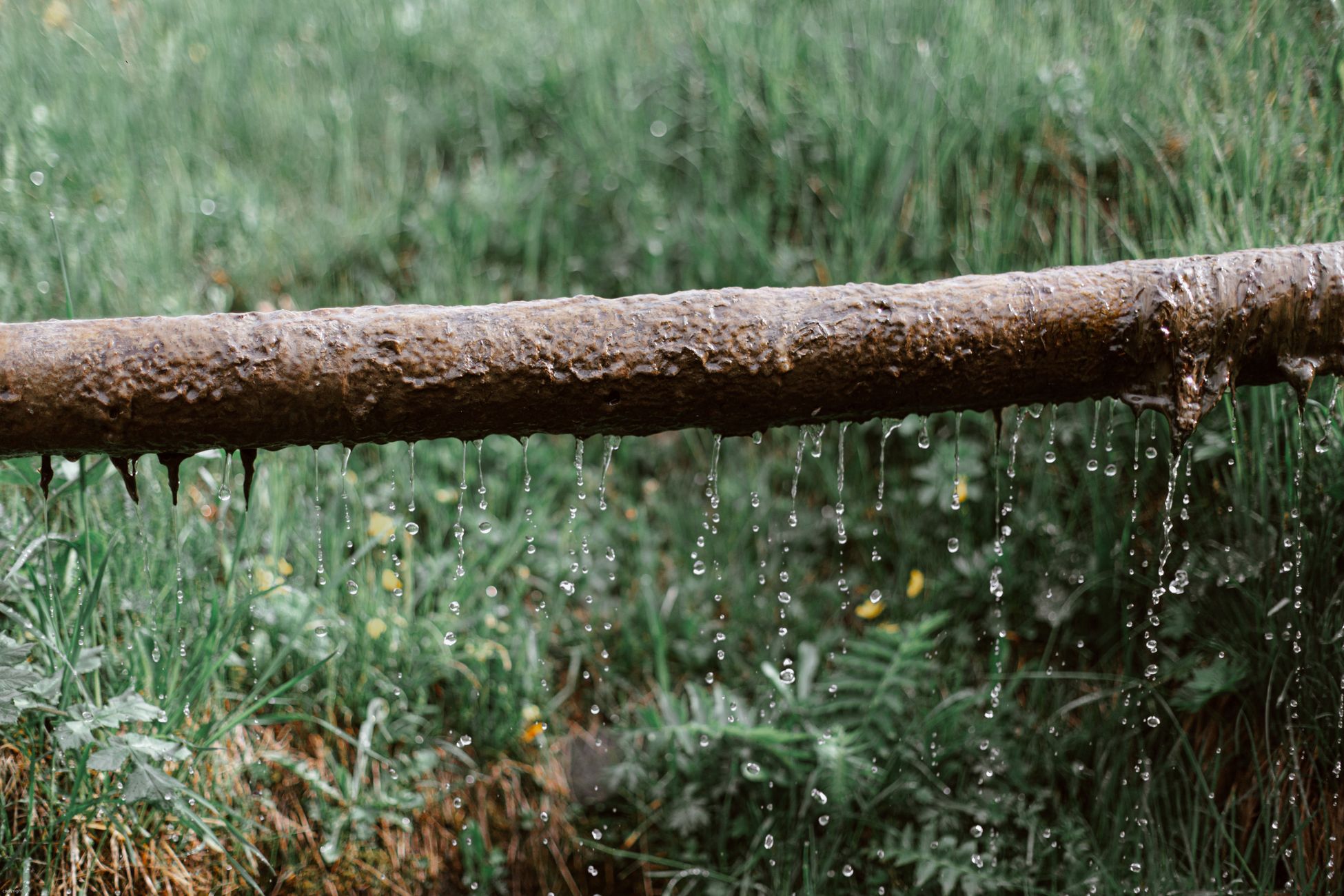
- 1Shut off the main water valve. Turn it clockwise until it stops. It is usually where the supply line comes into the house: a basement or garage wall facing the street, a utility closet, beside the water heater, or in a meter box near the curb. If it will not turn, call your water utility and tell them a pipe has burst; they can close the valve at the street. Then open the lowest faucet in the house so the water left in the pipes drains there instead of through the break. The emergency shut-off guide has valve locations by house type.
- 2Cut power to wet areas. Turn off the breakers for any room where water is near outlets, cords or light fixtures, and do it before you walk into standing water. If the panel is in the wet area, stay out and call the electric utility. Water coming through a ceiling can also bring the ceiling down, so keep people out from under a sagging spot.
- 3Photograph everything before cleanup. Take video of each wet room, the height of water on the walls, the broken pipe and anything damaged. Photos taken before anything is moved are what an insurance claim is built on. Keep the failed section of pipe.
- 4Start extraction and drying the same day. Towel or mop clean standing water if the power is off, move rugs and furniture to a dry room, and get a water damage restoration company in to extract the rest and measure what is wet inside the walls and floor.
Burst Pipe in the House: Why the Drying Can't Wait
A burst supply line runs at the full pressure of your water system, so the water does not stay where it lands. It runs under flooring, soaks into the bottom of drywall, gets into insulation and follows joists into the ceiling below. Rooms next to the one with the puddle are often wet too. (If the water came from a washing machine or dishwasher instead of a pipe, whether it was clean supply water or used wash water changes the cleanup; washing machine flooded: what to do covers that.)
The EPA advises drying wet materials within 24 to 48 hours to prevent mold, and the IICRC S500 standard is how restoration companies measure it. They use moisture meters and thermal cameras to map how far the water went, and the job is sized by those readings, not by the puddle you can see. Household fans dry the surface of a room; they do not dry the inside of a wall. A floor that looks dry can still be wet underneath for weeks.
The water from a supply line is clean water, Category 1 under S500, and most of it can be dried in place if drying starts early. Left for days, it picks up contamination from the materials it soaks, and drying turns into tearing out.
Frozen Pipe Burst: What to Do
A frozen pipe that has split often leaks very little until it thaws, then runs hard. If you find a pipe that is frozen, close the main before anyone warms it, and keep it closed until a plumber has checked it for splits. Thaw it gently with a hair dryer or warm towels, never an open flame. Frozen pipes are usually in exterior walls, attics and crawl spaces, so the water tends to go where you cannot see it. Look for stains or bubbling paint on exterior walls and ceilings after a thaw. The frozen pipe burst page has more on thawing and what to check.
Pipe Burst in the Wall: What to Do
If you hear water inside a wall, see a stain spreading, or the paint is bubbling, it is a broken pipe in the wall even if nothing is dripping yet. Close the main and cut power to that room. Do not break the wall open yourself to look. Removing drywall before it is photographed and measured makes the claim harder, and the wall usually needs to be opened in a particular place anyway.
Talk to a water damage pro now
Answered 24/7 · Toll-free · answered 24/7 · no obligation
(888) 840-6512Mold can establish within 24–48 hours of water exposure — drying started today stays a drying job.
- Describe the damage & give your ZIP
- You're routed to the on-call local crew
- They quote — you decide, no obligation
Burst Pipe in Wall Repair: What It Involves and Who Does It
A pipe that broke in the wall takes three trades, in this order:
| Step | What happens | Who does it |
|---|---|---|
| Open and dry | Measure where the wall is wet, cut out wet drywall and insulation, extract water and dry the cavity and framing to a measured standard | Water damage restoration company |
| Repair the pipe | Replace the broken section through the opening, then test it under pressure before the wall is closed | Licensed plumber |
| Close the wall | New insulation, drywall, tape, texture and paint, plus any flooring or baseboard that had to come out | Restoration company's rebuild team, or a drywall contractor |
Doing the drying first means the opening for the plumber is the drywall that had to come out anyway, and the wall is cut once. The one thing not to do is close the wall before the framing reads dry on a meter. Drywall over wet studs is how a finished repair turns into mold a few months later. Who to call for water damage in walls covers leaks you find later, and wet drywall: save or replace explains which drywall can be dried and which comes out.
What it costs depends on how far the water went, not on the pipe. Mitigation for clean supply water, meaning the extraction and structural drying before any rebuild, runs about $3–$7 per square foot. Most residential water damage incidents land at $2,000–$6,000 in total. The burst pipe repair cost page breaks down the plumbing and rebuild lines. Where the pipe is easy to reach, the plumbing is usually the smaller part of the bill; a pipe under a slab is the exception.
Who to Call After a Pipe Bursts
With the main closed, the restoration company comes first because the drying is time-sensitive, the plumber the same day or next morning, and the insurer the same day once everything is photographed. If you cannot stop the water, the utility or an emergency plumber comes before anyone. Who to call for a burst pipe sets out that order case by case.
Call the insurer before the adjuster arrives, not after. Policies require you to prevent further damage, so extraction should not wait for an adjuster's approval. A sudden burst is generally covered; the repair of the pipe itself and damage from a slow, long-running leak generally are not. If you rent, notify the landlord in writing with your photos; the landlord hires the restoration company.
What Happens When You Call
(888) 840-6512 is a referral line answered 24/7, with no charge for the referral. It connects you to a certified water damage restoration company taking calls for your ZIP. What to expect:
- A short automated menu answers first. Press 1 for water damage.
- Enter the 5-digit ZIP of the property.
- The line goes quiet for about half a minute while it connects. That is normal; stay on.
- When a person answers, describe what burst, whether the water is off, and what is wet.
Have ready:
- The property address, including the ZIP
- When the water started, as near as you know
- What is wet now: rooms, floors, ceilings, and whether it is still running
- Whether you have opened an insurance claim yet
The company gives you an arrival window for your address on the call. The scope of work and the price are between you and them.
Broken Pipe: What Not to Do
- Do not turn the water back on to "see where it's coming from." Let the plumber pressure-test it.
- Do not run a household vacuum on water, or stand in water with the power on.
- Do not paint over the stain or close up an opening until the materials behind it read dry.
- Do not throw out damaged items until they are photographed and listed for the claim.
Reading to confirm what you already suspect?
Confirm it in two minutes instead — the pro on this line answers questions about YOUR situation all day: what it is, what it should cost, whether you even need service. If you want, they'll set the appointment on the same call.
Toll-free · no obligation · asking costs nothing
Frequently Asked Questions
Burst pipe in the house: what do I do first?
Close the main water shut-off, clockwise until it stops. It is usually where the supply enters the house: a street-facing basement or garage wall, a utility closet, beside the water heater, or a meter box at the curb.
If it will not turn, call your water utility to close the valve at the street, and open the lowest faucet in the house so the water left in the pipes drains there. Then cut power to wet rooms at the breaker.
Frozen pipe burst: what do I do?
Close the main before the pipe thaws, because a split frozen pipe often leaks little while frozen and runs hard once it warms. Keep the water off until a plumber has checked the line for splits.
Thaw gently with a hair dryer or warm towels, never an open flame. Frozen pipes usually sit in exterior walls, attics and crawl spaces, so after a thaw look for stains or bubbling paint and have the hidden cavities checked with a moisture meter.
What do I do if a pipe burst in the wall?
Close the main and turn off power to that room. Signs include the sound of running water with every tap closed, a spreading stain, or bubbling paint.
Do not cut the wall open yourself: photograph it first, and let a restoration company measure where the wall is wet so it is opened in the right place. The wet drywall they remove usually becomes the opening the plumber needs to repair the pipe.
What does burst pipe in wall repair involve, and who does it?
Three steps and usually three trades. A water damage restoration company measures the wet area, removes wet drywall and insulation and dries the cavity and framing. A licensed plumber replaces the broken section through that opening and pressure-tests it.
Then the wall is closed with new insulation, drywall and paint, by the restoration company's rebuild team or a drywall contractor. The wall should not be closed until the framing reads dry on a meter.
How much does burst pipe water damage cost?
It dependsOn how far the water spread, not on the pipe. Most residential water damage incidents cost $2,000 to $6,000 in total.
Mitigation for clean supply water, meaning extraction and drying before any rebuild, runs about $3 to $7 per square foot, and rebuilding drywall, flooring and paint is added on top. Where the pipe is easy to reach, the plumbing repair is usually the smaller part of the bill. Starting drying early is what keeps the total down.
Broken pipe: what should I not do?
Do not turn the water back on to find the leak; let the plumber pressure-test the repair. Do not stand in water with the power on, or run a household vacuum on water.
Do not paint over a stain or close a wall until the material behind it reads dry on a meter. And do not throw out damaged belongings, flooring or drywall until they are photographed and listed for your insurance claim.
Can I dry a burst pipe leak myself with fans?
Only if the water stayed on a sealed hard surface and you removed all of it within the first hour or so. Once it has reached carpet pad, drywall, insulation, subfloor or a ceiling below, fans dry the surface while the inside of the wall or floor stays wet.
A restoration company measures moisture inside materials and dries them to a recorded standard, which your insurer will also want to see.
Does insurance cover a burst pipe?
A sudden burst is generally covered under a standard homeowners policy for the damage it causes: drywall, flooring, cabinets and belongings. The repair of the pipe itself usually is not, and neither is damage from a slow leak that ran for months.
Policies require you to prevent further damage, so start extraction without waiting for an adjuster, photograph everything first, and open the claim the same day.
Who do I call right now for water damage?
Call (888) 840-6512. The line is answered 24 hours a day, seven days a week, and connects you with an IICRC-certified water damage restoration company that serves your area. Describe what you can see — where the water is coming from, how long it has been there, and whether it smells — the more specific you are, the faster the right company is on the line.
If the source is a pipe or an appliance, shut the main water valve first. Have four things ready and the call goes quickly: the address, when the water started, what is wet now, and whether you have filed an insurance claim.
Still not sure which of these is your situation? (888) 840-6512 · toll-free · answered 24/7
Sources
- IICRC S500 — Water Damage Restoration(retrieved 2026-07-02)
- EPA — Mold and Water Cleanup Guidance(retrieved 2026-07-02)
Methodology: How we source and verify data · Report an error
Disclaimer: HearthDry is an independent educational resource. This article is for informational purposes only and does not constitute professional, legal, or insurance advice. Consult licensed professionals before making decisions about your property or insurance claims.
Video
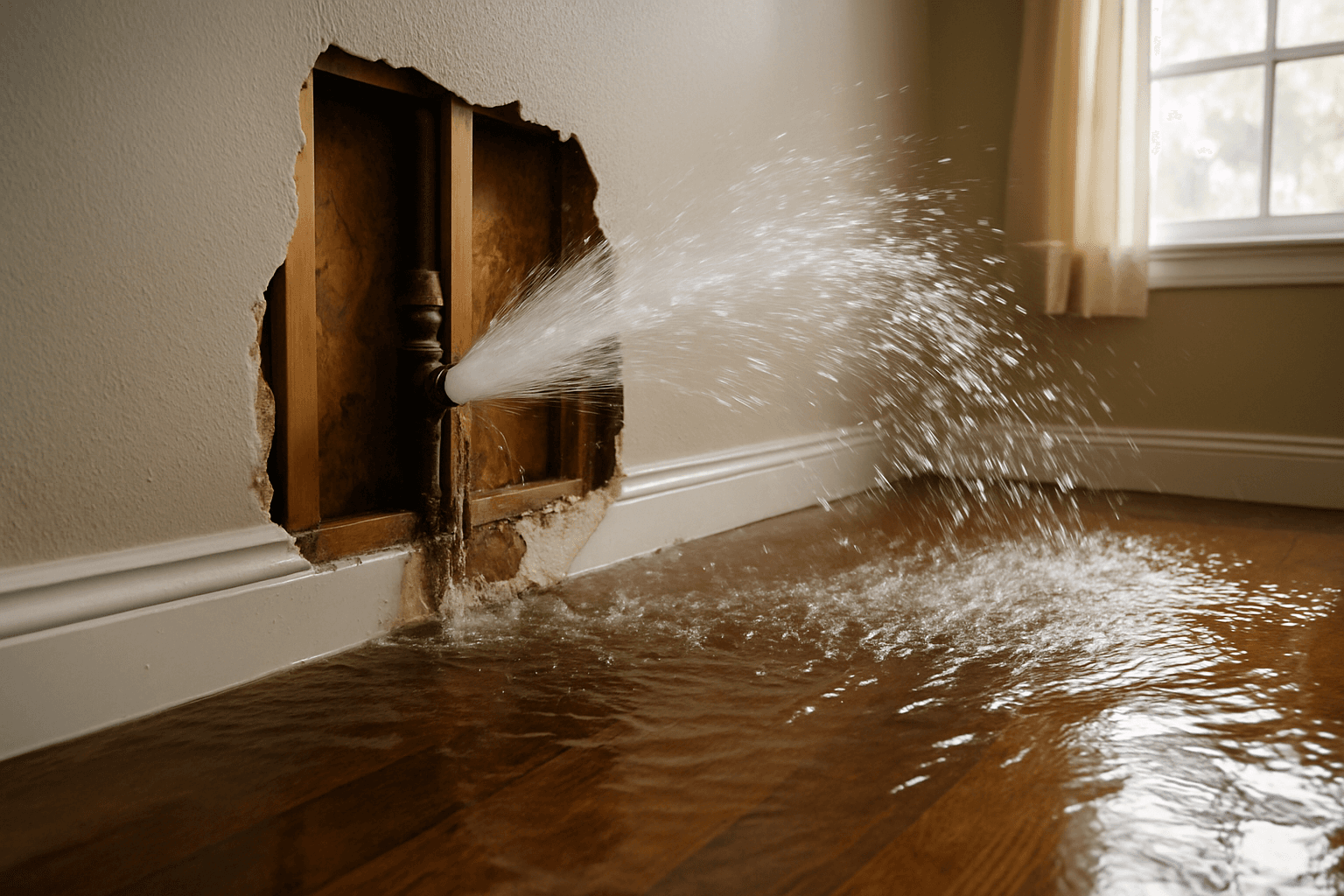
Video: Public domain license
Watch: Pipe Damage from Extreme Cold: What Happens — 2 min 5 sec
Free 2-day shipping
Amazon Prime members pay no shipping on restoration equipment
Dehumidifiers, air movers, and moisture meters qualify for free Prime delivery — bulk items that otherwise cost $15–$40 to ship.
Affiliate link — HearthDry earns a bounty if you sign up; costs you nothing extra.
Equipment
What each machine actually does
Removes the moisture the structure is still giving off — the machine that decides how long drying takes
See the picks →Moves air across wet surfaces so the dehumidifier has something to take out of the air
See the picks →Finds water behind walls and under floors, and tells you when a material is actually dry
See the picks →Alerts you the moment a leak starts — the cheapest thing on this list and the only preventive one
See the picks →Those pages carry affiliate links. As an Amazon Associate, HearthDry earns from qualifying purchases; it costs you nothing extra.
Our Amazon storefront →Advertisement
