
Mold Remediation in Fall River, MA
Professional mold testing, removal, and prevention. IICRC-certified pros serving Fall River with 42-minute average emergency response.
Response
42 min
Cost range
$1,500+
Duration
5d
About Mold Remediation in Fall River
Mold remediation follows EPA and IICRC S520 protocols: containment, HEPA air filtration, removal of affected materials, antimicrobial treatment, and post-remediation air quality testing. Certified remediators use negative pressure containment to prevent cross-contamination to unaffected areas.
Fall River context: Fall River, Massachusetts water damage risk is shaped by its northeast coastal climate and aging housing stock. Boston and surrounding communities have some of the oldest housing in the U.S. — pre-1930 homes with original galvanized steel plumbing, clay tile drain systems, and minimal insulation create high pipe burst and water intrusion risk. Nor'easters from November through April deliver 2–4 inches of rain or equivalent snow with 50–70 mph winds that force water under roofing materials. Massachusetts' combined sewer overflow (CSO) system discharges sewage into basements in older communities during heavy rain. Ice dams form on every improperly insulated roof in Massachusetts — a preventable source of ceiling water damage.
Get Fall River Mold Remediation Help
Certified specialist calls within 15 minutes.
Quick answer
Mold remediation is the IICRC S520 process of containing an affected area, filtering the air with HEPA equipment, removing contaminated porous materials, and correcting the moisture source that fed the growth. Typical residential cost is $1,500–$12,000 over about five days. Remediation without fixing the moisture source is temporary — the colony returns on the same schedule. In Fall River, MA, local crews average a 42-minute response and area rates run $1,500–$8,500.
Not sure who to phone first? Who to call for water damage, in order.
What Mold Remediation Involves
What causes it
- Untreated water damage
- Chronic leaks
- High indoor humidity
- Inadequate ventilation
- Flood damage
How the work is done
- 1Do not disturb visible mold. Do not scrub, vacuum, or apply bleach to visible mold. Disturbing mold without proper containment spreads spores through your HVAC system and throughout the home. Keep the room closed and minimize foot traffic.
- 2Isolate the affected area. Close all doors, windows, and HVAC vents in the affected room. Turn off any fans in that space. This prevents spore dispersal to other areas while you arrange professional assessment.
- 3Document the mold extent for insurance. Photograph all visible mold growth — include a ruler or reference object for scale. Note the location relative to water damage events. Mold resulting from covered water damage is typically included in the claim.
- 4Schedule a professional mold inspection and air quality test. An IICRC AMRT-certified inspector uses air sampling to detect spore counts even when no visible mold is present. The inspection report documents the type and concentration of mold — required for insurance claims and remediation protocols.
- 5Complete remediation and obtain clearance testing. Professional mold remediation involves containment barriers, negative air pressure, HEPA filtration, removal of contaminated materials, antimicrobial treatment, and final clearance testing. Clearance testing confirms spore counts have returned to normal levels before reconstruction.
Work follows IICRC S520. Typical duration 5 days; national cost range $1,500–$12,000.
Equipment and reading for mold remediation
Whether you hire a crew in Fall River or handle part of it yourself, these are the tools the job actually needs and the background worth reading first.
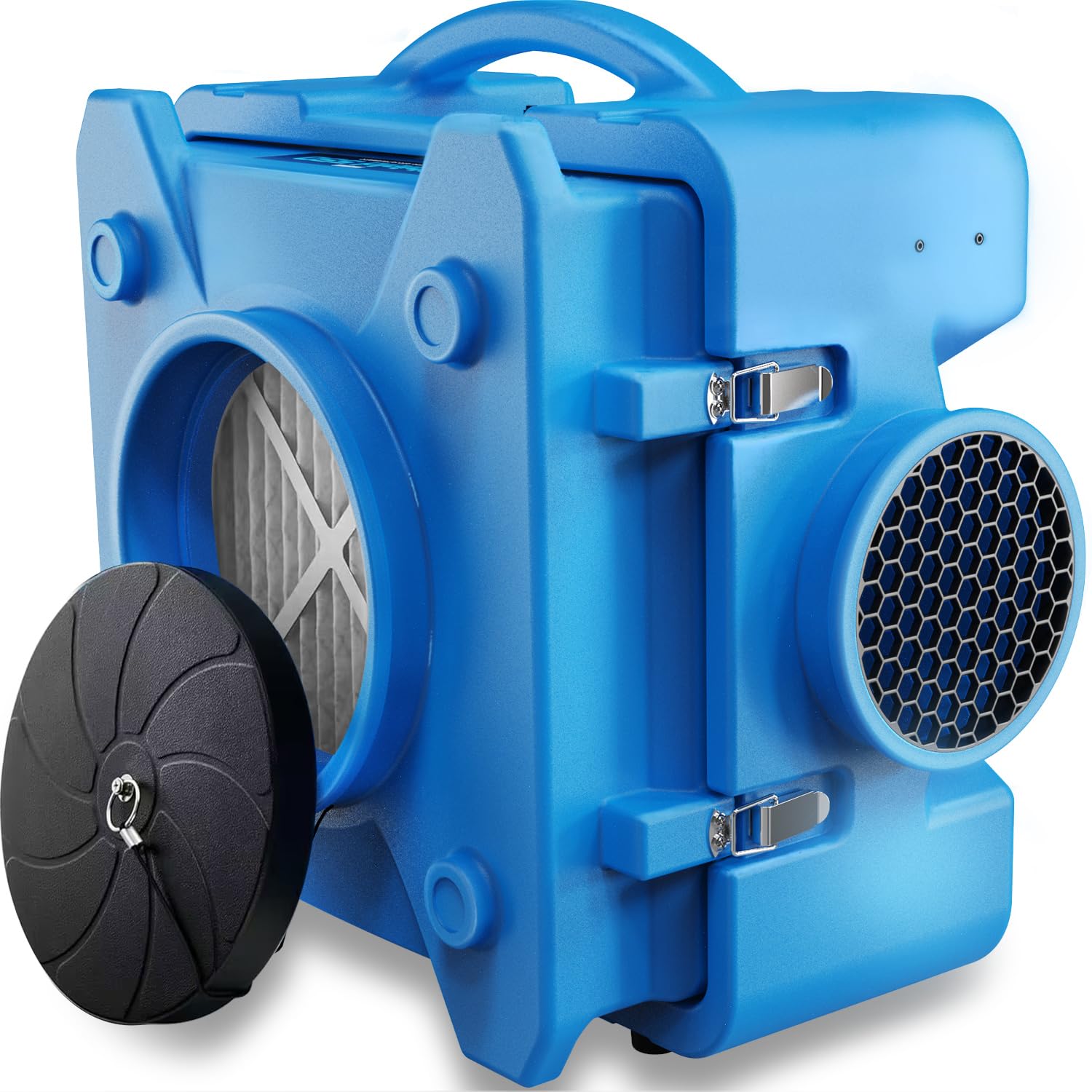
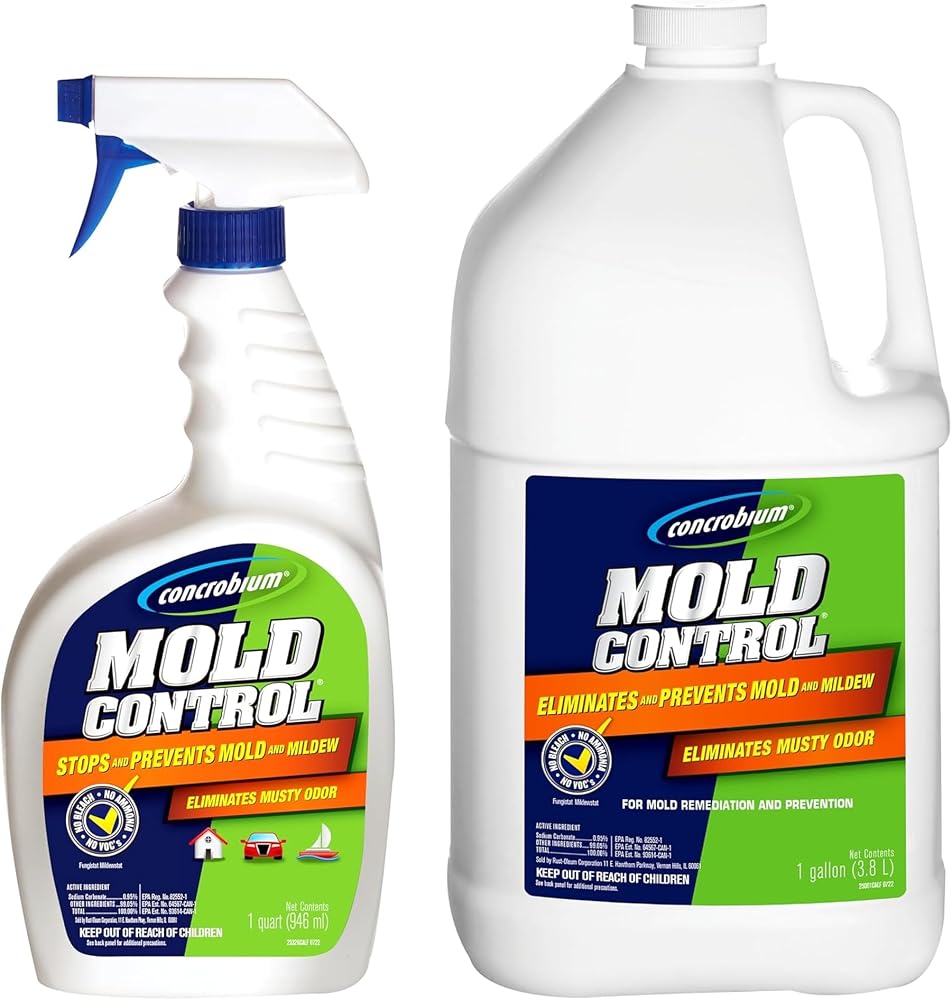

Why Fall River Homes Face Mold Remediation Risks
Local geography, climate, and housing stock all affect how water damage occurs in Fall River. These are the most common causes our certified teams respond to in this area.
- 1Taunton River tidal backflooding: The Taunton River, passing Fall River's northern edge, is a tidal estuary connected to Mount Hope Bay; during major coastal storms, saltwater reverses upstream and backs flood water into Fall River's northern industrial and residential corridors along Route 6.
- 2Quequechan River culvert surcharging: The Quequechan River — which once powered Fall River's massive textile mills — is largely culverted beneath the downtown; during major rainfall events its underground channels surcharge and back water into streets, basements, and lower floors throughout the Flint and Highlands neighborhoods.
- 3Mount Hope Bay storm surge: Mount Hope Bay directly abuts Fall River's southern waterfront and funnels Atlantic nor'easter surge northward, flooding the South End waterfront along Bay Street and the Marine Park area with each major coastal storm.
- 4North and South Watuppa Pond watershed overflows: The North and South Watuppa Ponds, part of Fall River's drinking water supply system, receive runoff from a large watershed; during extreme rainfall events, overflow from the ponds and their feeder streams floods properties in the Maplewood and lower Flint neighborhoods.
- 519th-century triple-decker granite-rubble foundation seepage: Fall River's Globe Four Corners and Highlands neighborhoods contain dense blocks of 19th-century triple-decker housing built on granite ledge and rubble-stone foundations that allow groundwater and frost-driven moisture seepage during wet seasons and freeze-thaw periods.
Local Risk Notes
The South End neighborhood near the Mount Hope Bay waterfront and the Flint neighborhood adjacent to the culverted Quequechan River are Fall River's highest-risk flood areas, with the culverted river's underground channels acting as a pressure vessel that backs up into basements across a wide surrounding area during nor'easters. The Globe Four Corners area and the older triple-decker blocks in the Highlands district are particularly vulnerable to combined sewer backup flooding during major coastal storms when the Quequechan's culverted sections pressurize the interconnected storm and sanitary sewer network throughout the city.
MA Insurance Tip
Fall River homeowners with basement units or ground-floor spaces near culverted sections of the Quequechan River should add a water backup and sewer overflow endorsement to their homeowner's policy and consider a separate NFIP flood policy, as the city's combined sewer system generates documented basement backup events during every significant nor'easter.
Mold Remediation in Fall River — FAQs
How fast can you get mold remediation help in Fall River?
What does mold remediation cost in Fall River?
How do I know if I have toxic black mold?
Can I clean mold myself with bleach?
Will insurance cover mold remediation?
How long does mold remediation take, and when can we move back in?
What is the difference between a mold inspector and a mold remediator, and do I need both?
No-Obligation Estimate
Get a No-Obligation Mold Remediation Estimate in Fall River
Serving Fall River, MA
Enter your info and a certified local pro will contact you within 1 hour.
24/7 Emergency Response
We connect you with pros available around the clock — nights, weekends, and holidays.
IICRC-Certified Pros
We only refer to restoration professionals certified under IICRC standards (S500, S520).
Licensed & Insured
All referred contractors carry full state licensing and liability insurance.
No-Obligation Consultation
Call anytime — triage help and contractor dispatch at no cost to you.

Sponsored
Stop Paying Out-of-Pocket for Home Repairs
Choice Home Warranty covers AC, heating, plumbing, appliances & more — so the next breakdown doesn't drain your savings.
- $50 Off your plan
- First month FREE
- No home inspection required
- 24/7 claims service
HearthDry is an independent resource and does not perform restoration work. All referred contractors are independently licensed and IICRC-certified.