
Mold Remediation in Mount Pleasant, SC
Professional mold testing, removal, and prevention. IICRC-certified pros serving Mount Pleasant with 42-minute average emergency response.
Response
42 min
Cost range
$1,500+
Duration
5d
About Mold Remediation in Mount Pleasant
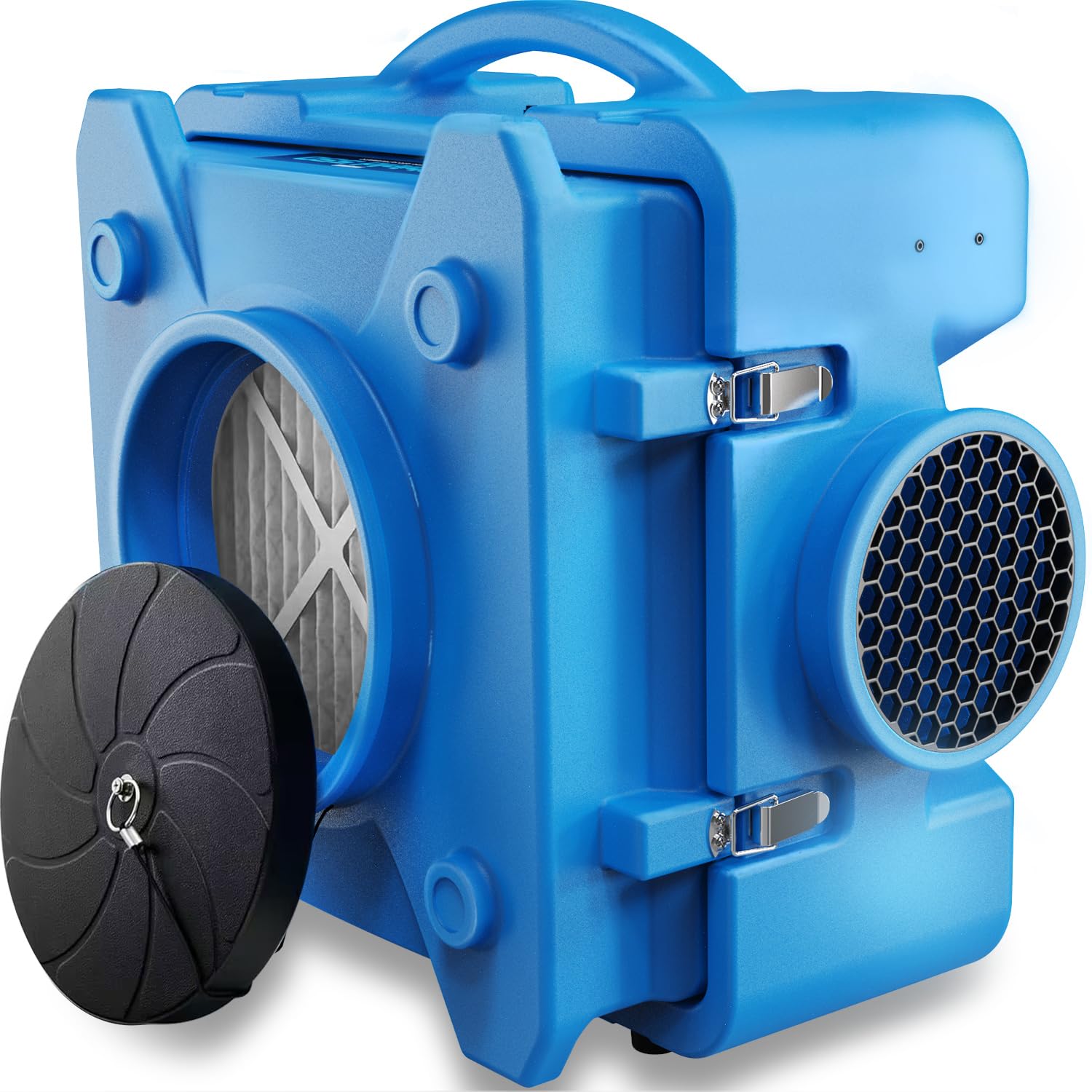
Mold remediation follows EPA and IICRC S520 protocols: containment, HEPA air filtration, removal of affected materials, antimicrobial treatment, and post-remediation air quality testing. Certified remediators use negative pressure containment to prevent cross-contamination to unaffected areas.
Mount Pleasant context: Mount Pleasant area water damage risk includes South Carolina's Atlantic hurricane exposure and intense subtropical rainfall. The Lowcountry and coastal plain face dual threats from storm surge and hurricane rainfall flooding. Midlands communities face river flooding from tributaries of the Congaree, Wateree, and Pee Dee Rivers. Upstate SC (Greenville, Spartanburg) receives 50+ inches of annual rainfall with thunderstorm-driven flash floods in summer. South Carolina's clay-rich soils create hydrostatic pressure challenges for basement and crawl space construction.
Get Mount Pleasant Mold Remediation Help
Certified specialist calls within 15 minutes.
Quick answer
Mold remediation is the IICRC S520 process of containing an affected area, filtering the air with HEPA equipment, removing contaminated porous materials, and correcting the moisture source that fed the growth. Typical residential cost is $1,500–$12,000 over about five days. Remediation without fixing the moisture source is temporary — the colony returns on the same schedule. In Mount Pleasant, SC, local crews average a 42-minute response and area rates run $1,725–$9,775.
Not sure who to phone first? Who to call for water damage, in order.
What Mold Remediation Involves
What causes it
- Untreated water damage
- Chronic leaks
- High indoor humidity
- Inadequate ventilation
- Flood damage
How the work is done
- 1Do not disturb visible mold. Do not scrub, vacuum, or apply bleach to visible mold. Disturbing mold without proper containment spreads spores through your HVAC system and throughout the home. Keep the room closed and minimize foot traffic.
- 2Isolate the affected area. Close all doors, windows, and HVAC vents in the affected room. Turn off any fans in that space. This prevents spore dispersal to other areas while you arrange professional assessment.
- 3Document the mold extent for insurance. Photograph all visible mold growth — include a ruler or reference object for scale. Note the location relative to water damage events. Mold resulting from covered water damage is typically included in the claim.
- 4Schedule a professional mold inspection and air quality test. An IICRC AMRT-certified inspector uses air sampling to detect spore counts even when no visible mold is present. The inspection report documents the type and concentration of mold — required for insurance claims and remediation protocols.
- 5Complete remediation and obtain clearance testing. Professional mold remediation involves containment barriers, negative air pressure, HEPA filtration, removal of contaminated materials, antimicrobial treatment, and final clearance testing. Clearance testing confirms spore counts have returned to normal levels before reconstruction.
Work follows IICRC S520. Typical duration 5 days; national cost range $1,500–$12,000.
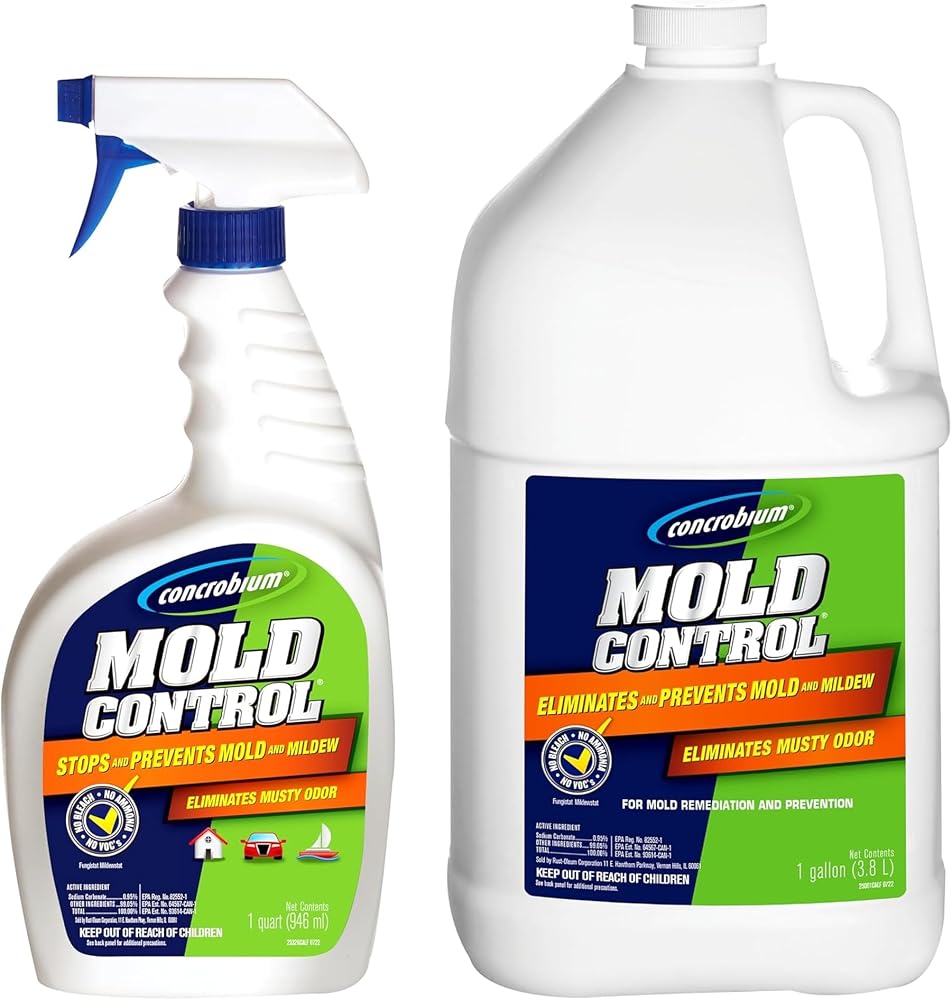
Equipment and reading for mold remediation
Whether you hire a crew in Mount Pleasant or handle part of it yourself, these are the tools the job actually needs and the background worth reading first.

Why Mount Pleasant Homes Face Mold Remediation Risks
Local geography, climate, and housing stock all affect how water damage occurs in Mount Pleasant. These are the most common causes our certified teams respond to in this area.
- 1Shem Creek, a tidal marsh creek running through the heart of Mount Pleasant's restaurant and marina district, overtops its banks during king tide events and tropical storm surge, flooding streets and properties along Coleman Boulevard and Mill Street with regularity as sea level rise has increased tidal amplitude.
- 2The Wando River, which forms Mount Pleasant's eastern boundary, is subject to storm surge amplification during tropical systems approaching from the southeast; the broad river mouth at Charleston Harbor allows surge to propagate far upstream, affecting residential areas along the Wando River shoreline and in the Rivertowne development.
- 3Cooper River storm surge from Charleston Harbor during major hurricanes historically produces the highest flood levels in Mount Pleasant's Old Village neighborhood, which sits at or near sea level on the western point of the city facing the harbor directly.
- 4Ben Sawyer Boulevard and the Sullivan's Island causeway corridor across Cove Inlet are routinely flooded during even moderate nor'easters and tropical systems, cutting off the barrier island communities and demonstrating how tidal surge from both the Intracoastal Waterway and the ocean converge in this low-elevation corridor.
- 5Mount Pleasant's rapid residential development over the past 30 years has converted vast areas of coastal wetlands to impervious surface in neighborhoods like Dunes West and Hamlin Plantation, dramatically increasing stormwater runoff volumes and causing routine flooding in streets that were dry when first built.
Local Risk Notes
The Old Village neighborhood, the original historic core of Mount Pleasant situated on a low bluff overlooking Charleston Harbor and the Cooper River, faces both tidal flooding from the harbor and stormwater ponding from intense rainfall because its street grades and drainage infrastructure predate modern flood standards by over a century. The Snowden neighborhood near Shem Creek and the areas along Coleman Boulevard north of the creek crossing experience chronic king tide flooding multiple times per year, with water covering street level during high astronomical tides in October and November even without any storm present.
SC Insurance Tip
Mount Pleasant homeowners should purchase both NFIP flood insurance and a separate windstorm rider or South Carolina Wind and Hail Underwriters policy, because Charleston County's coastal designation means standard homeowners policies routinely exclude hurricane wind damage — and a single storm can cause both wind and flood losses that require separate policies to be fully covered.
Mold Remediation in Mount Pleasant — FAQs
How fast can you get mold remediation help in Mount Pleasant?
What does mold remediation cost in Mount Pleasant?
How do I know if I have toxic black mold?
Can I clean mold myself with bleach?
Will insurance cover mold remediation?
How long does mold remediation take, and when can we move back in?
What is the difference between a mold inspector and a mold remediator, and do I need both?
No-Obligation Estimate
Get a No-Obligation Mold Remediation Estimate in Mount Pleasant
Serving Mount Pleasant, SC
Enter your info and a certified local pro will contact you within 1 hour.
24/7 Emergency Response
We connect you with pros available around the clock — nights, weekends, and holidays.
IICRC-Certified Pros
We only refer to restoration professionals certified under IICRC standards (S500, S520).
Licensed & Insured
All referred contractors carry full state licensing and liability insurance.
No-Obligation Consultation
Call anytime — triage help and contractor dispatch at no cost to you.

Sponsored
Stop Paying Out-of-Pocket for Home Repairs
Choice Home Warranty covers AC, heating, plumbing, appliances & more — so the next breakdown doesn't drain your savings.
- $50 Off your plan
- First month FREE
- No home inspection required
- 24/7 claims service
HearthDry is an independent resource and does not perform restoration work. All referred contractors are independently licensed and IICRC-certified.