
Water Damage Restoration in Flagstaff, AZ
Full-service water extraction, drying, and structural restoration. IICRC-certified pros serving Flagstaff with 42-minute average emergency response.
Response
42 min
Cost range
$1,500+
Duration
5d
About Water Damage Restoration in Flagstaff
Professional water damage restoration covers emergency water extraction, industrial drying, dehumidification, antimicrobial treatment, and full structural restoration. IICRC-certified technicians assess moisture levels and create a drying plan within the first hour.
Flagstaff context: Flagstaff, Arizona's desert climate creates counterintuitive water damage risks. The summer monsoon season (June 15–September 30) delivers intense flash flooding events — caliche soil (hardpan calcium carbonate layer 6–30 inches below grade) prevents water absorption, channeling monsoon rainfall into streets and low-lying structures at volumes that overwhelm storm drains within minutes. AC condensate overflow is the #1 water damage claim type in Arizona — a 3-ton AC unit removes 5–8 gallons per day, and a clogged condensate drain floods ceiling assemblies within hours. Pool equipment plumbing (backwash lines, return lines) fails in Phoenix-area heat after 5–7 years of UV exposure. Standard HO-3 covers AC failures; monsoon flooding requires NFIP or private flood insurance.
Get Flagstaff Water Damage Restoration Help
Certified specialist calls within 15 minutes.
Quick answer
Water damage restoration is the professional process of extracting water, drying the structure and repairing what the water ruined, following the IICRC S500 standard. A typical residential job runs $1,500–$9,500 and takes about five days, with the drying phase confirmed by daily moisture readings rather than by how dry surfaces feel. In Flagstaff, AZ, local crews average a 42-minute response and area rates run $1,350–$7,650.
Not sure who to phone first? Who to call for water damage, in order.
What Water Damage Restoration Involves
What causes it
- Burst pipes
- Appliance failures
- Roof leaks
- Storm flooding
- Sewage backup
How the work is done
- 1Shut off the water source. Turn off the supply valve at the source (pipe, appliance) or shut off your home's main water supply at the meter or utility room. Do not enter standing water if electrical outlets are submerged.
- 2Cut power to affected areas. Switch off circuit breakers for all rooms with standing water. Never handle electrical switches with wet hands or while standing in water. If your panel is in the flooded area, call the utility company.
- 3Document everything before touching anything. Take video of every affected room showing water levels, the water source, and all damaged materials and items. This documentation is your insurance claim — do not clean up before recording.
- 4Call a certified water damage restoration company. Call an IICRC-certified restoration company immediately — not a plumber. Restoration companies extract water AND document your claim simultaneously. Most certified companies offer 60-minute emergency response.
- 5Call your insurance company to open a claim. Call while the restoration team is on-site. Get a claim number. Ask about your deductible, coverage for additional living expenses, and whether you need prior approval before reconstruction begins.
- 6Monitor drying progress daily. Professional technicians will return each day to check moisture readings and adjust equipment. Do not remove drying equipment early — all structural materials must reach IICRC target moisture levels before equipment is removed.
Work follows IICRC S500. Typical duration 5 days; national cost range $1,500–$9,500.
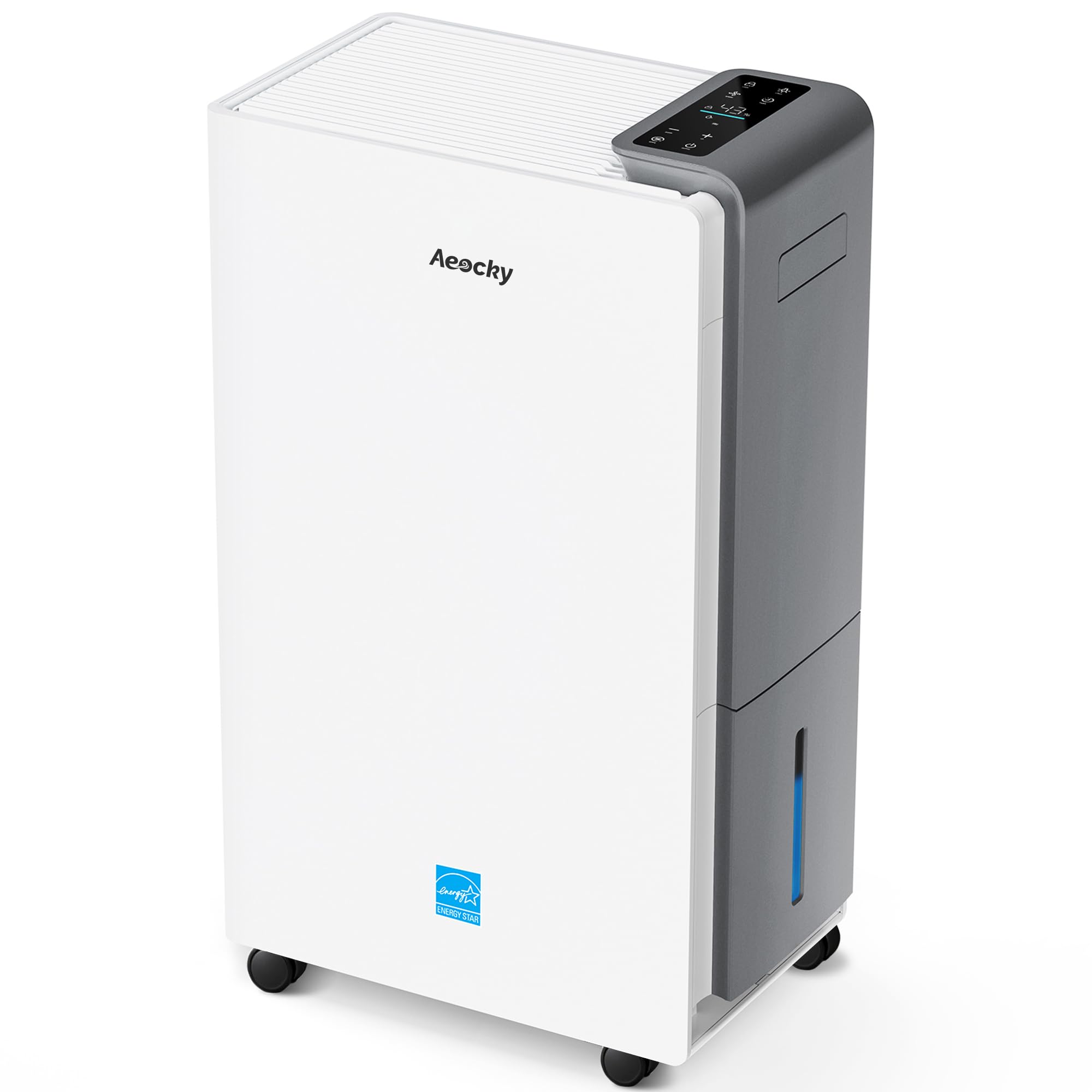
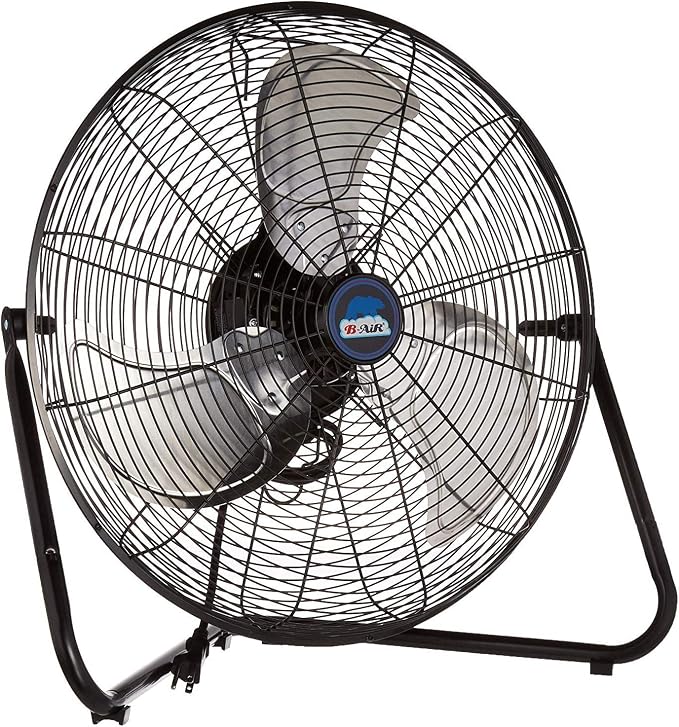
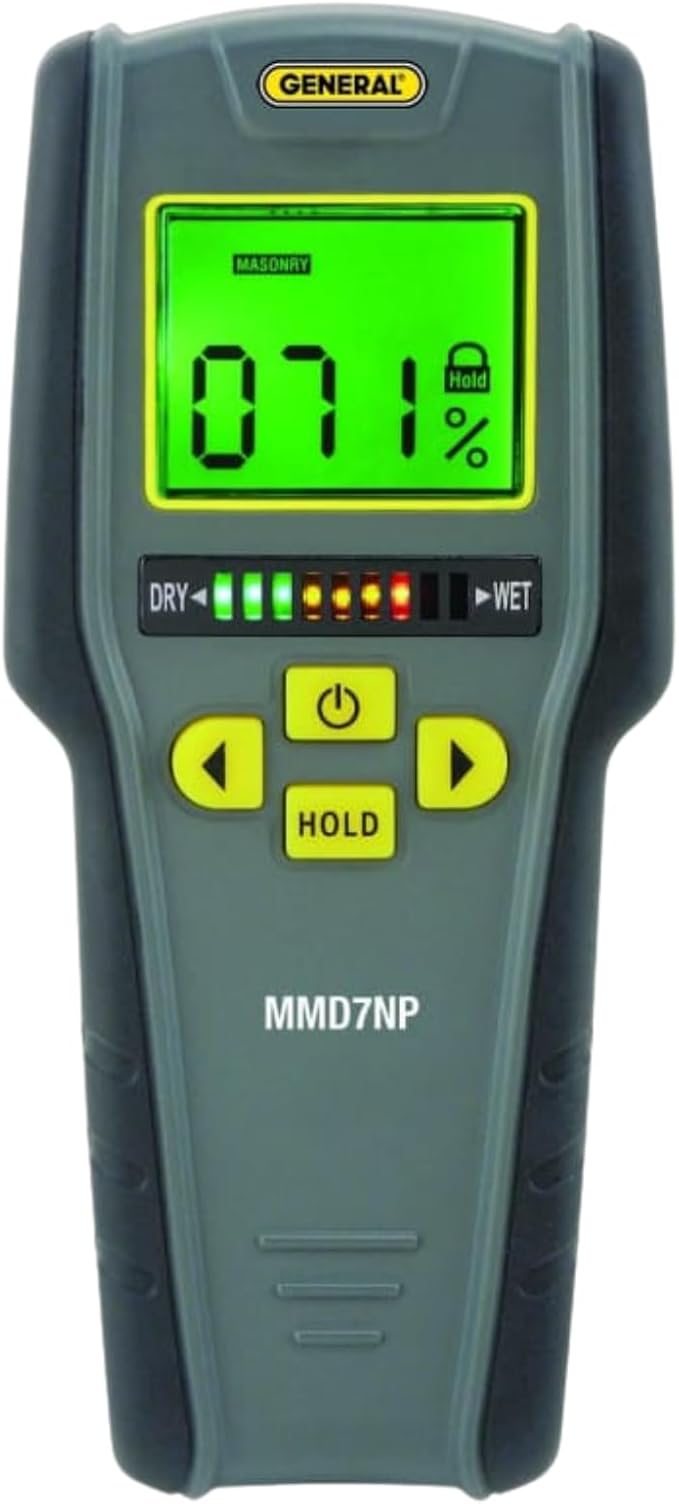
Equipment and reading for water damage restoration
Whether you hire a crew in Flagstaff or handle part of it yourself, these are the tools the job actually needs and the background worth reading first.
Why Flagstaff Homes Face Water Damage Restoration Risks
Local geography, climate, and housing stock all affect how water damage occurs in Flagstaff. These are the most common causes our certified teams respond to in this area.
- 1Rio de Flag flash flooding: Rio de Flag runs through downtown Flagstaff alongside Milton Road and under Route 66, channeling rapid snowmelt and monsoon runoff through the urban core and causing repeated road and property flooding in the Railroad District and surrounding neighborhoods.
- 2Museum Fire post-fire debris flows: The 2019 Museum Fire burned nearly 2,000 acres on the northern slopes of the San Francisco Peaks, leaving Schultz Creek and adjacent drainages vulnerable to mud and debris flows that have swept boulders and sediment into neighborhoods below during monsoon storms.
- 3McMillan Mesa stormwater runoff: The steep drainage faces of McMillan Mesa direct intense runoff into the University Heights and Sunnyside neighborhoods below, overwhelming undersized culverts during high-intensity summer thunderstorms.
- 4San Francisco Peaks snowmelt surges: Rapid spring snowmelt from the 12,637-foot San Francisco Peaks saturates soils and swells ephemeral drainages feeding Flagstaff's north and east sides, causing flooding that can persist for days rather than hours.
- 5Freeze-thaw pipe failures in the Railroad District: Flagstaff's historic Railroad District and downtown core contain pre-1960s clay-tile and cast-iron sewer and water mains that crack repeatedly under the city's frequent freeze-thaw cycles, causing subsurface water intrusion and sewer backups into older buildings.
Local Risk Notes
The Sunnyside neighborhood and properties directly below the Museum Fire burn scar on Flagstaff's north side face the highest post-fire debris flow risk, with the Arizona Department of Transportation having closed segments of Highway 89 multiple times since 2019 due to flood-related debris. The historic Railroad District and the Southside neighborhood adjacent to Rio de Flag are chronically flood-prone during monsoon events, compounded by aging infrastructure that was not designed for the city's current impervious surface footprint.
AZ Insurance Tip
Arizona requires a separate NFIP or private flood policy for flood coverage, but Flagstaff homeowners in post-fire burn scar areas should also consult a surplus lines broker about a debris-flow or earth-movement rider, since standard flood policies may exclude mud and rock flows that are the primary disaster risk in those zones.
Water Damage Restoration in Flagstaff — FAQs
How fast can you get water damage restoration help in Flagstaff?
What does water damage restoration cost in Flagstaff?
How fast does mold grow after water damage?
Will my homeowners insurance cover water damage?
What does the restoration process involve?
How long does water damage restoration take?
Do I need to leave my home during water damage restoration?
No-Obligation Estimate
Get a No-Obligation Water Damage Restoration Estimate in Flagstaff
Serving Flagstaff, AZ
Enter your info and a certified local pro will contact you within 1 hour.
24/7 Emergency Response
We connect you with pros available around the clock — nights, weekends, and holidays.
IICRC-Certified Pros
We only refer to restoration professionals certified under IICRC standards (S500, S520).
Licensed & Insured
All referred contractors carry full state licensing and liability insurance.
No-Obligation Consultation
Call anytime — triage help and contractor dispatch at no cost to you.

Sponsored
Stop Paying Out-of-Pocket for Home Repairs
Choice Home Warranty covers AC, heating, plumbing, appliances & more — so the next breakdown doesn't drain your savings.
- $50 Off your plan
- First month FREE
- No home inspection required
- 24/7 claims service
Hiring for water damage restoration in Flagstaff? Verify the license first.
Browse our directory of state-licensed mold companies in Flagstaff — license numbers, contact info, and expiration dates from official records.
HearthDry is an independent resource and does not perform restoration work. All referred contractors are independently licensed and IICRC-certified.