
Water Damage Restoration in Erie, PA
Full-service water extraction, drying, and structural restoration. IICRC-certified pros serving Erie with 42-minute average emergency response.
Response
42 min
Cost range
$1,500+
Duration
5d
About Water Damage Restoration in Erie
Professional water damage restoration covers emergency water extraction, industrial drying, dehumidification, antimicrobial treatment, and full structural restoration. IICRC-certified technicians assess moisture levels and create a drying plan within the first hour.
Erie context: Erie area water damage risk includes Pennsylvania's winter ice storms, spring flooding from Susquehanna and Allegheny tributaries, and tropical storm remnants from late summer and fall. Western Pennsylvania (Pittsburgh) faces Allegheny River flooding from Appalachian snowmelt events. Eastern Pennsylvania faces both coastal storm influence and hurricane remnant flooding that has repeatedly overwhelmed Delaware Valley drainage. Pennsylvania's older housing stock includes many pre-1950 homes with original galvanized supply piping approaching failure. Pennsylvania's clay soils create significant hydrostatic pressure against basement walls during wet seasons.
Get Erie Water Damage Restoration Help
Certified specialist calls within 15 minutes.
Quick answer
Water damage restoration is the professional process of extracting water, drying the structure and repairing what the water ruined, following the IICRC S500 standard. A typical residential job runs $1,500–$9,500 and takes about five days, with the drying phase confirmed by daily moisture readings rather than by how dry surfaces feel. In Erie, PA, local crews average a 42-minute response and area rates run $1,500–$8,500.
Not sure who to phone first? Who to call for water damage, in order.
What Water Damage Restoration Involves
What causes it
- Burst pipes
- Appliance failures
- Roof leaks
- Storm flooding
- Sewage backup
How the work is done
- 1Shut off the water source. Turn off the supply valve at the source (pipe, appliance) or shut off your home's main water supply at the meter or utility room. Do not enter standing water if electrical outlets are submerged.
- 2Cut power to affected areas. Switch off circuit breakers for all rooms with standing water. Never handle electrical switches with wet hands or while standing in water. If your panel is in the flooded area, call the utility company.
- 3Document everything before touching anything. Take video of every affected room showing water levels, the water source, and all damaged materials and items. This documentation is your insurance claim — do not clean up before recording.
- 4Call a certified water damage restoration company. Call an IICRC-certified restoration company immediately — not a plumber. Restoration companies extract water AND document your claim simultaneously. Most certified companies offer 60-minute emergency response.
- 5Call your insurance company to open a claim. Call while the restoration team is on-site. Get a claim number. Ask about your deductible, coverage for additional living expenses, and whether you need prior approval before reconstruction begins.
- 6Monitor drying progress daily. Professional technicians will return each day to check moisture readings and adjust equipment. Do not remove drying equipment early — all structural materials must reach IICRC target moisture levels before equipment is removed.
Work follows IICRC S500. Typical duration 5 days; national cost range $1,500–$9,500.
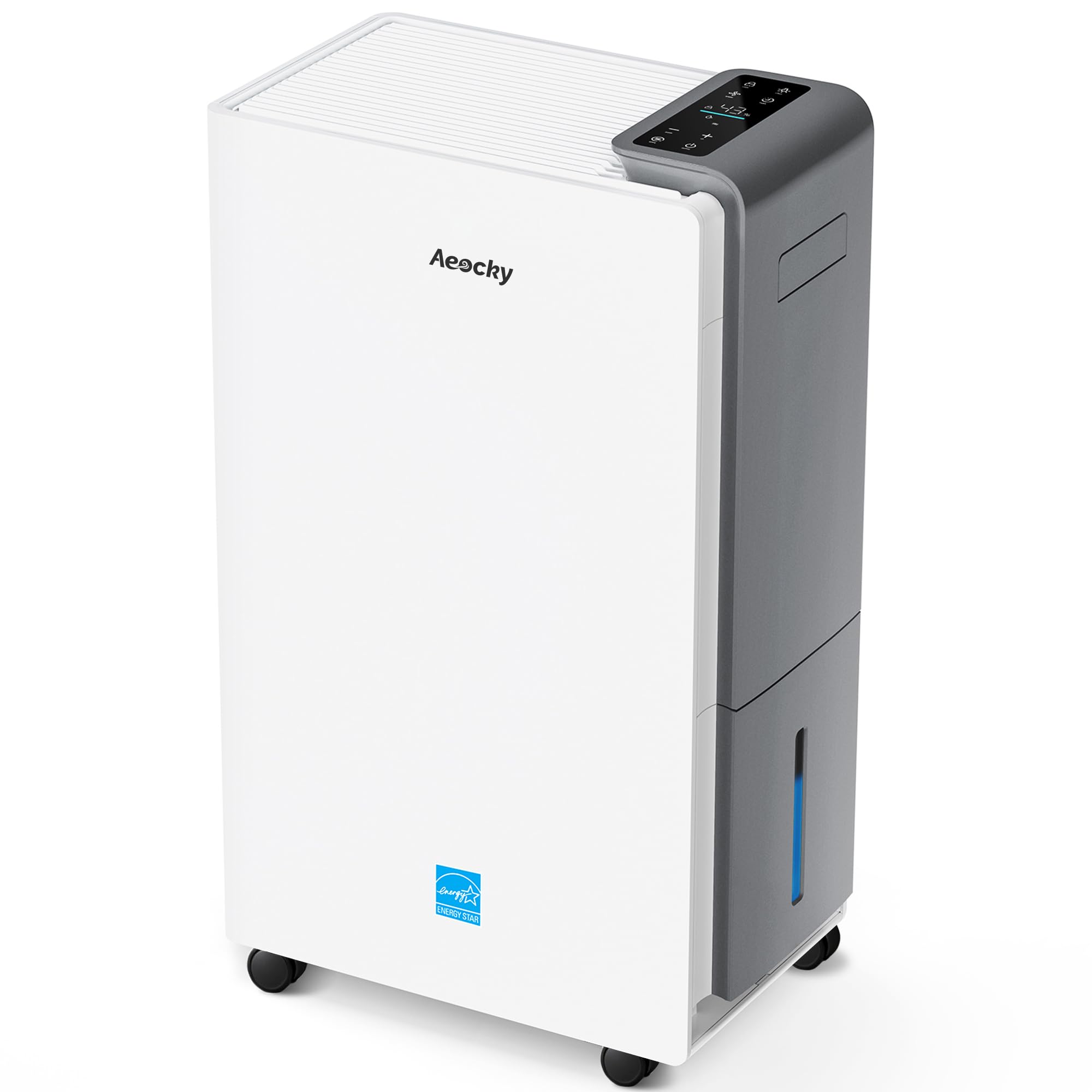
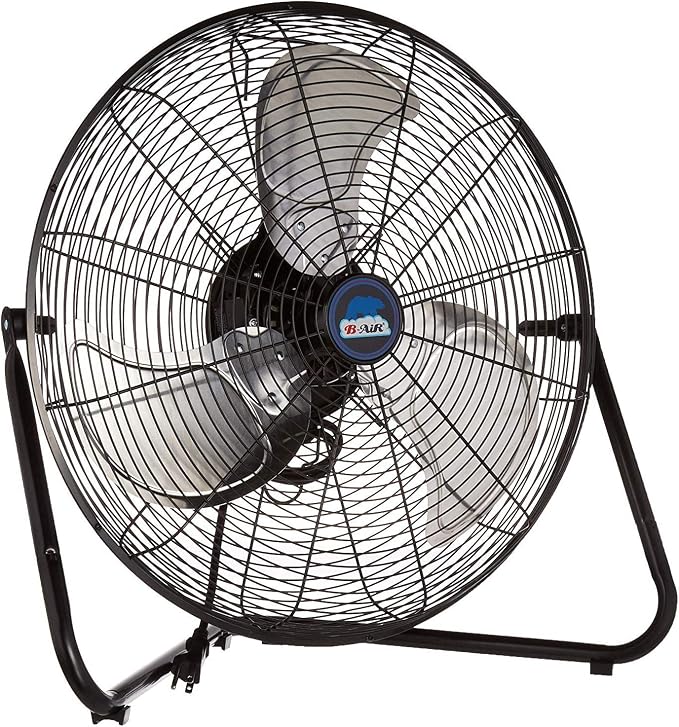
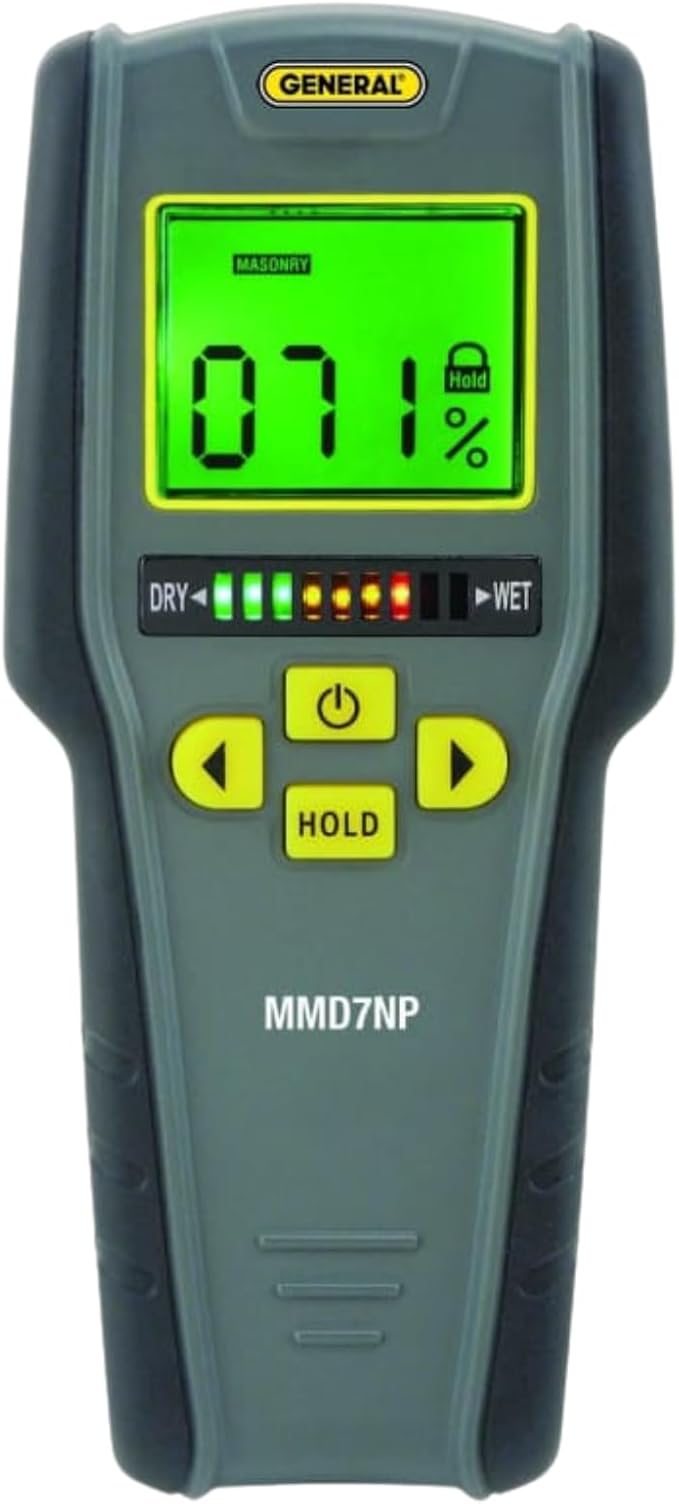
Equipment and reading for water damage restoration
Whether you hire a crew in Erie or handle part of it yourself, these are the tools the job actually needs and the background worth reading first.
Why Erie Homes Face Water Damage Restoration Risks
Local geography, climate, and housing stock all affect how water damage occurs in Erie. These are the most common causes our certified teams respond to in this area.
- 1Lake Erie's southern shore produces intense lake-effect snow events that can deposit 2-4 feet of snow on Erie in 24 hours; when rapid temperature swings follow, roof and ice dam failures cause widespread interior water damage throughout the lakefront and near-shore neighborhoods.
- 2Mill Creek, which flows through Millcreek Township and discharges to Presque Isle Bay, overtops its channelized banks during heavy spring rainfall and major storm events, flooding commercial properties along Peninsula Drive and residential areas in the central Millcreek Township corridor.
- 3Presque Isle Bay, the sheltered harbor between the Presque Isle Peninsula and Erie's downtown waterfront, experiences wind-driven seiches that can raise bay water levels 3-4 feet within hours during strong northwest wind events, flooding the lower downtown waterfront.
- 4Cascade Creek flows through the eastern portion of Erie and its banks have experienced repeated erosion and overflow events during spring rain-on-snow events, with flooding recorded along East 26th Street and adjacent residential areas in the city's east side neighborhoods.
- 5Erie's lake-shore bluffs are composed of glacial till and clay that become unstable and erode when saturated; bluff recession along the North Shore neighborhoods exposes foundations and utility infrastructure, and bluff drainage seeps into basements of homes built close to the shoreline escarpment.
Local Risk Notes
The North Shore neighborhood between the downtown Bayfront and the lake bluffs is exposed to both Presque Isle Bay seiche flooding from the south and bluff erosion from the north, making it the highest combined water-damage-risk area in the city. Millcreek Township neighborhoods along the Mill Creek corridor — particularly the subdivisions between Zuck Road and Peninsula Drive — experience regular backyard and basement flooding as Mill Creek overtops its banks during moderate spring storms.
PA Insurance Tip
Erie homeowners should add ice dam and frozen pipe endorsements to their homeowners policy before November, because standard policies often exclude gradual water intrusion from ice dams even though the underlying cause is a weather event — and Erie's lake-effect snow climate makes ice dam losses among the most frequent winter claims in northwestern Pennsylvania.
Water Damage Restoration in Erie — FAQs
How fast can you get water damage restoration help in Erie?
What does water damage restoration cost in Erie?
How fast does mold grow after water damage?
Will my homeowners insurance cover water damage?
What does the restoration process involve?
How long does water damage restoration take?
Do I need to leave my home during water damage restoration?
No-Obligation Estimate
Get a No-Obligation Water Damage Restoration Estimate in Erie
Serving Erie, PA
Enter your info and a certified local pro will contact you within 1 hour.
24/7 Emergency Response
We connect you with pros available around the clock — nights, weekends, and holidays.
IICRC-Certified Pros
We only refer to restoration professionals certified under IICRC standards (S500, S520).
Licensed & Insured
All referred contractors carry full state licensing and liability insurance.
No-Obligation Consultation
Call anytime — triage help and contractor dispatch at no cost to you.

Sponsored
Stop Paying Out-of-Pocket for Home Repairs
Choice Home Warranty covers AC, heating, plumbing, appliances & more — so the next breakdown doesn't drain your savings.
- $50 Off your plan
- First month FREE
- No home inspection required
- 24/7 claims service
HearthDry is an independent resource and does not perform restoration work. All referred contractors are independently licensed and IICRC-certified.