
Atlanta · Fulton County · GA
Emergency Water Damage Restoration in Atlanta, GA
Water in the house in Atlanta? Call (864) 806-2818. The line is answered 24/7, and an IICRC-certified restoration company covering your ZIP gives you an arrival window for your address on the call. Most Atlanta jobs run $1,600–$9,000 and dry in 3—5 days. Mold starts on wet material in 24–48 hours, so what happens today decides whether it stays a drying job.
- Answered 24/7
- IICRC standards
- No charge for the referral


Answered 24/7
Talk to a company that covers Atlanta
Water Damage Restoration
Call (864) 806-2818Toll-free · no obligation · no charge for the referral
- 1Call the number on this page
- 2Enter your 5-digit ZIP when asked, then stay on while it connects
- 3A company covering your address picks up and gives you an arrival window
Have ready
- • Address and ZIP
- • When it started
- • What is wet now
- • Claim opened yet?
Covers Atlanta & Fulton County · 30301 · 30303 · 30305 · 30306 +1
60-Second Emergency Checklist — Atlanta
Shut off the main water supply — know your shutoff location now
⚠ If water is near the electrical panel, cut power first
Cut electricity to all wet areas at the breaker panel
⚠ Never touch outlets or appliances in standing water
Photograph and video ALL damage before moving anything
⚠ This is critical for your insurance claim — don't skip
Move documents, medications, and irreplaceable items to dry area
Call a certified restoration company — not just a plumber
⚠ A plumber fixes the source; restoration extracts water and dries structure
Call your insurance company to open a claim — get a claim number
⚠ Do NOT let any contractor start without a claim number
 Serving US homesCertified US companiesCall nowLine answered 24/7
Water moves fast. What you do first decides if it stays a drying job.
Do this first
- Shut off the mainNear the meter or where the line enters.
- Kill power to wet roomsFlip the breaker before you step in.
- Photograph everythingBefore you move or throw anything out.
What happens next
What a certified company does in Atlanta — and what each stage costs
Most Atlanta jobs run $1,600–$9,000 in total. The ranges below are our estimate of how that splits by stage; how we calculate them.
 1 · Day 1
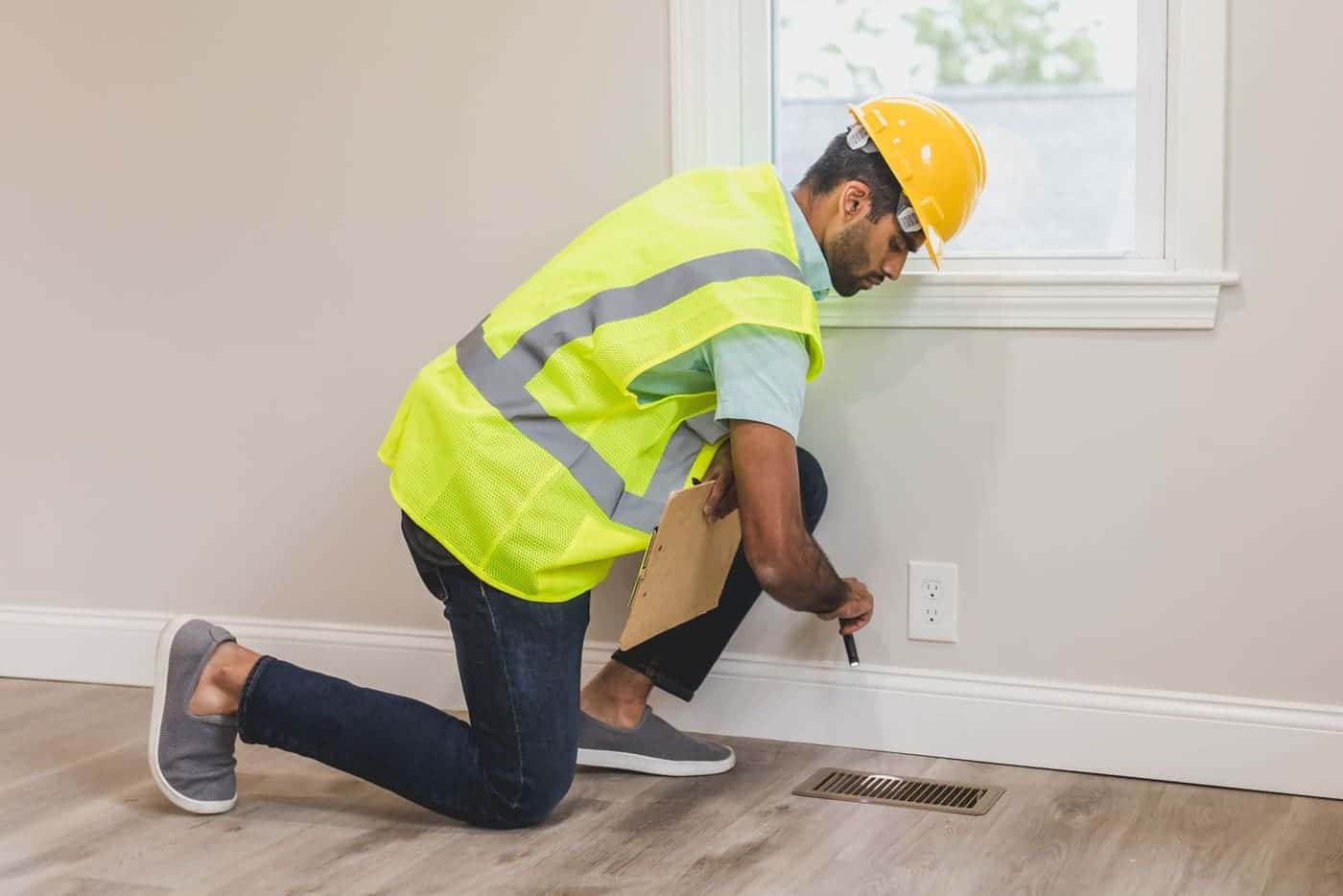
Water out, readings in
Standing water is extracted and every wet surface is mapped with a moisture meter. That map is what the insurer and the drying plan are built on.
$448–$1,440
 2 · 3—5 days
Structural drying
Air movers and dehumidifiers dry the framing and subfloor, checked daily until the readings reach dry standard. Carpet can look dry long before the floor under it is.
$704–$2,340
 3 · If needed
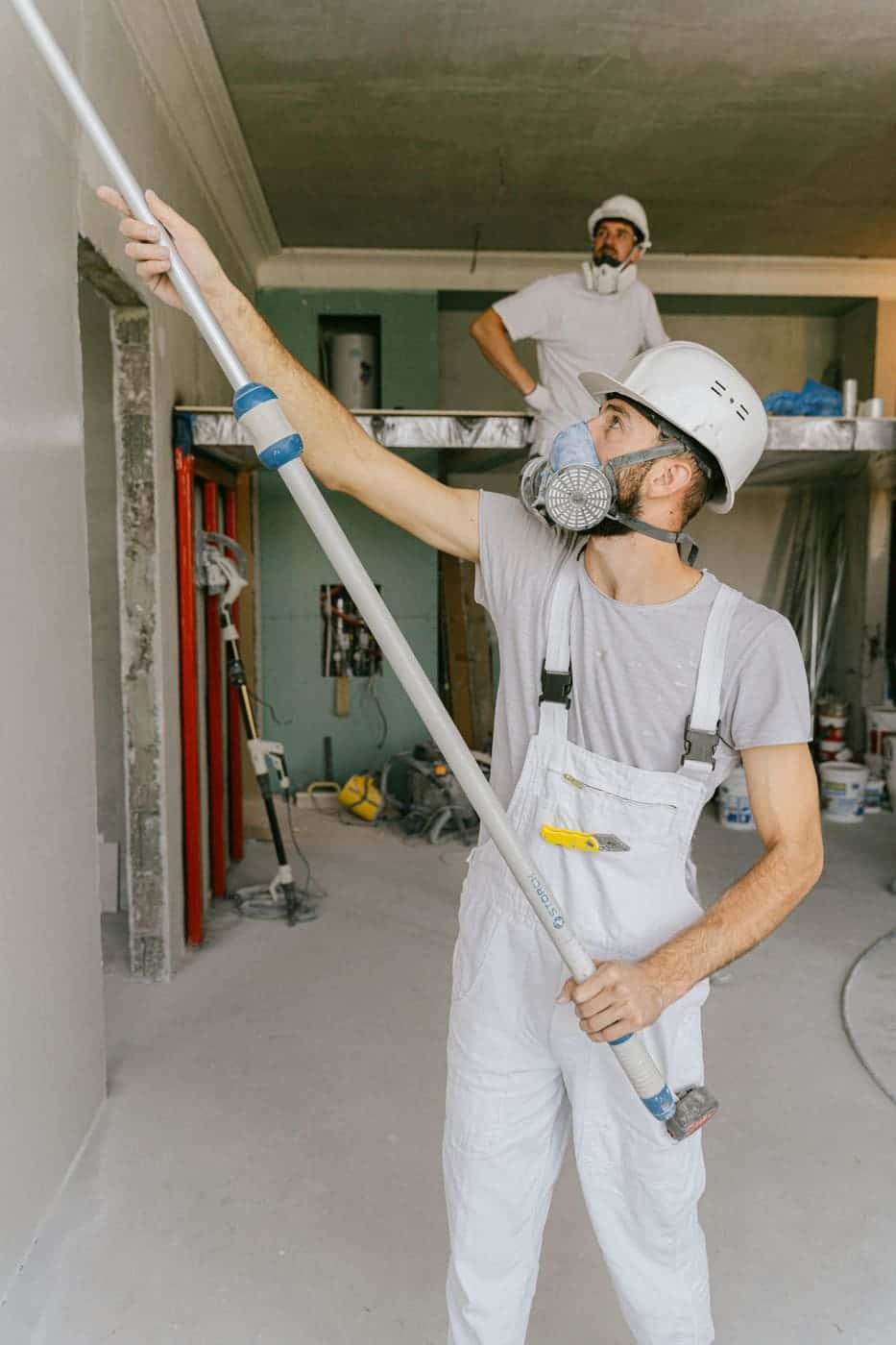
Remove what cannot be dried
Swollen drywall, soaked insulation and carpet pad come out. Anything touched by sewage is removed, not dried, and this is where mold is stopped before it starts.
$352–$1,170
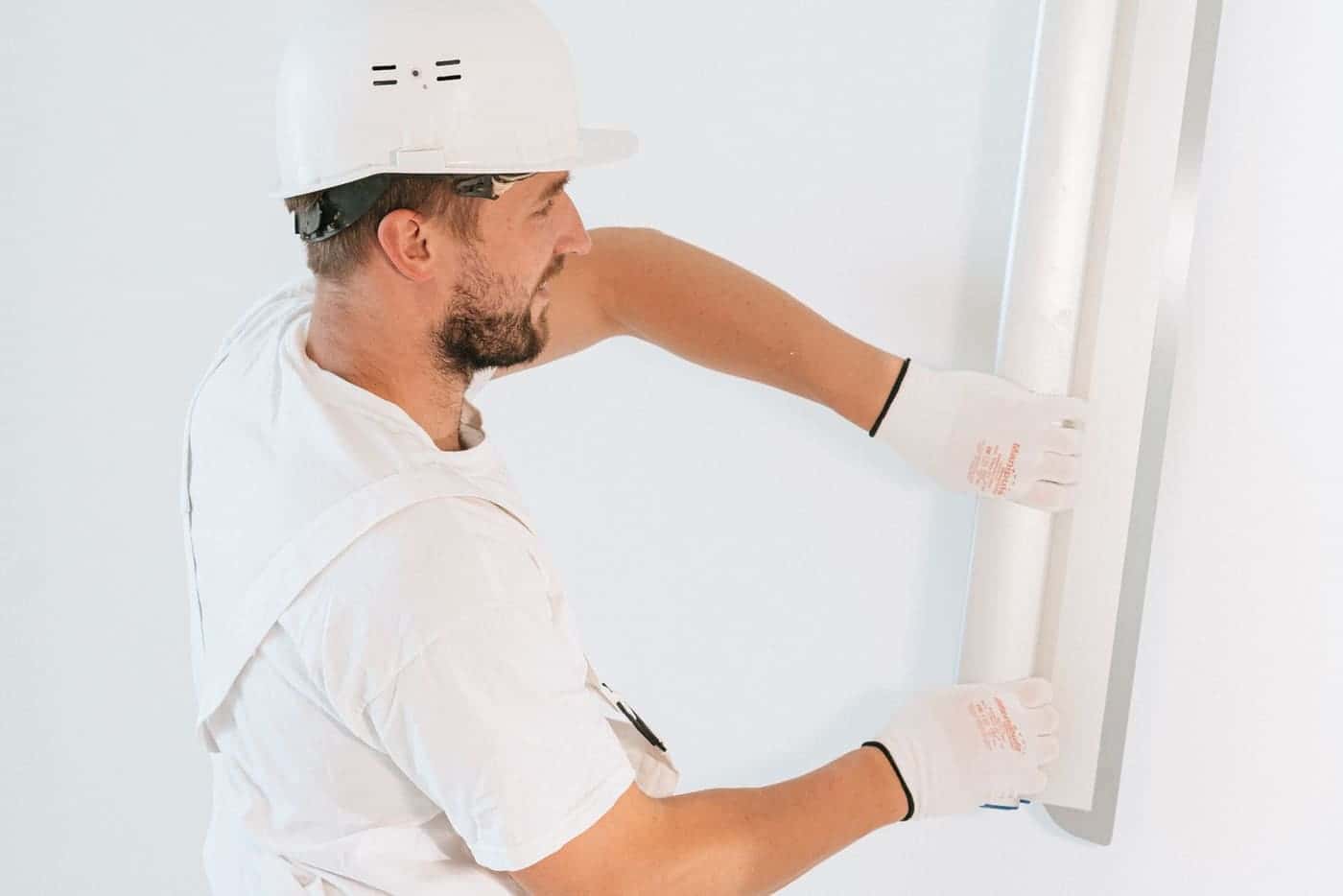 4 · After drying
Put back
Drywall, flooring and paint go back only after the readings are logged. The rebuild is quoted from the moisture map, so ask for it in writing.
Quoted from the moisture map
What sets the price
Where the water came from matters more than how much
Clean water from a supply line is dried in place. Water from a washing machine or dishwasher needs cleaning as well. Sewage is removed, not dried, which is why the same room can cost three times as much.
Water Category Cost Table — Atlanta, GA
Extraction & drying cost per square foot by IICRC water category
| Water Category | $/sq ft |
|---|---|
| Category 1 — Clean Burst supply line, clean appliance overflow | $2.76–$7.72 |
| Category 2 — Gray Dishwasher, washing machine, toilet bowl (no feces) | $7.72–$9.34 |
| Category 3 — Black Sewage backup, floodwater, toilet overflow with feces | $10.97–$14.3 |
Estimates exclude reconstruction (drywall, flooring replacement). National benchmarks: Cat 1 $3.75–$4.25, Cat 2 $4.10–$6.50, Cat 3 $7–$7.50/sq ft — adjusted for Atlanta market (3.25–13/sq ft range).
Before work starts
Check the company before it starts
Extraction can start the day you call. These five checks take ten minutes and belong before anything is signed or rebuilt.
- 1
IICRC certification
Ask for the firm's certification and check it.
iicrc.org - 2
State licence
Where Georgia requires one, ask for the number and look it up.
GA License Verification - 3
Insurance certificate
Liability and workers' comp, in writing, before anyone works in the house.
- 4
Written scope
Drying can start first; nothing is rebuilt without a written scope and price.
- 5
Read before you sign
An Assignment of Benefits hands your claim to the contractor. Read it, or do not sign it.
Mold work in Georgia is licensed: look up licensed mold companies in Atlanta.
Local causes
Why water damage happens in Atlanta
- Aged galvanized supply lines and shutoff valves in prewar and mid-century bungalows
- Burst pipes in exterior walls, attics and garages during rare hard freezes
- AC condensate line clogs and pan overflows in long, humid summers
- Water heater and washing machine supply-line failures
- Roof and ceiling leaks during summer thunderstorms
- Sewer line backups in older intown homes with cast-iron or clay laterals
Intown neighborhoods such as Kirkwood, Old Fourth Ward, Reynoldstown and West End have the oldest housing in the city, where original supply lines and drain laterals are most likely still in service; basement apartments in older intown houses face sewer backup risk.
Checked 2026-11-18
What we checked about water damage in Atlanta
A third of the city's homes were built before 1970
The Census Bureau's 2024 American Community Survey counts about 285,000 housing units in Atlanta. The median one was built in 1993, but roughly 94,700 (about a third) date from before 1970 and about 30,900 from 1939 or earlier. In houses that age, original galvanized supply lines, old shutoff valves and cast-iron drains are the parts most likely to fail, so they are worth checking before they do.
Source: U.S. Census Bureau ACS 2024 (tables B25034, B25035), via Census Reporter
Hard freezes are rare here, which is why they do so much damage
On December 24, 2022 the Atlanta airport fell to 8°F, the city's coldest reading since January 2003. The Department of Watershed Management reported frozen and burst pipes on private property across its service area that weekend. Many Atlanta homes are not built for that kind of cold: pipes in exterior walls, attics and unheated garages are the ones that split, and the leak usually shows only when the ice thaws.
Source: National Weather Service Peachtree City: December 2022 climate summary
Street side or house side
The City of Atlanta splits a leak by where it is. From the water main to the meter, the pipe is the city's to repair. From the meter to the house, it is the owner's. A sudden pressure drop that several neighbors notice at once usually means a main or pump-station problem, and Watershed Management crews handle it.
Source: City of Atlanta Department of Watershed Management: report a problem
Water damage questions from Atlanta homeowners
How fast can a water damage company respond in Atlanta?
Most certified restoration companies serving Atlanta answer 24/7 and confirm a real arrival window for your address on the call — how long that is depends on where you are, what time it is, and how many jobs are already running.
Call early either way: every hour that water sits widens the damage, and mold starts on wet material within 24–48 hours.
How long does water damage restoration take in Atlanta?
Drying usually takes 3—5 days with professional equipment, and it is finished when moisture readings reach dry standard, not on a date. Anything that has to be removed and rebuilt comes after that, which is why a job with drywall or flooring replacement runs longer than the drying alone.
How much does water damage restoration cost in Atlanta?
Most Atlanta jobs run $1,600–$9,000, about $3.25–$13 per square foot for extraction and drying. Contaminated water (a sewage backup) costs more because the wet material is removed rather than dried, and rebuilding is priced separately once the structure is dry.
How do I verify a restoration contractor in Georgia?
Ask for three things before work starts: the IICRC certification (check it at iicrc.org), a certificate of liability insurance, and the Georgia licence number where the work needs one (Georgia Secretary of State; mold remediation practitioners must follow GA Department of Community Health guidelines; no specific mold contractor license but EPA guidelines apply).
Get a written scope before any rebuild, and do not sign an Assignment of Benefits you have not read.
Who do I call about a water main break in Atlanta?
Call the city: ATL311 (311, or 404-546-0311) takes water and sewer emergencies for the Department of Watershed Management. That covers water in the street or at the meter.
Water that has already come into your house from your own pipes is a drying job, and that is what our line is for: it is answered 24/7, and a certified restoration company covering your ZIP sets an arrival window for your address on the call.
Does Georgia license water damage or mold companies?
Georgia has no separate state licence for mold remediation or water damage drying, so the checks that matter are the company's IICRC certification and a certificate of liability insurance.
Larger rebuild work after drying falls under the Georgia residential contractor licence, which you can look up on the Secretary of State's verification site.
Who do I call right now for water damage?
Call (864) 806-2818. The line is answered 24/7, and connects you with an IICRC-certified water damage restoration company that serves your area. A recorded prompt picks up first: key in your 5-digit ZIP code, and hold through the short silence while the call is passed to the company.
Describe what you can see — where the water is coming from, how long it has been there, and whether it smells — the more specific you are, the faster the right company is on the line. If the source is a pipe or an appliance, shut the main water valve first. Have four things ready and the call goes quickly: the address, when the water started, what is wet now, and whether you have filed an insurance claim.
Still not sure which of these is your situation? (864) 806-2818 · toll-free · answered 24/7
Keep reading
Guides for Atlanta homeowners
Who to Call for Water Damage: The Right Order of Calls
Who to call for water damage in your house: stop the water, call a restoration company, open the claim the same day. The order for every situation.
Read guideWater Damage: What to Do in the First 60 Minutes
The decisions you make in the first 60 minutes after water damage determine how much you pay, how fast you recover, and whether your insurance claim succeeds. Here's the exact sequence of actions.
Read guideWater Damage Insurance Claim: The Complete Guide
Most water damage insurance claim denials happen because homeowners make one of seven preventable mistakes. This guide shows you exactly what to do — and what to avoid — from the moment water appears.
Read guideWater Damage Restoration Cost 2026: What You'll Actually Pay
The average water damage restoration costs $3,900 nationally — but ranges from $1,200 to $25,000+ depending on factors most homeowners don't know about before they call.
Read guideWater in the house in Atlanta right now?
One call reaches an IICRC-certified company covering your ZIP. Answered 24/7, no charge for the referral.