
Minneapolis · Hennepin County · MN
Emergency Water Damage Restoration in Minneapolis, MN
Water in the house in Minneapolis? Call (888) 840-6512. The line is answered 24/7, and an IICRC-certified restoration company covering your ZIP gives you an arrival window for your address on the call. Most Minneapolis jobs run $1,500–$8,500 and dry in 3–5 days. Mold starts on wet material in 24–48 hours, so what happens today decides whether it stays a drying job.
- Answered 24/7
- IICRC standards
- No charge for the referral


Answered 24/7
Talk to a company that covers Minneapolis
Water Damage Restoration
Call (888) 840-6512Toll-free · no obligation · no charge for the referral
- 1Press 1 for water damage, 2 for mold
- 2Enter your 5-digit ZIP, then stay on through about 30 quiet seconds
- 3A company covering your address picks up and gives you an arrival window
Have ready
- • Address and ZIP
- • When it started
- • What is wet now
- • Claim opened yet?
Covers Minneapolis & Hennepin County · 55401 · 55402 · 55403
60-Second Emergency Checklist — Minneapolis
Shut off the main water supply — know your shutoff location now
⚠ If water is near the electrical panel, cut power first
Cut electricity to all wet areas at the breaker panel
⚠ Never touch outlets or appliances in standing water
Photograph and video ALL damage before moving anything
⚠ This is critical for your insurance claim — don't skip
Move documents, medications, and irreplaceable items to dry area
Call a certified restoration company — not just a plumber
⚠ A plumber fixes the source; restoration extracts water and dries structure
Call your insurance company to open a claim — get a claim number
⚠ Do NOT let any contractor start without a claim number
What happens next
What a certified company does in Minneapolis — and what each stage costs
Most Minneapolis jobs run $1,500–$8,500 in total. The ranges below are our estimate of how that splits by stage; how we calculate them.
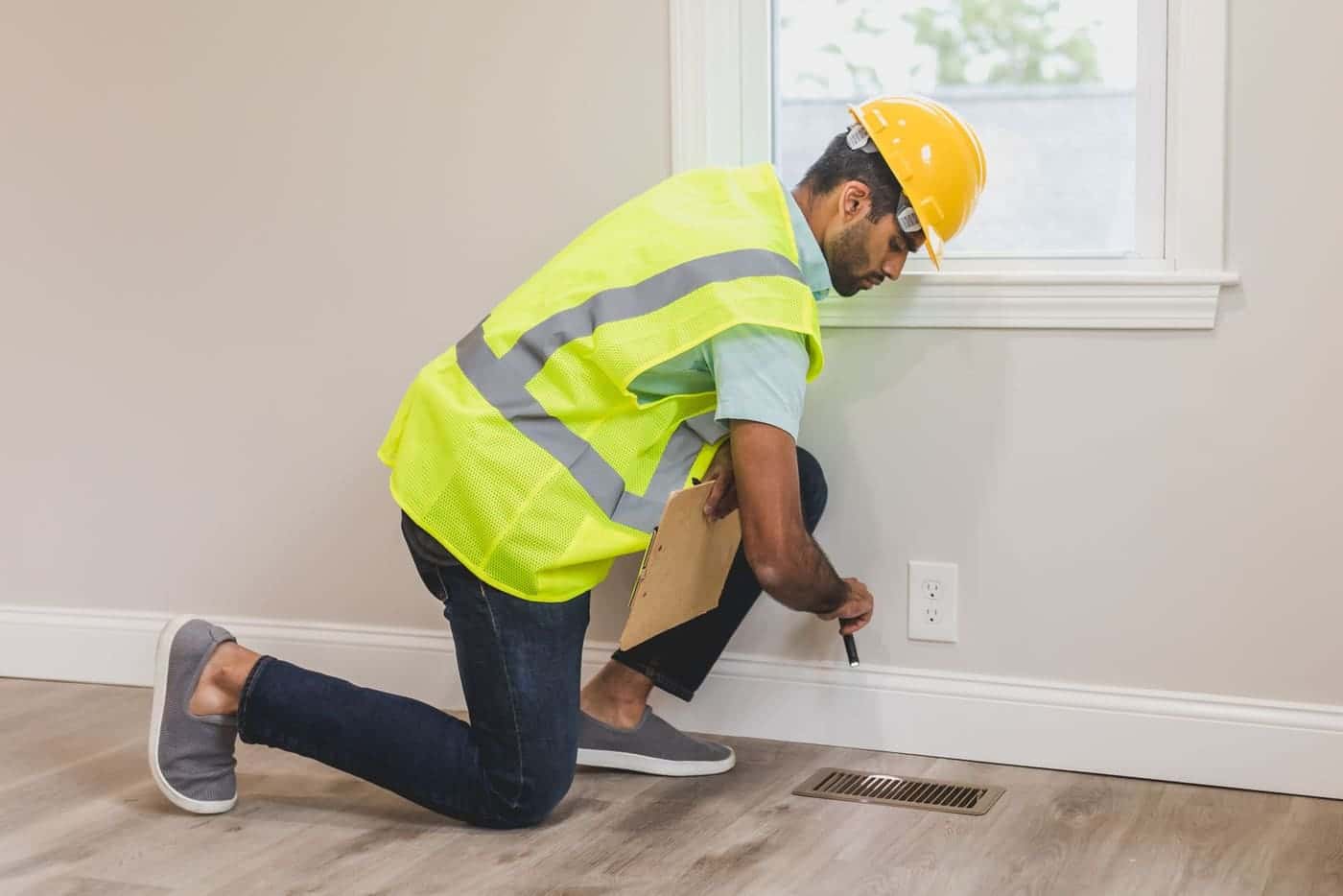 1 · Day 1
Water out, readings in
Standing water is extracted and every wet surface is mapped with a moisture meter. That map is what the insurer and the drying plan are built on.
$420–$1,360
 2 · 3–5 days
Structural drying
Air movers and dehumidifiers dry the framing and subfloor, checked daily until the readings reach dry standard. Carpet can look dry long before the floor under it is.
$660–$2,210
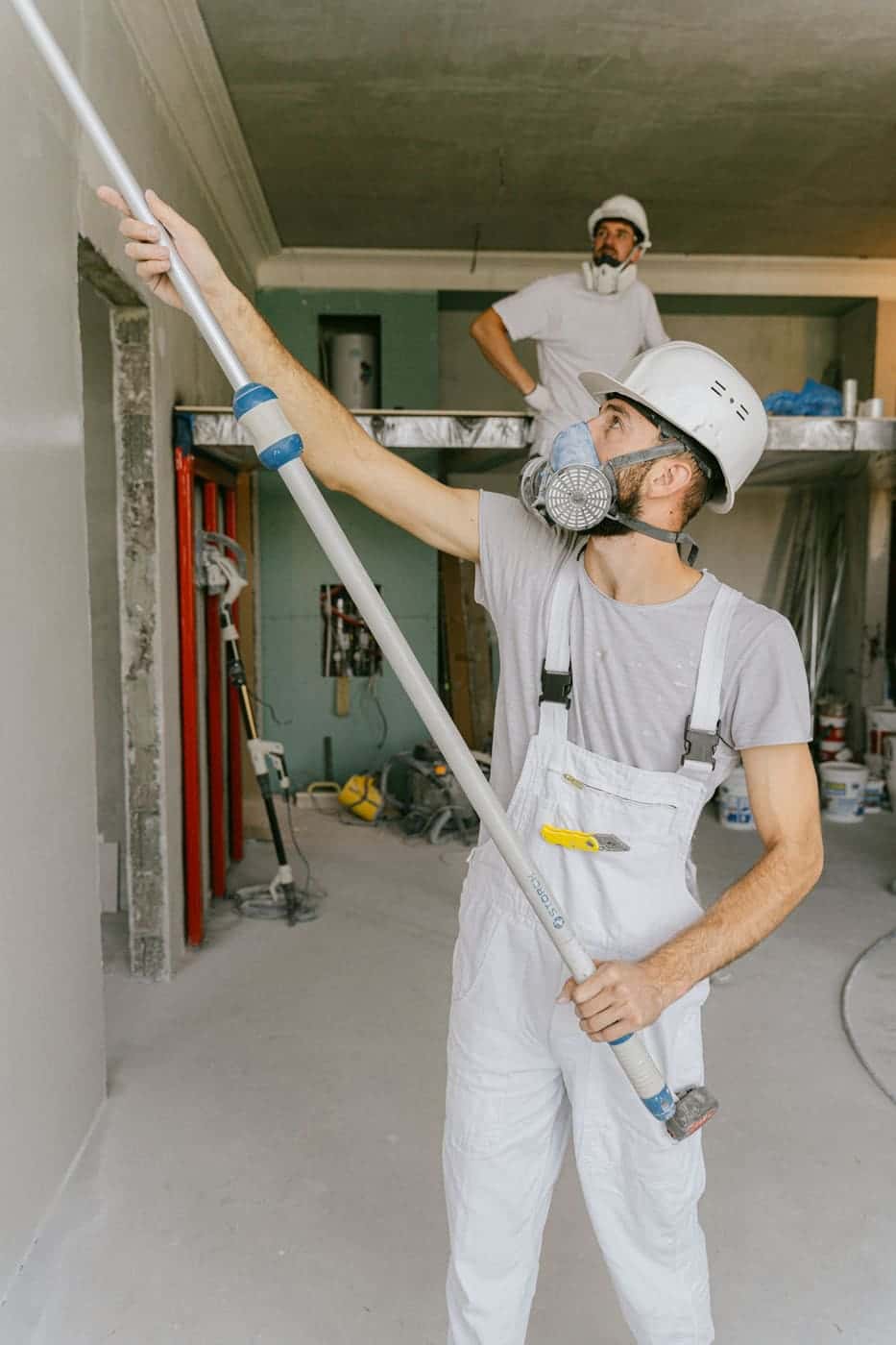 3 · If needed
Remove what cannot be dried
Swollen drywall, soaked insulation and carpet pad come out. Anything touched by sewage is removed, not dried, and this is where mold is stopped before it starts.
$330–$1,105
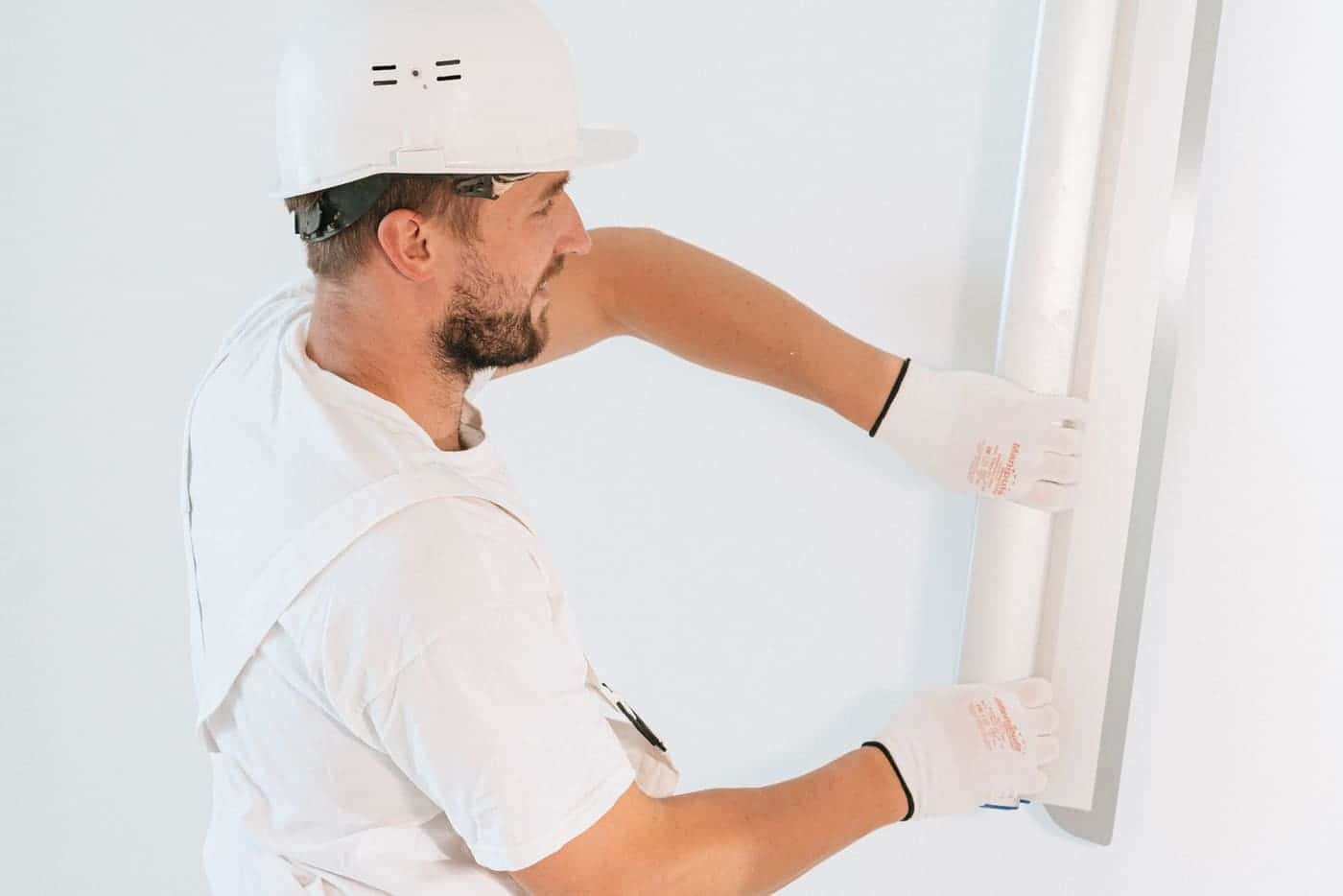 4 · After drying
Put back
Drywall, flooring and paint go back only after the readings are logged. The rebuild is quoted from the moisture map, so ask for it in writing.
Quoted from the moisture map
What sets the price
Where the water came from matters more than how much
Clean water from a supply line is dried in place. Water from a washing machine or dishwasher needs cleaning as well. Sewage is removed, not dried, which is why the same room can cost three times as much.
Water Category Cost Table — Minneapolis, MN
Extraction & drying cost per square foot by IICRC water category
| Water Category | $/sq ft |
|---|---|
| Category 1 — Clean Burst supply line, clean appliance overflow | $2.72–$6.74 |
| Category 2 — Gray Dishwasher, washing machine, toilet bowl (no feces) | $6.74–$8.16 |
| Category 3 — Black Sewage backup, floodwater, toilet overflow with feces | $9.59–$12.1 |
Estimates exclude reconstruction (drywall, flooring replacement). National benchmarks: Cat 1 $3.75–$4.25, Cat 2 $4.10–$6.50, Cat 3 $7–$7.50/sq ft — adjusted for Minneapolis market (3.2–11/sq ft range).
Before work starts
Check the company before it starts
Extraction can start the day you call. These five checks take ten minutes and belong before anything is signed or rebuilt.
- 1
IICRC certification
Ask for the firm's certification and check it.
iicrc.org - 2
State licence
Where Minnesota requires one, ask for the number and look it up.
- 3
Insurance certificate
Liability and workers' comp, in writing, before anyone works in the house.
- 4
Written scope
Drying can start first; nothing is rebuilt without a written scope and price.
- 5
Read before you sign
An Assignment of Benefits hands your claim to the contractor. Read it, or do not sign it.
Local causes
Why water damage happens in Minneapolis
- Minnehaha Creek overtopping its banks during spring snowmelt, flooding homes in the Hiawatha neighborhood and the 46th Street corridor near Lake Nokomis
- Mississippi River spring flooding in Prospect Park and Nicollet Island as winter ice releases from northern Minnesota tributaries
- Extreme cold events (-20°F to -30°F) causing pipe bursts in the city's stock of pre-1940 bungalows and Craftsman homes with uninsulated exterior walls
- Ice dam formation on low-slope roofs forcing snowmelt under shingles and into ceiling assemblies throughout the metro from November through March
- Frozen ground preventing spring snowmelt absorption, creating sheet flooding across flat suburban terrain in Bloomington and Eden Prairie
The Hiawatha neighborhood sits along Minnehaha Creek's lower reaches, which regularly overtops its banks during spring snowmelt when frozen ground prevents absorption — this affects several hundred homes in the corridor between 46th Street and Lake Nokomis, with water entering finished basements through window wells and foundation cracks. Nicollet Island in the Mississippi River has flooded repeatedly, and low-lying areas of Prospect Park near the University of Minnesota experience groundwater intrusion each spring as the river rises and pushes the water table to within inches of basement floors.
Water damage questions from Minneapolis homeowners
How fast can a water damage company respond in Minneapolis?
Most certified restoration companies serving Minneapolis answer 24/7 and confirm a real arrival window for your address on the call — how long that is depends on where you are, what time it is, and how many jobs are already running.
Call early either way: every hour that water sits widens the damage, and mold starts on wet material within 24–48 hours.
How long does water damage restoration take in Minneapolis?
Drying usually takes 3–5 days with professional equipment, and it is finished when moisture readings reach dry standard, not on a date. Anything that has to be removed and rebuilt comes after that, which is why a job with drywall or flooring replacement runs longer than the drying alone.
How much does water damage restoration cost in Minneapolis?
Most Minneapolis jobs run $1,500–$8,500, about $3.2–$11 per square foot for extraction and drying. Contaminated water (a sewage backup) costs more because the wet material is removed rather than dried, and rebuilding is priced separately once the structure is dry.
How do I verify a restoration contractor in Minnesota?
Ask for three things before work starts: the IICRC certification (check it at iicrc.org), a certificate of liability insurance, and the Minnesota licence number where the work needs one (Minnesota Department of Labor and Industry — Residential Building Contractor License required).
Get a written scope before any rebuild, and do not sign an Assignment of Benefits you have not read.
Who do I call right now for water damage?
Call (888) 840-6512. The line is answered 24 hours a day, seven days a week, and connects you with an IICRC-certified water damage restoration company that serves your area. Describe what you can see — where the water is coming from, how long it has been there, and whether it smells — the more specific you are, the faster the right company is on the line.
If the source is a pipe or an appliance, shut the main water valve first. Have four things ready and the call goes quickly: the address, when the water started, what is wet now, and whether you have filed an insurance claim.
Still not sure which of these is your situation? (888) 840-6512 · toll-free · answered 24/7
Keep reading
Guides for Minneapolis homeowners
Who to Call for Water Damage: The Right Order of Calls
Who to call for water damage in your house: stop the water, call a restoration company, open the claim the same day. The order for every situation.
Read guideWater Damage: What to Do in the First 60 Minutes
The decisions you make in the first 60 minutes after water damage determine how much you pay, how fast you recover, and whether your insurance claim succeeds. Here's the exact sequence of actions.
Read guideWater Damage Insurance Claim: The Complete Guide
Most water damage insurance claim denials happen because homeowners make one of seven preventable mistakes. This guide shows you exactly what to do — and what to avoid — from the moment water appears.
Read guideWater Damage Restoration Cost 2026: What You'll Actually Pay
The average water damage restoration costs $3,900 nationally — but ranges from $1,200 to $25,000+ depending on factors most homeowners don't know about before they call.
Read guideWater in the house in Minneapolis right now?
One call reaches an IICRC-certified company covering your ZIP. Answered 24/7, no charge for the referral.