
Reading · Berks County · PA
Emergency Water Damage Restoration in Reading, PA
Water in the house in Reading? Call (888) 840-6512. The line is answered 24/7, and an IICRC-certified restoration company covering your ZIP gives you an arrival window for your address on the call. Most Reading jobs run $1,500–$8,500 and dry in 3–5 days. Mold starts on wet material in 24–48 hours, so what happens today decides whether it stays a drying job.
- Answered 24/7
- IICRC standards
- No charge for the referral


Answered 24/7
Talk to a company that covers Reading
Water Damage Restoration
Call (888) 840-6512Toll-free · no obligation · no charge for the referral
- 1Press 1 for water damage, 2 for mold
- 2Enter your 5-digit ZIP, then stay on through about 30 quiet seconds
- 3A company covering your address picks up and gives you an arrival window
Have ready
- • Address and ZIP
- • When it started
- • What is wet now
- • Claim opened yet?
Covers Reading & Berks County · 19601 · 19602 · 19603
60-Second Emergency Checklist — Reading
Shut off the main water supply — know your shutoff location now
⚠ If water is near the electrical panel, cut power first
Cut electricity to all wet areas at the breaker panel
⚠ Never touch outlets or appliances in standing water
Photograph and video ALL damage before moving anything
⚠ This is critical for your insurance claim — don't skip
Move documents, medications, and irreplaceable items to dry area
Call a certified restoration company — not just a plumber
⚠ A plumber fixes the source; restoration extracts water and dries structure
Call your insurance company to open a claim — get a claim number
⚠ Do NOT let any contractor start without a claim number
What happens next
What a certified company does in Reading — and what each stage costs
Most Reading jobs run $1,500–$8,500 in total. The ranges below are our estimate of how that splits by stage; how we calculate them.
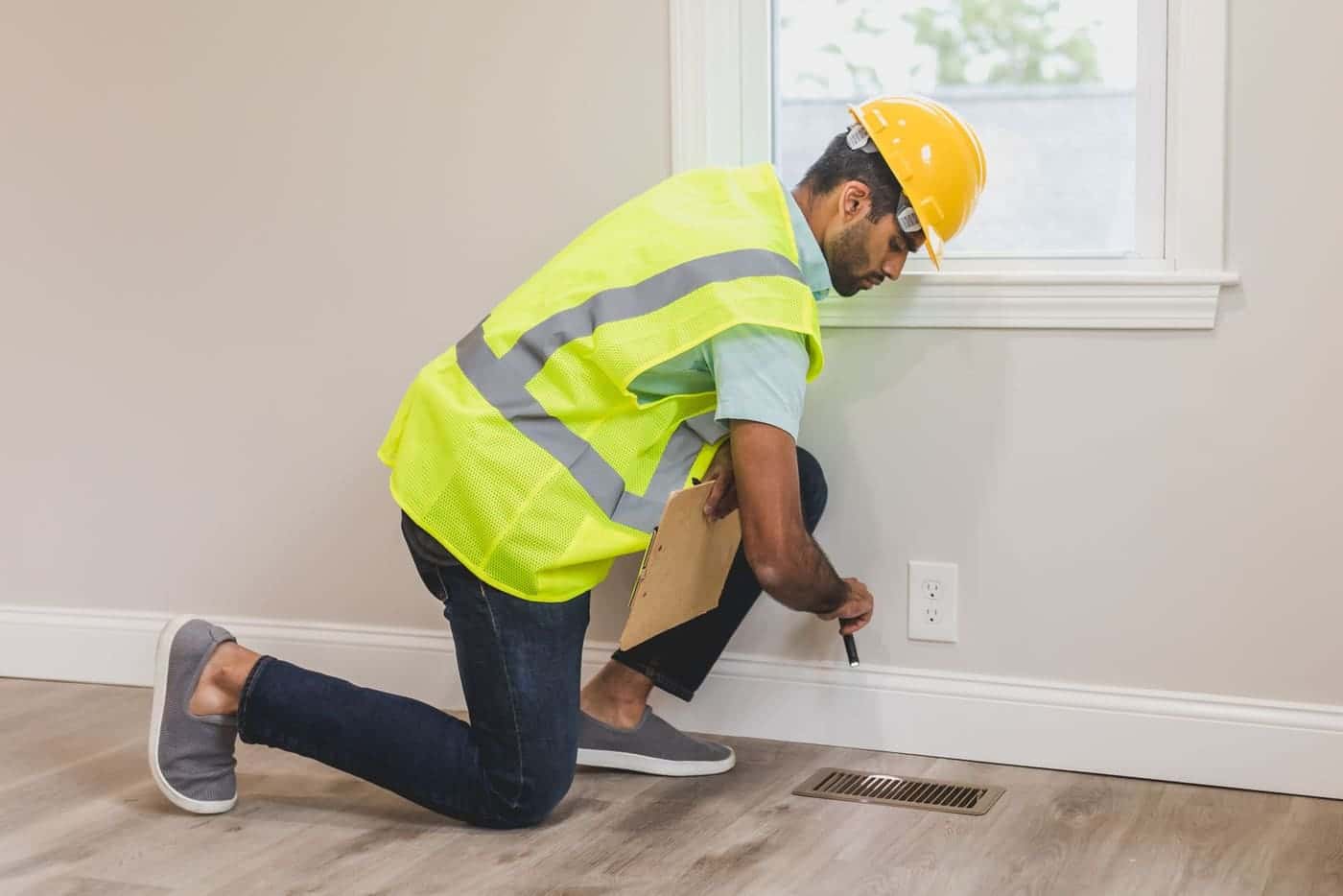 1 · Day 1
Water out, readings in
Standing water is extracted and every wet surface is mapped with a moisture meter. That map is what the insurer and the drying plan are built on.
$420–$1,360
 2 · 3–5 days
Structural drying
Air movers and dehumidifiers dry the framing and subfloor, checked daily until the readings reach dry standard. Carpet can look dry long before the floor under it is.
$660–$2,210
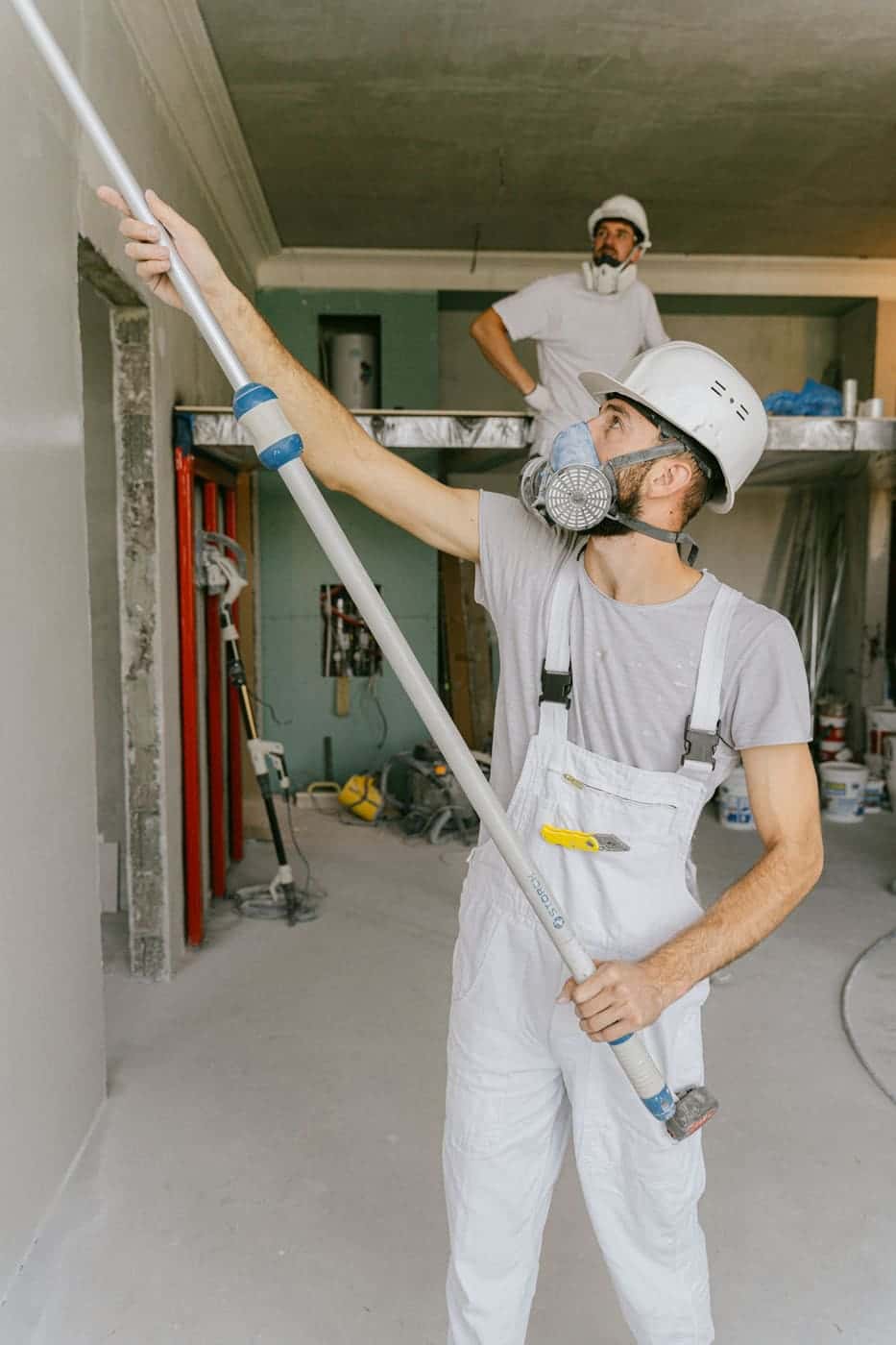 3 · If needed
Remove what cannot be dried
Swollen drywall, soaked insulation and carpet pad come out. Anything touched by sewage is removed, not dried, and this is where mold is stopped before it starts.
$330–$1,105
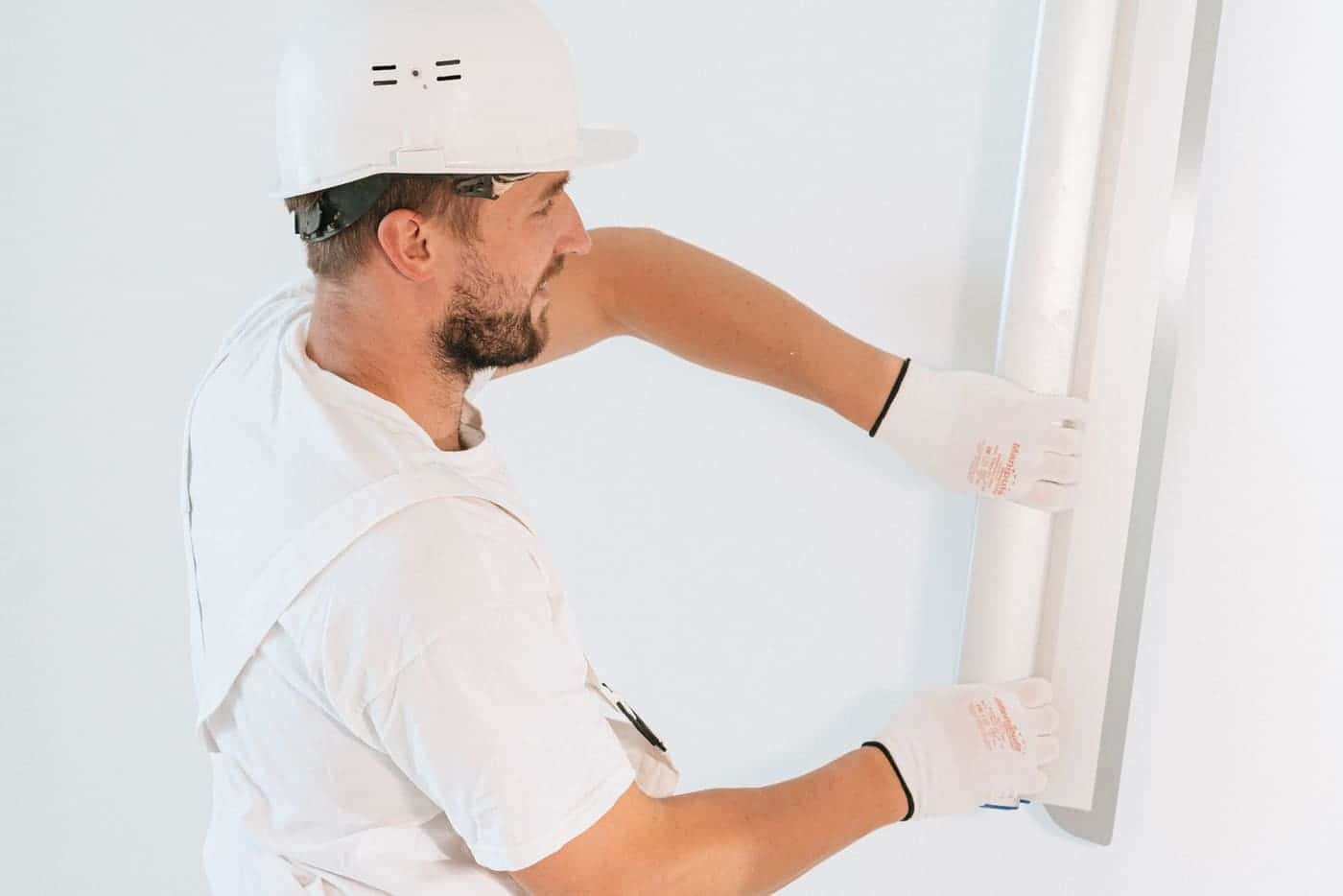 4 · After drying
Put back
Drywall, flooring and paint go back only after the readings are logged. The rebuild is quoted from the moisture map, so ask for it in writing.
Quoted from the moisture map
What sets the price
Where the water came from matters more than how much
Clean water from a supply line is dried in place. Water from a washing machine or dishwasher needs cleaning as well. Sewage is removed, not dried, which is why the same room can cost three times as much.
Water Category Cost Table — Reading, PA
Extraction & drying cost per square foot by IICRC water category
| Water Category | $/sq ft |
|---|---|
| Category 1 — Clean Burst supply line, clean appliance overflow | $2.72–$6.74 |
| Category 2 — Gray Dishwasher, washing machine, toilet bowl (no feces) | $6.74–$8.16 |
| Category 3 — Black Sewage backup, floodwater, toilet overflow with feces | $9.59–$12.1 |
Estimates exclude reconstruction (drywall, flooring replacement). National benchmarks: Cat 1 $3.75–$4.25, Cat 2 $4.10–$6.50, Cat 3 $7–$7.50/sq ft — adjusted for Reading market (3.2–11/sq ft range).
Before work starts
Check the company before it starts
Extraction can start the day you call. These five checks take ten minutes and belong before anything is signed or rebuilt.
- 1
IICRC certification
Ask for the firm's certification and check it.
iicrc.org - 2
State licence
Where Pennsylvania requires one, ask for the number and look it up.
- 3
Insurance certificate
Liability and workers' comp, in writing, before anyone works in the house.
- 4
Written scope
Drying can start first; nothing is rebuilt without a written scope and price.
- 5
Read before you sign
An Assignment of Benefits hands your claim to the contractor. Read it, or do not sign it.
Local causes
Why water damage happens in Reading
- The Schuylkill River, which flows along Reading's southern and eastern edge, is one of Pennsylvania's most flood-prone rivers; the narrow valley geography has produced multiple historic crests exceeding 20 feet, inundating the South Reading riverfront and rail yards with 6-10 feet of water.
- Tulpehocken Creek enters the Schuylkill River at Reading's western edge near the Route 422 corridor; its own watershed flooding compounds Schuylkill River rises and can produce localized flooding in the Wyomissing Creek drainage network and adjacent industrial properties.
- Angelica Creek flows through central and southern Reading before joining the Schuylkill; its culverted upper reaches through dense urban neighborhoods become hydraulically pressurized during heavy rainfall and cause basement flooding throughout the South Fifth Street and Hampden Boulevard corridors.
- Reading's steep hillsides to the north of the city — including Mount Penn and Neversink Mountain — shed rainfall rapidly onto the flat valley floor below, creating flash flooding conditions in northern Reading neighborhoods within 15-20 minutes of an intense thunderstorm.
- The city's combined sewer system, serving the older urban core built before 1940, cannot separate stormwater from sanitary sewage during heavy rain events, causing sewage-contaminated water to back up through basement floor drains throughout much of downtown and surrounding neighborhoods.
South Reading, particularly the blocks between South Fifth Street and the Schuylkill River levee, is the city's most chronically flooded district; when the Schuylkill overtops or bypasses the levee system, water moves rapidly into basement apartments where nearly 80% of housing stock predates 1960. The Millmont neighborhood in the eastern part of the city near Angelica Creek's lower corridor experiences regular basement flooding from both creek overflow and sewer backup.
Water damage questions from Reading homeowners
How fast can a water damage company respond in Reading?
Most certified restoration companies serving Reading answer 24/7 and confirm a real arrival window for your address on the call — how long that is depends on where you are, what time it is, and how many jobs are already running.
Call early either way: every hour that water sits widens the damage, and mold starts on wet material within 24–48 hours.
How long does water damage restoration take in Reading?
Drying usually takes 3–5 days with professional equipment, and it is finished when moisture readings reach dry standard, not on a date. Anything that has to be removed and rebuilt comes after that, which is why a job with drywall or flooring replacement runs longer than the drying alone.
How much does water damage restoration cost in Reading?
Most Reading jobs run $1,500–$8,500, about $3.2–$11 per square foot for extraction and drying. Contaminated water (a sewage backup) costs more because the wet material is removed rather than dried, and rebuilding is priced separately once the structure is dry.
How do I verify a restoration contractor in Pennsylvania?
Ask for three things before work starts: the IICRC certification (check it at iicrc.org), a certificate of liability insurance, and the Pennsylvania licence number where the work needs one (PA Home Improvement Consumer Protection Act; contractor registration required statewide).
Get a written scope before any rebuild, and do not sign an Assignment of Benefits you have not read.
Who do I call right now for water damage?
Call (888) 840-6512. The line is answered 24 hours a day, seven days a week, and connects you with an IICRC-certified water damage restoration company that serves your area. Describe what you can see — where the water is coming from, how long it has been there, and whether it smells — the more specific you are, the faster the right company is on the line.
If the source is a pipe or an appliance, shut the main water valve first. Have four things ready and the call goes quickly: the address, when the water started, what is wet now, and whether you have filed an insurance claim.
Still not sure which of these is your situation? (888) 840-6512 · toll-free · answered 24/7
Keep reading
Guides for Reading homeowners
Who to Call for Water Damage: The Right Order of Calls
Who to call for water damage in your house: stop the water, call a restoration company, open the claim the same day. The order for every situation.
Read guideWater Damage: What to Do in the First 60 Minutes
The decisions you make in the first 60 minutes after water damage determine how much you pay, how fast you recover, and whether your insurance claim succeeds. Here's the exact sequence of actions.
Read guideWater Damage Insurance Claim: The Complete Guide
Most water damage insurance claim denials happen because homeowners make one of seven preventable mistakes. This guide shows you exactly what to do — and what to avoid — from the moment water appears.
Read guideWater Damage Restoration Cost 2026: What You'll Actually Pay
The average water damage restoration costs $3,900 nationally — but ranges from $1,200 to $25,000+ depending on factors most homeowners don't know about before they call.
Read guideWater in the house in Reading right now?
One call reaches an IICRC-certified company covering your ZIP. Answered 24/7, no charge for the referral.