
Quick answer
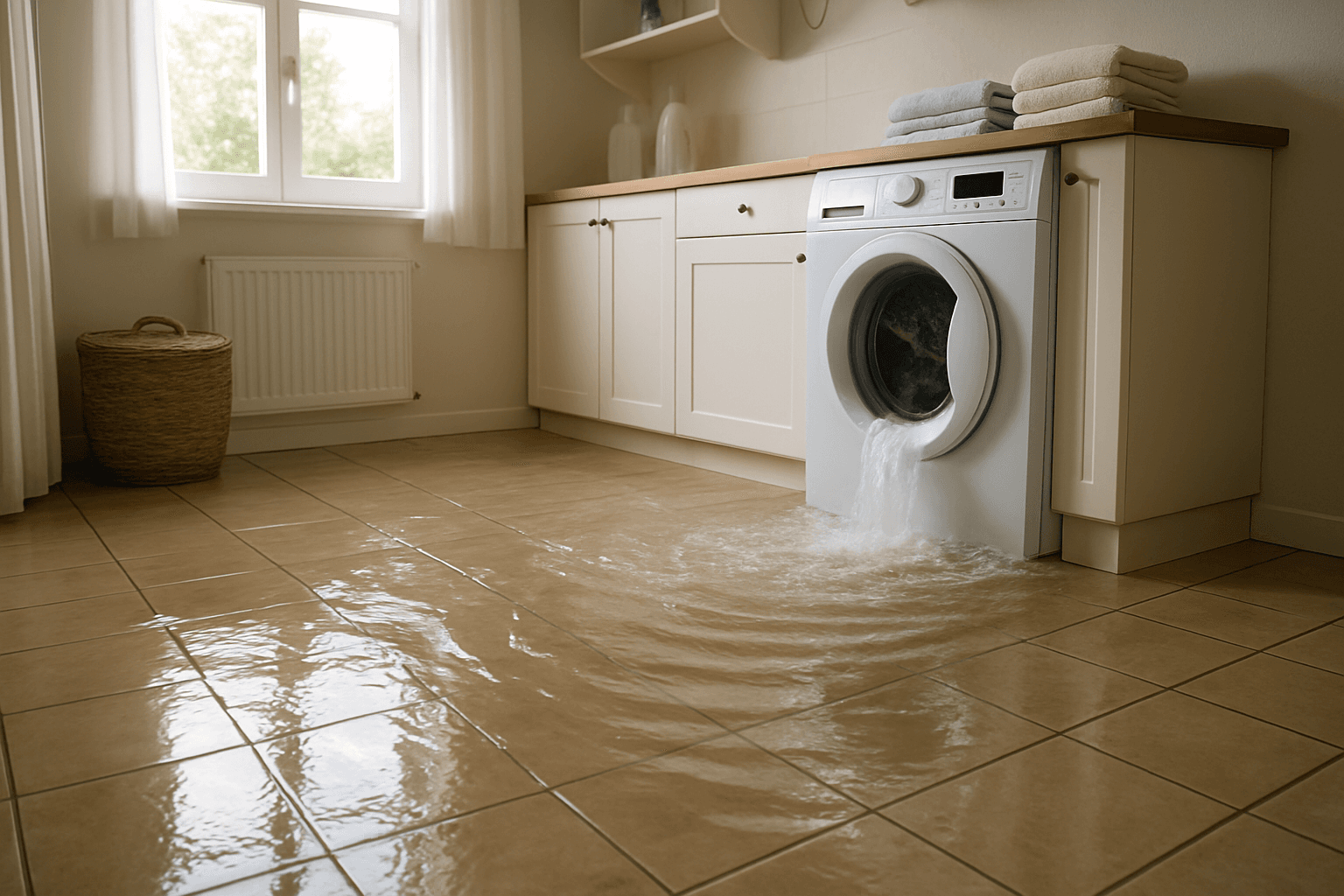
If your washing machine flooded, turn off the two water valves behind it, cut power to the laundry area at the breaker, photograph the water and get it off the floor right away. Water that stayed on sealed tile or concrete is a mop-up. Water that got under vinyl, laminate or hardwood, into carpet, into walls or through the ceiling below needs a water damage restoration company the same day. Overflow wash water is gray water, which changes what can be dried and what is removed. Call (888) 840-6512 to reach a certified water damage restoration company in your area; the line is answered 24/7.
Written & reviewed by Marcus ReedIICRC WRT
Reviewed June 28, 2026· Next review Dec 2026
If your washing machine flooded, turn off the two water valves behind it, cut the power to the laundry area at the breaker, photograph the water, and get it off the floor right away. Then check where it went. Water that stayed on a sealed hard floor is a mop-up. Water that got under the flooring, into the walls, into carpet or through the ceiling below is a restoration job, and the drying needs to start the same day.
Washing Machine Flooded: What to Do First
- 1Turn off the water and the power. The hot and cold supply valves are on the wall behind the machine; turn both clockwise. If a hose has burst and is spraying, or the valves will not move, close the house main instead. Turn off the breaker for the laundry area before you reach behind the machine or stand in water near the outlet, then unplug it.
- 2Photograph everything before cleanup. Video the standing water, how far it spread, the back of the machine and the hose or fitting that failed, and every room the water reached, including the ceiling of the room below. Keep the failed hose.
- 3Get the standing water up. Towels, a mop or a wet/dry vacuum on hard floors. Move laundry baskets, rugs and anything cardboard off the floor. Open the doors of any nearby cabinets so you can see whether water ran underneath.
- 4Check where the water went. Look along baseboards, under the edge of vinyl or laminate, at carpet in the next room, and at the ceiling downstairs. This is what decides whether you are finished or need a restoration company.
The laundry room flooding page has the same steps in short form to keep on your phone.
When It Is a DIY Mop-Up and When It Is a Restoration Job
The machine is not the question. Where the water went is.
| What you find | What it means | Who handles it |
|---|---|---|
| Water only on sealed tile or concrete, all removed within about an hour | Nothing soaked in | You, with towels and a fan |
| Water under vinyl, laminate or hardwood | It is trapped between the floor and the subfloor, where it cannot evaporate | Restoration company |
| Wet carpet and pad | Pad holds water like a sponge; used wash water is gray water | Restoration company |
| Wet baseboards or the bottom of drywall | The water has wicked up into the wall cavity | Restoration company |
| A stain or drip in the ceiling below | Water is in the floor system between the two levels | Restoration company |
| Water came back up out of the drain standpipe | Possible sewage backup, not a washer fault | Restoration company, and a plumber for the drain |
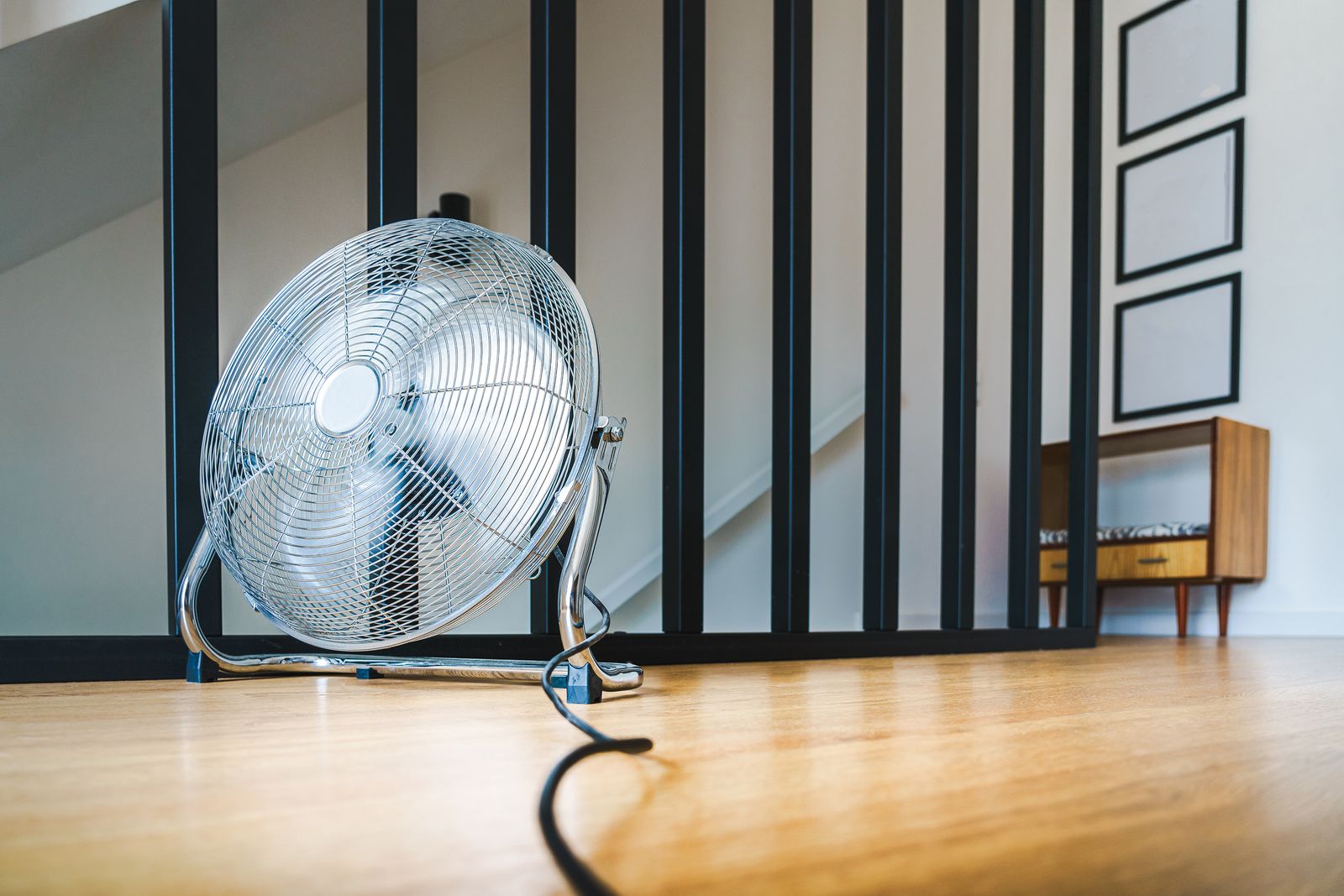
Anything wet inside a floor or wall needs to be measured, not guessed. Restoration companies use moisture meters and thermal cameras to find the edge of the wet area, which is usually well past the stain, and they dry it to a recorded standard. The EPA advises drying wet materials within 24 to 48 hours to prevent mold, and on the IICRC S500 clock, mold germinates on wet material at about 24 hours. A box fan dries the surface of a floor, not the subfloor under it. Who to call for water under flooring explains how that is checked.
Clean Water or Gray Water: Why It Changes the Cleanup
The IICRC S500 standard sorts water by contamination, and a washing machine can produce two of the three categories.
- Category 1, clean water: a supply hose or valve that burst. This is tap water until it sits.
- Category 2, gray water: water that overflowed from the drum or the drain hose during a wash. It carries detergent, lint and whatever was on the laundry. Carpet pad soaked with it is usually removed rather than dried, and surfaces are cleaned with an antimicrobial.
- Category 3: if water rose out of the drain standpipe or a nearby floor drain, it may be sewage from a blocked line. Do not clean that up yourself; see who to call for a sewage backup.
Clean water left sitting also gets worse, because it picks up what it soaks through. Gray water mitigation typically costs $4–$8 per square foot, against $3–$7 for clean water.
Washing Machine Flooded the House, Basement or Kitchen Floor
Upstairs laundry, water through the ceiling below. This is the most common way a washer overflow becomes a large job. Turn off the breaker for the room below before you go under the stain, and do not push on a sagging ceiling. The cavity between the floors has to be opened and dried from below.
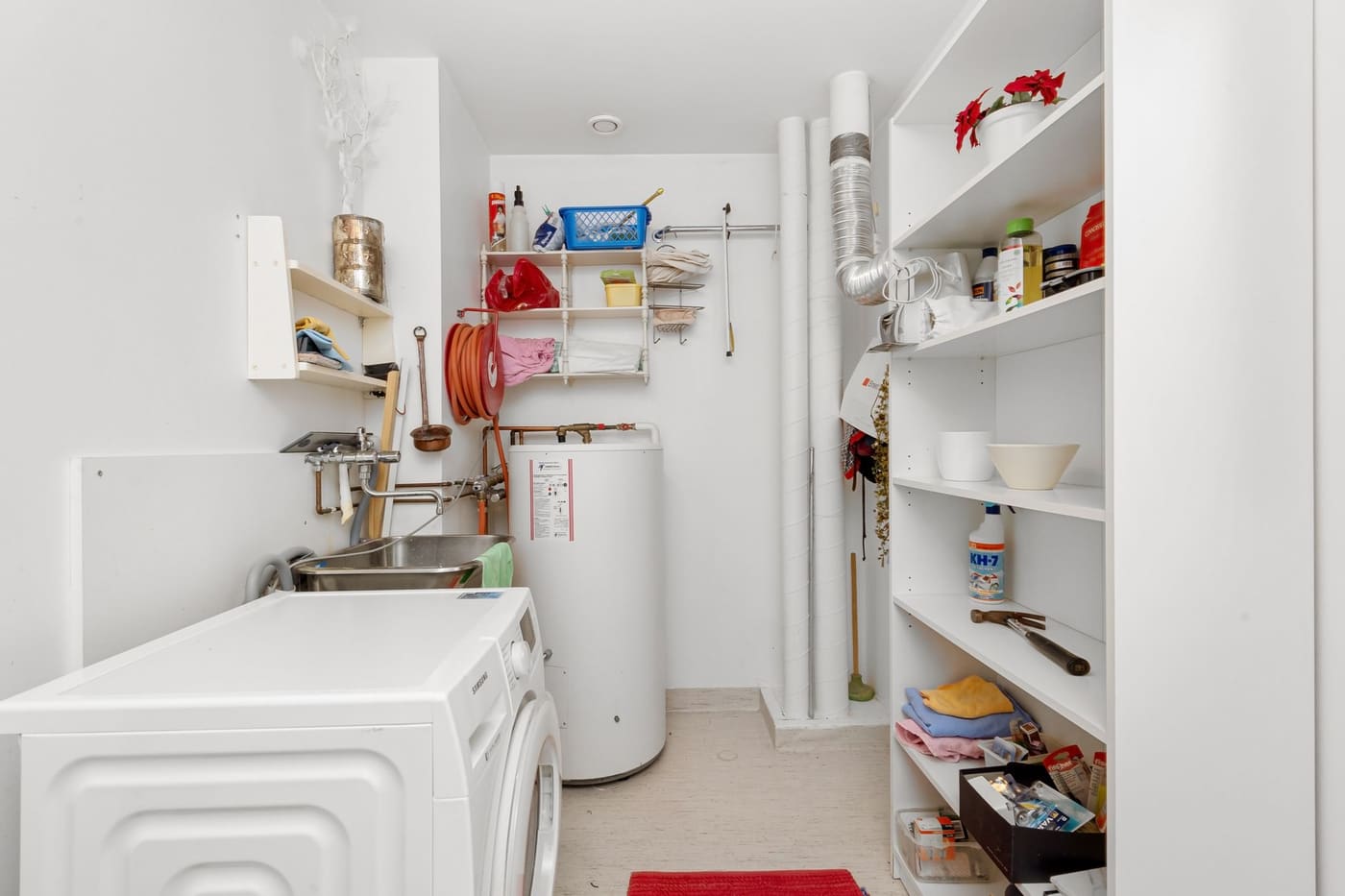
Washing machine flooded the basement. Water from a machine on a concrete floor often looks like the easy case. Check finished walls, carpet, stored boxes and the bottom plate of any framed walls. If it came up through a floor drain rather than out of the washer, treat it as a sewage backup.
Washing machine flooded the kitchen floor. Water runs under the toe kicks of cabinets and under the dishwasher, where you cannot see it. Pull the kick plate and look, or have it metered. Swollen cabinet bases and lifting vinyl are signs it got there.
Washing machine flooded the carpet. If it was overflow wash water, the pad usually has to go. If it was a clean supply hose caught early, carpet can often be dried in place. How to dry wet carpet covers when that works.
Talk to a water damage pro now
Answered 24/7 · Toll-free · answered 24/7 · no obligation
(888) 840-6512- Describe the damage & give your ZIP
- You're routed to the on-call local crew
- They quote — you decide, no obligation
Who to Call for a Washing Machine Leak or Dishwasher Leak
For water that spread, call in this order:
- 1A water damage restoration company, the same day, to extract and dry. The drying is what has a deadline.
- 2An appliance technician or plumber for the machine, the hose or the drain. With the valves closed, this can wait a day or two. For a slow leak rather than a flood, see washing machine leaking from the bottom.
- 3Your insurer, the same day, once everything is photographed.
A dishwasher leak works the same way, except the water usually goes under the cabinets and into the subfloor rather than across an open floor. Close the valve under the sink, turn off the breaker, and see dishwasher leak water damage for where to look.
If you rent, tell your landlord in writing with the photos. The landlord arranges the restoration company.
Does Insurance Cover a Washing Machine Flood?
A sudden failure, such as a burst hose or an overflow, is generally covered for the damage it causes to floors, walls, ceilings and belongings. The machine and the hose themselves usually are not. A leak that dripped for weeks, or a hose the insurer can show was visibly worn, is where claims get disputed. Does insurance cover a dishwasher or washing machine leak goes through what adjusters look for. Do not wait for an adjuster before drying starts; your policy expects you to prevent further damage.
What Happens When You Call
If the water got past the laundry room floor, (888) 840-6512 connects you to a certified water damage restoration company taking calls in your ZIP. The line is answered 24/7, and there is no charge for the referral.
- A short automated menu answers. Press 1 for water damage.
- Enter the 5-digit ZIP of the property.
- The line goes quiet for about half a minute while it connects. That is normal; stay on.
- When someone answers, say it was a washing machine, whether it was a hose or an overflow, and what is wet.
Have ready: the property address with ZIP, when the water started, what is wet now (rooms, floors, ceilings, and whether it is still running), and whether you have opened an insurance claim. The company gives you an arrival window for your address on the call, and the scope and price are between you and them.
Stopping It From Happening Again
Replace rubber supply hoses with braided stainless ones, and replace any hose that is bulging, cracked or stiff. Make sure the drain hose is clipped into the standpipe so it cannot jump out on the spin cycle. A drain pan under the machine, or a leak sensor with an automatic shut-off valve, catches the next failure before it reaches the floor. And if it was a pipe rather than the washer that burst, the order of calls is in who to call for a burst pipe.
Reading to confirm what you already suspect?
Confirm it in two minutes instead — the pro on this line answers questions about YOUR situation all day: what it is, what it should cost, whether you even need service. If you want, they'll set the appointment on the same call.
Toll-free · no obligation · asking costs nothing
Frequently Asked Questions
Washing machine flooded: what do I do first?
Turn off the hot and cold supply valves behind the machine, clockwise. If a hose is spraying or the valves will not move, close the house main. Turn off the breaker for the laundry area before reaching behind the machine, then unplug it.
Photograph the water, the failed hose and every room it reached, including the ceiling below. Then get the standing water up and check under flooring, along baseboards and in the next room.
My washing machine flooded the house. Do I need a restoration company?
YesIf the water reached anything that soaks it up: carpet and pad, drywall, baseboards, cabinets, the subfloor under vinyl, laminate or hardwood, or the ceiling below.
That water is inside materials where it cannot evaporate, and mold starts on wet material within 24 to 48 hours. If it stayed on sealed tile or concrete and you removed it within about an hour, towels and a fan are usually enough.
What do I do if the washing machine flooded the basement?
Stop the water and cut power to the area, then check finished walls, carpet, stored boxes and the bottom of any framed walls, which wick water up out of sight. On bare concrete with nothing soaked, a wet/dry vacuum and a dehumidifier may be enough.
If the water came up through a floor drain or the washer standpipe instead of out of the machine, treat it as a possible sewage backup and do not clean it yourself.
Washing machine flooded the kitchen floor: what should I check?
Under the cabinets and the dishwasher. Water runs beneath the toe kicks where you cannot see it and soaks the cabinet bases and subfloor.
Pull the kick plates and look, and watch for swelling particleboard, lifting vinyl or a soft spot in the floor over the next few days. If water got under the cabinets or flooring, have a restoration company meter it; those areas need drying equipment, not a mop.
Washing machine flooded the carpet: can it be saved?
It dependsOn the water.
Overflow from the drum or the drain hose is gray water under the IICRC S500 standard, carrying detergent and soil, and the soaked pad is usually removed rather than dried; the carpet itself may be cleaned and relaid. If a clean supply hose burst and the carpet was extracted the same day, it can often be dried in place. Carpet left wet for days usually cannot.
Who do I call for a washing machine leak?
If water spread past the laundry room floor, call a water damage restoration company the same day to extract and dry, then an appliance technician or plumber for the machine, hose or drain; with the valves closed that repair can wait a day or two.
Call your insurer the same day once everything is photographed. A slow leak that stayed on a hard floor needs only the appliance repair.
Who do I call for a dishwasher leak?
Close the valve under the kitchen sink and turn off the dishwasher's breaker. If water only pooled in front of the door and you wiped it up, an appliance technician or plumber is the call.
If it went under the cabinets, under the flooring, or through the ceiling below, call a water damage restoration company to find and dry it first, then have the dishwasher repaired. Photograph everything for your insurer before cleanup.
Does homeowners insurance cover a washing machine flood?
A sudden failure such as a burst hose or an overflow is generally covered for the damage it causes to floors, walls, ceilings and belongings. The washer and the hose usually are not.
Claims are disputed when the leak ran for weeks or the hose was visibly worn. Photograph everything, keep the failed hose, start drying without waiting for an adjuster, and open the claim the same day.
Who do I call right now for water damage?
Call (888) 840-6512. The line is answered 24 hours a day, seven days a week, and connects you with an IICRC-certified water damage restoration company that serves your area. Describe what you can see — where the water is coming from, how long it has been there, and whether it smells — the more specific you are, the faster the right company is on the line.
If the source is a pipe or an appliance, shut the main water valve first. Have four things ready and the call goes quickly: the address, when the water started, what is wet now, and whether you have filed an insurance claim.
Still not sure which of these is your situation? (888) 840-6512 · toll-free · answered 24/7
Sources
- IICRC — Standards (ANSI/IICRC S500 Water Damage Restoration)
- EPA — A Brief Guide to Mold, Moisture and Your Home
- Insurance Information Institute — Facts + Statistics: Homeowners and renters insurance
Methodology: How we source and verify data · Report an error
Disclaimer: HearthDry is an independent educational resource. This article is for informational purposes only and does not constitute professional, legal, or insurance advice. Consult licensed professionals before making decisions about your property or insurance claims.
Free 2-day shipping
Amazon Prime members pay no shipping on restoration equipment
Dehumidifiers, air movers, and moisture meters qualify for free Prime delivery — bulk items that otherwise cost $15–$40 to ship.
Affiliate link — HearthDry earns a bounty if you sign up; costs you nothing extra.
Equipment
What each machine actually does
Removes the moisture the structure is still giving off — the machine that decides how long drying takes
See the picks →Moves air across wet surfaces so the dehumidifier has something to take out of the air
See the picks →Finds water behind walls and under floors, and tells you when a material is actually dry
See the picks →Alerts you the moment a leak starts — the cheapest thing on this list and the only preventive one
See the picks →Those pages carry affiliate links. As an Amazon Associate, HearthDry earns from qualifying purchases; it costs you nothing extra.
Our Amazon storefront →Advertisement
