
Quick answer
If your hot water heater bursts, turn off its breaker (electric) or set the gas control to OFF and close the gas valve (gas), then close the cold-water inlet valve on the pipe entering the top of the tank, or the house main if it will not turn. Let the remaining water cool before draining it through a hose, and keep clear of hot spray. Photograph everything, then have a restoration company dry any wet walls, floors or ceilings while a plumber replaces the heater. Call (888) 840-6512 to reach a certified water damage restoration company in your area; the line is answered 24/7.
Written & reviewed by Marcus ReedIICRC WRT
Reviewed June 28, 2026· Next review Dec 2026
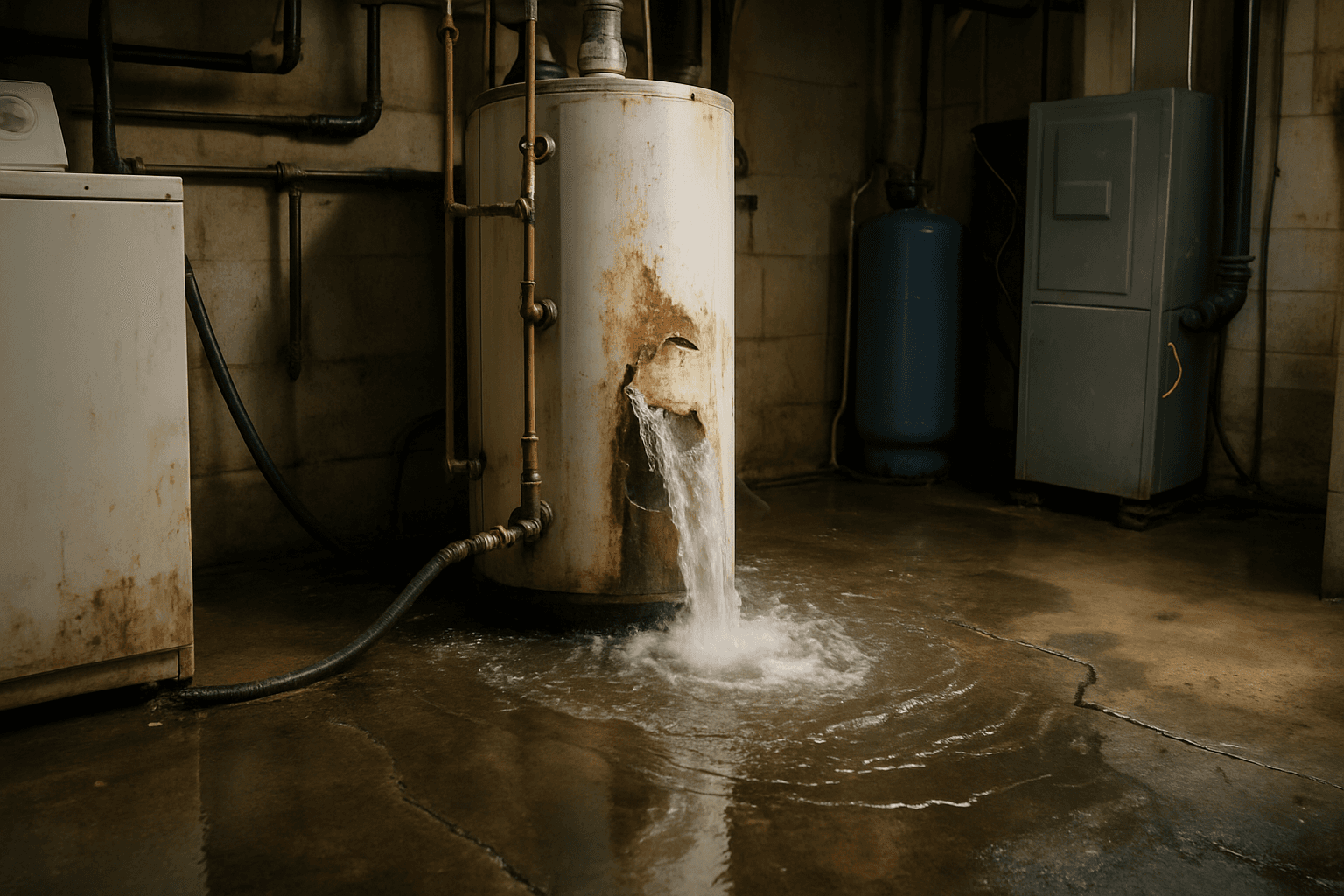
When a hot water heater or hot water tank bursts, shut off its energy source (the breaker for an electric heater, the gas control and gas valve for a gas one), then close the cold-water inlet valve on the pipe entering the top of the tank. The tank is connected to a supply that keeps refilling it, so until that valve is closed, the leak has no end. After that, the order is: drain what is left once it has cooled, photograph everything, get the wet floors and walls dried, and have a plumber replace the heater.
Is It Safe to Go Near a Burst Water Heater?
Usually, with three cautions.
- Scald risk. The water in a heater is hot enough to burn, and a split tank or a failed fitting can spray it. Do not reach across an active spray. Stay out of standing water that is still steaming, and wear shoes, not bare feet.
- Electricity and water. An electric heater runs on a high-voltage circuit. If you would have to stand in water to reach it, do not touch the unit; go to the breaker panel from a dry spot instead.
- Gas. If you smell gas, do not touch switches or the heater. Leave the house and call your gas utility from outside.
1. Shut Off the Power or Gas
Electric heater: switch off its breaker at the panel. It is usually a double breaker labeled "water heater" or "WH". This also protects the heating elements, which burn out quickly if they run without water around them.
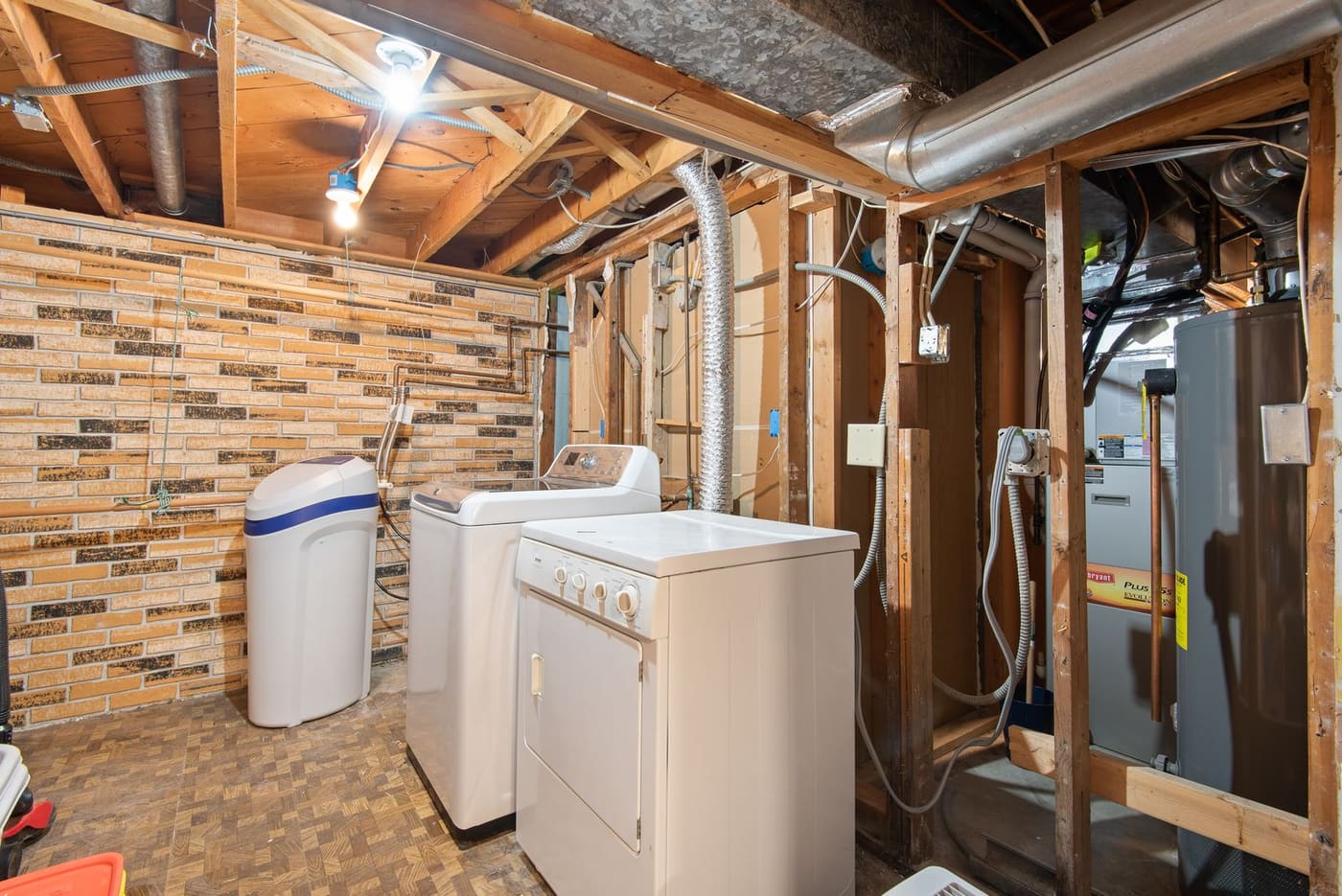
Gas heater: turn the gas control knob on the front of the unit to OFF. Then close the gas shutoff valve on the supply line beside the heater: a quarter turn, so the handle sits across the pipe instead of along it. If the burner area was flooded, do not relight the pilot yourself later; the control valve needs to be checked by a plumber or the gas company first.
2. Close the Cold-Water Inlet Valve
The cold inlet is the pipe entering the top of the tank, usually on the right, often marked with blue. Its valve is a lever (quarter turn) or a round handle (turn clockwise until it stops). The hot outlet pipe will be warm to the touch; the cold one will not.
If the valve is seized, missing or unsafe to reach, close the house main instead; the emergency water shutoff guide shows where it usually is.
3. Drain the Tank Safely
If the tank split wide open, it will empty itself onto the floor, and there is nothing left to drain. If it is leaking from a fitting or a smaller crack, draining the rest yourself keeps it off the floor:
- 1Give it time to cool if you can. A full tank of hot water through a hose is a burn hazard at the far end too.
- 2Attach a garden hose to the drain valve near the bottom and run it to a floor drain, a sump or outside, below the level of the valve.
- 3Open a hot-water faucet somewhere in the house, or lift the lever on the temperature-and-pressure relief valve, to let air in so it drains.
- 4Open the drain valve. Plastic drain valves on older tanks can break; turn it gently.
While it drains, move boxes and anything upholstered out of the water.
4. Photograph the Damage and Get It Dried
Before cleanup goes further, photograph the heater and its data label, the failed spot, the water on the floor, the bottom of nearby walls and anything stored nearby. The documentation guide lists what an adjuster looks for.
Then deal with where the water went, which is the part that costs money.
Talk to a water damage pro now
Answered 24/7 · Toll-free · answered 24/7 · no obligation
(888) 840-6512- Describe the damage & give your ZIP
- You're routed to the on-call local crew
- They quote — you decide, no obligation
Hot Water Heater Burst Damage: Where the Water Goes
A burst tank dumps its full contents at once, 40 to 80 gallons on a typical residential tank, plus whatever the supply added before you closed the valve. That water does not stay in the closet.
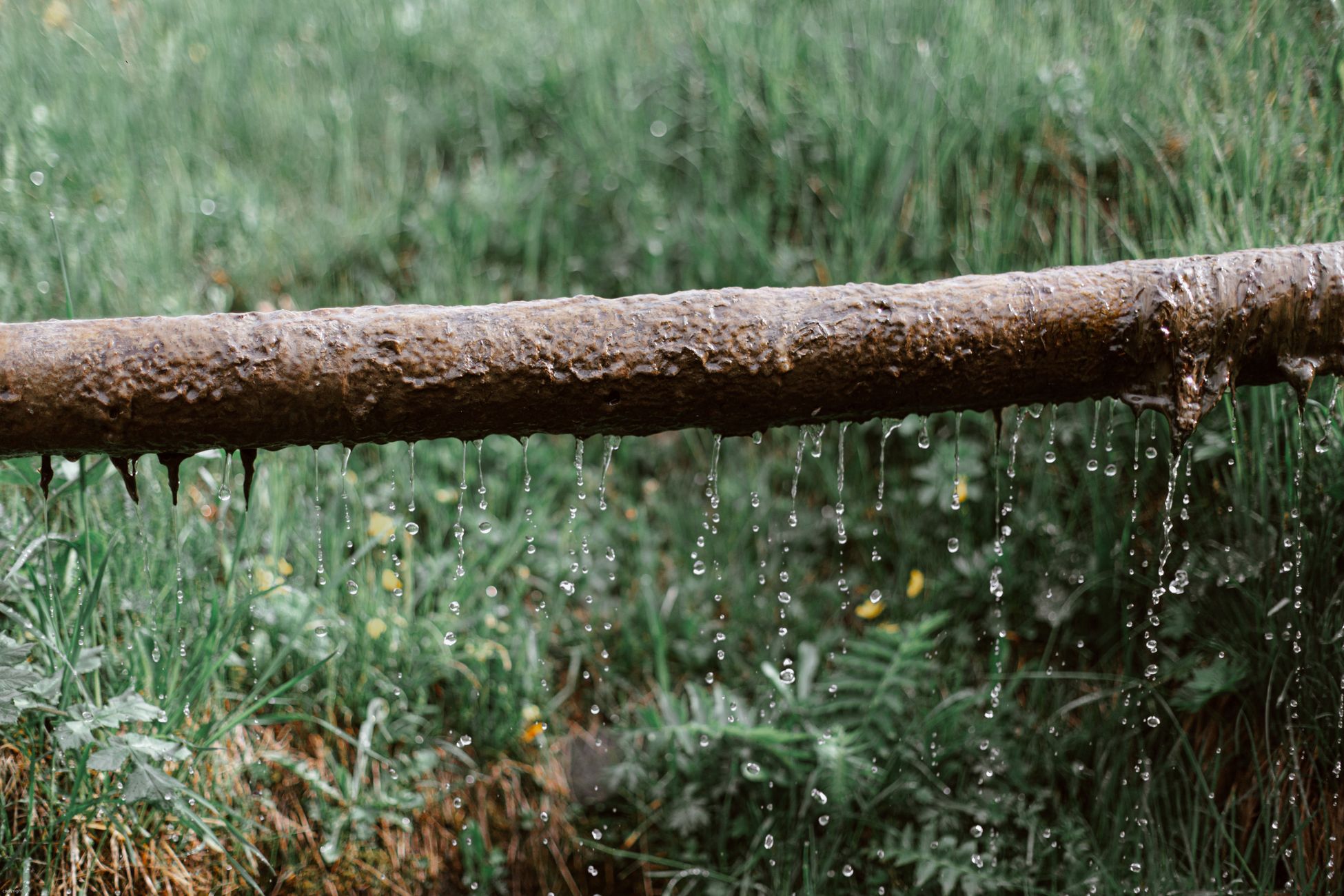
- Into the walls. Heaters sit against drywall. Water wicks up the bottom of the wall and behind the baseboard, where you cannot see it.
- Under the floor. On a wood-framed floor it soaks the subfloor and runs along joists. On a slab it moves along seams and under flooring into the next room.
- Down a level. A heater in a closet on an upper floor or in an attic puts water into the ceiling below. Check that ceiling before anything else.
- Into mold conditions. The water is warm, and heater closets are closed. The EPA advises drying wet materials within 24 to 48 hours to prevent mold; how fast mold grows after water damage explains why warm, enclosed spaces are the worst case.
A restoration company finds the wet with a moisture meter and usually a thermal camera, removes what cannot be dried (carpet pad, sometimes the bottom of the drywall), and dries the rest, taking readings until the materials are back to normal. Most residential water damage jobs cost around $2,000–$6,000; a failure that ran for hours, reached a finished basement or came through a ceiling can go well beyond that. The heater itself is a separate plumbing bill, covered on the water heater replacement cost page.
Who to Call When a Water Heater Bursts
Two trades, two jobs. The plumber replaces the heater; the restoration company dries everything the water reached. The who to call for a leaking water heater guide covers reading a smaller leak in more detail. For a burst tank, this is the order:
| Situation | Who to call | When |
|---|---|---|
| Gas smell anywhere near the heater | Gas utility, from outside | Immediately, before anything else |
| Water reached carpet, drywall, a finished floor or the ceiling below | Water damage restoration company | As soon as the heater is isolated |
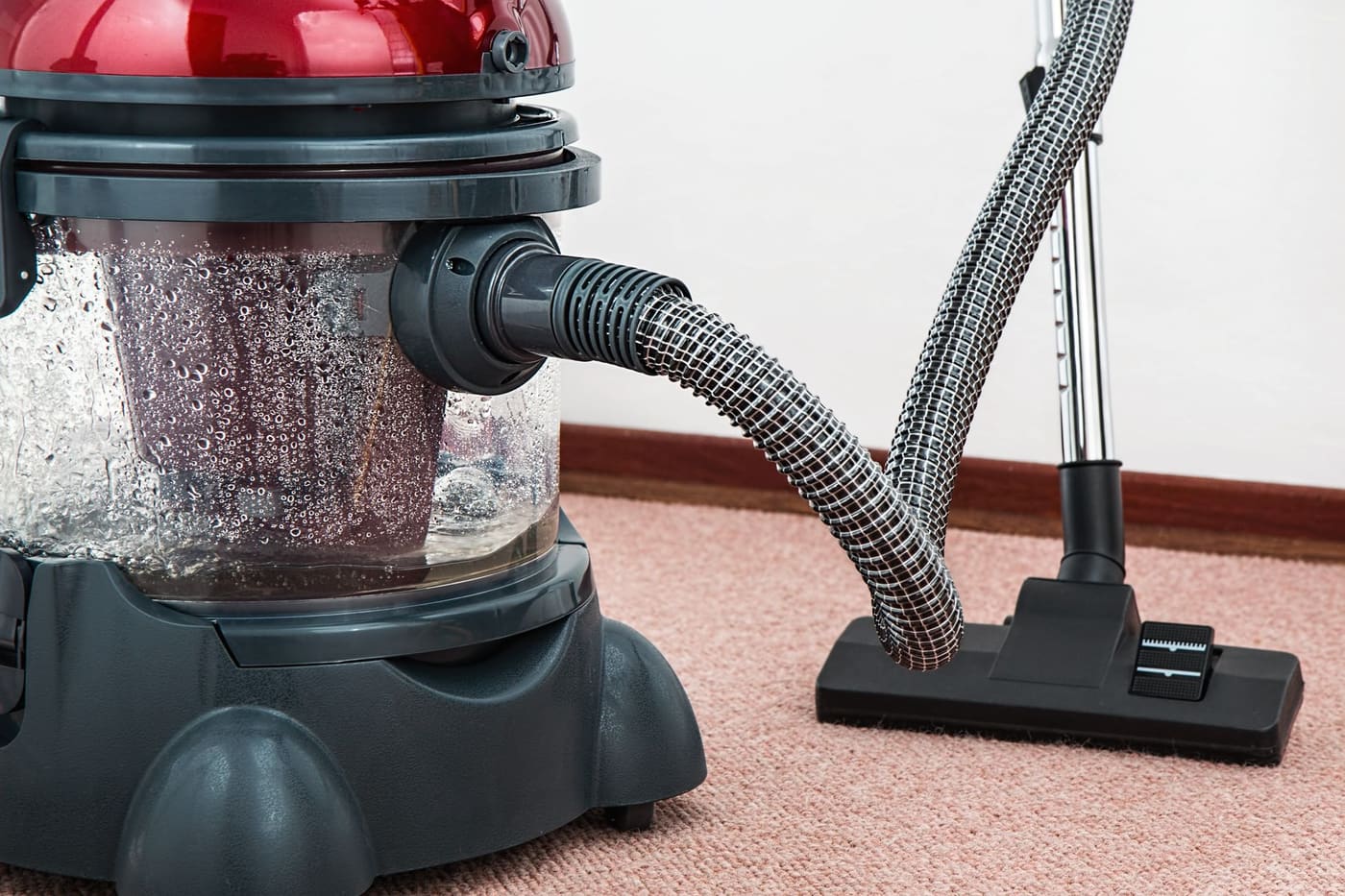
| Water only on bare concrete, nothing else wet | Nobody yet: wet vacuum, fan, watch the walls | Today |
| Heater needs replacing or valves will not close | Plumber | Same day if you need hot water; the restoration visit does not wait for it |
| Water damage is significant | Your insurer, to open a claim | After photos, before or alongside the restoration company |
| You rent | Your landlord, in writing | Right away |
If water got past the heater closet, (888) 840-6512 connects you to a certified water damage restoration company covering your ZIP, so the drying starts while you wait on the plumber.
Does Homeowners Insurance Cover a Burst Water Heater?
The pattern across most homeowners policies: the water damage from a sudden tank failure is usually covered, and the heater itself usually is not, because a tank wearing out is maintenance. The word that decides these claims is "sudden". A tank that split overnight is sudden. Rust trails, mineral crust and a stained platform tell an adjuster a leak was long-running, and long-running leaks are commonly excluded. Keep your photographs and the plumber's note on what failed. The water heater insurance guide covers exclusions, equipment breakdown endorsements and how to file.
Water Heater Burst in an Apartment
If you rent, the heater and the building are your landlord's, and so is the decision about who dries it. Do what is safe and in reach: if the heater is inside your unit and you can reach the cold inlet valve safely, close it, and keep clear of hot water. Move your belongings out of the water and photograph them.
Then notify your landlord or property manager in writing, by email or text, with the time you found it and photos, even if you also call them. Written notice is what shows you reported it promptly. Your landlord arranges the plumber and any drying. Damage to your own belongings falls under your renters insurance, not the landlord's policy; see does renters insurance cover water damage.
What Happens When You Call
If you own the home and the water reached walls, floors or a ceiling, here is what calling (888) 840-6512 sounds like. You hear a short automated menu first: press 1 for water damage, then enter the 5-digit ZIP of the property. The line goes quiet for about half a minute while it connects you to a certified restoration company taking calls in that ZIP. That is normal; stay on. When someone answers, say the water heater burst and describe what is wet.
Have four things ready:
- The property address, including the ZIP
- When the heater burst or when you found it, as near as you know
- What is wet now: which rooms, floors, walls or ceilings, and whether the water is stopped
- Whether you have opened an insurance claim yet
The company gives you an arrival window for your address on that call. Scope and price are between you and them, and there is no charge for the referral.
The Short Version
Power or gas off, cold inlet closed, tank drained once cool, photos taken. The plumber replaces the heater; if water went past bare concrete, a restoration company dries the rest. The appliance leak emergency page has the same steps on one screen.
Reading to confirm what you already suspect?
Confirm it in two minutes instead — the pro on this line answers questions about YOUR situation all day: what it is, what it should cost, whether you even need service. If you want, they'll set the appointment on the same call.
Toll-free · no obligation · asking costs nothing
Frequently Asked Questions
What should I do if my hot water heater bursts?
Shut off the energy first: the breaker for an electric heater, or the gas control knob to OFF and the gas supply valve closed for a gas one. Then close the cold-water inlet valve on the pipe entering the top of the tank, or the house main if it is seized.
Drain what is left through a hose once it cools, photograph the damage, and get wet walls and floors dried while a plumber replaces the heater.
What do I do if my hot water tank burst and flooded the room?
Make it finite first: power or gas off, cold inlet closed. A burst tank releases its whole contents, commonly 40 to 80 gallons, plus whatever the supply added.
That water wicks into the bottom of walls, soaks subfloor, spreads under flooring on a slab and can come through the ceiling below. If anything beyond bare concrete got wet, a restoration company should meter and dry it, because warm water in a closed closet is a strong setup for mold.
How much damage can a burst hot water heater cause?
It dependsOn where the heater sits and how long the water ran. On bare concrete with nothing nearby, it may be a mop-up.
Against drywall, on a wood subfloor, in a finished basement or above a ceiling, it becomes a drying job. Most residential water damage jobs cost around $2,000–$6,000, and a failure that ran for hours or reached another floor can cost more. Replacing the heater is a separate plumbing cost.
Does homeowners insurance cover a burst hot water heater?
Usually the water damage from a sudden tank failure is covered and the heater itself is not, because a worn-out tank is treated as maintenance.
The key word is sudden: a tank that split overnight typically qualifies, while rust trails and mineral crust showing a long-running leak are commonly excluded. Photograph the damage and the heater before cleanup, keep the plumber's note on what failed, and report the claim promptly.
What should I do if the water heater bursts in my apartment?
The heater and the repair belong to your landlord. If the heater is in your unit and you can reach the cold inlet valve safely, close it and keep clear of hot water. Move and photograph your belongings.
Then notify your landlord or property manager in writing, by email or text with photos and the time you found it, even if you also phone them. Your landlord arranges the plumber and drying; your renters insurance covers your own belongings.
Who do I call when a water heater bursts?
If you smell gas, the gas utility from outside, first. Otherwise, once the heater is shut down, a water damage restoration company if water reached carpet, drywall, a finished floor or the ceiling below, and a plumber to replace the heater.
The drying does not need to wait for the plumber. Open an insurance claim after you have photographs. Renters notify the landlord in writing instead, and the landlord makes these calls.
Is it safe to be near a burst water heater?
Usually, with care. The water is hot enough to scald, so do not reach across an active spray or step in steaming water barefoot. If you would have to stand in water to reach an electric heater, turn it off at the breaker panel from a dry spot instead.
If you smell gas, do not touch switches or the heater: leave and call the gas utility from outside. Do not relight a gas heater whose burner area was flooded.
How do I drain a water heater after it bursts?
If the tank split wide open, it drains itself. If it is leaking from a fitting or small crack, let it cool, attach a garden hose to the drain valve near the bottom, and run the hose to a floor drain, sump or outside below the valve.
Open a hot tap in the house or the relief valve lever to let air in, then open the drain valve gently, since plastic valves on older tanks can break.
Who do I call right now for water damage?
Call (888) 840-6512. The line is answered 24 hours a day, seven days a week, and connects you with an IICRC-certified water damage restoration company that serves your area. Describe what you can see — where the water is coming from, how long it has been there, and whether it smells — the more specific you are, the faster the right company is on the line.
If the source is a pipe or an appliance, shut the main water valve first. Have four things ready and the call goes quickly: the address, when the water started, what is wet now, and whether you have filed an insurance claim.
Need it handled now?
Appliance Leak Cleanup — 24/7 Certified Crews
Water heater or appliance leaking right now? Certified crews extract, dry, and document for your claim.
Sources
- IICRC — Standards (ANSI/IICRC S500 Water Damage Restoration)
- EPA — A Brief Guide to Mold, Moisture and Your Home
- Insurance Information Institute — Facts + Statistics: Homeowners and renters insurance
- U.S. Consumer Product Safety Commission — water heater safety
Methodology: How we source and verify data · Report an error
Disclaimer: HearthDry is an independent educational resource. This article is for informational purposes only and does not constitute professional, legal, or insurance advice. Consult licensed professionals before making decisions about your property or insurance claims.
Watch
Source: 72 Degrees Comfort Company — YouTube
Free 2-day shipping
Amazon Prime members pay no shipping on restoration equipment
Dehumidifiers, air movers, and moisture meters qualify for free Prime delivery — bulk items that otherwise cost $15–$40 to ship.
Affiliate link — HearthDry earns a bounty if you sign up; costs you nothing extra.
Equipment
What each machine actually does
Removes the moisture the structure is still giving off — the machine that decides how long drying takes
See the picks →Moves air across wet surfaces so the dehumidifier has something to take out of the air
See the picks →Finds water behind walls and under floors, and tells you when a material is actually dry
See the picks →Alerts you the moment a leak starts — the cheapest thing on this list and the only preventive one
See the picks →Those pages carry affiliate links. As an Amazon Associate, HearthDry earns from qualifying purchases; it costs you nothing extra.
Our Amazon storefront →Advertisement
