
Equipment reviews
Water Detection & Monitoring — Meters, Sensors, Cameras & Shutoffs
Everything here answers one of two questions: has water got in, and is it gone yet. The first is a sensor problem, the second is a measurement problem, and they need different tools.
Quick answer
Water damage cost scales almost entirely with how long the water sits, so detection gear pays for itself faster than anything else in this category. A leak sensor at the water heater and washing machine catches the two most common indoor floods within seconds, an automatic shutoff valve stops the water when nobody is home, and a moisture meter is what tells you a wall is genuinely dry rather than dry to the touch. A basic alarm costs about $12; a shutoff valve runs $400–$600.
Buying guides in Detection & Monitoring

Best Water Leak Detectors (2026)
Top pick: X-Sense SWS54 Wi-Fi Water Leak Detector Kit· $40
Read the guide
Best Water Leak Detectors & Flood Sensors (2026)
Top pick: Basement Watchdog BW-WA360 Compact Water Alarm
Read the guide
Best Smart Water Shutoff Valves (2026)
Top pick: Flo by Moen Smart Water Shutoff (3/4 inch)· $559
Read the guide
Best Moisture Meters for Homeowners (2026)
Top pick: General Tools MMD7NP Pinless Moisture Meter· $49
Read the guide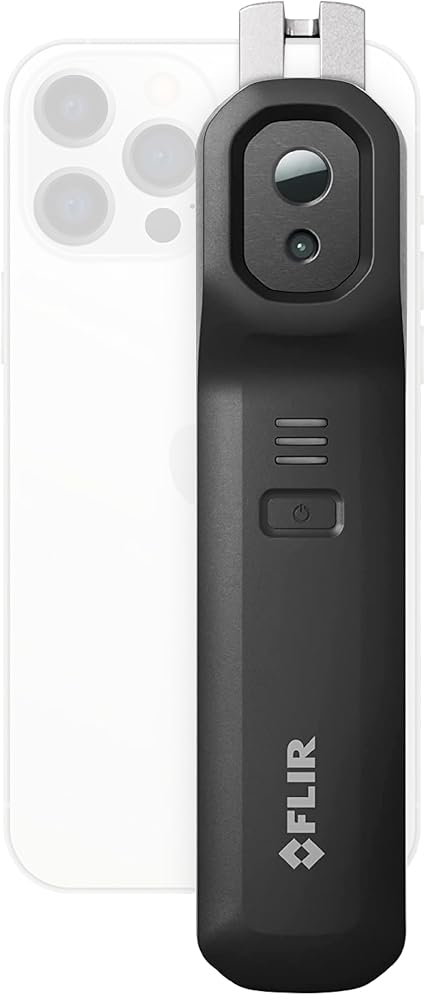
Best Thermal Camera for Water Leak Detection (2026)
Top pick: FLIR ONE Edge Pro Thermal Camera for Smartphones· $489
Read the guideFrequently Asked Questions
What is the difference between a water alarm and a smart shutoff valve?
An alarm tells you; a shutoff valve acts. A water alarm or leak sensor detects water and sounds a siren or sends a notification, which works only if somebody is there to respond.
An automatic shutoff valve monitors flow on the main line and closes it when the pattern looks like a leak, which is what limits damage while the house is empty. Most homes benefit from sensors at the likely sources plus a shutoff valve if the budget allows.
Where should I put water leak sensors?
Start with the water heater, then the washing machine, then the sump pit — those three account for most indoor floods. After that, under sinks with disposals, behind the dishwasher and beside the furnace condensate line.
A sensor is only useful where the water will actually reach it first, so place it on the floor at the lowest point near the appliance rather than behind or beside it.
Do I need a pin or pinless moisture meter?
Pinless for surveying finished rooms, pin-type for verifying a specific material. A pinless meter reads through drywall and flooring without leaving holes, so you can sweep a whole wall to map the wet area.
A pin meter gives a truer reading of moisture content at a known depth, which is what IICRC dry standard is measured against, but every reading leaves two holes. Most homeowners want pinless; professionals carry both.
Does a thermal camera detect moisture?
NoAnd this is the most common misunderstanding about them. A thermal camera reads surface temperature, and wet material shows up cooler because evaporation cools it.
That makes it excellent for spotting the shape and extent of a leak behind a wall very quickly, but a cold spot can also be a draught, a pipe or missing insulation. Always confirm with a moisture meter before opening anything up.
Who do I call right now for water damage?
Call (888) 840-6512. The line is answered 24 hours a day, seven days a week, and connects you with an IICRC-certified water damage restoration company that serves your area. Describe what you can see — where the water is coming from, how long it has been there, and whether it smells — the more specific you are, the faster the right company is on the line.
If the source is a pipe or an appliance, shut the main water valve first. Have four things ready and the call goes quickly: the address, when the water started, what is wet now, and whether you have filed an insurance claim.
Still not sure which of these is your situation? (888) 840-6512 · toll-free · answered 24/7