
Quick answer
An LG washer leaking from the bottom is usually one of five parts, checked in this order: the drain pump filter cap (front-left panel — most common), the drain hose connection, a torn door boot seal on front-loaders (water exits underneath), an internal tub-to-pump hose, or detergent drawer overflow. Four of the five are 15-minute DIY checks — and the floor under the machine needs checking with the same urgency as the machine itself. Call (888) 840-6512 to reach a certified water damage restoration company in your area; the line is answered 24/7.
Written & reviewed by Marcus ReedIICRC WRT
Reviewed August 19, 2026· Next review Feb 2027
LG Washer Leaking From the Bottom: Start Here
A puddle under an LG washer has five usual suspects, and four of them are 15-minute checks you can do without tools. This guide runs the diagnostic in the right order — most-likely first — then covers the part every appliance forum skips: what the water did to the floor while you were troubleshooting.
The Five Causes, In Order of Likelihood
| # | Cause | Telltale | Fix cost |
|---|---|---|---|
| 1 | Drain pump filter cap | wet at front-left access panel | $0 — clean & rethread |
| 2 | Drain hose | leak only while draining | $15 – $40 |
| 3 | Door boot seal (front-load) | water inside door glass line, exits under cabinet | $40 – $90 part |
| 4 | Internal tub-to-pump hose | steady leak, all external points dry | $150 – $350 tech visit |
| 5 | Detergent drawer overflow | suds/water down the front early in cycle | $0 — dosage fix |
Cause 1: The Drain Pump Filter (Check This First)
LG puts the drain pump filter behind the small access panel at the front-left base — and it is the most common source of a bottom leak. Lint, coins, and hair ties collect in it; the cap loosens or cross-threads after a cleaning; water seeps every cycle. Towel down, unscrew slowly (it releases a surprising amount of trapped water), clear the debris, and rethread it straight until snug. If the leak stops, you fixed it without spending anything.
Cause 2: The Drain Hose
If the puddle appears only when the machine drains, the pressure of draining is finding a gap: the hose clamp at the cabinet, a crack in an aging hose, or a standpipe that overflows because the hose is inserted too deep (it siphons) or sealed airtight (it backs up). Pull the machine forward and watch one full drain with a flashlight.
Talk to a water damage pro now
Answered 24/7 · Toll-free · answered 24/7 · no obligation
(888) 840-6512- Describe the damage & give your ZIP
- You're routed to the on-call local crew
- They quote — you decide, no obligation
Cause 3: The Door Boot Seal — the Great Misdirector
On LG front-loaders, a torn boot seal is the leak that lies about its location. Water escapes at the door, runs down *inside* the cabinet, and exits underneath — looking exactly like a base leak. Run a finger around the gasket's inner fold: tears, pinholes, gritty debris, or black mold patches mean the seal is done. Parts run $40–$90; the swap is an hour of patient work with a spring clamp, and dozens of model-specific videos walk it through.
Causes 4 & 5: Internal Hose and Detergent Overflow
Suds early in the cycle running down the front panel is a dosage problem — excess or non-HE detergent backing out of the dispenser. Free fix. But if the filter, hoses, boot and drawer are all dry and the machine still leaks, the tub-to-pump plumbing inside has failed: that is a $150–$350 technician visit, and on a washer past 8 years, price it against replacement before booking.
Now the Part That Costs More Than the Washer: Your Floor
Every week this leak ran, water wicked into what's under and behind the machine. Before you push it back:
- Pull it fully out and touch the floor and baseboard. Swollen laminate edges, dark grout lines, soft subfloor, or a musty smell mean the water spread.
- A $30 pin moisture meter settles it: wood subfloor above 16% MC is wet, whatever it looks like. Laundry rooms over living space show up as ceiling stains below — check that ceiling.
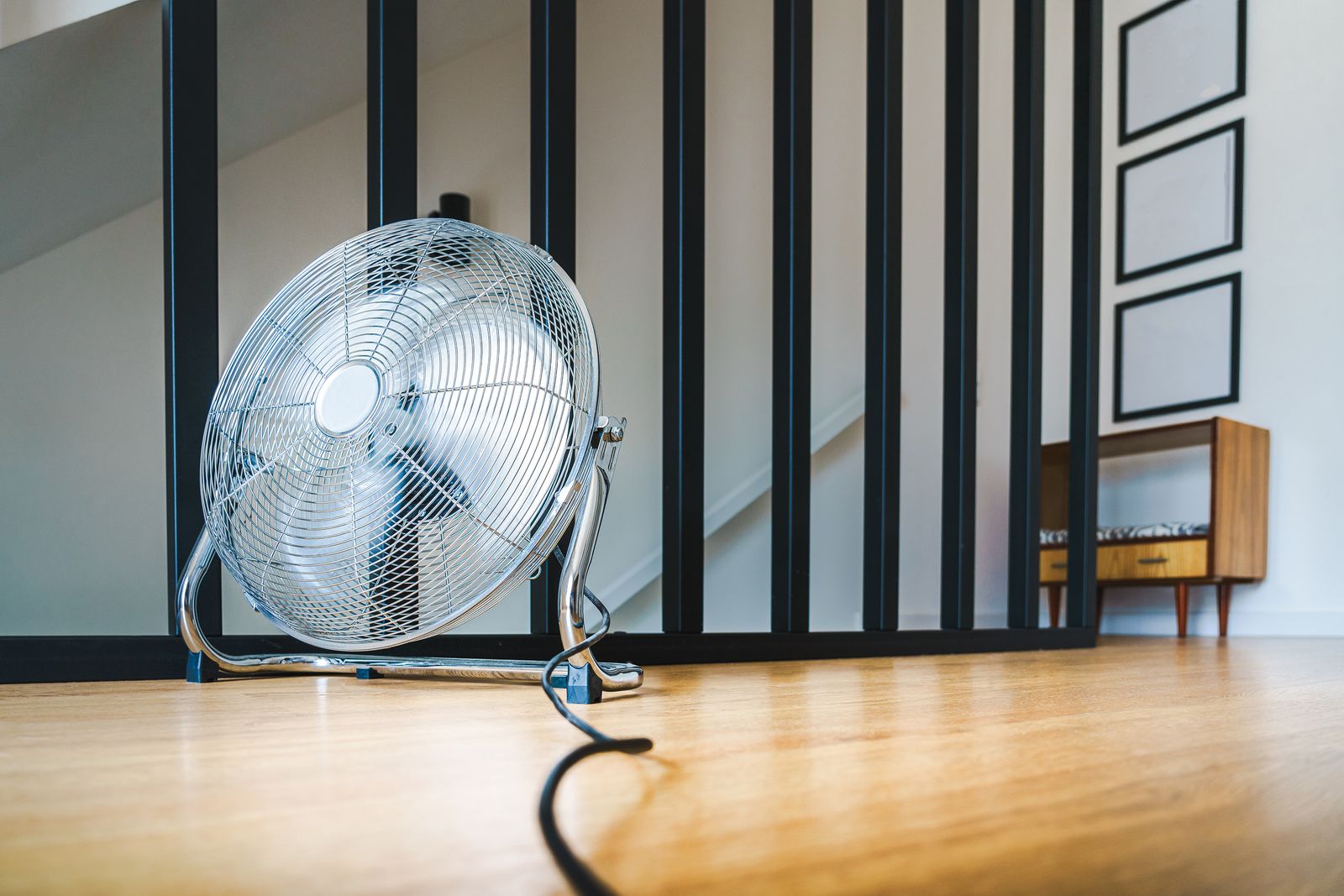
- Dry the cavity properly: fan plus dehumidifier for 2–3 days with the machine out, not pushed back over damp subfloor where mold establishes within 24–48 hours.
- Photograph before drying. Sudden appliance leaks are commonly covered by homeowners insurance; gradual ones get disputed — documentation decides which way yours goes.
If the floor reads wet beyond the immediate cavity — or the room below shows staining — that's past DIY drying. Who to call for water damage covers the plumber-vs-restoration decision in five minutes, and our general washer leak guide covers non-LG machines.
Bottom Line
Check the drain pump filter, watch a drain cycle, feel the boot seal, watch the drawer — four free checks find most LG bottom leaks in fifteen minutes. Fix the machine, but grade the floor with the same seriousness: the washer costs $700 to replace; the subfloor and the ceiling below it cost multiples of that to ignore.
Reading to confirm what you already suspect?
Confirm it in two minutes instead — the pro on this line answers questions about YOUR situation all day: what it is, what it should cost, whether you even need service. If you want, they'll set the appointment on the same call.
Toll-free · no obligation · asking costs nothing
Frequently Asked Questions
Why is my LG washer leaking from the bottom?
The five most common causes, in order: a loose or worn drain pump filter cap (front-left access panel), a cracked or loose drain hose connection, a torn door boot seal on front-loaders (water runs down inside the cabinet and exits underneath), a failed internal tub-to-pump hose, and detergent drawer overflow from excess or wrong detergent. The location and timing of the puddle identifies which.
Is it safe to run an LG washer that leaks from the bottom?
NoStop using it until the source is found.
Every cycle pushes more water under the machine, and laundry-area floors (often above subfloor or finished ceilings) absorb it invisibly. Water plus a running motor is also an electrical risk. Diagnose first; most causes are 15-minute checks.
How much does it cost to fix a leaking LG washer?
DIY fixes are cheap: a drain pump filter clean is free, a drain hose is $15–$40, a door boot seal is $40–$90 in parts (an hour of careful labor).
An appliance tech visit runs $150–$350 including common parts. Compare that against the machine's age — repairs above 50% of replacement cost on a 8+ year old washer rarely pay.
Does LG's warranty cover a leaking washer?
LG's standard warranty covers the drum for years but general parts and labor typically for one year — most leak repairs on older machines are out of pocket.
What no appliance warranty covers is the floor: water damage to subfloor, drywall or the ceiling below is a homeowners insurance question, and sudden leaks are commonly covered there.
What should I do about the floor under a leaking washer?
Pull the machine out and check with your hand and ideally a moisture meter: subfloor reading over 16% moisture content, swollen laminate edges, or stains on the ceiling below all mean the water spread beyond the visible puddle.
Dry the cavity with a fan and dehumidifier for 2–3 days, and photograph everything first in case it becomes an insurance claim.
Who do I call right now for water damage?
Call (888) 840-6512. The line is answered 24 hours a day, seven days a week, and connects you with an IICRC-certified water damage restoration company that serves your area. Describe what you can see — where the water is coming from, how long it has been there, and whether it smells — the more specific you are, the faster the right company is on the line.
If the source is a pipe or an appliance, shut the main water valve first. Have four things ready and the call goes quickly: the address, when the water started, what is wet now, and whether you have filed an insurance claim.
Still not sure which of these is your situation? (888) 840-6512 · toll-free · answered 24/7
Sources
Methodology: How we source and verify data · Report an error
Disclaimer: HearthDry is an independent educational resource. This article is for informational purposes only and does not constitute professional, legal, or insurance advice. Consult licensed professionals before making decisions about your property or insurance claims.
Watch
Source: RepairClinic.com — YouTube
Free 2-day shipping
Amazon Prime members pay no shipping on restoration equipment
Dehumidifiers, air movers, and moisture meters qualify for free Prime delivery — bulk items that otherwise cost $15–$40 to ship.
Affiliate link — HearthDry earns a bounty if you sign up; costs you nothing extra.
Equipment
What each machine actually does
Removes the moisture the structure is still giving off — the machine that decides how long drying takes
See the picks →Moves air across wet surfaces so the dehumidifier has something to take out of the air
See the picks →Finds water behind walls and under floors, and tells you when a material is actually dry
See the picks →Alerts you the moment a leak starts — the cheapest thing on this list and the only preventive one
See the picks →Those pages carry affiliate links. As an Amazon Associate, HearthDry earns from qualifying purchases; it costs you nothing extra.
Our Amazon storefront →Advertisement
