
Quick answer
A Samsung washer leaking from the bottom is checked in this order: debris filter cap behind the front panel (most common — clean and rethread), drain hose during a drain cycle, door diaphragm fold on front-loaders (water exits underneath), dispenser overflow from excess detergent, and finally internal tub/pump seals ($150–$350 tech visit). Check the floor under the machine with the same urgency — slow leaks soak subfloor invisibly. Call (888) 840-6512 to reach a certified water damage restoration company in your area; the line is answered 24/7.
Written & reviewed by Marcus ReedIICRC WRT
Reviewed August 19, 2026· Next review Feb 2027
Samsung Washer Leaking From the Bottom: The Fast Diagnostic
Samsung's front-loaders share one habit with every front-loader: when they leak from the bottom, the source is usually somewhere else — the water just *exits* at the bottom. Here is the five-check order that finds the real source in fifteen minutes, what each fix costs, and the floor inspection that matters more than the machine.
The Five Causes
| # | Cause | Telltale | Fix cost |
|---|---|---|---|
| 1 | Debris filter cap | wet around front access panel | $0 |
| 2 | Drain hose | leaks only while draining | $15 – $40 |
| 3 | Door diaphragm (front-load) | water line inside door, exits under cabinet | $50 – $110 part |
| 4 | Internal tub / pump seal | steady leak, externals dry | $150 – $350 visit |
| 5 | Dispenser overflow | suds down front early in cycle | $0 — dosage |
Cause 1: The Debris Filter — Samsung's Usual Suspect
Behind the rectangular panel at the front base sits the debris filter Samsung tells owners to clean monthly (almost nobody does). Lint mats, coins and bra wires collect until water finds a way past the cap — or the cap goes back cross-threaded after a cleaning. Open the panel, drain the little emergency tube into a tray, unscrew the cap slowly, clear it, rethread straight. Free, and the most common cure.
Cause 2: The Drain Hose
A puddle that appears only at drain time is pressure finding a gap. Pull the machine forward, run a rinse-and-spin, and watch: the clamp where the hose meets the cabinet, cracks along the hose, and the standpipe — a hose shoved too deep siphons water back out; one sealed airtight makes the pipe overflow.
Talk to a water damage pro now
Answered 24/7 · Toll-free · answered 24/7 · no obligation
(888) 840-6512- Describe the damage & give your ZIP
- You're routed to the on-call local crew
- They quote — you decide, no obligation
Cause 3: The Door Diaphragm
The rubber diaphragm around the door is the misdirection artist: a pinhole tear lets water run down *inside* the front panel and out the bottom, presenting as a base leak. Sweep the inner fold with your fingers — tears, grit, or slick black buildup mean replacement ($50–$110 part, an hour of careful DIY with the spring clamp, or bundled into a tech visit).
Causes 4 & 5: Seals and Suds
Oversudsing backs water out of the dispenser and down the face — a free fix (halve the detergent, HE-rated only; Samsung drums need less than the cap line suggests). But when filter, hose, diaphragm and dispenser are all dry, what remains is internal: tub-to-pump plumbing or the tub seal. That's a $150–$350 technician job — worth it on a young machine, worth pricing against replacement past year eight.
The Floor: Where This Gets Expensive
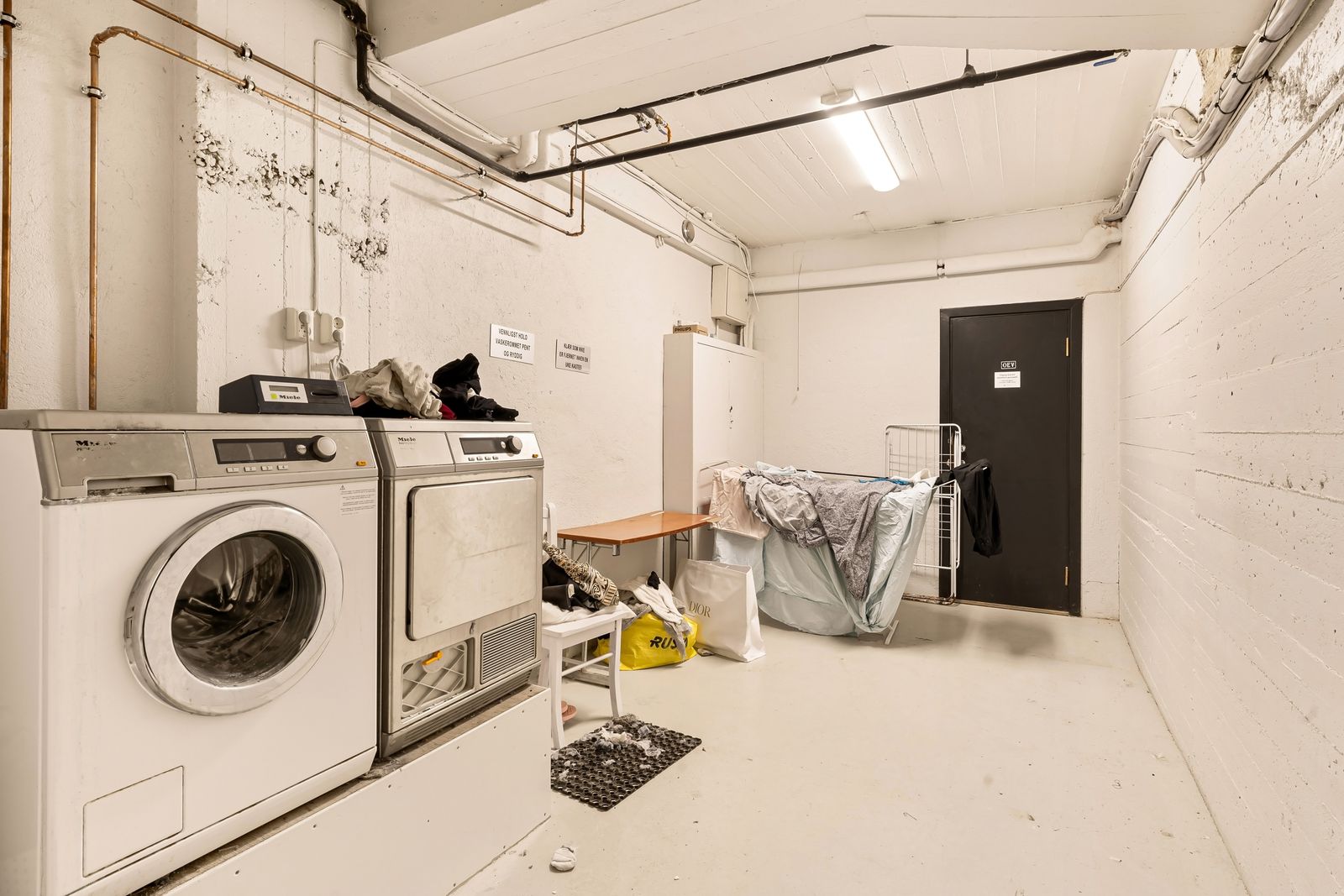
The machine is the cheap half of a washer leak. Slow bottom leaks run for weeks before the puddle finally shows, and all that time the water is wicking into subfloor, baseboard, and — for upstairs laundry — the ceiling below.
Before pushing the machine back:
- Touch-test the cavity floor and baseboards, and check the ceiling under an upstairs laundry for stains.
- Meter it if possible — wood subfloor above 16% moisture content is wet regardless of appearance.
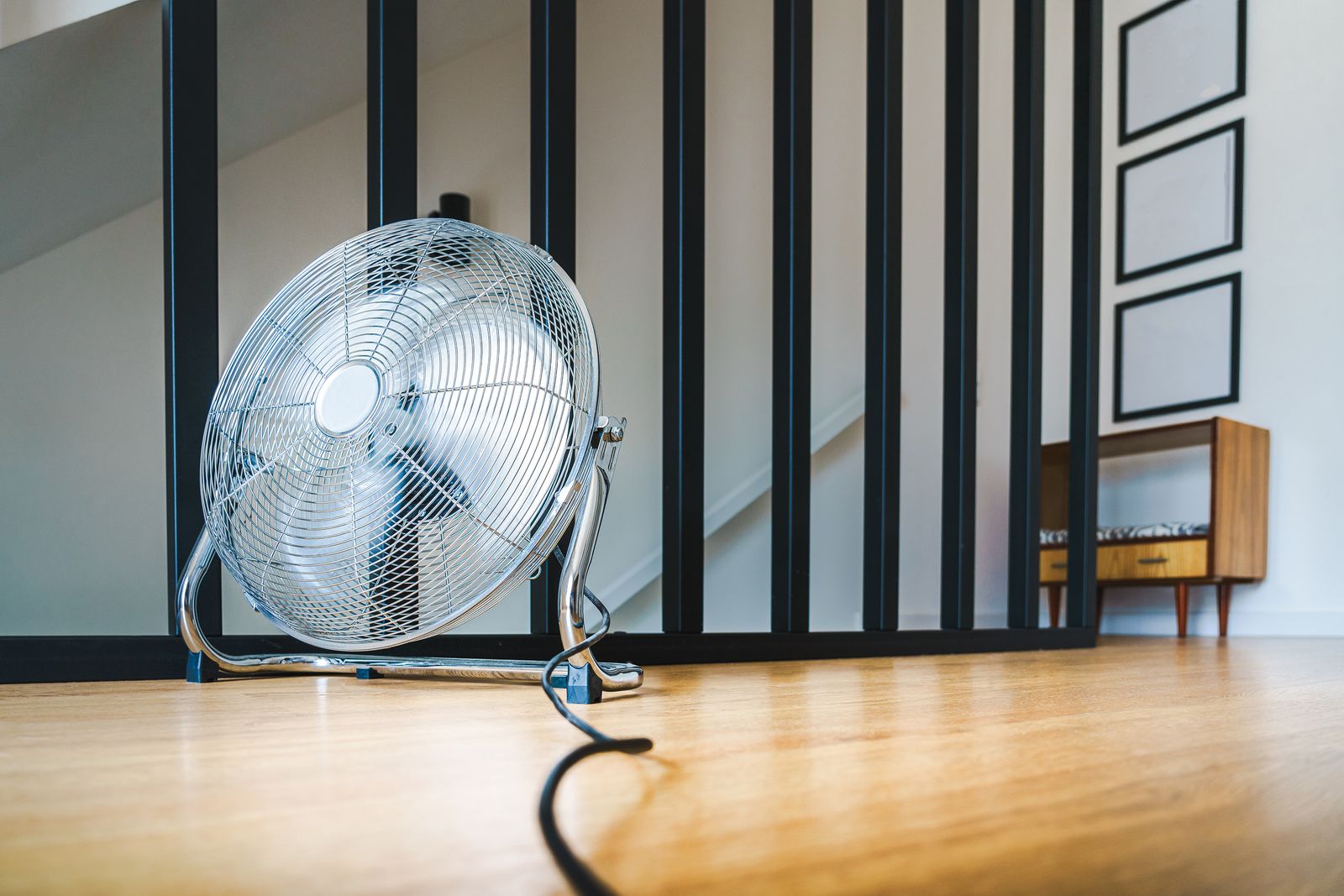
- Dry it properly: machine out, fan plus dehumidifier, 2–3 days. Pushing the washer back over damp subfloor grows mold in the dark (the 24–48 hour window applies here too).
- Photograph everything before cleanup. Sudden appliance failures are commonly covered by homeowners insurance — the floor, not the washer — and documentation is what separates paid claims from disputed ones.
Wet beyond the cavity, soft subfloor, or a stained ceiling below means the drying job outgrew DIY — who to call for water damage sorts the next step. For non-Samsung machines, our general washer leak guide runs the same diagnostic for every brand, and LG owners have a dedicated LG version.
Bottom Line
Debris filter, drain cycle, diaphragm sweep, dispenser watch — four free checks isolate most Samsung bottom leaks in fifteen minutes, and the fifth answer is a $150–$350 visit you can price against the machine's age. Then give the floor the same fifteen minutes; it is the part of this leak that actually gets expensive.
Reading to confirm what you already suspect?
Confirm it in two minutes instead — the pro on this line answers questions about YOUR situation all day: what it is, what it should cost, whether you even need service. If you want, they'll set the appointment on the same call.
Toll-free · no obligation · asking costs nothing
Frequently Asked Questions
Why is my Samsung washer leaking from the bottom?
In order of likelihood: a loose or clogged debris filter cap behind the front access panel, a drain hose issue (visible only while draining), a torn door diaphragm on front-loaders (water travels down inside the cabinet and exits underneath), a failed internal tub or pump seal, or dispenser overflow from too much or non-HE detergent.
Where is the debris filter on a Samsung washer?
Behind the small rectangular panel at the front base (bottom-right on most front-loaders). Press the panel open, drain the emergency hose into a tray first, then unscrew the filter cap counterclockwise. Samsung recommends cleaning it monthly — a clogged or cross-threaded cap is the most common bottom leak.
How much does a Samsung washer leak repair cost?
Debris filter cleaning is free; a drain hose runs $15–$40; a door diaphragm is $50–$110 in parts plus about an hour of labor if DIY. A technician visit for internal seals runs $150–$350. On machines past 8 years, compare any quote over 50% of replacement cost against a new unit.
Can a leaking washer damage the floor?
It usually already has by the time you notice: slow bottom leaks wick into subfloor and baseboards invisibly.
Pull the machine out, check with a moisture meter (wood over 16% MC is wet), look for swollen laminate and check any ceiling below. Dry the cavity 2–3 days with a fan and dehumidifier before pushing the machine back.
Will insurance cover water damage from my Samsung washer?
Homeowners insurance commonly covers sudden and accidental appliance leaks — the resulting floor and ceiling damage, not the machine itself. Gradual leaks that ran for weeks get disputed, which is why photos of the machine, the source, and the damage before cleanup materially strengthen a claim.
Who do I call right now for water damage?
Call (888) 840-6512. The line is answered 24 hours a day, seven days a week, and connects you with an IICRC-certified water damage restoration company that serves your area. Describe what you can see — where the water is coming from, how long it has been there, and whether it smells — the more specific you are, the faster the right company is on the line.
If the source is a pipe or an appliance, shut the main water valve first. Have four things ready and the call goes quickly: the address, when the water started, what is wet now, and whether you have filed an insurance claim.
Still not sure which of these is your situation? (888) 840-6512 · toll-free · answered 24/7
Sources
- Samsung Support — Washing Machine Leaks Water
- IICRC S500 Standard for Professional Water Damage Restoration
Methodology: How we source and verify data · Report an error
Disclaimer: HearthDry is an independent educational resource. This article is for informational purposes only and does not constitute professional, legal, or insurance advice. Consult licensed professionals before making decisions about your property or insurance claims.
Watch
Source: how-2-repair.com — YouTube
Free 2-day shipping
Amazon Prime members pay no shipping on restoration equipment
Dehumidifiers, air movers, and moisture meters qualify for free Prime delivery — bulk items that otherwise cost $15–$40 to ship.
Affiliate link — HearthDry earns a bounty if you sign up; costs you nothing extra.
Equipment
What each machine actually does
Removes the moisture the structure is still giving off — the machine that decides how long drying takes
See the picks →Moves air across wet surfaces so the dehumidifier has something to take out of the air
See the picks →Finds water behind walls and under floors, and tells you when a material is actually dry
See the picks →Alerts you the moment a leak starts — the cheapest thing on this list and the only preventive one
See the picks →Those pages carry affiliate links. As an Amazon Associate, HearthDry earns from qualifying purchases; it costs you nothing extra.
Our Amazon storefront →Advertisement
