
Crawl Space Water Removal in Layton, UT
Most crawl space water removal jobs cost $1,200–$6,000; the final price depends on how much of the home is affected and what is found. The line is answered 24/7 and reaches an IICRC-certified restoration company covering Layton.
Standing water under the house means wet joists and a musty upstairs — certified crews pump it out, dry the framing and find where it got in.
- Pump-out and extraction of standing water
- Removal of wet insulation and debris
- Drying of joists and subfloor with logged readings
Why Layton homes see this
- Kays Creek overbank flooding
- Ice dam formation on roofs
- Sump pump failure
Low-lying areas in South Layton adjacent to Kays Creek experience periodic flooding after rapid snowmelt or heavy thunderstorms when the creek overtops its banks; older neighborhoods along the U.


Answered 24/7
Talk to a company that covers Layton
Crawl Space Water Removal
Call (888) 840-6512Toll-free · no obligation · no charge for the referral
- 1Press 1 for water damage, 2 for mold
- 2Enter your 5-digit ZIP, then stay on through about 30 quiet seconds
- 3A company covering your address picks up and gives you an arrival window
Have ready
- • Address and ZIP
- • When it started
- • What is wet now
- • Claim opened yet?
Covers Layton & Davis County · 84040 · 84041
Quick answer
Crawl space water removal pumps out standing water, dries the joists and subfloor, and removes saturated insulation and vapor barrier. Typical cost is $1,200–$6,000 over about three days. Because crawl space air rises into the house, moisture left down there becomes a whole-home humidity and odour problem, not just a structural one. In Layton, UT, water damage jobs run $1,500–$8,500 for a residential home. Call (888) 840-6512 to reach a certified water damage restoration company serving Layton, UT; the line is answered 24/7.
Sound like your situation? Skip the rest of the reading — the Layton line confirms it and gives you an arrival window for your address: (888) 840-6512 · toll-free · no obligation
What Crawl Space Water Removal Involves
What causes it
- Plumbing leaks running unnoticed under the floor
- Ground water rising through the soil after sustained rain
- Exterior grading directing runoff toward the foundation
- Clogged or missing foundation drains
- HVAC condensate discharging under the house
How the work is done
- 1Look and photograph from the access hatch. Do not enter standing water — wiring and gas lines run through crawl spaces. Film the water, insulation condition, and anything floating from the opening.
- 2Rule out a plumbing source fast. Check the water meter with fixtures off and listen for hissing under the floor. A supply leak means shutting the main now, not after the pump-out.
- 3Walk the exterior for the entry story. Downspouts dumping at the foundation, soil sloping toward the house, or a clogged drain grate usually explain ground-water events in one lap of the yard.
- 4Turn off HVAC if ducts run through the water. Flooded ductwork spreads humid, contaminated air through the house. Keep the system off until ducts are inspected.
- 5Call a certified crew with crawl-space equipment. Ask about low-clearance pumps, insulation removal, and moisture-source identification. A wet-vac visit is not the same service.
- 6Get moisture readings and the source in writing. Before the crew leaves: framing moisture numbers and the identified water source. Those two lines decide whether you need drainage work or just a dry-out.
Work follows IICRC S500. Typical duration 3 days; national cost range $1,200–$6,000.
Crawl Space Water Removal in Layton: the numbers
What this work actually costs and takes locally — and what a certified pro confirms for your exact address in one call.
| What | Layton figure | What it means |
|---|---|---|
| Typical cost range | $1,500 – $8,500 | Layton homes; your job is quoted on the call |
| Typical duration | 3 days | On site; drying-dependent work can run longer |
| Typical structural drying | 3–5 days | Verified with moisture meters, not guessed |
| Line answered | 24/7 | A short menu asks for your ZIP first |
| Work standard | IICRC S500 | The written industry standard for this work |
| Service area | Layton, Davis · 2 ZIP codes | Routed to a pro covering your ZIP |
What moves the price
Affected area, how long moisture sat, whether porous materials come out, and equipment days.
What moves the timeline
Daily moisture readings decide the end date — a job ends when materials hit dry standard.
What never changes
Work follows IICRC S500, and costs are explained before anything is agreed.
A range is national. Your number is a two-minute conversation.
Describe the room and what you're seeing — a certified Layton pro gives you the real figure and arrival window, with no obligation.
What to do in Layton before help arrives
- 1Stop the sourceFixture or appliance valve if you know it, the main shut-off if you don't.
- 2Cut power to wet roomsWater tracks along wiring to outlets and fixtures before it pools.
- 3Photograph before cleanupTimestamped photos of the source, the water line and every wet item.
- 4Lift what's porousRugs up, furniture on blocks or foil, boxes off the floor.
Not sure which of these applies to your situation? Call (888) 840-6512 and describe what you're looking at — the pro walks you through the next ten minutes while a crew is arranged. Full response guide →
Three ways Layton homeowners handle this
Two of them cost more than they look. Here is the honest comparison.
Calling companies yourself
- You dial down a list until someone answers
- Each company scopes and quotes differently
- License and insurance checks are on you
- Nights and weekends are voicemail roulette
Waiting to see if it dries
- Mold begins within 24–48 hours on wet material
- Hidden moisture keeps spreading behind finishes
- Insurers question delayed mitigation
- A drying job becomes a rebuild job
One call to this Layton line
- Describe it once — routed to a pro covering your ZIP
- IICRC-certified, licensed and insured companies
- Costs explained before anything is agreed
- Answered 24/7, menu first, then a person
Pros in this network carry




Answered right now — 24/7
Get crawl space water removal answers for your Layton address
Tonight's emergency or next week's appointment — the same call books whichever you need.
Call (888) 840-6512No obligation · costs explained before any work
Equipment and reading for crawl space water removal
Whether you hire a crew in Layton or handle part of it yourself, these are the tools the job actually needs and the background worth reading first.
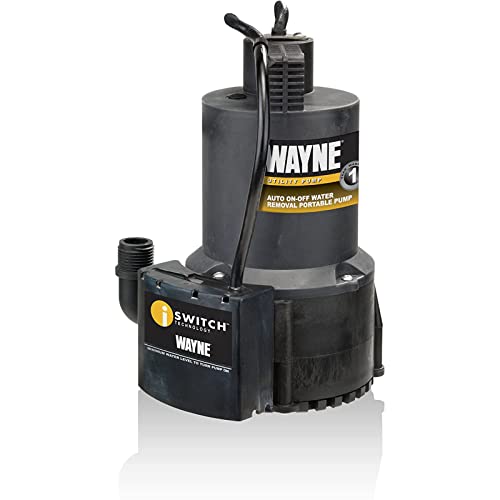
Best Submersible Water Pumps for Flood Removal (2026)
Top pick: Wayne EEAUP250 1/4 HP Submersible Multi-Use Pump

Best Crawl Space Dehumidifiers (2026)
Top pick: ALORAIR Sentinel HD55 Crawl Space Dehumidifier (53 Pints/Day AHAM)

Best Crawl Space Vapor Barrier (2026)
Top pick: Crawldryer 10-mil Crawl Space Vapor Barrier (10 × 100 ft)
Why Layton Homes Face Crawl Space Water Removal Risks
Local geography, climate, and housing stock all affect how water damage occurs in Layton. These are the most common causes our certified teams respond to in this area.
- 1Kays Creek overbank flooding during spring Wasatch snowmelt
- 2Ice dam formation on roofs during Davis County winter temperature inversions
- 3Sump pump failure during rapid spring runoff events
- 4Irrigation system and supply line failures from freeze-thaw cycling
Local Risk Notes
Low-lying areas in South Layton adjacent to Kays Creek experience periodic flooding after rapid snowmelt or heavy thunderstorms when the creek overtops its banks; older neighborhoods along the U.S. 89 corridor have aging water mains prone to winter burst events that can go undetected in finished basements.
UT Insurance Tip
Utah homeowners should add a water-backup and sump-overflow endorsement to their standard HO policy, as flooding from snowmelt is excluded; properties near Kays Creek or the Great Salt Lake marshland edge should verify their FEMA flood zone designation and consider an NFIP policy.
Crawl Space Water Removal in Layton — FAQs
- ✓National range for crawl space water removal: $1,200–$6,000
- ✓The spread is size, water category and how long materials stayed wet — no article can price YOUR rooms.
How fast can you get crawl space water removal help in Layton?
As fast as a crew is free — the line is answered 24/7 and the pro gives you a real arrival window for your Layton address on the call, because it depends on the hour, the crew load and where you are.
Active water is prioritised over scheduled work; assessments that are not urgent are usually booked same-day or next-day, whenever suits you.
What does crawl space water removal cost in Layton?
Layton rates: $1,500–$8,500 for residential projects (3.5–11 per sq ft).
Skip the estimating: the Layton line quotes your exact job in one call — (888) 840-6512 (toll-free, no obligation).
How do I know there is water in my crawl space?
The house usually tells you before you look: musty smells rising through floors, cupping hardwood, cold damp floors, higher indoor humidity, or pest activity.
Confirm with a flashlight at the access hatch — standing water, wet insulation hanging low, or shiny soil all mean the space needs attention now, not next season.
Is water under the house really a problem if we do not use the space?
YesBecause the crawl space is the house's air supply: a large share of indoor air rises from below through gaps and penetrations.
Moisture down there becomes humidity, odor, and mold spores upstairs, while structurally it rots joists and rusts ducts. An unused space still conditions the home you live in.
What does crawl space water removal cost?
Pump-out and drying for a typical crawl space runs $1,200–$3,000. Add insulation removal and replacement, antimicrobial treatment, or debris haul-out and projects reach $4,000–$6,000. Correcting the cause — grading, gutters, drains, or a sump system — is priced separately and is the part that prevents a repeat.
Will the water come back after removal?
It will if the source is not fixed. Ground water and drainage issues recur with the next heavy rain unless grading, gutters, or a crawl-space sump handle the inflow.
Plumbing sources stay fixed once repaired. Ask the crew to identify the source category in writing — that answer decides whether you also need drainage work or encapsulation.
Should I encapsulate after the water is removed?
If the space has repeat moisture from ground sources, encapsulation (sealed vapor barrier, sealed vents, dehumidifier) is the durable fix and pays back in air quality and energy.
If this was a one-time plumbing leak dried promptly, a standard vapor barrier and monitoring may be enough. Dry it first; decide with the moisture history in hand.
What does crawl space water damage look like from inside the house?
Usually you smell it before you see it. Musty air in the rooms above, cupping or springy floorboards, cold floors in winter, and higher-than-normal humidity upstairs all point down rather than up.
By the time a ceiling stain or visible mold appears at floor level, the crawl space has been wet for a while. The check is quick: if the vapor barrier is puddled, the soil is dark and damp, or the joists read high on a moisture meter, there is water to remove.
There is standing water in my crawl space — what do I do first?
Find out whether it is still arriving before anything else, because pumping out a space that is still filling achieves nothing. Check whether it followed rain (drainage or grading), whether it is present in dry weather (a plumbing leak or groundwater), and whether it smells (a sewer line rather than clean water).
Then shut off the water main if a supply leak is plausible, and keep out of the space if the water is anywhere near wiring or the water may be contaminated. Removal is the first stage of the job; drying the joists and subfloor to measured readings is what stops it becoming a mold problem upstairs.
Why is there water under my house when it has not rained?
Rain-independent water has three usual sources and each has a different fix. A plumbing leak — a supply line, a drain, or a water heater relief line discharging under the house — runs constantly and is the one to rule out first because it is doing damage every hour.
A high water table pushes moisture up through the soil seasonally, worst during snowmelt or after a long wet spell. Irrigation is the one people miss: a broken lateral or a sprinkler pointed at the foundation puts water under the house on a timer nobody associates with the crawl space.
Who do I call right now for water damage?
Call (888) 840-6512. The line is answered 24 hours a day, seven days a week, and connects you with an IICRC-certified water damage restoration company that serves your area. A recorded menu picks up first: choose water damage or mold, key in your 5-digit ZIP code, and hold through the short silence while the call is passed to the company.
Describe what you can see — where the water is coming from, how long it has been there, and whether it smells — the more specific you are, the faster the right company is on the line. If the source is a pipe or an appliance, shut the main water valve first. Have four things ready and the call goes quickly: the address, when the water started, what is wet now, and whether you have filed an insurance claim.
Still not sure which of these is your situation? (888) 840-6512 · toll-free · answered 24/7
24/7 Emergency Response
We connect you with pros available around the clock — nights, weekends, and holidays.
IICRC-Certified Pros
Referrals go to restoration professionals working to IICRC standards (S500 water, S520 mold).
Ask for License and Insurance
Referred contractors are expected to hold state licensing and liability insurance — ask for both before work starts.
No-Obligation Consultation
Call anytime. Describe the damage, get pointed at the right trade, decide afterwards.
HearthDry is an independent resource and does not perform restoration work. All referred contractors are independently licensed and IICRC-certified.