

Quick answer
Water damage response runs on one clock and three moves. The clock: mold begins colonizing wet porous material within 24–48 hours, so 'wait and see' is the only wrong answer. The moves: (1) STOP — kill the water at its valve (or the main) and cut power to wet rooms; (2) DOCUMENT — timestamped photos of the source, the water line and everything wet, before cleanup; (3) DRY RIGHT — surface-dry what you can, and get a certified crew's moisture readings for anything that reached walls, subfloor or has been wet more than a few hours. Everything else — which pro, what it costs, what insurance pays — hangs off those three, and this guide routes each scenario to its own deep-dive. Call (888) 840-6512 to reach a certified water damage restoration company in your area; the line is answered 24/7.
Press 1 for water damage or 2 for mold, then your 5-digit ZIP. The line goes quiet for about half a minute while it connects — that is normal, stay on. If it does not connect, call once more: companies taking calls change minute to minute.

Written & reviewed by Marcus ReedIICRC WRT
Reviewed September 4, 2026· Next review Mar 2027
The Only Clock That Matters
Every water damage decision sits under one deadline: mold begins colonizing wet porous material within 24–48 hours. Drywall, wood framing, carpet pad, insulation — once they are wet, they are on that clock whether the surface looks dry or not. This single fact explains almost everything professionals do differently from homeowners: they measure moisture instead of trusting eyes, they dry cavities instead of surfaces, and they move on day one instead of day three.
Hold that clock in mind and the rest of this guide is just routing.
The First 60 Minutes
Six moves, in order. They are the difference between a drying job and a reconstruction job.
- 1Stop the water. Fixture valve if you know it, appliance valve behind the machine, main shut-off if you don't. If you cannot name where your main shut-off is right now, finding it today is the highest-value five minutes in this entire guide.
- 2Cut the power. Breakers off for every affected room. Water tracks along wiring paths and reaches outlets, fixtures and cords before it pools anywhere obvious.
- 3Photograph before touching. The source, the water line on walls, every wet room, damaged belongings — timestamped. Insurance claims are won and lost on whether this minute happened.
- 4Rescue the porous. Rugs up, furniture legs on foil or blocks, cardboard boxes off the floor. Porous materials drink fastest and give the water new places to live.
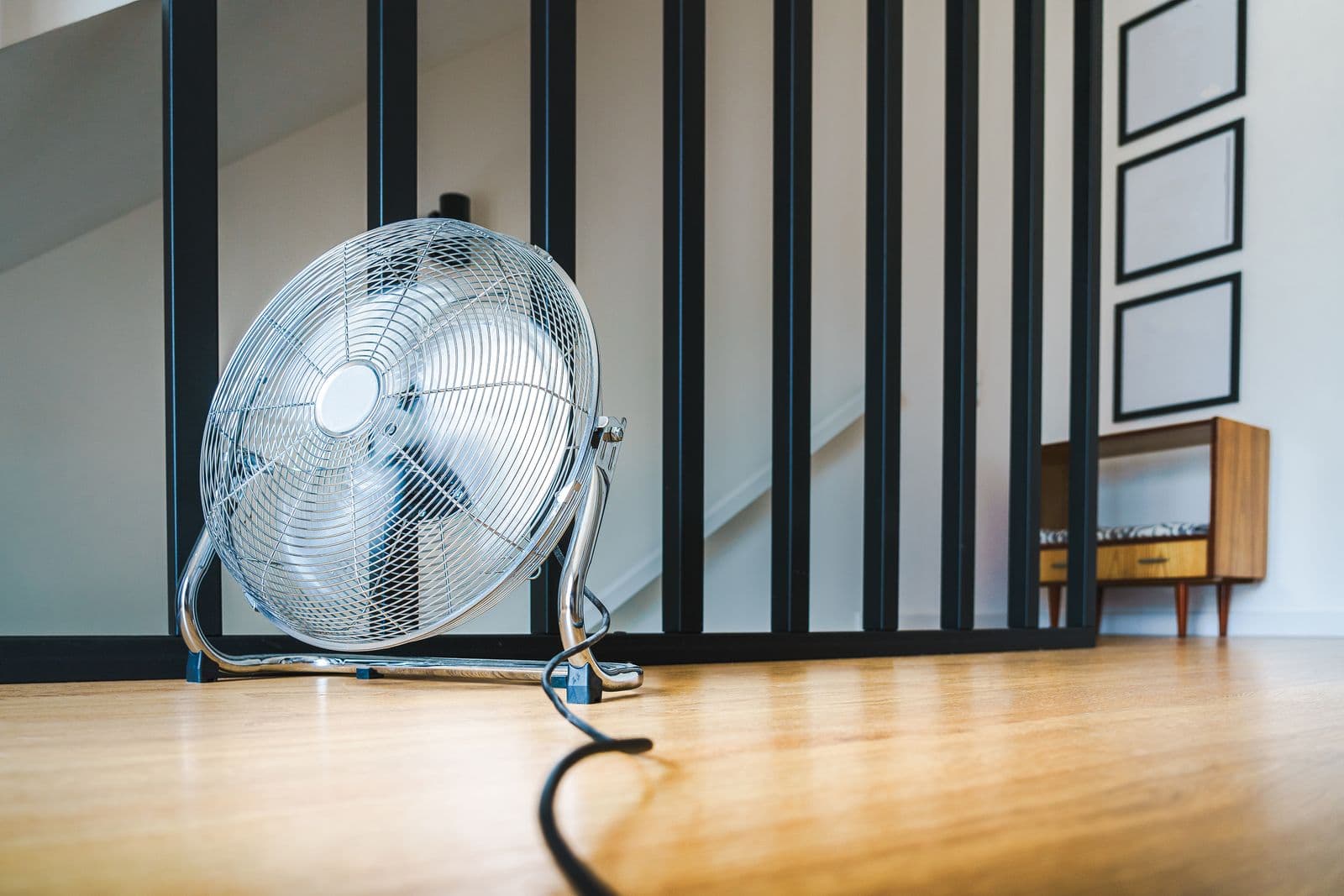
- 5Move air. Open interior doors, run fans across wet surfaces. This helps — and it does not replace measured drying, because it only reaches what you can see.
- 6Route the call. Which scenario are you in? Each one below has its own first pro and its own deep-dive guide.
Which Scenario Are You In?
Burst or leaking pipe. Shut the water, then split the calls: plumber for the pipe, restoration for what it soaked. If water ran more than a few minutes, walls and flooring are involved beyond what you can see. Deep-dive: our burst pipe guide covers the shut-off, the plumber hand-off and the drying scope.
Water through the ceiling. Kill the room's power first — then drain any bulge with a controlled screwdriver hole into a bucket, because a water-heavy panel drops all at once. Rain-timing points at the roof; a bathroom above points at plumbing. Either way the soaked cavity above is a restoration job.
Flooded basement. Don't wade into standing water until power to the basement is off. Basements add two complications: water arrives from more directions (drains, walls, windows, water table) and everything stored there is porous. The basement guide covers pump-out order and what standing water hides.
Sewage backup. Different rules entirely: this is Category 3 water — contaminated, a health matter, and never a mop job. Stop using water in the house, keep family and pets away, and go straight to the sewage guide for the containment-and-disinfection path.
Appliance failure. Washer, dishwasher, water heater, fridge line — the machine is the plumber's or appliance tech's problem; the floor underneath, which has usually been wet longer than you think, is the restoration question. Slow appliance leaks are the classic hidden-damage story.
Clean, Grey, Black: Why the Category Decides Everything
Professionals grade water losses in three categories, and the grade changes the method, the safety rules and the cost more than the gallon count does:
- Category 1 — clean. Supply-line water. Time-sensitive but safe to work around. Caught fast, much of it is dryable in place.
- Category 2 — grey. Washer discharge, overflow without waste, aquariums. Contaminated enough that soaked porous materials are usually removed rather than dried.
- Category 3 — black. Sewage, drain backups, and any water that has stood long enough to grow. Pathogens throughout; protective gear, containment, disposal of everything absorbent it touched.
One practical corollary: clean water left standing doesn't stay Category 1. Time downgrades everything.
What the restoration company does in your home

1.Finds the water you can't see
Moisture meters and a thermal camera at baseboards, under flooring and behind drywall.
2.Pulls out the standing water
Extraction first, then anything soaked that cannot be dried is removed.
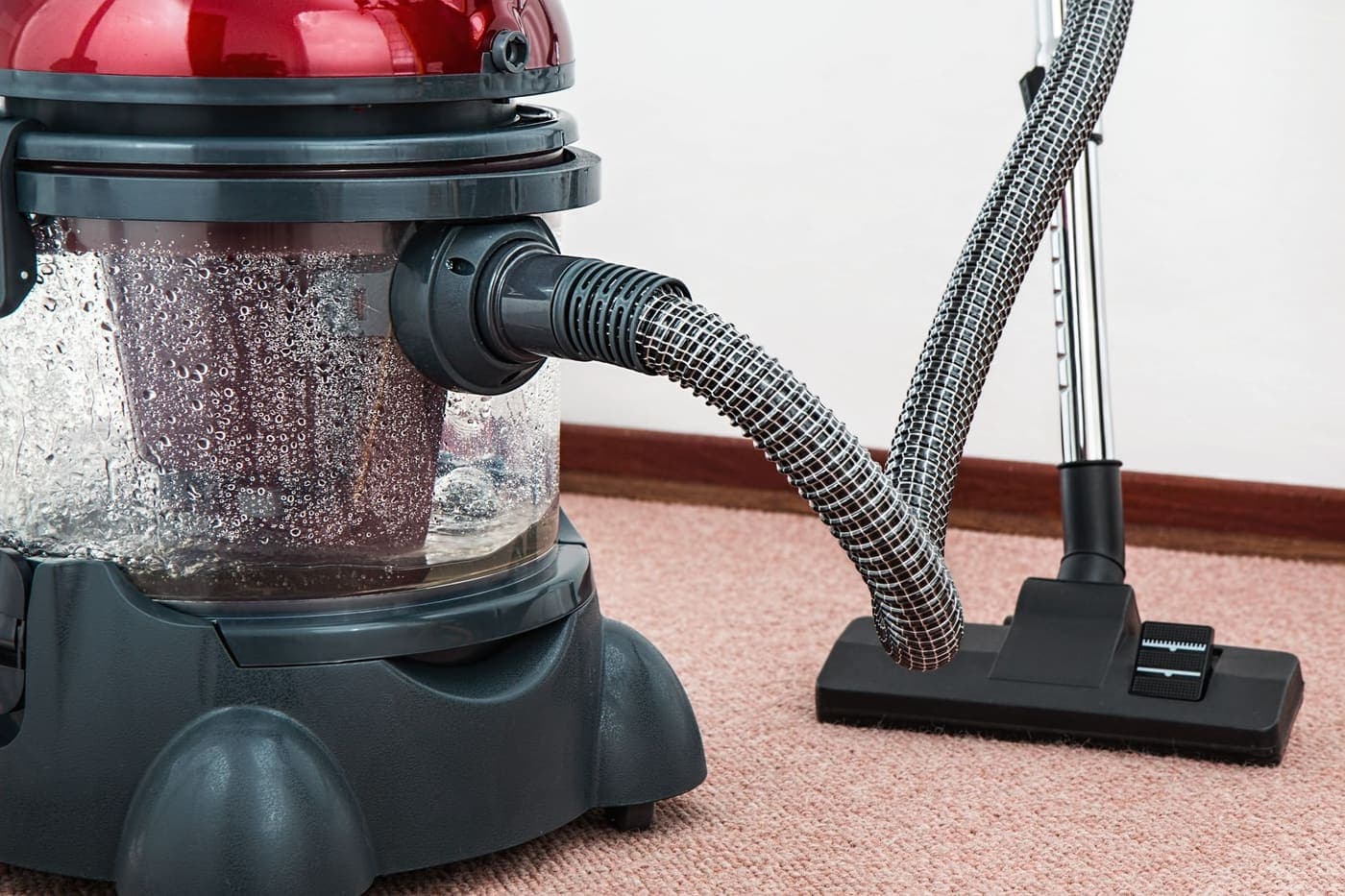
3.Dries it and logs the readings
Air movers and dehumidifiers run until the meter says dry, with a log your insurer can read.
Talk to a water damage pro now
Answered 24/7 · Toll-free · no obligation
(888) 840-6512Mold can establish within 24–48 hours of water exposure — drying started today stays a drying job.
- Press 1 for water damage or 2 for mold, then your ZIP
- Stay on through the short quiet while it connects
- A local certified company explains the job and price
What Certified Crews Actually Do
The IICRC S500 standard — the industry's written playbook — is measurement first, drying second, proof third:
- Map the real footprint with moisture meters and thermal imaging. Water routinely travels two to three times farther than it shows.
- Extract standing water from carpet, pad and hard floors — extraction removes hundreds of times more water per hour than evaporation.
- Dry to standard, not to appearance: air movers and commercial dehumidifiers over several days, with daily logged readings, until materials hit their dry standard.
- Open only where the meters say — flood cuts and cavity drying where wicking demands it, dry-in-place where it doesn't.
- Document everything — the moisture map, the daily logs, the photos. That package is also the spine of your insurance claim.
The Honest DIY Line
You can own: small clean-water spills, caught immediately, on hard surfaces, verifiably dry within a day. A shop towel weekend is legitimate there.
The meters need to own: anything that reached drywall, subfloor or insulation; anything wet for hours; any grey or black water; any musty smell arriving afterward. The line isn't about skill — it's about instrumentation. You cannot towel-dry what you cannot see, and the expensive mistakes all live in that gap.
Money and Paper
Two companion pillars carry the detail: the cost guide breaks down what drives restoration pricing (area, category, drying days, reconstruction) and the insurance claims guide walks the full coverage-and-claims playbook — what “sudden and accidental” covers, the exclusions, the documentation that wins, and the escalation path when an adjuster lowballs. The one-line summary of both: scope decides cost, paper decides coverage, and the certified crew's documentation feeds both.
One Call, Whatever the Scenario
Every path through this page ends the same way when the water beat your towels: describe what happened to a certified local pro, hear the real footprint and the plan, costs explained before anything starts. The line answers 24/7 — and the 24–48 hour clock is the reason tonight beats tomorrow.
Reading to confirm what you already suspect?
Confirm it in two minutes instead — the pro on this line answers questions about YOUR situation all day: what it is, what it should cost, whether you even need service. If you want, they'll set the appointment on the same call.
Toll-free · no obligation · asking costs nothing
Frequently Asked Questions
- 1stop the source — fixture valve if you know it, main shut-off if you don't
- 2electricity off to affected rooms at the breaker — water finds outlets and cords before you do
- 3photos with timestamps before you move or mop anything
- 4move what's saveable — rugs up, furniture on foil or blocks, boxes off the floor
- 5then decide who to call based on what's wet. Ten calm minutes here changes the whole outcome.
What should I do in the first 10 minutes of finding water?
In order:
How fast does mold really start after water damage?
Growth begins on wet porous materials — drywall, wood, carpet pad, insulation — within roughly 24–48 hours, and it doesn't need standing water, just sustained dampness.
That's why professional drying is measured in moisture readings, not in how dry the surface looks: the surface always dries first while the material underneath stays wet.
When is water damage a DIY job and when do I need a pro?
DIY handles: small clean-water spills caught immediately, on hard surfaces, fully dry within a day. A pro's meters are needed when: water reached drywall, subfloor or insulation; anything was wet for more than a few hours; the water wasn't clean (sewage, appliance discharge); or a musty smell shows up afterward.
The honest line: if you're wondering whether it needs a pro, a reading settles it in minutes and costs a phone call.
What are the three water categories and why do they matter?
Category 1 is clean supply water (burst pipe, faucet) — safe to work around, time-sensitive only. Category 2 ('grey') carries contamination — washer discharge, aquarium, overflow without waste.
Category 3 ('black') is sewage, drain backups and long-standing water — pathogens throughout, protective cleanup and disposal of soaked porous materials, never a mop job. The category decides safety, method and cost more than the gallon count does.
Who do I call — plumber or restoration company?
By job: plumber for the PIPE (stopping and fixing the source), restoration for the WATER (what it soaked — extraction, drying, documentation). Active leak: plumber first or simultaneously.
Source already stopped: restoration first, because drying is on the mold clock while the pipe repair can wait. Many restoration crews coordinate the plumber for you on arrival.
What do professional crews actually do that towels can't?
Measurement and reach: moisture meters and thermal imaging map how far water actually traveled (routinely 2-3x the visible area), extraction units pull water from carpet and pad, air movers and commercial dehumidifiers dry to a measured standard over days with logged readings, and cavities get opened or injection-dried where meters say so.
The paper trail — readings, photos, drying logs to the IICRC S500 standard — is also exactly what an insurance claim runs on.
Will homeowners insurance cover my water damage?
Sudden and accidental — burst pipes, appliance failures, water heater ruptures — is typically covered. Gradual seepage, maintenance neglect, and flood water from outside are the standard exclusions (flood needs separate NFIP or private flood coverage; sewer backup usually needs a rider).
Documentation decides contested cases — see our complete insurance claims guide for the full playbook.
How much does water damage restoration cost?
It scales with area, category and how long the water sat — a contained one-room clean-water dry-out is a fraction of a multi-room Category 3 loss.
Every honest answer is a scoped answer: the pro on the line quotes YOUR situation with costs explained before any work starts, and our cost guide breaks down the ranges and line items insurers use.
Who do I call right now for water damage?
Call (888) 840-6512. The line is answered 24 hours a day, seven days a week, and connects you with an IICRC-certified water damage restoration company that serves your area. A recorded menu picks up first: choose water damage or mold, key in your 5-digit ZIP code, and hold through the short silence while the call is passed to the company.
Describe what you can see — where the water is coming from, how long it has been there, and whether it smells — the more specific you are, the faster the right company is on the line. If the source is a pipe or an appliance, shut the main water valve first. Have four things ready and the call goes quickly: the address, when the water started, what is wet now, and whether you have filed an insurance claim.
Still not sure which of these is your situation? (888) 840-6512 · toll-free · answered 24/7
Sources
- IICRC S500 Standard for Professional Water Damage Restoration
- III — Water damage and homeowners insurance
- EPA — Mold Cleanup in Your Home
Methodology: How we source and verify data · Report an error
Disclaimer: HearthDry is an independent educational resource. This article is for informational purposes only and does not constitute professional, legal, or insurance advice. Consult licensed professionals before making decisions about your property or insurance claims.