

Quick answer
Call based on the source: water appearing during or right after rain usually means roof — a roofer stops entry; a drip below a bathroom, laundry or supply line means plumbing — a plumber stops the feed. Either way, the soaked ceiling, insulation and framing are a water damage restoration job: an IICRC-certified company opens, dries and documents the cavity so the fix doesn't grow mold above your head. If water is actively dripping, kill power to that room first and drain the bulge with a small hole into a bucket — a controlled drip beats a collapsed ceiling. Call (888) 840-6512 to reach a certified water damage restoration company in your area; the line is answered 24/7.
Press 1 for water damage or 2 for mold, then your 5-digit ZIP. The line goes quiet for about half a minute while it connects — that is normal, stay on. If it does not connect, call once more: companies taking calls change minute to minute.

Written & reviewed by Marcus ReedIICRC WRT
Reviewed September 4, 2026· Next review Mar 2027
A ceiling leak is two problems wearing one stain. There is the thing letting water in, and there is the ceiling that has been holding it. They are fixed by different people, and most of the money people lose on ceiling leaks comes from fixing the first and painting over the second.
The First 15 Minutes
Before anyone is called, four things make the difference between a repair and a collapse.
- 1Cut power to the room. Water runs along joists until it finds a hole, and the holes in a ceiling are light fixtures and fan boxes. Flip the breaker for that room before you touch a switch or stand under the drip.
- 2Drain the bulge on your terms. A sagging bubble of paint or drywall is holding water that will come down either way. Put a bucket underneath and push a screwdriver through the lowest point. A stream you chose beats a four-foot panel that lets go by itself.
- 3Stop the source you can reach. If a bathroom, laundry or kitchen sits above the stain, close that fixture's valve or the main. If it is raining and you can safely reach the attic, towels or a tarp at the entry point buy time. Do not go on a wet roof.
- 4Photograph everything, then call. The stain, the drip, the bucket, the room above, anything already damaged. Timestamped photos taken before cleanup are what an insurance claim is built from.
Roofer, Plumber or Restoration: Reading the Leak
The timing of the water tells you which trade stops it.
| When it leaks | Most likely source | Who stops it |
|---|---|---|
| During or just after rain | Roof, flashing, a vent boot | Roofer |
| When someone showers, flushes or runs the washer upstairs | Drain line, wax ring, tub overflow | Plumber |
| Constantly, rain or not | Pressurized supply line | Shut the main now, then a plumber |
| On hot days when the AC runs hard | Condensate line or pan in the attic | HVAC technician |
| A brown ring that never drips | An old or slow leak that may still be active | Restoration company, to meter it |
Whoever stops the source, none of them dries the ceiling. That is the second job, and it belongs to a water damage restoration company: they open what has to be opened, dry the cavity and the framing to a measured standard, and write down the readings. If you cannot tell from the room which row of that table you are in, that is a two-minute question on (888) 840-6512 — describe what you see and when it drips, and you will be told which call comes first.
Why the Ceiling Is Its Own Job
A ceiling cavity is a closed box: drywall below, a floor or a roof deck above, insulation in between. Water that gets in does not evaporate out. Insulation holds it against the back of the drywall and the sides of the joists, and mold establishes on wet paper-faced drywall in 24 to 48 hours — inside the box, where nobody sees it until it comes through the paint.
This is why a plumber's invoice and a dry-looking ceiling are not the end of the story. A restoration crew checks the cavity with a moisture meter and usually a thermal camera, which shows the wet area as a cold patch, often two or three times wider than the stain. The reading decides the repair, and there are three tiers:
- Dry and intact: stain-block primer and paint. $150 to $500.
- Wet drywall or insulation: cut out the affected section, dry the cavity, replace and patch. $500 to $2,500.
- Wet framing, a large area, or mold already present: longer drying, more removal, sometimes containment. $2,500 and up.
The ceiling water damage repair cost guide breaks those tiers down line by line.
What the restoration company does in your home

1.Finds the water you can't see
Moisture meters and a thermal camera at baseboards, under flooring and behind drywall.
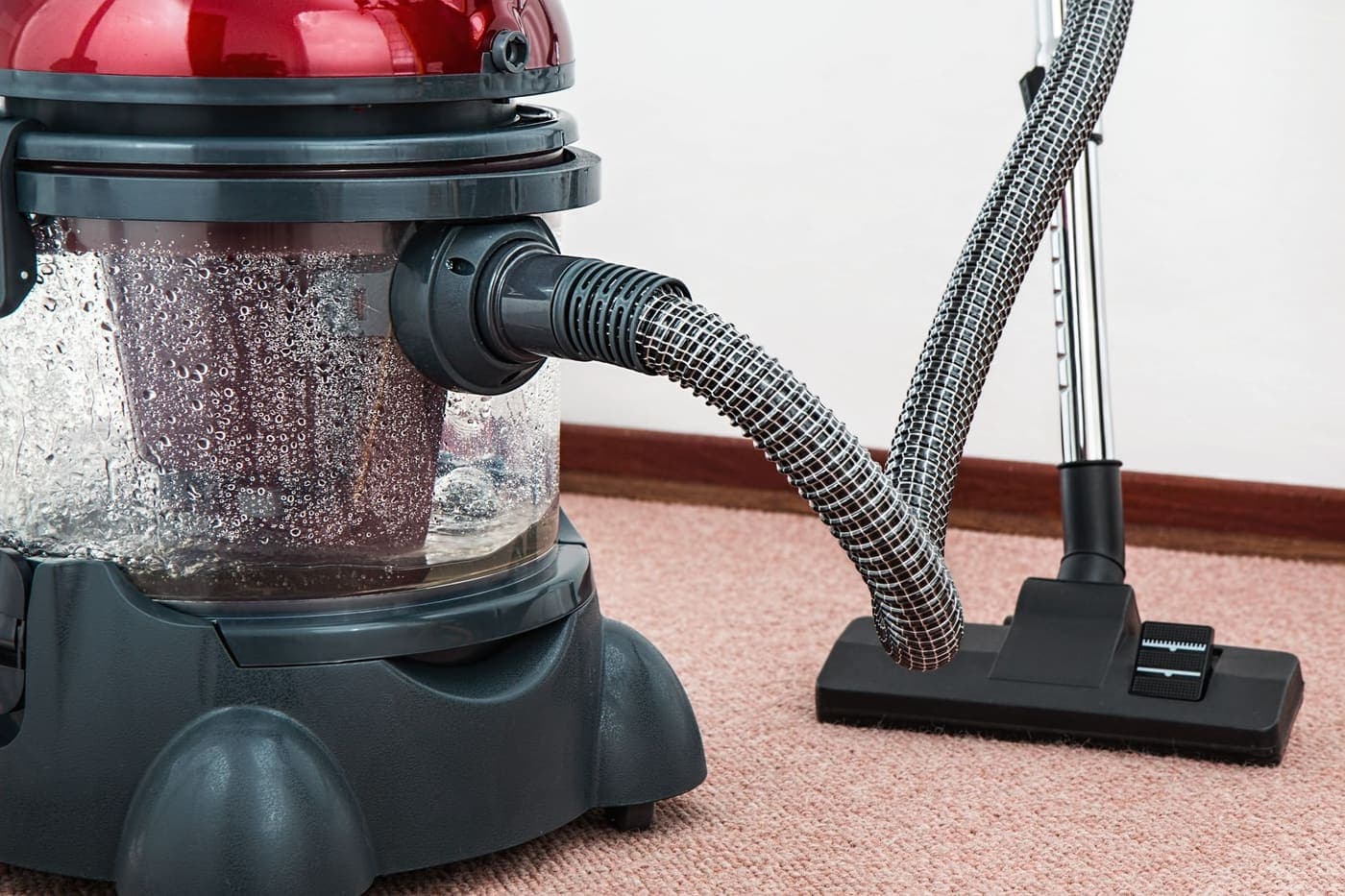
2.Pulls out the standing water
Extraction first, then anything soaked that cannot be dried is removed.
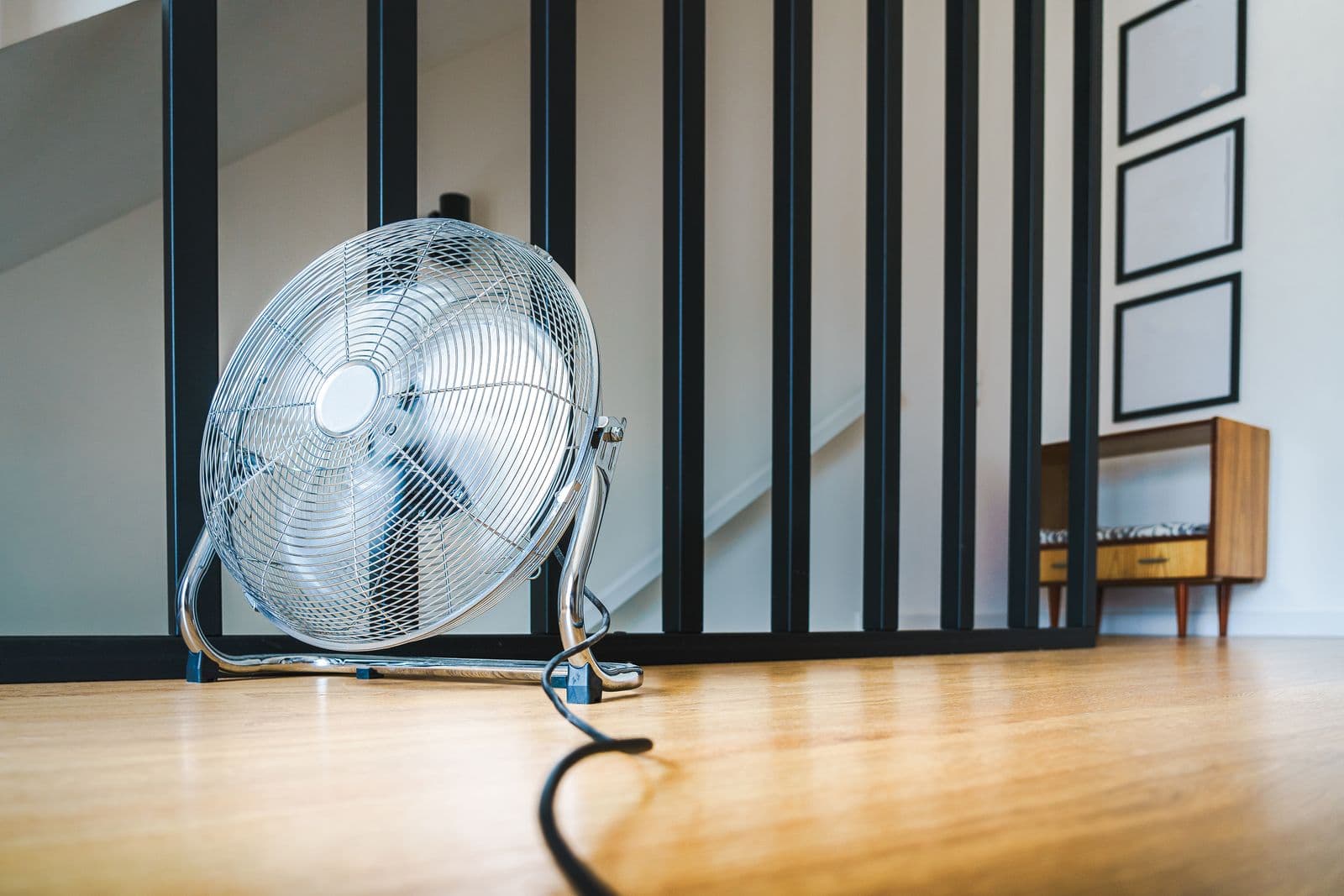
3.Dries it and logs the readings
Air movers and dehumidifiers run until the meter says dry, with a log your insurer can read.
Talk to a water damage pro now
Answered 24/7 · Toll-free · no obligation
(888) 840-6512Mold can establish within 24–48 hours of water exposure — drying started today stays a drying job.
- Press 1 for water damage or 2 for mold, then your ZIP
- Stay on through the short quiet while it connects
- A local certified company explains the job and price
Insurance: What Usually Pays and What Usually Does Not
Homeowners insurance generally covers the damage from a sudden, accidental leak — a supply line that fails, a drain that lets go, a storm that lifts shingles. It generally does not cover the repair of the thing that failed, and it does not cover a leak that has been running for months: adjusters read a ceiling's history in the rings of the stain.
Two things protect a claim. The photographs you took before touching anything, and drying that started promptly — every policy requires you to stop further damage, and a wet cavity left for a week is how a covered leak becomes an excluded mold problem. The claim checklist has the order of operations.
Three Mistakes That Turn a Patch Into a Rebuild
- Painting the stain. Stain-blocker over wet drywall traps the moisture behind a vapor barrier you just installed.
- Waiting for it to dry on its own. Drywall that looks dry on the room side can read saturated on the cavity side for weeks.
- Fixing the roof and stopping there. The roofer stopped tomorrow's water. Last week's is still up there.
If It Is Dripping Right Now
Breaker, bucket, source, photos — in that order. Then one call gets the ceiling itself looked at: (888) 840-6512 is answered around the clock and connects you to a certified water damage restoration company covering your ZIP. They will tell you on that call when they can be there, and whether what you are describing sounds like drying or just a patch.
Reading to confirm what you already suspect?
Confirm it in two minutes instead — the pro on this line answers questions about YOUR situation all day: what it is, what it should cost, whether you even need service. If you want, they'll set the appointment on the same call.
Toll-free · no obligation · asking costs nothing
Frequently Asked Questions
- 1stop the source — plumber for supply/drain lines above the ceiling, roofer if it tracks to rain
- 2dry the structure — a restoration company opens the cavity, dries framing and insulation to measured standard, and documents everything for insurance. Calling restoration first also works: certified crews identify the source category on arrival and many coordinate the plumber for you.
Do I call a plumber or a restoration company for a ceiling leak?
BothHave a role, in order:
Should I poke a hole in a bulging ceiling?
YesCarefully. A water-heavy drywall bulge can drop the whole panel at once.
Put a bucket underneath, use a screwdriver at the LOWEST point of the bulge, and let it drain in a controlled stream. Kill the light circuit in that room first if water is anywhere near a fixture.
Is a ceiling water stain an emergency if it isn't dripping?
It's a today-problem, not a tonight-problem — but not a wait-a-month problem. A stain means the cavity above got wet; framing and insulation up there dry slowly and grow mold within days. A pro reads moisture through the ceiling without demolition and tells you whether it's already drying or still wet.
Will insurance cover a ceiling leak?
Typically yes for sudden, accidental sources — a burst supply line, an appliance failure, storm damage to the roof — covering the ceiling repair and drying. Slow long-term seepage and lack of maintenance are the usual exclusions. Photograph the stain and the source before repairs, and keep the drying documentation.
How much does ceiling water damage repair cost?
The pro on the line quotes your exact situation — the honest answer depends on how far the water traveled, whether insulation is soaked, and if the source repair is plumbing or roofing. Ask for the mitigation scope and the rebuild scope as separate line items.
Who do I actually reach on a restoration line?
One call connects you with an IICRC-certified restoration company serving your ZIP — they'll ask where the water is showing, whether it's active, and what sits above that ceiling, then give you a real arrival window and cost answers before anything is agreed.
Who do I call right now for water damage?
Call (888) 840-6512. The line is answered 24 hours a day, seven days a week, and connects you with an IICRC-certified water damage restoration company that serves your area. A recorded menu picks up first: choose water damage or mold, key in your 5-digit ZIP code, and hold through the short silence while the call is passed to the company.
Describe what you can see — where the water is coming from, how long it has been there, and whether it smells — the more specific you are, the faster the right company is on the line. If the source is a pipe or an appliance, shut the main water valve first. Have four things ready and the call goes quickly: the address, when the water started, what is wet now, and whether you have filed an insurance claim.
Still not sure which of these is your situation? (888) 840-6512 · toll-free · answered 24/7
Sources
- IICRC S500 Standard for Professional Water Damage Restoration
- III — Water damage and homeowners insurance
Methodology: How we source and verify data · Report an error
Disclaimer: HearthDry is an independent educational resource. This article is for informational purposes only and does not constitute professional, legal, or insurance advice. Consult licensed professionals before making decisions about your property or insurance claims.