
Quick answer
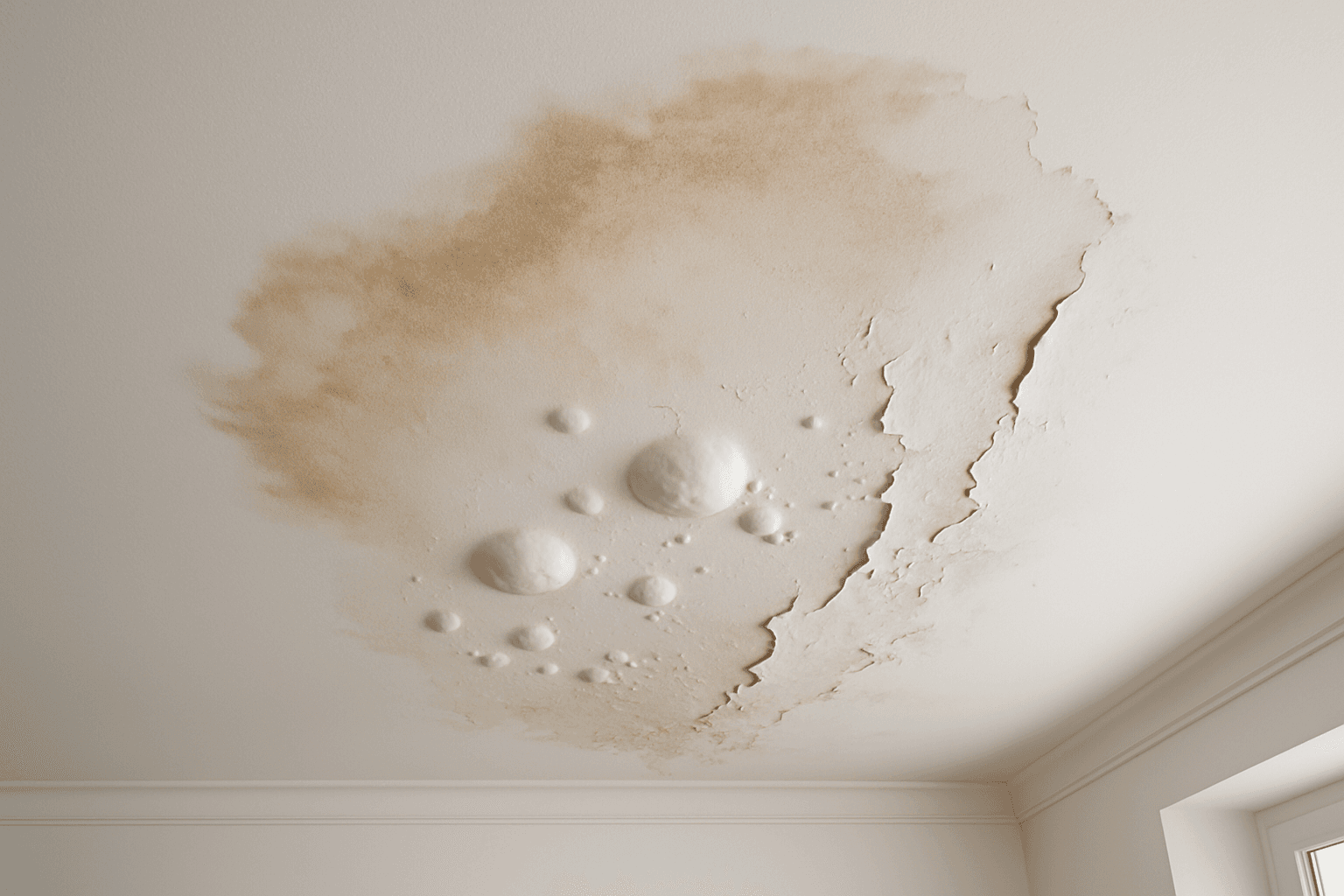
Water damaged ceiling repair has three cost tiers, chosen by a moisture meter: seal-and-paint on dry intact drywall ($150–$500), cut-out, cavity drying and patching for saturated sections ($500–$2,500), and $2,500+ when insulation, framing or large texture-matched ceilings are involved. Fix the leak first, verify the cavity dry to real numbers before closing it, and use stain-blocking primer — regular paint cannot hold back a water stain. Call (888) 840-6512 to reach a certified water damage restoration company in your area; the line is answered 24/7.
Written & reviewed by Marcus ReedIICRC WRT
Reviewed August 19, 2026· Next review Feb 2027
What a Ceiling Repair Really Costs
Thirteen hundred people a month want their leaky ceiling fixed, and the honest answer starts with a distinction most quotes blur: the leak and the ceiling are two repairs. The leak has its own bill — roof, bathroom above, or pipe. This guide prices the ceiling itself, in the three tiers that a $30 moisture meter chooses between.
The Three Tiers
| Tier | When | Cost |
|---|---|---|
| 1 — Seal & paint | stain only, drywall meters dry, intact | $150 – $500 (DIY < $60) |
| 2 — Cut, dry, patch | sag, softness, or wet readings | $500 – $2,500 |
| 3 — Cavity rebuild | soaked insulation, framing drying, big texture match | $2,500 – $5,000+ |
Rule Zero: The Leak Dies First
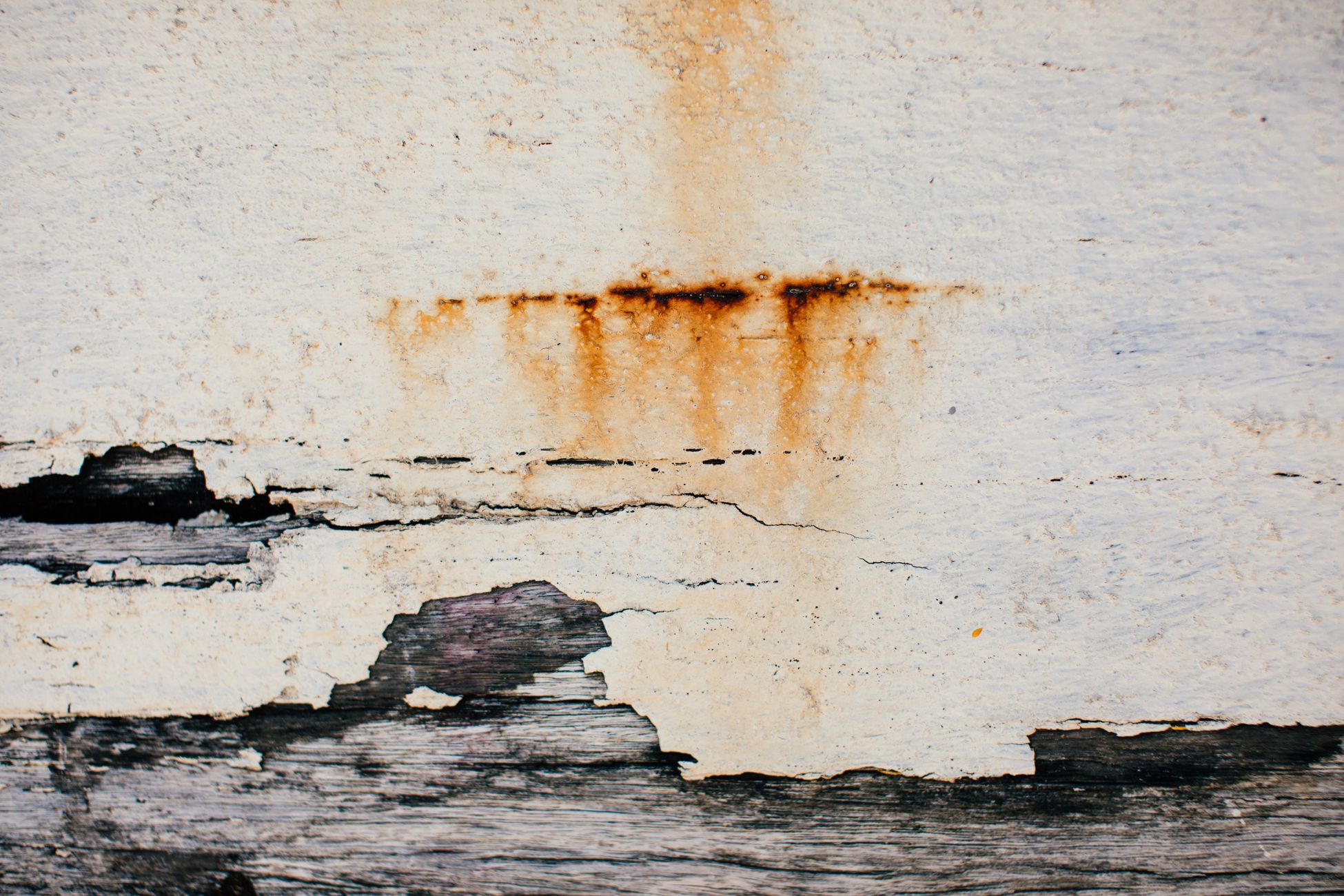
No ceiling repair survives an active leak — and "I think it stopped" is not fixed. Run the bathroom above through a full test cycle, wait through one hard rain for a roof source, or pressure-test the pipe repair. Ceilings get repaired twice for exactly one reason, and this is it.
Tier 1: The Stain That's Just a Stain
If the drywall is flat, firm, and meters the same as an unaffected patch, the water is gone and only its signature remains. The fix is a stain-blocking primer — shellac or oil-based — because regular paint cannot hold back a water stain; the tannins bleed through two coats by next month. Prime the stain plus a wide feathering margin, then paint. Sheen-matching an older ceiling usually means painting corner to corner, which is why the pro price runs to $500 even for "just a stain."
Already have a quote? Compare it
National brands price from a franchise rate card. A local IICRC-certified crew often scopes the same job differently — you keep whichever quote is better.
(888) 840-6512- Tell them the scope you were quoted
- A local certified crew prices the same work
- Compare line by line — no obligation either way
Tier 2: When the Drywall Took Real Water
Sagged, softened, crumbling, or metering wet — that drywall is structurally done and stays done; gypsum doesn't regain integrity by drying. The correct sequence, and the one worth checking in any quote:
- 1Cut past the damage to joist centers, generously — soft edges hide in "small" patches.
- 2Pull wet insulation — it holds water like a sponge against your framing.
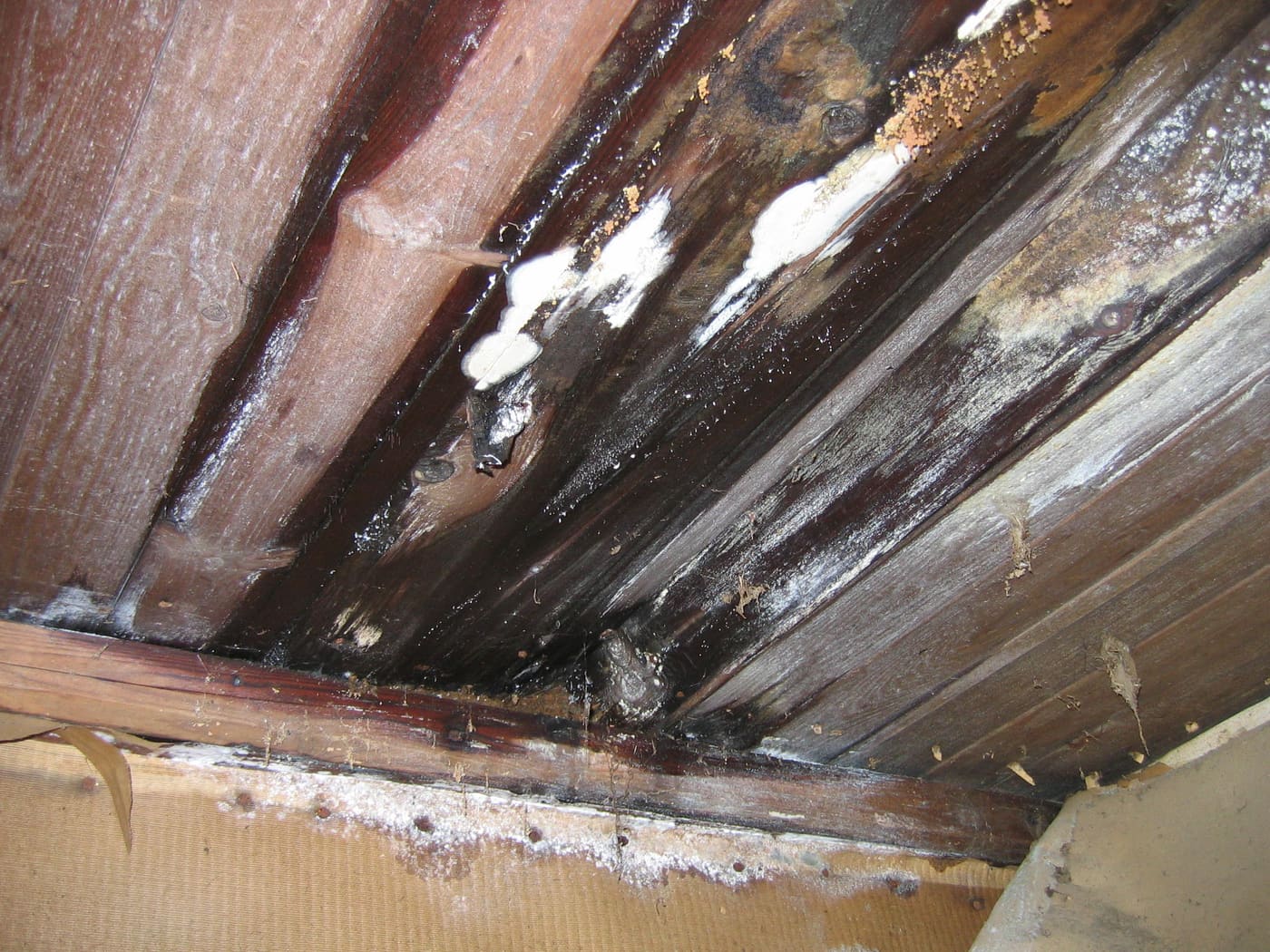
- 3Dry the cavity to numbers: airflow plus dehumidification until framing reads under 16% MC. Two to three days. This is the step cheap quotes skip, and skipping it is how a patch grows a mold colony above it — right where you can't see it.
- 4Patch, tape, texture, prime, paint. Texture-matching is the craft item: rattle-can textures handle small patches; a large smooth or heavily textured ceiling may need a full respray for invisibility, which is what pushes jobs toward tier 3.
Who to Hire for Which Tier
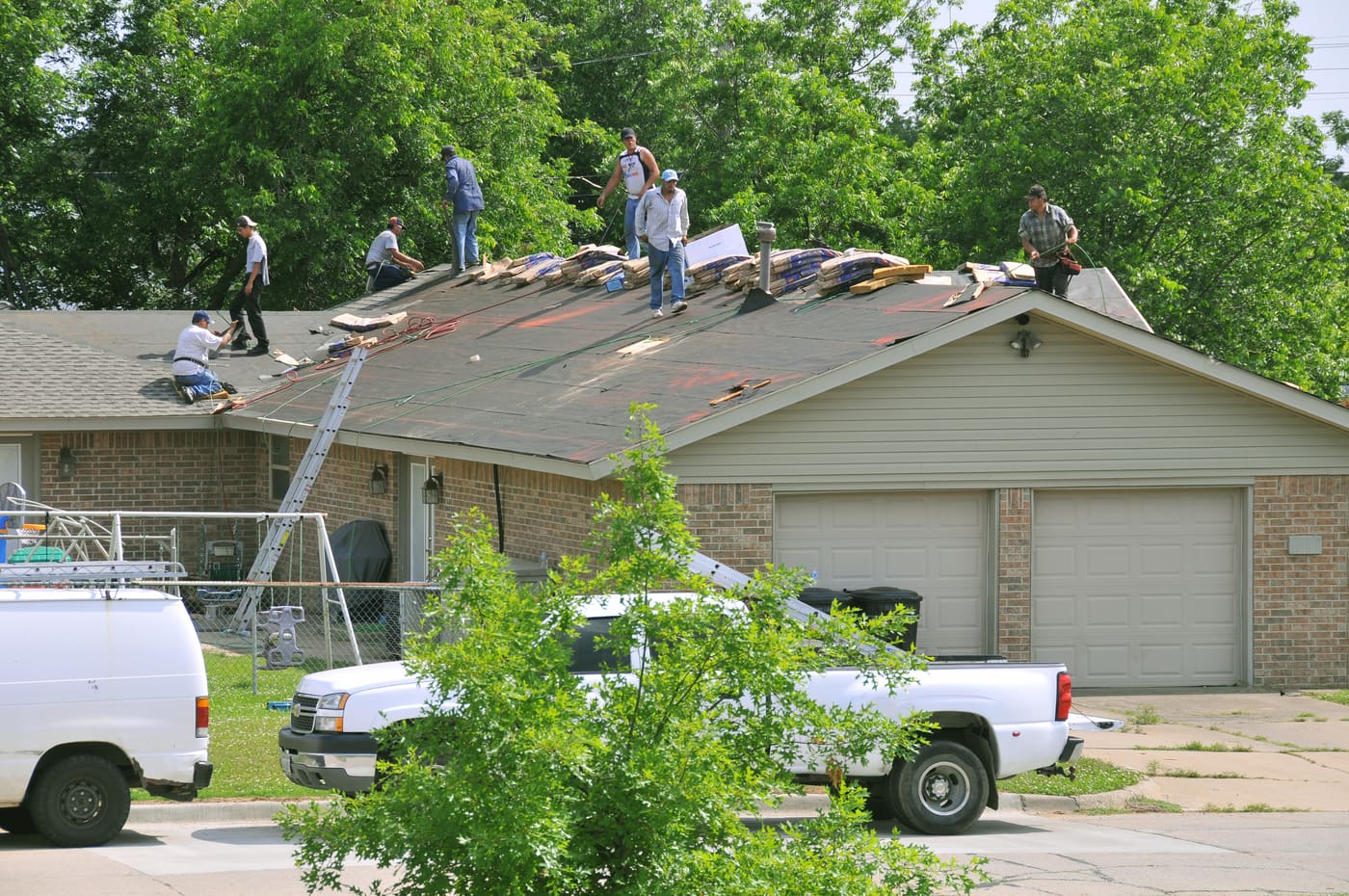
Cavity verified dry and insurance not involved: a drywall contractor or capable handyman is the right price for cut-and-patch. Cavity still wet, insulation soaked, mold visible, or an insurer in the picture: restoration company first — they dry to documented standards adjusters accept and photograph as they go, which is precisely what a disputed claim needs. Water that came through a light fixture adds an electrician to the sequence — that page's electrical-first order applies. For multi-room losses, the full restoration cost picture is the better frame than per-ceiling pricing.
The Insurance Note
Sudden causes — burst pipe, appliance failure, storm — commonly cover the ceiling, drying, and repaint. Slow stains that watched you for months get disputed as maintenance. The claim is won or lost on documentation: the stain, the source, the opened cavity, and the meter readings, all photographed before repairs. The checklist sequences it.
Bottom Line
Leak first, meter second, then the tier the readings choose: under $60 DIY for a true stain-seal, $500–$2,500 for an honest cut-dry-patch, and suspicion toward any quote that patches drywall over a cavity nobody verified dry. The stain is cosmetic; sealed-in moisture is structural — the meter is what keeps you on the right side of that line.
Reading to confirm what you already suspect?
Confirm it in two minutes instead — the pro on this line answers questions about YOUR situation all day: what it is, what it should cost, whether you even need service. If you want, they'll set the appointment on the same call.
Toll-free · no obligation · asking costs nothing
Frequently Asked Questions
How much does it cost to repair a water damaged ceiling?
Three tiers by damage depth: stain-sealing and repainting dry, intact drywall runs $150–$500; cutting out saturated drywall, drying the cavity, and patching runs $500–$2,500 for a typical room section; when insulation replacement, framing drying, or texture-matching across a large ceiling is involved, $2,500–$5,000+. The leak repair itself is always a separate line.
Can I just paint over a water stain on the ceiling?
Only if two things are true: the leak is genuinely fixed, and the drywall meters dry (back to baseline, matching an unaffected area).
Then a stain-blocking primer — not regular paint, which the stain bleeds straight through — plus a topcoat finishes the job. Painting over damp drywall seals moisture in, grows mold in the cavity, and converts a $300 repair into a $4,000 remediation.
When does water damaged ceiling drywall need to be replaced?
When it sagged, softened, crumbles at the edges, or meters wet after the leak stopped.
Saturated ceiling drywall loses structural integrity permanently — it doesn't regain strength by drying — and a closed, insulated cavity above it doesn't air-dry reliably. Cut to the joists past the damage, dry the cavity to verified numbers, then patch.
Does insurance cover ceiling water damage repair?
Commonly yes when the cause was sudden — burst pipe, appliance failure, storm intrusion — covering the ceiling, drying, and repainting, though not always the failed component itself.
Slow leaks visible for months get disputed as maintenance. Photograph the stain, the source, the opened cavity and the meter readings before repairs.
Who repairs water damaged ceilings — a handyman or a restoration company?
After the leak is fixed and IF the cavity is verified dry: a drywall contractor or capable handyman handles cut-and-patch well for the least money.
If the cavity is still wet, insulation is soaked, mold is visible, or insurance is involved: a restoration company first — they dry to documented standards insurers accept, then patch or hand off to drywall.
Who do I call right now for water damage?
Call (888) 840-6512. The line is answered 24 hours a day, seven days a week, and connects you with an IICRC-certified water damage restoration company that serves your area. Describe what you can see — where the water is coming from, how long it has been there, and whether it smells — the more specific you are, the faster the right company is on the line.
If the source is a pipe or an appliance, shut the main water valve first. Have four things ready and the call goes quickly: the address, when the water started, what is wet now, and whether you have filed an insurance claim.
Still not sure which of these is your situation? (888) 840-6512 · toll-free · answered 24/7
Sources
- IICRC S500 Standard for Professional Water Damage Restoration
- USG — Gypsum Panel Water Damage Guidance
Methodology: How we source and verify data · Report an error
Disclaimer: HearthDry is an independent educational resource. This article is for informational purposes only and does not constitute professional, legal, or insurance advice. Consult licensed professionals before making decisions about your property or insurance claims.
Watch
Source: Ryan Seeley Plastering — YouTube
Free 2-day shipping
Amazon Prime members pay no shipping on restoration equipment
Dehumidifiers, air movers, and moisture meters qualify for free Prime delivery — bulk items that otherwise cost $15–$40 to ship.
Affiliate link — HearthDry earns a bounty if you sign up; costs you nothing extra.
Equipment
What each machine actually does
Removes the moisture the structure is still giving off — the machine that decides how long drying takes
See the picks →Moves air across wet surfaces so the dehumidifier has something to take out of the air
See the picks →Finds water behind walls and under floors, and tells you when a material is actually dry
See the picks →Alerts you the moment a leak starts — the cheapest thing on this list and the only preventive one
See the picks →Those pages carry affiliate links. As an Amazon Associate, HearthDry earns from qualifying purchases; it costs you nothing extra.
Our Amazon storefront →Advertisement
