
Water Damage Emergency
in Anchorage?
Most water damage jobs in Anchorage, AK cost $1,500–$8,500, and mold can start on wet drywall and carpet pad within 24 to 48 hours. Call (888) 840-6512 and enter your ZIP when asked; companies on the line take calls ZIP by ZIP, and few Anchorage ZIPs have one taking calls right now. If yours is not covered the call cannot connect, and the IICRC's certified-firm locator at iicrc.org is the next place to look.

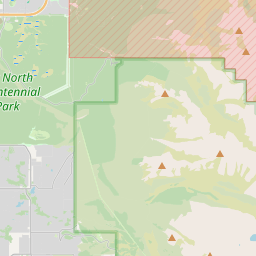
Service area
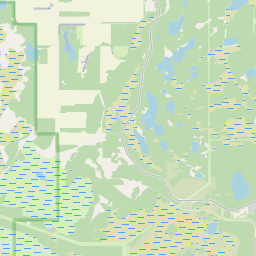
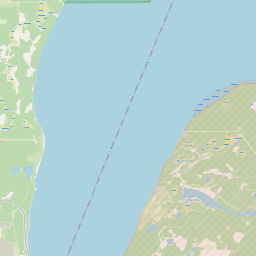
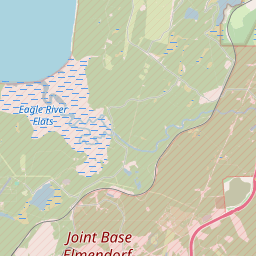
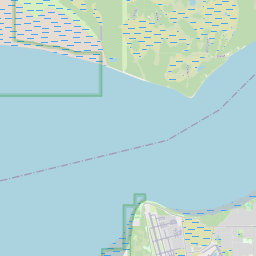
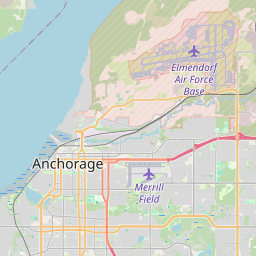
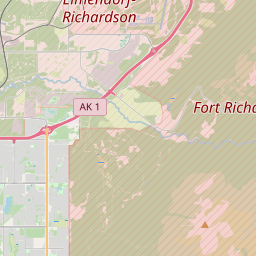
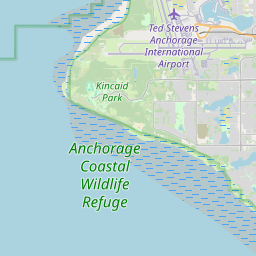
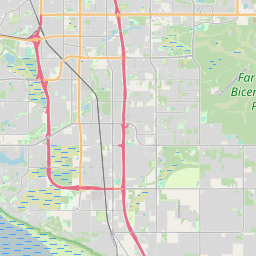
Anchorage and the wider Anchorage County area · 3 ZIP codes — coverage on this line is limited here right now, so have your ZIP ready.
(888) 840-6512Toll-free · no obligation · answered 24/7
Do These Things Right Now
- 1
Shut off your main water supply
The shutoff is usually at your water meter, under a sink, or in your utility room. This stops the water immediately.
- 2
Cut electricity to wet areas
Go to your breaker panel and cut power to any circuit in the affected area. Never wade through water near electrical outlets or panels.
- 3
Document everything NOW
Video and photograph all damage before touching anything. Walk through every affected room. This is critical for your insurance claim.
- 4
Call and enter your ZIP
Not every ZIP here has a company taking calls on this line right now. If the call cannot connect, look up certified firms at iicrc.org.
- 5
Call your insurance company
Open a claim while waiting for the restoration team. Get a claim number before work begins.
No charge for the referral · answered 24/7 · IICRC-certified pros
What happens when you call
- 1They askWhere the water is, roughly how much, and how long it has been there.
- 2You learnA real arrival window for your street, and what your job actually involves.
- 3You decideCosts are explained before anything is agreed. Hanging up is fine.
The call takes about two minutes. You are talking to the company that would do the work, not a call center reading a script.
Pros in this network carry




Water damage in Anchorage: the local picture
Local flood risk
medium
Typical structural drying
3–5 days
Work standard
IICRC S500
Which parts of Anchorage see it most
Fairview and Mountain View neighborhoods flank Ship Creek's lower reaches near the Port of Anchorage — these areas flood during spring breakup when winter ice releases on Ship Creek, and both neighborhoods have a high concentration of pre-1970 homes with outdated plumbing and insulation that produce recurring pipe freeze incidents during January cold snaps that push temperatures below -15°F. The Turnagain neighborhood sits adjacent to Cook Inlet and is one of the few residential areas in Anchorage with documented tidal surge risk — storm events coinciding with high tides can push water across the Tony Knowles Coastal Trail corridor and into the lowest-lying residential streets.
Insurance in Anchorage
Alaska homeowners face a unique insurance challenge — many Anchorage insurers have begun limiting or excluding coverage for permafrost-related foundation damage as thaw events accelerate, and this exclusion is not always prominently disclosed. Alaska residents should verify their policy explicitly covers ice dam damage and sudden water release from frozen pipes, as these are frequently listed as exclusions in standard Alaska policies and require specific endorsements that may add $100–400 per year to the premium.
The complete claims guide →Recognize your street or your situation? Call (888) 840-6512 and describe it — the pro gives you an arrival window before anything is agreed.
Common Emergencies in Anchorage
Alaska overview: In Anchorage, Alaska's subarctic climate creates water damage risks unlike anywhere in the lower 48: ice dams form on every low-slope roof from October through April, forcing water under shingles and into ceiling assemblies. Condensation on cold surfaces (exterior walls, windows, and uninsulated floors) creates chronic moisture conditions that support mold growth without any visible leak. Pipe bursts occur during cold snaps below -20°F in inadequately heated spaces, and the cost of emergency restoration is 2–3× lower-48 rates due to supply chain limitations. IICRC-certified contractors are available in Anchorage and Fairbanks; smaller communities may require emergency transport for professional equipment.
- Permafrost thaw destabilizing foundations in hillside neighborhoods, allowing groundwater to infiltrate through cracked footings as the previously frozen soil becomes water-logged
- Ship Creek and Chester Creek spring breakup flooding in Fairview and Mountain View as winter ice releases rapidly during March and April
- Ice dam formation on every low-slope roof from October through April, forcing snowmelt under shingles and into ceiling assemblies throughout the metro
- Pipe freeze and burst events in homes built before modern insulation standards (pre-1970) when temperatures drop below -15°F during January cold snaps
- Turnagain Arm tidal bore and storm surge events during autumn Gulf of Alaska storms affecting coastal Anchorage properties near Cook Inlet
Which emergency is this?
The first hour is different for each. Pick the one that matches and follow that sequence while the crew is on the way.
- Basement Flooded Right Now?Mold window 48h · $2,500–$15,000
- Burst Pipe EmergencyMold window 48h · $1,200–$8,000
- Sewage Backup EmergencyMold window 24h · $3,000–$20,000
- Ceiling Water Damage EmergencyMold window 48h · $800–$5,000
- Appliance Leak EmergencyMold window 48h · $1,000–$7,000
- Attic Leak EmergencyMold window 48h · $800–$6,000
- Slab Leak EmergencyMold window 72h · $2,000–$12,000
- Frozen Pipe Burst EmergencyMold window 48h · $1,500–$10,000
- Storm Flooding EmergencyMold window 24h · $5,000–$50,000
- Septic Backup EmergencyMold window 24h · $3,500–$18,000
- Kitchen Flooding EmergencyMold window 48h · $1,200–$8,000
- Bathroom Water Damage EmergencyMold window 48h · $900–$7,500
- Ice Dam Roof Leak EmergencyMold window 72h · $1,500–$12,000
- Upstairs Neighbor Flooded Your UnitMold window 48h · $1,500–$10,000
- Laundry Room Flooded?Mold window 48h · $800–$4,500
Anchorage Emergency Questions
- 1Shut off your main water supply.
- 2Cut power to the affected area at your breaker panel.
- 3Do NOT enter any room where water may be contacting electrical systems.
- 4Document damage with photos/video before moving anything.
- 5Call your insurance company to open a claim.
How fast can emergency water damage help arrive in Anchorage?
As fast as a crew is free — the Anchorage line is answered 24/7 and the pro confirms a real arrival window for your address on the call. The sooner you call, the sooner a crew is assigned — extraction in the first hours is what keeps a drying job from becoming a rebuild.
What should I do RIGHT NOW while waiting for help in Anchorage?
Is sewage backup a different emergency than a burst pipe in Anchorage?
YesSewage backup is a Category 3 biohazard emergency requiring decontamination, not just drying.
Do not enter sewage-affected areas without protective gear. Evacuate family and pets. Call immediately.
What causes most water emergencies in Anchorage?
The recurring local causes are: Permafrost thaw destabilizing foundations in hillside neighborhoods, allowing groundwater to infiltrate through cracked footings as the previously frozen soil becomes water-logged; Ship Creek and Chester Creek spring breakup flooding in Fairview and Mountain View as winter ice releases rapidly during March and April; Ice dam formation on every low-slope roof from October through April, forcing snowmelt under shingles and into ceiling assemblies throughout the metro.
Which one you are looking at changes the response, so describe what you can see when you call and the pro will tell you which it is.
What does an emergency water damage job cost in Anchorage?
Priced by area, restoration in Anchorage runs $3.20–$11.00 per square foot, with clean supply-line water at the low end and sewage (IICRC Category 3) at the high end because it adds decontamination.
Rebuilding removed drywall and flooring is priced separately once drying is finished. Structural drying itself usually takes 3–5 days.
Who do I call right now for water damage?
Call (888) 840-6512. The line is answered 24 hours a day, seven days a week, and connects you with an IICRC-certified water damage restoration company that serves your area. Describe what you can see — where the water is coming from, how long it has been there, and whether it smells — the more specific you are, the faster the right company is on the line.
If the source is a pipe or an appliance, shut the main water valve first. Have four things ready and the call goes quickly: the address, when the water started, what is wet now, and whether you have filed an insurance claim.
Still not sure which of these is your situation? (888) 840-6512 · toll-free · answered 24/7