
Water Damage Emergency
in Des Moines?
Most water damage jobs in Des Moines, IA cost $1,500–$8,500, and mold can start on wet drywall and carpet pad within 24 to 48 hours. Call (888) 840-6512: the line is answered 24/7, reaches an IICRC-certified restoration company covering your ZIP, and they give you an arrival window for your address while you are still on the phone.

Covered here
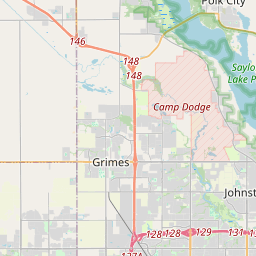
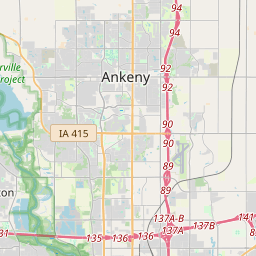
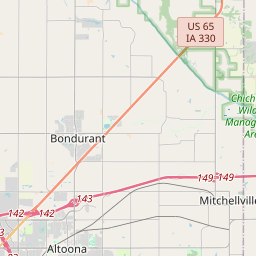
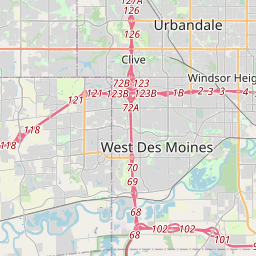
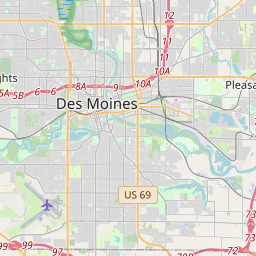
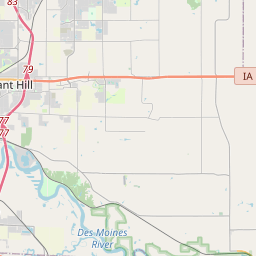
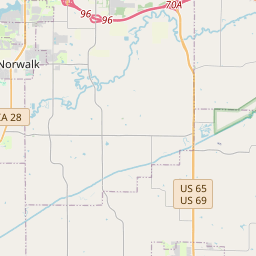
Des Moines and the wider Polk County area · 3 ZIP codes — the line routes your call to an IICRC-certified pro covering your ZIP, day or night.
(888) 840-6512Toll-free · no obligation · answered 24/7
Do These Things Right Now
- 1
Shut off your main water supply
The shutoff is usually at your water meter, under a sink, or in your utility room. This stops the water immediately.
- 2
Cut electricity to wet areas
Go to your breaker panel and cut power to any circuit in the affected area. Never wade through water near electrical outlets or panels.
- 3
Document everything NOW
Video and photograph all damage before touching anything. Walk through every affected room. This is critical for your insurance claim.
- 4
Call — the line reaches IICRC-certified pros covering Des Moines
The line is answered 24/7 and connects you to a restoration company serving Des Moines. They confirm a real arrival window for your address on the call.
- 5
Call your insurance company
Open a claim while waiting for the restoration team. Get a claim number before work begins.
No charge for the referral · answered 24/7 · IICRC-certified pros
What happens when you call
- 1They askWhere the water is, roughly how much, and how long it has been there.
- 2You learnA real arrival window for your street, and what your job actually involves.
- 3You decideCosts are explained before anything is agreed. Hanging up is fine.
The call takes about two minutes. You are talking to the company that would do the work, not a call center reading a script.
Pros in this network carry




Water damage in Des Moines: the local picture
Local flood risk
medium
Typical structural drying
3–5 days
Work standard
IICRC S500
Which parts of Des Moines see it most
Birdland in north Des Moines sits directly in the Des Moines River floodplain and was among the hardest-hit neighborhoods during the 2008 Iowa flood, when the river crested at 28.1 feet — nearly 10 feet above flood stage — and inundated homes along Birdland Drive and Indianola Avenue with water that lingered for days. The Raccoon River corridor on Des Moines's west side regularly threatens properties in the Fleur Drive neighborhoods and Windsor Heights when the river rises above 23 feet at the Fleur Drive gauge, an event that typically occurs after heavy spring rainfall across western Iowa's agricultural watershed.
Insurance in Des Moines
Iowa homeowners should be aware that FEMA has revised flood maps throughout Polk County following the catastrophic 2008 flood, and some properties previously shown as low-risk now carry mandatory flood insurance requirements under Zone AE designations. Iowa's Office of the Commissioner of Insurance has actively promoted private flood insurance alternatives that offer better basement contents coverage than the NFIP's $10,000 limit — particularly valuable in Des Moines where finished basements are the norm in the area's ranch-style housing stock.
The complete claims guide →Recognize your street or your situation? Call (888) 840-6512 and describe it — the pro gives you an arrival window before anything is agreed.
Common Emergencies in Des Moines
Iowa overview: Des Moines, Iowa faces spring snowmelt flooding that is among the most predictable annual flood events in the country. The Des Moines, Iowa, Cedar, and Mississippi rivers overflow their banks in most years after winter snowpack melts — the 2008 Iowa flood was a $10 billion disaster affecting Cedar Rapids and Iowa City. Polar vortex events reach Iowa with temperatures below -20°F that cause rapid pipe freezing in uninsulated exterior walls and crawl spaces. Iowa's clay-rich soils retain water against foundation walls, increasing basement flooding frequency after sustained rainfall. Iowa Insurance Division regulations require insurers to acknowledge claims within 10 working days.
- Des Moines River spring flooding from Iowa snowmelt overwhelming levees in the Birdland neighborhood and the Saylorville corridor — the river crested at 28 feet in the 2008 catastrophic flood
- Raccoon River flooding on Des Moines's west side threatening Windsor Heights and Urbandale properties when the river rises above 23 feet at the Fleur Drive gauge
- Polar vortex pipe bursts in Des Moines's large stock of 1950s–1970s ranch homes and split-levels with uninsulated crawl spaces and exposed water supply lines
- Clay-heavy Loess Hills soils absorbing rainfall slowly and producing sheet flooding across suburban neighborhoods during summer convective storms dropping 2"+ in an hour
- Iowa's intense summer hailstorms — Des Moines is on the western edge of the Midwest hail corridor — causing roof damage that leads to interior water intrusion throughout the metro
Which emergency is this?
The first hour is different for each. Pick the one that matches and follow that sequence while the crew is on the way.
- Basement Flooded Right Now?Mold window 48h · $2,500–$15,000
- Burst Pipe EmergencyMold window 48h · $1,200–$8,000
- Sewage Backup EmergencyMold window 24h · $3,000–$20,000
- Ceiling Water Damage EmergencyMold window 48h · $800–$5,000
- Appliance Leak EmergencyMold window 48h · $1,000–$7,000
- Attic Leak EmergencyMold window 48h · $800–$6,000
- Slab Leak EmergencyMold window 72h · $2,000–$12,000
- Frozen Pipe Burst EmergencyMold window 48h · $1,500–$10,000
- Storm Flooding EmergencyMold window 24h · $5,000–$50,000
- Septic Backup EmergencyMold window 24h · $3,500–$18,000
- Kitchen Flooding EmergencyMold window 48h · $1,200–$8,000
- Bathroom Water Damage EmergencyMold window 48h · $900–$7,500
- Ice Dam Roof Leak EmergencyMold window 72h · $1,500–$12,000
- Upstairs Neighbor Flooded Your UnitMold window 48h · $1,500–$10,000
- Laundry Room Flooded?Mold window 48h · $800–$4,500
Des Moines Emergency Questions
- 1Shut off your main water supply.
- 2Cut power to the affected area at your breaker panel.
- 3Do NOT enter any room where water may be contacting electrical systems.
- 4Document damage with photos/video before moving anything.
- 5Call your insurance company to open a claim.
How fast can emergency water damage help arrive in Des Moines?
As fast as a crew is free — the Des Moines line is answered 24/7 and the pro confirms a real arrival window for your address on the call. The sooner you call, the sooner a crew is assigned — extraction in the first hours is what keeps a drying job from becoming a rebuild.
What should I do RIGHT NOW while waiting for help in Des Moines?
Is sewage backup a different emergency than a burst pipe in Des Moines?
YesSewage backup is a Category 3 biohazard emergency requiring decontamination, not just drying.
Do not enter sewage-affected areas without protective gear. Evacuate family and pets. Call immediately.
What causes most water emergencies in Des Moines?
The recurring local causes are: Des Moines River spring flooding from Iowa snowmelt overwhelming levees in the Birdland neighborhood and the Saylorville corridor — the river crested at 28 feet in the 2008 catastrophic flood; Raccoon River flooding on Des Moines's west side threatening Windsor Heights and Urbandale properties when the river rises above 23 feet at the Fleur Drive gauge; Polar vortex pipe bursts in Des Moines's large stock of 1950s–1970s ranch homes and split-levels with uninsulated crawl spaces and exposed water supply lines.
Which one you are looking at changes the response, so describe what you can see when you call and the pro will tell you which it is.
What does an emergency water damage job cost in Des Moines?
Priced by area, restoration in Des Moines runs $3.20–$11.00 per square foot, with clean supply-line water at the low end and sewage (IICRC Category 3) at the high end because it adds decontamination.
Rebuilding removed drywall and flooring is priced separately once drying is finished. Structural drying itself usually takes 3–5 days.
Who do I call right now for water damage?
Call (888) 840-6512. The line is answered 24 hours a day, seven days a week, and connects you with an IICRC-certified water damage restoration company that serves your area. Describe what you can see — where the water is coming from, how long it has been there, and whether it smells — the more specific you are, the faster the right company is on the line.
If the source is a pipe or an appliance, shut the main water valve first. Have four things ready and the call goes quickly: the address, when the water started, what is wet now, and whether you have filed an insurance claim.
Still not sure which of these is your situation? (888) 840-6512 · toll-free · answered 24/7