
Water Damage Emergency
in Dearborn?
One call reaches an IICRC-certified restoration company covering Dearborn, and they give you an arrival window for your address while you are still on the phone. Standing water spreads by the hour, and mold can start within 24–48.
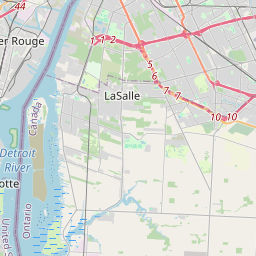
Covered here
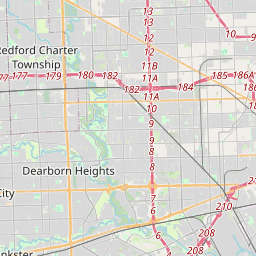
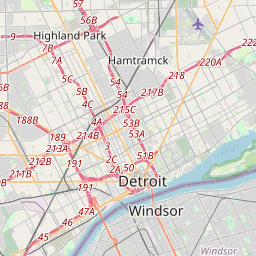
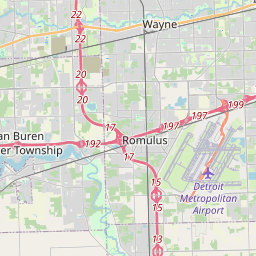
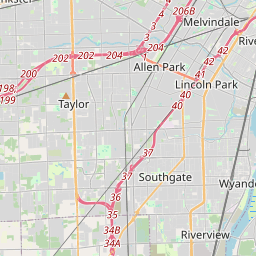
Dearborn and the wider Wayne County area · 5 ZIP codes — the line routes your call to an IICRC-certified pro covering your ZIP, day or night.
(888) 840-6512Toll-free · no obligation · answered 24/7
Do These Things Right Now
- 1
Shut off your main water supply
The shutoff is usually at your water meter, under a sink, or in your utility room. This stops the water immediately.
- 2
Cut electricity to wet areas
Go to your breaker panel and cut power to any circuit in the affected area. Never wade through water near electrical outlets or panels.
- 3
Document everything NOW
Video and photograph all damage before touching anything. Walk through every affected room. This is critical for your insurance claim.
- 4
Call — the line reaches IICRC-certified pros covering Dearborn
The line is answered 24/7 and connects you to a restoration company serving Dearborn. They confirm a real arrival window for your address on the call.
- 5
Call your insurance company
Open a claim while waiting for the restoration team. Get a claim number before work begins.
Free to homeowners · 24/7 · IICRC certified pros
What happens when you call
- 1They askWhere the water is, roughly how much, and how long it has been there.
- 2You learnA real arrival window for your street, and what your job actually involves.
- 3You decideCosts are explained before anything is agreed. Hanging up is fine.
The call takes about two minutes. You are talking to the company that would do the work, not a call centre reading a script.
Pros in this network carry




Water damage in Dearborn: the local picture
Local flood risk
high
Typical structural drying
3–5 days
Work standard
IICRC S500
Which parts of Dearborn see it most
South End (Rouge River proximity, Zone AE, highest flooding frequency); Fordson (older housing stock with frequent combined sewer backup); East Dearborn (dense 1930s–1940s housing, frequent sewer and supply line claims); West Dearborn (slightly higher elevation, lower flood risk)
Insurance in Dearborn
Rouge River Zone AE properties require NFIP flood insurance. Dearborn has one of Michigan's highest combined sewer backup frequencies — a sewer backup rider (at least $25,000 limit) matters for any basement. Michigan has no insurance prompt-pay statute; document damage immediately and file MDI complaints for delays beyond 30 days.
The complete claims guide →
Recognise your street or your situation? Call (888) 840-6512 and describe it — the pro gives you an arrival window before anything is agreed.
Common Emergencies in Dearborn
Dearborn conditions: Dearborn sits adjacent to the Rouge River, which has one of the most flood-prone urban watersheds in Michigan. The lower Rouge River through Dearborn has flooded catastrophically multiple times — the August 2014 event dropped 4.7 inches in 2 hours, flooding over 30,000 basements across Dearborn and downriver communities, with total damages exceeding $50 million in Wayne County alone. The river's channelized section through the city offers little natural storage capacity, so overflows happen rapidly and with little warning. Dearborn's housing stock is predominantly 1920s–1950s brick bungalows and ranch homes with basements — concrete block foundations are standard and prone to hydrostatic pressure cracking during saturated soil conditions. Combined sewer overflow is a severe recurring issue: the system dates from the 1930s–1940s and backs up through floor drains into basements during heavy rain. Winter freeze risk is significant: January averages 20 days at or below 32°F, with major pipe freeze events in 2014 and 2019.
- Rouge River overbank flooding — 30,000 basements flooded in August 2014 alone
- Combined sewer backup through floor drains during heavy rain (1930s-era combined sewer)
- Hydrostatic pressure through concrete block foundation walls during saturated soil periods
- Sump pump failure during late spring rain season (April-May)
- Frozen pipe bursts in exterior walls and crawl spaces (January-February)
- Supply line corrosion in 60–80 year old copper plumbing in brick bungalow housing stock
Which emergency is this?
The first hour is different for each. Pick the one that matches and follow that sequence while the crew is on the way.
- Basement Flooded Right Now?Mold window 48h · $2,500–$15,000
- Burst Pipe EmergencyMold window 48h · $1,200–$8,000
- Sewage Backup EmergencyMold window 24h · $3,000–$20,000
- Ceiling Water Damage EmergencyMold window 48h · $800–$5,000
- Appliance Leak EmergencyMold window 48h · $1,000–$7,000
- Attic Leak EmergencyMold window 48h · $800–$6,000
- Slab Leak EmergencyMold window 72h · $2,000–$12,000
- Frozen Pipe Burst EmergencyMold window 48h · $1,500–$10,000
- Storm Flooding EmergencyMold window 24h · $5,000–$50,000
- Septic Backup EmergencyMold window 24h · $3,500–$18,000
- Kitchen Flooding EmergencyMold window 48h · $1,200–$8,000
- Bathroom Water Damage EmergencyMold window 48h · $900–$7,500
- Ice Dam Roof Leak EmergencyMold window 72h · $1,500–$12,000
- Upstairs Neighbor Flooded Your UnitMold window 48h · $1,500–$10,000
- Laundry Room Flooded?Mold window 48h · $800–$4,500
Dearborn Emergency Questions
- 1Shut off your main water supply.
- 2Cut power to the affected area at your breaker panel.
- 3Do NOT enter any room where water may be contacting electrical systems.
- 4Document damage with photos/video before moving anything.
- 5Call your insurance company to open a claim.
How fast can emergency water damage help arrive in Dearborn?
As fast as a crew is free — the Dearborn line is answered 24/7 and the pro confirms a real arrival window for your address on the call. The sooner you call, the sooner a crew is assigned — extraction in the first hours is what keeps a drying job from becoming a rebuild.
What should I do RIGHT NOW while waiting for help in Dearborn?
Is sewage backup a different emergency than a burst pipe in Dearborn?
YesSewage backup is a Category 3 biohazard emergency requiring decontamination, not just drying.
Do not enter sewage-affected areas without protective gear. Evacuate family and pets. Call immediately.
What causes most water emergencies in Dearborn?
The recurring local causes are: Rouge River overbank flooding — 30,000 basements flooded in August 2014 alone; Combined sewer backup through floor drains during heavy rain (1930s-era combined sewer); Hydrostatic pressure through concrete block foundation walls during saturated soil periods.
Which one you are looking at changes the response, so describe what you can see when you call and the pro will tell you which it is.
Who do I call right now for water damage?
Call (888) 840-6512. The line is answered 24 hours a day, seven days a week, and connects you with an IICRC-certified water damage restoration company that serves your area.
Describe what you can see — where the water is coming from, how long it has been there, and whether it smells — the more specific you are, the faster the right company is on the line. If the source is a pipe or an appliance, shut the main water valve first; the call itself takes under two minutes.
Still not sure which of these is your situation? (888) 840-6512 · toll-free · answered 24/7