
Water Damage Emergency
in Brooklyn?
Most water damage jobs in Brooklyn, NY cost $1,500–$8,500, and mold can start on wet drywall and carpet pad within 24 to 48 hours. Call (888) 840-6512: the line is answered 24/7, reaches an IICRC-certified restoration company covering your ZIP, and they give you an arrival window for your address while you are still on the phone.
Covered here
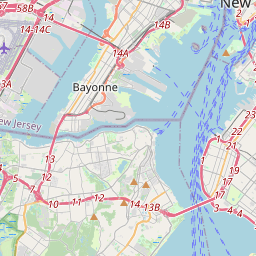
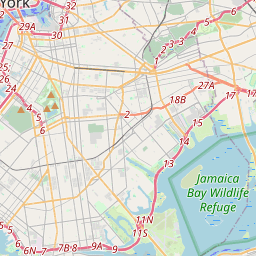
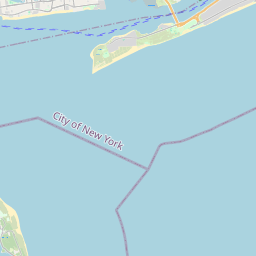
Brooklyn and the wider Kings County area · 3 ZIP codes — the line routes your call to an IICRC-certified pro covering your ZIP, day or night.
(888) 840-6512Toll-free · no obligation · answered 24/7
Do These Things Right Now
- 1
Shut off your main water supply
The shutoff is usually at your water meter, under a sink, or in your utility room. This stops the water immediately.
- 2
Cut electricity to wet areas
Go to your breaker panel and cut power to any circuit in the affected area. Never wade through water near electrical outlets or panels.
- 3
Document everything NOW
Video and photograph all damage before touching anything. Walk through every affected room. This is critical for your insurance claim.
- 4
Call — the line reaches IICRC-certified pros covering Brooklyn
The line is answered 24/7 and connects you to a restoration company serving Brooklyn. They confirm a real arrival window for your address on the call.
- 5
Call your insurance company
Open a claim while waiting for the restoration team. Get a claim number before work begins.
No charge for the referral · answered 24/7 · IICRC-certified pros
What happens when you call
- 1They askWhere the water is, roughly how much, and how long it has been there.
- 2You learnA real arrival window for your street, and what your job actually involves.
- 3You decideCosts are explained before anything is agreed. Hanging up is fine.
The call takes about two minutes. You are talking to the company that would do the work, not a call center reading a script.
Pros in this network carry
Water damage in Brooklyn: the local picture
Local flood risk
medium
Typical structural drying
3–5 days
Work standard
IICRC S500
Which parts of Brooklyn see it most
Red Hook sits at less than 10 feet elevation and is bordered by the Gowanus Canal on one side and Upper New York Bay on the other, making it the most flood-vulnerable residential neighborhood in Brooklyn — during Sandy, storm surge submerged the entire neighborhood under 6–8 feet of water and took months to fully remediate. Canarsie and Gerritsen Beach face a slower, chronic threat from Jamaica Bay tidal encroachment that is increasing as sea levels rise, with regular minor flooding during full-moon high tides already affecting first-floor residences and forcing residents to elevate appliances and HVAC equipment.
Insurance in Brooklyn
New York State law requires flood insurance for properties in FEMA Special Flood Hazard Areas, but co-op shareholders and condo unit owners face a particularly complex coverage gap — the building's master policy typically covers the structure to original specifications only, leaving unit owners responsible for interior finishes, appliances, and betterments through their own HO-6 policy, which itself excludes flood unless a separate flood endorsement is purchased.
The complete claims guide →Recognize your street or your situation? Call (888) 840-6512 and describe it — the pro gives you an arrival window before anything is agreed.
Common Emergencies in Brooklyn
New York overview: Brooklyn, New York faces water damage from its diverse climate zones: New York City's coastal exposure to nor'easters and hurricane remnants (Sandy 2012, Ida 2021); the Finger Lakes and Central NY lake-effect snow zones with 100–180 inches of annual snowfall; and the Hudson Valley and Long Island's aging combined sewer systems. Pre-1940 housing stock in NYC, Buffalo, Rochester, and Albany has aged cast iron, clay tile, and galvanized plumbing that fails at higher rates than newer construction. New York Department of Financial Services regulates claim timelines. NFIP flood insurance matters for coastal and river corridor properties.
- Gowanus Canal backflow flooding — the Superfund-listed canal overtops its banks during significant rainfall, sending contaminated water into Red Hook and Carroll Gardens basements
- Jamaica Bay storm surge affecting southern Brooklyn's low-lying coastal neighborhoods, as demonstrated catastrophically by Superstorm Sandy's 14-foot surge in October 2012
- New York City's combined sewer system discharges raw sewage into basements across Canarsie, East New York, and Brownsville when rainfall exceeds 1 inch per hour, a threshold reached dozens of times per year
- Aging pre-war cast-iron supply and drain piping in the borough's dense brownstone and rowhouse stock — estimated 30–40% of pre-1940 buildings still have original galvanized or cast-iron supply lines
- Ice dam and freeze-thaw roof damage on flat and low-slope rooflines across the borough's attached rowhouse neighborhoods during January–February cold snaps
Which emergency is this?
The first hour is different for each. Pick the one that matches and follow that sequence while the crew is on the way.
- Basement Flooded Right Now?Mold window 48h · $2,500–$15,000
- Burst Pipe EmergencyMold window 48h · $1,200–$8,000
- Sewage Backup EmergencyMold window 24h · $3,000–$20,000
- Ceiling Water Damage EmergencyMold window 48h · $800–$5,000
- Appliance Leak EmergencyMold window 48h · $1,000–$7,000
- Attic Leak EmergencyMold window 48h · $800–$6,000
- Slab Leak EmergencyMold window 72h · $2,000–$12,000
- Frozen Pipe Burst EmergencyMold window 48h · $1,500–$10,000
- Storm Flooding EmergencyMold window 24h · $5,000–$50,000
- Septic Backup EmergencyMold window 24h · $3,500–$18,000
- Kitchen Flooding EmergencyMold window 48h · $1,200–$8,000
- Bathroom Water Damage EmergencyMold window 48h · $900–$7,500
- Ice Dam Roof Leak EmergencyMold window 72h · $1,500–$12,000
- Upstairs Neighbor Flooded Your UnitMold window 48h · $1,500–$10,000
- Laundry Room Flooded?Mold window 48h · $800–$4,500
Brooklyn Emergency Questions
- 1Shut off your main water supply.
- 2Cut power to the affected area at your breaker panel.
- 3Do NOT enter any room where water may be contacting electrical systems.
- 4Document damage with photos/video before moving anything.
- 5Call your insurance company to open a claim.
How fast can emergency water damage help arrive in Brooklyn?
As fast as a crew is free — the Brooklyn line is answered 24/7 and the pro confirms a real arrival window for your address on the call. The sooner you call, the sooner a crew is assigned — extraction in the first hours is what keeps a drying job from becoming a rebuild.
What should I do RIGHT NOW while waiting for help in Brooklyn?
Is sewage backup a different emergency than a burst pipe in Brooklyn?
YesSewage backup is a Category 3 biohazard emergency requiring decontamination, not just drying.
Do not enter sewage-affected areas without protective gear. Evacuate family and pets. Call immediately.
What causes most water emergencies in Brooklyn?
The recurring local causes are: Gowanus Canal backflow flooding — the Superfund-listed canal overtops its banks during significant rainfall, sending contaminated water into Red Hook and Carroll Gardens basements; Jamaica Bay storm surge affecting southern Brooklyn's low-lying coastal neighborhoods, as demonstrated catastrophically by Superstorm Sandy's 14-foot surge in October 2012; New York City's combined sewer system discharges raw sewage into basements across Canarsie, East New York, and Brownsville when rainfall exceeds 1 inch per hour, a threshold reached dozens of times per year.
Which one you are looking at changes the response, so describe what you can see when you call and the pro will tell you which it is.
What does an emergency water damage job cost in Brooklyn?
Priced by area, restoration in Brooklyn runs $3.20–$11.00 per square foot, with clean supply-line water at the low end and sewage (IICRC Category 3) at the high end because it adds decontamination.
Rebuilding removed drywall and flooring is priced separately once drying is finished. Structural drying itself usually takes 3–5 days.
Who do I call right now for water damage?
Call (888) 840-6512. The line is answered 24 hours a day, seven days a week, and connects you with an IICRC-certified water damage restoration company that serves your area. Describe what you can see — where the water is coming from, how long it has been there, and whether it smells — the more specific you are, the faster the right company is on the line.
If the source is a pipe or an appliance, shut the main water valve first. Have four things ready and the call goes quickly: the address, when the water started, what is wet now, and whether you have filed an insurance claim.
Still not sure which of these is your situation? (888) 840-6512 · toll-free · answered 24/7