
Water Damage Emergency
in Sandy?
One call reaches an IICRC-certified restoration company covering Sandy, and they give you an arrival window for your address while you are still on the phone. Standing water spreads by the hour, and mold can start within 24–48.
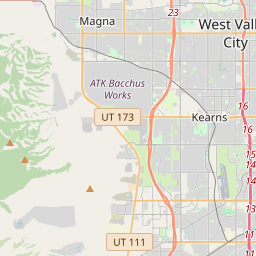
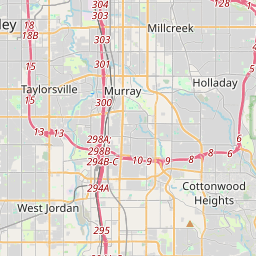
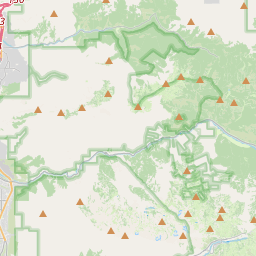
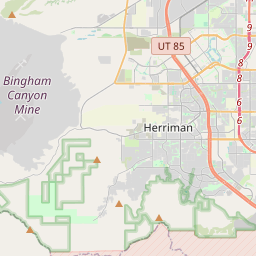
Covered here
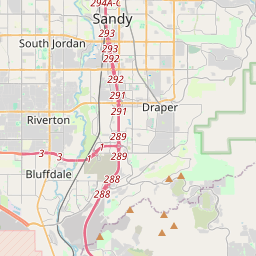
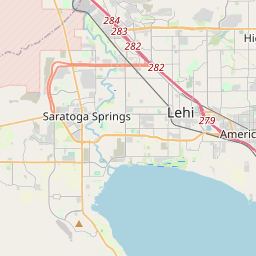
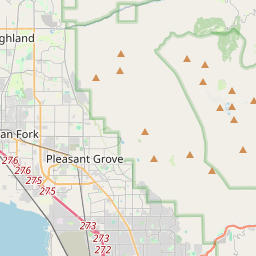
Sandy and the wider Salt Lake County area · 4 ZIP codes — the line routes your call to an IICRC-certified pro covering your ZIP, day or night.
(888) 840-6512Toll-free · no obligation · answered 24/7
Do These Things Right Now
- 1
Shut off your main water supply
The shutoff is usually at your water meter, under a sink, or in your utility room. This stops the water immediately.
- 2
Cut electricity to wet areas
Go to your breaker panel and cut power to any circuit in the affected area. Never wade through water near electrical outlets or panels.
- 3
Document everything NOW
Video and photograph all damage before touching anything. Walk through every affected room. This is critical for your insurance claim.
- 4
Call — the line reaches IICRC-certified pros covering Sandy
The line is answered 24/7 and connects you to a restoration company serving Sandy. They confirm a real arrival window for your address on the call.
- 5
Call your insurance company
Open a claim while waiting for the restoration team. Get a claim number before work begins.
Free to homeowners · 24/7 · IICRC certified pros
What happens when you call
- 1They askWhere the water is, roughly how much, and how long it has been there.
- 2You learnA real arrival window for your street, and what your job actually involves.
- 3You decideCosts are explained before anything is agreed. Hanging up is fine.
The call takes about two minutes. You are talking to the company that would do the work, not a call centre reading a script.
Pros in this network carry




Water damage in Sandy: the local picture
Local flood risk
medium
Typical structural drying
3–5 days
Work standard
IICRC S500
Which parts of Sandy see it most
Alta Canyon and Dimple Dell-area homes nearest Little Cottonwood Creek are at elevated spring flood risk when canyon snowmelt surges exceed channel capacity; older crawl-space homes in the Crescent neighborhood face persistent groundwater seepage issues due to the high water table along the Jordan River bench.
Insurance in Sandy
Utah homeowners should add a water-backup and sump-overflow endorsement to their standard HO policy, as flooding from snowmelt or cloudbursts is excluded; homes in FEMA-mapped floodplains near Little Cottonwood Creek should also maintain a separate NFIP flood policy.
The complete claims guide →
Recognise your street or your situation? Call (888) 840-6512 and describe it — the pro gives you an arrival window before anything is agreed.
Common Emergencies in Sandy
Sandy conditions: Sandy sits at the base of the Wasatch Range where Little Cottonwood Creek and Dry Creek drain rapidly from the ski canyons above, creating flooding potential each spring as snowpack releases. The city's benched terrain means runoff accelerates downslope, and homes in the lower-elevation neighborhoods near the Jordan River face elevated groundwater pressure in winter and spring. Wasatch Front inversions produce heavy snowfall events that create ice dam hazards on the low-pitch rooflines common in Sandy's large subdivisions.
- Little Cottonwood Creek flooding during rapid spring snowmelt from the Wasatch peaks
- Burst pipes during severe Wasatch Front winter cold snaps
- Ice dam formation on low-pitch roofs causing ceiling water intrusion
- Irrigation and sprinkler system failures from freeze-thaw cycling in rocky alluvial soils
Which emergency is this?
The first hour is different for each. Pick the one that matches and follow that sequence while the crew is on the way.
- Basement Flooded Right Now?Mold window 48h · $2,500–$15,000
- Burst Pipe EmergencyMold window 48h · $1,200–$8,000
- Sewage Backup EmergencyMold window 24h · $3,000–$20,000
- Ceiling Water Damage EmergencyMold window 48h · $800–$5,000
- Appliance Leak EmergencyMold window 48h · $1,000–$7,000
- Attic Leak EmergencyMold window 48h · $800–$6,000
- Slab Leak EmergencyMold window 72h · $2,000–$12,000
- Frozen Pipe Burst EmergencyMold window 48h · $1,500–$10,000
- Storm Flooding EmergencyMold window 24h · $5,000–$50,000
- Septic Backup EmergencyMold window 24h · $3,500–$18,000
- Kitchen Flooding EmergencyMold window 48h · $1,200–$8,000
- Bathroom Water Damage EmergencyMold window 48h · $900–$7,500
- Ice Dam Roof Leak EmergencyMold window 72h · $1,500–$12,000
- Upstairs Neighbor Flooded Your UnitMold window 48h · $1,500–$10,000
- Laundry Room Flooded?Mold window 48h · $800–$4,500
Sandy Emergency Questions
- 1Shut off your main water supply.
- 2Cut power to the affected area at your breaker panel.
- 3Do NOT enter any room where water may be contacting electrical systems.
- 4Document damage with photos/video before moving anything.
- 5Call your insurance company to open a claim.
How fast can emergency water damage help arrive in Sandy?
As fast as a crew is free — the Sandy line is answered 24/7 and the pro confirms a real arrival window for your address on the call. The sooner you call, the sooner a crew is assigned — extraction in the first hours is what keeps a drying job from becoming a rebuild.
What should I do RIGHT NOW while waiting for help in Sandy?
Is sewage backup a different emergency than a burst pipe in Sandy?
YesSewage backup is a Category 3 biohazard emergency requiring decontamination, not just drying.
Do not enter sewage-affected areas without protective gear. Evacuate family and pets. Call immediately.
What causes most water emergencies in Sandy?
The recurring local causes are: Little Cottonwood Creek flooding during rapid spring snowmelt from the Wasatch peaks; Burst pipes during severe Wasatch Front winter cold snaps; Ice dam formation on low-pitch roofs causing ceiling water intrusion.
Which one you are looking at changes the response, so describe what you can see when you call and the pro will tell you which it is.
Who do I call right now for water damage?
Call (888) 840-6512. The line is answered 24 hours a day, seven days a week, and connects you with an IICRC-certified water damage restoration company that serves your area.
Describe what you can see — where the water is coming from, how long it has been there, and whether it smells — and the dispatcher routes you to a crew that handles that kind of loss. If the source is a pipe or an appliance, shut the main water valve first; the call itself takes under two minutes.