
Water Damage Emergency
in Roswell?
Most water damage jobs in Roswell, GA cost $1,500–$8,500, and mold can start on wet drywall and carpet pad within 24 to 48 hours. Call (888) 840-6512: the line is answered 24/7, reaches an IICRC-certified restoration company covering your ZIP, and they give you an arrival window for your address while you are still on the phone.

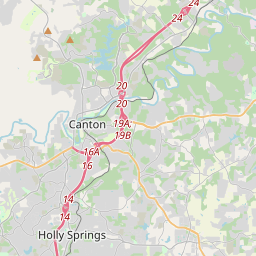
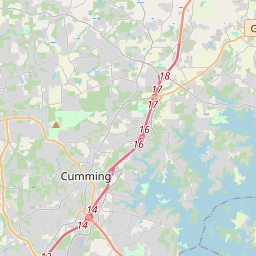
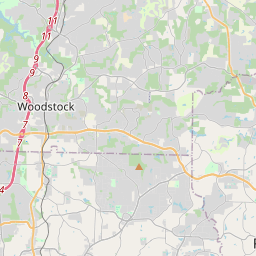
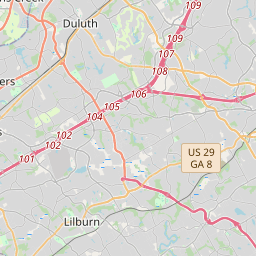
Covered here
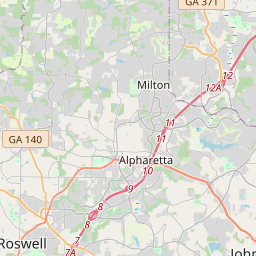
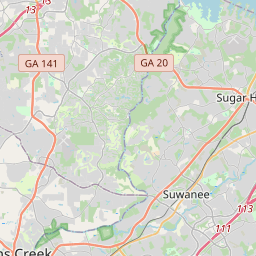
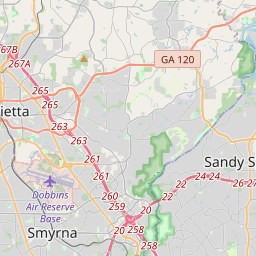
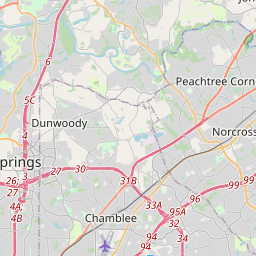
Roswell and the wider Fulton County area · 3 ZIP codes — the line routes your call to an IICRC-certified pro covering your ZIP, day or night.
(888) 840-6512Toll-free · no obligation · answered 24/7
Do These Things Right Now
- 1
Shut off your main water supply
The shutoff is usually at your water meter, under a sink, or in your utility room. This stops the water immediately.
- 2
Cut electricity to wet areas
Go to your breaker panel and cut power to any circuit in the affected area. Never wade through water near electrical outlets or panels.
- 3
Document everything NOW
Video and photograph all damage before touching anything. Walk through every affected room. This is critical for your insurance claim.
- 4
Call — the line reaches IICRC-certified pros covering Roswell
The line is answered 24/7 and connects you to a restoration company serving Roswell. They confirm a real arrival window for your address on the call.
- 5
Call your insurance company
Open a claim while waiting for the restoration team. Get a claim number before work begins.
No charge for the referral · answered 24/7 · IICRC-certified pros
What happens when you call
- 1They askWhere the water is, roughly how much, and how long it has been there.
- 2You learnA real arrival window for your street, and what your job actually involves.
- 3You decideCosts are explained before anything is agreed. Hanging up is fine.
The call takes about two minutes. You are talking to the company that would do the work, not a call center reading a script.
Pros in this network carry



Water damage in Roswell: the local picture
Local flood risk
medium
Typical structural drying
3–5 days
Work standard
IICRC S500
Which parts of Roswell see it most
The Roswell Mill historic district along Vickery Creek and the Chattahoochee River corridor along Riverside Road are the city's highest flood-risk zones, with FEMA mapping significant portions within AE Special Flood Hazard Areas. The East Roswell neighborhoods near Big Creek, including subdivisions along Holcomb Bridge Road and Nesbit Ferry Road, also face substantial flood risk from Big Creek overflow during major rainfall events tied to slow-moving tropical systems or persistent frontal rain.
Insurance in Roswell
Check FEMA's Flood Map Service Center for your property's current Fulton County flood zone designation, as recent Letters of Map Revision along both the Chattahoochee River and Big Creek corridors have altered the mandatory flood insurance purchase requirement for many Roswell properties.
The complete claims guide →Recognize your street or your situation? Call (888) 840-6512 and describe it — the pro gives you an arrival window before anything is agreed.
Common Emergencies in Roswell
Georgia overview: Roswell, Georgia's humid subtropical climate produces 50+ inches of annual rainfall distributed through spring, summer, and fall storm events. The Piedmont region's red clay soil expands significantly when wet and contracts when dry, creating hydrostatic pressure cycles against foundations that accelerate crack development. Metro Atlanta's rapid expansion has created significant impervious surface cover that increases stormwater runoff and basement flooding frequency. Tropical storms that make landfall on the Gulf Coast frequently reach Georgia with 2–4 inch rainfall events. Georgia Insurance Commissioner regulations apply standard prompt-pay rules — contact the GIC if your insurer delays beyond 15 business days.
- Chattahoochee River floodplain overflow: The Chattahoochee River forms Roswell's western boundary, and its 100-year floodplain extends into developed areas along Riverside Road and near the Chattahoochee National Recreation Area, threatening riverside properties and subdivisions during high-flow events.
- Big Creek flooding: Big Creek, a major Chattahoochee tributary that bisects Roswell from north to south, has repeatedly overflowed into neighborhoods along Holcomb Bridge Road, the Big Creek Greenway corridor, and the Nesbit Ferry Road area during heavy tropical and frontal rainfall events.
- Vickery Creek flash floods: Vickery Creek, which once powered Roswell's 19th-century textile mills in the historic mill district, funnels intense flash floods from the northern Roswell watershed through the canyon below Roswell Mill and into downstream neighborhoods along the Chattahoochee corridor.
- Willeo Creek backwater flooding: Willeo Creek, draining the Willeo Road and Mountain Park neighborhoods in northeastern Roswell, backs up when Chattahoochee high-water events prevent normal creek discharge, flooding residential areas that otherwise drain adequately.
- Piedmont red clay soil saturation: Roswell's expansive Georgia red clay soils have very low permeability and become saturated after multi-day rain events, creating significant hydrostatic pressure against basement walls and foundations in hillside neighborhoods including East Roswell and Magnolia Heights.
Which emergency is this?
The first hour is different for each. Pick the one that matches and follow that sequence while the crew is on the way.
- Basement Flooded Right Now?Mold window 48h · $2,500–$15,000
- Burst Pipe EmergencyMold window 48h · $1,200–$8,000
- Sewage Backup EmergencyMold window 24h · $3,000–$20,000
- Ceiling Water Damage EmergencyMold window 48h · $800–$5,000
- Appliance Leak EmergencyMold window 48h · $1,000–$7,000
- Attic Leak EmergencyMold window 48h · $800–$6,000
- Slab Leak EmergencyMold window 72h · $2,000–$12,000
- Frozen Pipe Burst EmergencyMold window 48h · $1,500–$10,000
- Storm Flooding EmergencyMold window 24h · $5,000–$50,000
- Septic Backup EmergencyMold window 24h · $3,500–$18,000
- Kitchen Flooding EmergencyMold window 48h · $1,200–$8,000
- Bathroom Water Damage EmergencyMold window 48h · $900–$7,500
- Ice Dam Roof Leak EmergencyMold window 72h · $1,500–$12,000
- Upstairs Neighbor Flooded Your UnitMold window 48h · $1,500–$10,000
- Laundry Room Flooded?Mold window 48h · $800–$4,500
Roswell Emergency Questions
- 1Shut off your main water supply.
- 2Cut power to the affected area at your breaker panel.
- 3Do NOT enter any room where water may be contacting electrical systems.
- 4Document damage with photos/video before moving anything.
- 5Call your insurance company to open a claim.
How fast can emergency water damage help arrive in Roswell?
As fast as a crew is free — the Roswell line is answered 24/7 and the pro confirms a real arrival window for your address on the call. The sooner you call, the sooner a crew is assigned — extraction in the first hours is what keeps a drying job from becoming a rebuild.
What should I do RIGHT NOW while waiting for help in Roswell?
Is sewage backup a different emergency than a burst pipe in Roswell?
YesSewage backup is a Category 3 biohazard emergency requiring decontamination, not just drying.
Do not enter sewage-affected areas without protective gear. Evacuate family and pets. Call immediately.
What causes most water emergencies in Roswell?
The recurring local causes are: Chattahoochee River floodplain overflow: The Chattahoochee River forms Roswell's western boundary, and its 100-year floodplain extends into developed areas along Riverside Road and near the Chattahoochee National Recreation Area, threatening riverside properties and subdivisions during high-flow events.; Big Creek flooding: Big Creek, a major Chattahoochee tributary that bisects Roswell from north to south, has repeatedly overflowed into neighborhoods along Holcomb Bridge Road, the Big Creek Greenway corridor, and the Nesbit Ferry Road area during heavy tropical and frontal rainfall events.; Vickery Creek flash floods: Vickery Creek, which once powered Roswell's 19th-century textile mills in the historic mill district, funnels intense flash floods from the northern Roswell watershed through the canyon below Roswell Mill and into downstream neighborhoods along the Chattahoochee corridor..
Which one you are looking at changes the response, so describe what you can see when you call and the pro will tell you which it is.
What does an emergency water damage job cost in Roswell?
Priced by area, restoration in Roswell runs $3.20–$11.00 per square foot, with clean supply-line water at the low end and sewage (IICRC Category 3) at the high end because it adds decontamination.
Rebuilding removed drywall and flooring is priced separately once drying is finished. Structural drying itself usually takes 3–5 days.
Who do I call right now for water damage?
Call (888) 840-6512. The line is answered 24 hours a day, seven days a week, and connects you with an IICRC-certified water damage restoration company that serves your area. Describe what you can see — where the water is coming from, how long it has been there, and whether it smells — the more specific you are, the faster the right company is on the line.
If the source is a pipe or an appliance, shut the main water valve first. Have four things ready and the call goes quickly: the address, when the water started, what is wet now, and whether you have filed an insurance claim.
Still not sure which of these is your situation? (888) 840-6512 · toll-free · answered 24/7