
Water Damage Emergency
in Smyrna?
One call reaches an IICRC-certified restoration company covering Smyrna, and they give you an arrival window for your address while you are still on the phone. Standing water spreads by the hour, and mold can start within 24–48.
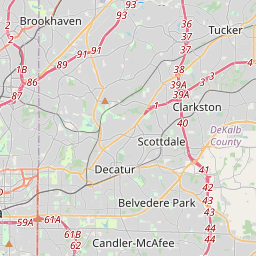
Covered here
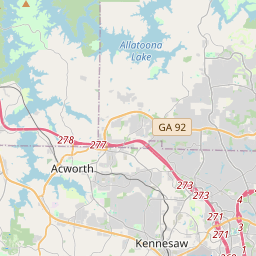
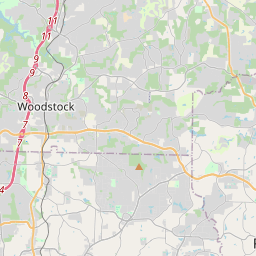
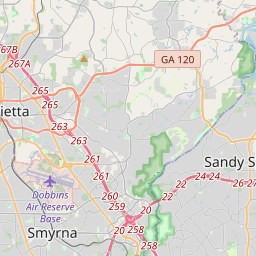
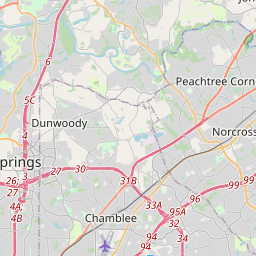
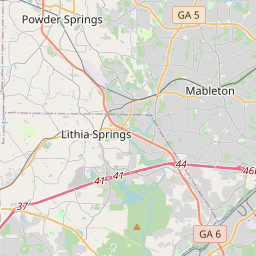
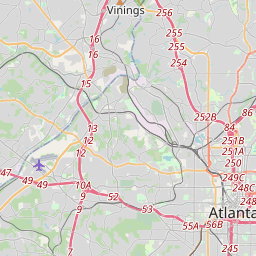
Smyrna and the wider Cobb County area · 2 ZIP codes — the line routes your call to an IICRC-certified pro covering your ZIP, day or night.
(888) 840-6512Toll-free · no obligation · answered 24/7
Do These Things Right Now
- 1
Shut off your main water supply
The shutoff is usually at your water meter, under a sink, or in your utility room. This stops the water immediately.
- 2
Cut electricity to wet areas
Go to your breaker panel and cut power to any circuit in the affected area. Never wade through water near electrical outlets or panels.
- 3
Document everything NOW
Video and photograph all damage before touching anything. Walk through every affected room. This is critical for your insurance claim.
- 4
Call — the line reaches IICRC-certified pros covering Smyrna
The line is answered 24/7 and connects you to a restoration company serving Smyrna. They confirm a real arrival window for your address on the call.
- 5
Call your insurance company
Open a claim while waiting for the restoration team. Get a claim number before work begins.
Free to homeowners · 24/7 · IICRC certified pros
What happens when you call
- 1They askWhere the water is, roughly how much, and how long it has been there.
- 2You learnA real arrival window for your street, and what your job actually involves.
- 3You decideCosts are explained before anything is agreed. Hanging up is fine.
The call takes about two minutes. You are talking to the company that would do the work, not a call centre reading a script.
Pros in this network carry


Water damage in Smyrna: the local picture
Local flood risk
medium
Typical structural drying
3–5 days
Work standard
IICRC S500
Which parts of Smyrna see it most
The Vinings Estates and lower Smyrna areas near Rottenwood Creek's confluence with the Chattahoochee are most vulnerable to the compounded flooding that occurs when Chattahoochee high-water prevents tributary outfall. The neighborhoods flanking Nickajack Creek in the Veterans Memorial Highway corridor—including parts of the Spring Road and Atlanta Road area—have the highest concentration of FEMA Zone AE properties in Cobb County outside of the Chattahoochee corridor itself.
Insurance in Smyrna
Georgia's standard homeowner's policies exclude all rising-water flood damage, and Cobb County's Community Rating System (CRS) classification provides a discount on NFIP premiums for participating communities; confirm your Smyrna address qualifies for the CRS discount when you purchase or renew NFIP coverage, as it can meaningfully reduce your annual premium.
The complete claims guide →
Recognise your street or your situation? Call (888) 840-6512 and describe it — the pro gives you an arrival window before anything is agreed.
Common Emergencies in Smyrna
Georgia overview: Smyrna's Cobb County location in metro Atlanta's northwest quadrant exposes it to the full range of Georgia storm activity — summer afternoon thunderstorms delivering 50+ inches of annual rainfall, with periodic heavy-rain events from Gulf moisture intrusions. The Rottenwood Creek and Nickajack Creek watersheds both pass through Smyrna and flood in major storm events. High residential growth in the 1990s–2000s means a significant share of housing is approaching the age where original plumbing fixtures and water heaters require replacement.
- Nickajack Creek is the primary drainage corridor through Smyrna and is a FEMA-designated floodway; it overtops its banks during the intense convective storms typical of the Georgia Piedmont in spring and summer, flooding neighborhoods along Veterans Memorial Highway and the lower Cumberland area.
- Rottenwood Creek flows northeast through Smyrna and Vinings before emptying into the Chattahoochee River; its watershed has been heavily impacted by commercial development in the Cumberland/Galleria corridor, increasing impervious surfaces and peak runoff rates that cause residential flooding downstream.
- The Chattahoochee River, forming Cobb County's northern boundary, reached record flood levels during Tropical Storm Alberto in 1994 and again in September 2009; high Chattahoochee stages prevent Rottenwood Creek and Nickajack Creek from draining freely, backing floodwater into Smyrna's lowest neighborhoods.
- Smyrna's rapid commercial development along the I-285 Cumberland corridor since the 1980s has created large areas of impervious rooftop and parking surface that funnel stormwater into Nickajack Creek faster than natural conditions, increasing flood peaks for downstream residential properties.
- Georgia's Piedmont red clay soils in Smyrna's hillside subdivisions become fully saturated within hours of sustained rain, generating subsurface lateral flow that enters basement walls through mortar joints and block cavities across much of the city's 1960s–1980s housing stock.
Which emergency is this?
The first hour is different for each. Pick the one that matches and follow that sequence while the crew is on the way.
- Basement Flooded Right Now?Mold window 48h · $2,500–$15,000
- Burst Pipe EmergencyMold window 48h · $1,200–$8,000
- Sewage Backup EmergencyMold window 24h · $3,000–$20,000
- Ceiling Water Damage EmergencyMold window 48h · $800–$5,000
- Appliance Leak EmergencyMold window 48h · $1,000–$7,000
- Attic Leak EmergencyMold window 48h · $800–$6,000
- Slab Leak EmergencyMold window 72h · $2,000–$12,000
- Frozen Pipe Burst EmergencyMold window 48h · $1,500–$10,000
- Storm Flooding EmergencyMold window 24h · $5,000–$50,000
- Septic Backup EmergencyMold window 24h · $3,500–$18,000
- Kitchen Flooding EmergencyMold window 48h · $1,200–$8,000
- Bathroom Water Damage EmergencyMold window 48h · $900–$7,500
- Ice Dam Roof Leak EmergencyMold window 72h · $1,500–$12,000
- Upstairs Neighbor Flooded Your UnitMold window 48h · $1,500–$10,000
- Laundry Room Flooded?Mold window 48h · $800–$4,500
Smyrna Emergency Questions
- 1Shut off your main water supply.
- 2Cut power to the affected area at your breaker panel.
- 3Do NOT enter any room where water may be contacting electrical systems.
- 4Document damage with photos/video before moving anything.
- 5Call your insurance company to open a claim.
How fast can emergency water damage help arrive in Smyrna?
As fast as a crew is free — the Smyrna line is answered 24/7 and the pro confirms a real arrival window for your address on the call. The sooner you call, the sooner a crew is assigned — extraction in the first hours is what keeps a drying job from becoming a rebuild.
What should I do RIGHT NOW while waiting for help in Smyrna?
Is sewage backup a different emergency than a burst pipe in Smyrna?
YesSewage backup is a Category 3 biohazard emergency requiring decontamination, not just drying.
Do not enter sewage-affected areas without protective gear. Evacuate family and pets. Call immediately.
What causes most water emergencies in Smyrna?
The recurring local causes are: Nickajack Creek is the primary drainage corridor through Smyrna and is a FEMA-designated floodway; it overtops its banks during the intense convective storms typical of the Georgia Piedmont in spring and summer, flooding neighborhoods along Veterans Memorial Highway and the lower Cumberland area.; Rottenwood Creek flows northeast through Smyrna and Vinings before emptying into the Chattahoochee River; its watershed has been heavily impacted by commercial development in the Cumberland/Galleria corridor, increasing impervious surfaces and peak runoff rates that cause residential flooding downstream.; The Chattahoochee River, forming Cobb County's northern boundary, reached record flood levels during Tropical Storm Alberto in 1994 and again in September 2009; high Chattahoochee stages prevent Rottenwood Creek and Nickajack Creek from draining freely, backing floodwater into Smyrna's lowest neighborhoods..
Which one you are looking at changes the response, so describe what you can see when you call and the pro will tell you which it is.
Who do I call right now for water damage?
Call (888) 840-6512. The line is answered 24 hours a day, seven days a week, and connects you with an IICRC-certified water damage restoration company that serves your area.
Describe what you can see — where the water is coming from, how long it has been there, and whether it smells — the more specific you are, the faster the right company is on the line. If the source is a pipe or an appliance, shut the main water valve first; the call itself takes under two minutes.
Still not sure which of these is your situation? (888) 840-6512 · toll-free · answered 24/7