
Quick answer
A bathroom sewer smell is most often a dried P-trap — pour a quart of water down every drain and the smell usually fades within a day, free. The other five causes in check order: biofilm in the sink overflow, a failed toilet wax ring (rock test), a blocked roof vent (smell after water use), a cracked drain line, and pressure from a developing sewer blockage — the last one signaled by gurgling and multi-fixture slow drains, and worth a $150–$400 camera inspection before it becomes a $2,000–$10,000 backup. Call (888) 840-6512 to reach a certified water damage restoration company in your area; the line is answered 24/7.
Written & reviewed by Marcus ReedIICRC WRT
Reviewed August 19, 2026· Next review Feb 2027
That Smell Has Six Sources — Check Them Least expensive First
Over seven thousand people a month ask some version of "why does my bathroom smell like sewer," and the plumbing industry's quiet secret is that the most common answer costs nothing to fix. So this guide runs the six causes in cost order — free fixes first, camera inspection last — with the timing clues that tell you which one is yours.
Cause 1: The Dried P-Trap (Most Common, Free)
Every drain in your house has a U-shaped trap holding a few ounces of water — and that little water plug is the *only* barrier between your bathroom and the sewer system. In a guest bath, a floor drain, a rarely used tub, that water evaporates within a few weeks, and sewer gas walks straight up the open pipe.
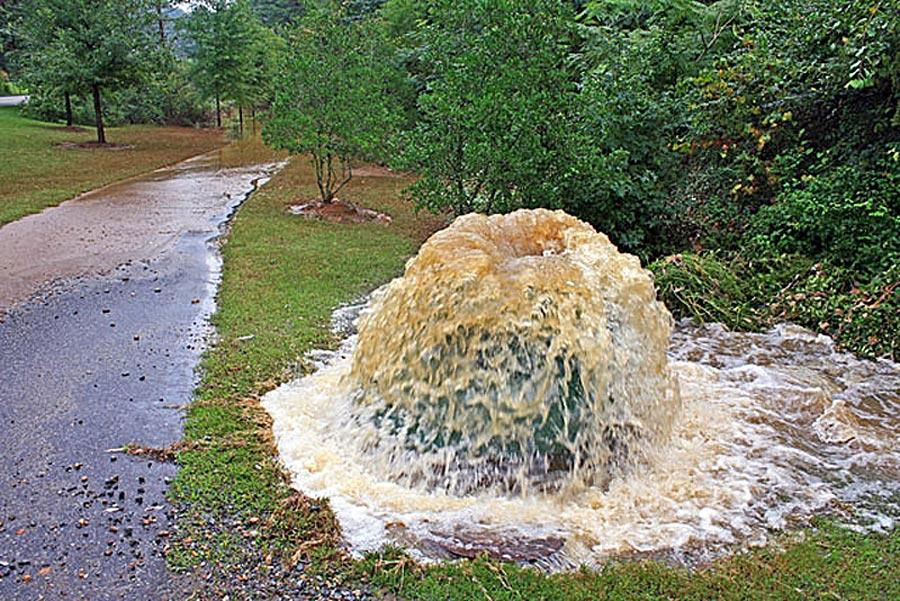
The fix: a quart of water down every drain in the room. Give it a day. If the smell fades, that was it — and a spoonful of mineral oil floated on top of the trap water slows future evaporation in drains nobody uses.
Cause 2: Biofilm in the Overflow (Free–$10)
The sink's overflow hole — that little opening near the rim — grows a bacterial biofilm that smells convincingly like sewage while having nothing to do with the sewer. Hot water and enzyme cleaner (or oxygen bleach) flushed through the overflow, plus a brush down the drain's first inches, clears it.
Cause 3: The Wax Ring (The One That Also Leaks)
A toilet that rocks has been grinding its wax seal, and a compromised ring leaks gas long before visible water. Smell concentrated at the toilet's base is the tell. The ring is a $5–$25 part; a plumber swap is $150–$300 — and worth doing promptly, because the same failed seal that vents gas today leaks flush water into the floor and the ceiling below tomorrow.
Talk to a water damage pro now
Answered 24/7 · Toll-free · answered 24/7 · no obligation
(888) 840-6512Mold can establish within 24–48 hours of water exposure — drying started today stays a drying job.
- Describe the damage & give your ZIP
- You're routed to the on-call local crew
- They quote — you decide, no obligation
Cause 4: The Blocked Vent (The Sneaky One)
Your drains only flow smoothly because a vent stack above the bathroom lets air in behind the water. Cap that vent with leaves, a nest, or snow, and every big drain event *pulls air through the nearest P-traps* — slurping their seals dry and dragging sewer gas in behind. The signature: smell appears after showers or laundry, often with gurgling. Binoculars from the ground first; a plumber clears a vent for $100–$200.
Cause 5: A Cracked Drain or Sewer Line
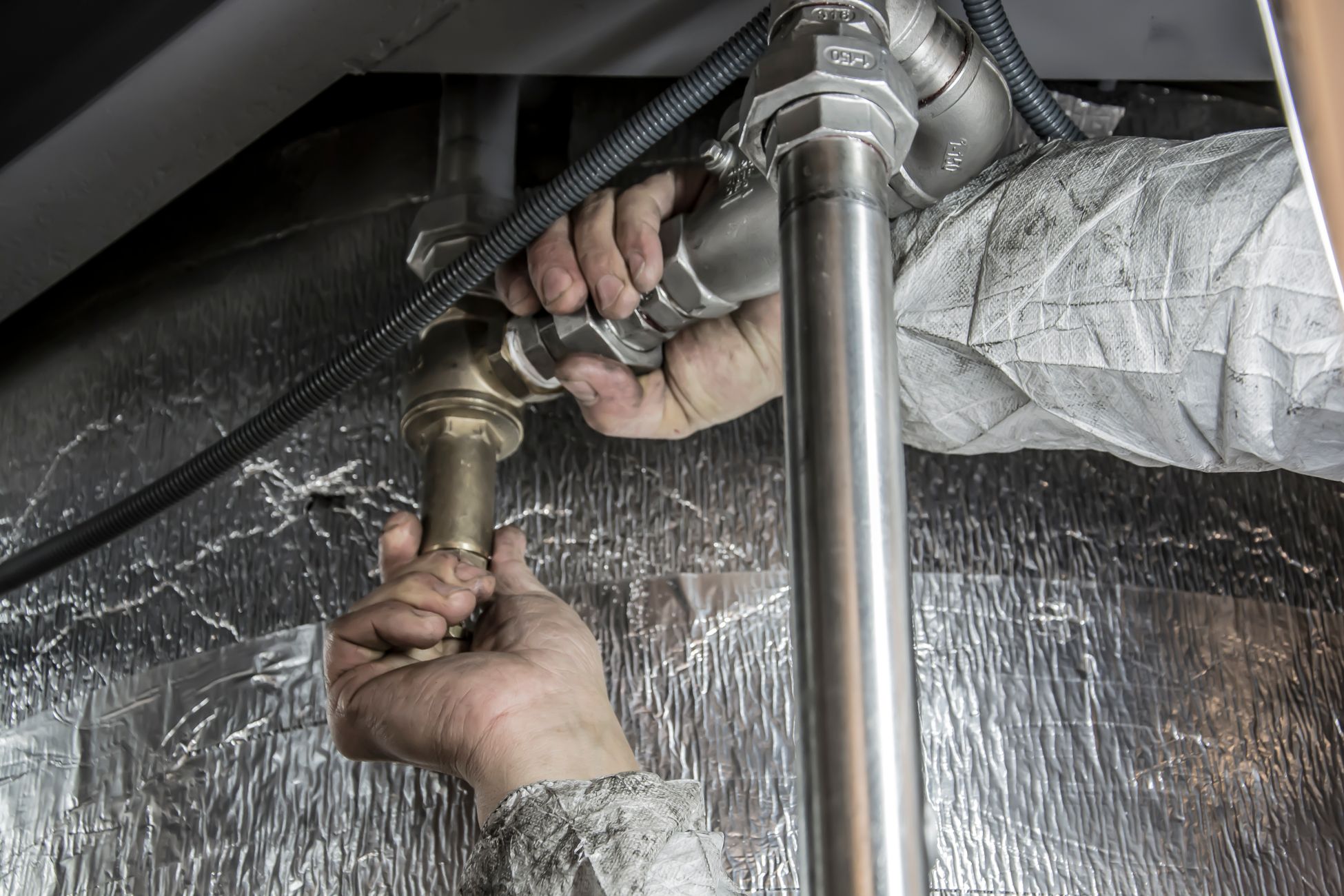
A hairline crack in a drain line inside a wall, or the sewer lateral under the slab, vents gas continuously — smell that survives every fix above, sometimes with damp patches, and often strongest in one spot along a wall. This is camera territory, and the honest price framing: Roto-Rooter and similar outfits will run a camera for $150–$400, and any four-figure repair recommendation that follows deserves a second camera before a yes.
Cause 6: The Warning Shot — Pressure From a Developing Blockage
The one that matters most, because it's the only one on a timer. A partial blockage in the sewer lateral makes the line pressurize during heavy use and rain, pushing gas back through trap seals. Three signs stacking together — gurgling from the toilet when other fixtures drain, multiple slow fixtures at once, and smell arriving with rain — mean the line is narrowing toward a backup.
Act on the stack: a camera inspection now is $150–$400. The sewage backup it predicts is a Category 3 loss — porous materials out, antimicrobial treatment, verified drying — running $2,000–$10,000 cleaned up properly. If it's actively backing up, who to call for a sewage backup is the five-minute triage.
The Diagnostic Table
| Smell pattern | Points to | Fix cost |
|---|---|---|
| Constant, unused bathroom | dried P-trap | free |
| At the sink, worse up close | overflow biofilm | free – $10 |
| At the toilet base / rocks | wax ring | $5 – $300 |
| After showers/laundry, windy days | blocked vent | $100 – $200 |
| Survives everything, one wall | cracked line | camera $150 – $400 |
| With rain + gurgling + slow drains | developing blockage | camera now, before backup |
Bottom Line
Water down every drain, clean the overflow, rock-test the toilet — free, ten minutes, and it resolves most cases. Track the smell's schedule if it survives; the pattern names the culprit. And treat the gurgling-slow-rain trio as the deadline it is: every sewage backup was once a smell somebody air-freshened for three months.
Reading to confirm what you already suspect?
Confirm it in two minutes instead — the pro on this line answers questions about YOUR situation all day: what it is, what it should cost, whether you even need service. If you want, they'll set the appointment on the same call.
Toll-free · no obligation · asking costs nothing
Frequently Asked Questions
Why does my bathroom smell like sewer?
Six causes, in order of likelihood: a dried-out P-trap in a rarely used drain (the water seal evaporated, letting sewer gas straight up the pipe), a failed toilet wax ring leaking gas at the base, a blocked or improperly vented plumbing vent forcing gas through fixtures, biofilm buildup in the sink overflow or drain, a cracked drain/sewer line under or behind the bathroom, and — least common but most urgent — pressure from a developing sewer line blockage pushing gas back through traps.
How do I fix a sewer smell in 60 seconds without spending anything?
Pour a quart of water down every drain in the bathroom — sink, shower, tub, and the floor drain if there is one. Unused drains lose their P-trap water seal to evaporation within weeks, and that seal is the only thing between the room and the sewer line.
If the smell fades within a day, that was it; add a tablespoon of mineral oil to slow future evaporation in rarely used drains.
Is sewer gas in the bathroom dangerous?
In typical household concentrations it's an irritant and a warning rather than an acute danger — but it is flammable in quantity, prolonged exposure causes headaches and nausea, and its presence means the barrier between your living space and the sewer system has failed somewhere.
Persistent smell after the P-trap fix deserves a real diagnosis, not an air freshener.
Why does the bathroom smell like sewer only sometimes?
Intermittent smell tracks pressure and usage: after heavy water use elsewhere (vent problem — draining water pulls air through weak trap seals), on windy days (vent downdrafts), after long vacancy (trap evaporation), or when the sewer main is working hard in rain (pressure pushing at weak seals — sometimes an early warning of a developing blockage). Note when it appears; the pattern is the diagnosis.
When does a sewer smell mean a real sewer problem?
Three escalation signs: gurgling from the toilet or drains when other fixtures run, slow drainage in multiple fixtures at once, and smell appearing with rain or heavy use.
Together they point at a partial sewer line blockage or a cracked line — camera-inspection territory ($150–$400) before it becomes a backup, because a Category 3 sewage backup costs $2,000–$10,000 to clean up properly.
Who do I call right now for water damage?
Call (888) 840-6512. The line is answered 24 hours a day, seven days a week, and connects you with an IICRC-certified water damage restoration company that serves your area. Describe what you can see — where the water is coming from, how long it has been there, and whether it smells — the more specific you are, the faster the right company is on the line.
If the source is a pipe or an appliance, shut the main water valve first. Have four things ready and the call goes quickly: the address, when the water started, what is wet now, and whether you have filed an insurance claim.
Still not sure which of these is your situation? (888) 840-6512 · toll-free · answered 24/7
Sources
- EPA — Septic and Sewer Gas Safety
- InterNACHI — Plumbing Traps and Vents
- IICRC S500 Standard for Professional Water Damage Restoration
Methodology: How we source and verify data · Report an error
Disclaimer: HearthDry is an independent educational resource. This article is for informational purposes only and does not constitute professional, legal, or insurance advice. Consult licensed professionals before making decisions about your property or insurance claims.
Watch
Source: Ask the Builder — YouTube
Free 2-day shipping
Amazon Prime members pay no shipping on restoration equipment
Dehumidifiers, air movers, and moisture meters qualify for free Prime delivery — bulk items that otherwise cost $15–$40 to ship.
Affiliate link — HearthDry earns a bounty if you sign up; costs you nothing extra.
Equipment
What each machine actually does
Removes the moisture the structure is still giving off — the machine that decides how long drying takes
See the picks →Moves air across wet surfaces so the dehumidifier has something to take out of the air
See the picks →Finds water behind walls and under floors, and tells you when a material is actually dry
See the picks →Alerts you the moment a leak starts — the cheapest thing on this list and the only preventive one
See the picks →Those pages carry affiliate links. As an Amazon Associate, HearthDry earns from qualifying purchases; it costs you nothing extra.
Our Amazon storefront →Advertisement
